Is It Safe to Travel to Athens Right Now? Smart Tips

Is It Safe to Travel to Athens Right Now often feels like a loaded question, especially after scanning headlines, travel forums, and quick social posts that rarely tell the whole story. Athens is a real working capital, not a polished postcard, so it comes with busy streets, protests from time to time, crowded transit, uneven sidewalks, and tourist-heavy pockets where pickpockets can be sneaky. Still, daily life moves forward with cafés open, families walking around plazas, and travelers visiting major landmarks without drama. The key is treating travel safety as a set of smart habits rather than a yes-or-no panic button.
Central areas such as Plaka, Monastiraki, Syntagma, and the Acropolis surroundings can feel lively, charming, and slightly chaotic all at once. Crowds bring energy, but they also create moments where a wallet, phone, or loose bag can become easy bait. Keep valuables zipped, carry only what you need, and stay sharp near metro stations, street performers, and packed pedestrian lanes. That may sound obvious, sure, but petty theft prevention is usually where the rubber meets the road in Athens.
Political demonstrations can happen in the city center, especially around Syntagma Square and major public buildings. Most are avoidable with basic awareness, so checking local updates before heading out is a sensible move. If a crowd forms, take a side street, skip the curiosity, and move along without making a big production out of it. Flexible planning helps more than overthinking because routes and timing can shift quickly in any major city.
Transportation is practical, but it deserves attention during rush hours and late evenings. Licensed taxis, official ride apps, hotel-arranged transfers, and well-lit metro routes can make movement smoother, especially after a long flight or dinner. Walking is part of the joy in Athens, yet some sidewalks are narrow, broken, or crowded, so comfortable shoes matter more than stylish ones. Small choices like these keep Athens travel safety grounded in real life instead of fear.
Evening plans can be enjoyable with a little judgment. Well-known dining streets, rooftop bars, and busy squares usually feel active, but isolated alleys and poorly lit shortcuts are worth skipping. Trust your gut, keep alcohol intake reasonable, and map the way back before leaving the table. In plain English, Is It Safe to Travel to Athens Right Now depends less on dramatic warnings and more on staying aware, respecting the city’s pace, and not wandering around like your common sense stayed at home.
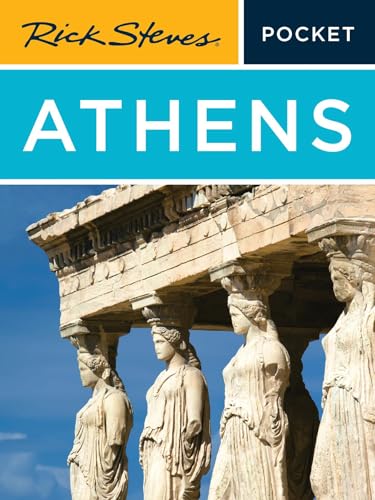
- TLR Rank10.0
TLR Rank is a ranking system developed by TravelLuggageReviews.com. TLR Rank has no relationship or impact from any manufacturers or sales agent websites. Learn more
- BrandRick Steves

- TLR Rank9.6
TLR Rank is a ranking system developed by TravelLuggageReviews.com. TLR Rank has no relationship or impact from any manufacturers or sales agent websites. Learn more
- BrandRick Steves

- TLR Rank9.4
TLR Rank is a ranking system developed by TravelLuggageReviews.com. TLR Rank has no relationship or impact from any manufacturers or sales agent websites. Learn more
- BrandMajosta

- TLR Rank9.4
TLR Rank is a ranking system developed by TravelLuggageReviews.com. TLR Rank has no relationship or impact from any manufacturers or sales agent websites. Learn more
- BrandMICHELIN

- TLR Rank9.4
TLR Rank is a ranking system developed by TravelLuggageReviews.com. TLR Rank has no relationship or impact from any manufacturers or sales agent websites. Learn more
- BrandDK

- TLR Rank9.2
TLR Rank is a ranking system developed by TravelLuggageReviews.com. TLR Rank has no relationship or impact from any manufacturers or sales agent websites. Learn more
- BrandDK

- TLR Rank9.0
TLR Rank is a ranking system developed by TravelLuggageReviews.com. TLR Rank has no relationship or impact from any manufacturers or sales agent websites. Learn more
- BrandRick Steves

- TLR Rank8.8
TLR Rank is a ranking system developed by TravelLuggageReviews.com. TLR Rank has no relationship or impact from any manufacturers or sales agent websites. Learn more
- BrandN/A

- TLR Rank8.8
TLR Rank is a ranking system developed by TravelLuggageReviews.com. TLR Rank has no relationship or impact from any manufacturers or sales agent websites. Learn more
- BrandMajosta

- TLR Rank8.8
TLR Rank is a ranking system developed by TravelLuggageReviews.com. TLR Rank has no relationship or impact from any manufacturers or sales agent websites. Learn more
- BrandLonely Planet
Last update on 2026-08-15 / Affiliate links / Images, Product Titles, and Product Highlights from Amazon Product Advertising API
Is It Safe To Travel To Athens Right Now
Crowded metro platforms, loud scooters, sun-baked streets, and a half-open backpack can turn a dreamy city break into a sweaty little headache fast. That’s why is it safe to travel to athens right now deserves a practical answer, not a dramatic one. Athens is generally manageable for prepared travelers, but it asks for street awareness, flexible plans, and a healthy respect for big-city rhythm. Treat the city like a living capital rather than a museum with sidewalks, and the trip feels a lot less stressful.
Athens Safety Right Now
Is it safe to travel to athens right now mostly depends on how you move through the city, where you stay, and how closely you watch the basics. Central Athens sees heavy visitor traffic around the Acropolis, Plaka, Monastiraki, Syntagma, and Ermou Street, so small theft risks rise where crowds get tight. The bigger issue usually isn’t violent crime, but pickpocketing, distraction tricks, and tired travelers dropping their guard after a long flight. Keep your phone and wallet close, and don’t let a pretty street performer pull your attention away from your bag.
Athens feels gritty in places, and that can surprise people expecting every corner to look polished and postcard-ready. Graffiti, traffic noise, uneven pavement, and packed sidewalks don’t automatically mean danger, but they can make the city feel more intense than expected. A calm traveler who checks routes before walking, avoids isolated shortcuts late at night, and uses licensed transportation when tired will usually feel much more in control. Confidence helps, but careless confidence can bite.
Public demonstrations can happen around central squares and government buildings, especially near Syntagma. Most visitors can avoid them by checking local updates, taking another route, and not hanging around to film the scene. If a crowd starts forming, move away early because demonstration safety is about distance, not curiosity. Athens keeps moving during disruptions, but plans work better with a little breathing room built in.
Heat can also shape the safety picture, especially during warmer months when sightseeing turns into a full-body workout. The Acropolis area has exposed stone, limited shade in places, and long walking stretches that can drain energy faster than expected. Carry water, wear practical shoes, and plan heavier walking for earlier or later in the day because heat management matters as much as wallet protection. A packed schedule sounds fun on paper, then Athens reminds you that marble and midday sun don’t play nice.
Common Risks Around Tourist Areas
Tourist-heavy neighborhoods are where most avoidable problems tend to cluster. Monastiraki flea market, metro lines, busy squares, and attraction entrances can get shoulder-to-shoulder, which creates cover for quick hands and distraction moves. Keep bags zipped in front of you, avoid back-pocket wallets, and don’t leave phones sitting loose on café tables near the street. Simple, boring habits often save the day.
Street scams usually rely on friendliness, speed, or confusion. Someone may ask for a signature, offer an item, block your path, or create a tiny commotion while another person moves closer. You don’t need to be rude, but you do need to be firm and keep walking. Personal boundaries are useful travel gear, right up there with comfortable shoes and a charged phone.
Evenings in Athens can be fantastic, especially around lively dining streets, rooftop bars, and busy plazas. Still, nightlife brings normal city tradeoffs: alcohol lowers awareness, unfamiliar alleys feel different after dark, and late transit can be more tiring than expected. Choose well-lit routes, travel back with a clear plan, and avoid wandering into quiet side streets just because a map says it saves a few minutes. Night safety usually comes down to not making easy mistakes after a good meal.
Hotels and rentals also deserve a little attention before booking. A cheaper room can cost more in stress if it sits far from transit, near a confusing route, or in an area that doesn’t match your comfort level. Read recent neighborhood comments, look at walking routes on a map, and think about how you’ll return after dinner. For smoother airport days and fewer packing headaches, choose sturdy travel gear like best 23 kg suitcase before loading up for a longer Athens itinerary.
How To Move Around With Less Stress
Athens public transportation can be useful, especially the metro lines connecting central areas, the airport, and key districts. Crowded trains are where travelers need extra focus, not panic. Stand away from doors when possible, keep your bag in sight, and avoid digging through cash or documents while everyone is pressed together. A little preparation before boarding makes the ride feel smoother.
Taxis can be convenient, especially after dark, with luggage, or during hot afternoons when walking feels like a punishment. Use official taxis, trusted apps, or hotel-arranged rides rather than accepting random offers from someone hovering near a station. Confirm basic fare expectations before leaving the airport or port so the ride doesn’t start with confusion. Transport clarity helps keep small hassles from turning into sour memories.
Walking remains one of the best ways to feel Athens, but the city rewards slow feet and sharp eyes. Sidewalks can narrow without warning, scooters may appear close, and stone paths around historic areas can feel slippery or uneven. Shoes with grip matter more than fashion, especially if the day includes hills, ruins, and long café detours. Pack lighter and move smarter with practical options such as best medium size checked luggage for trips that mix city stays with island connections.
Navigation works best when you check the route before stepping into a busy street. Staring at your phone on a corner makes you look distracted and slows your reaction to traffic, crowds, or unwanted attention. Duck into a café doorway, hotel lobby, or quieter spot to reset the map, then walk with purpose. Route awareness doesn’t make travel stiff, it gives you more room to enjoy the city without constantly second-guessing yourself.
What Smart Preparation Looks Like
Travel insurance should sit near the top of the planning list, especially for flights, health needs, lost belongings, and schedule changes. Athens is not a place to fear, but any city trip can bring delays, minor accidents, or surprise expenses. Keep digital copies of your passport, booking details, and emergency contacts stored securely in more than one place. That small admin chore can feel like gold if your bag goes missing or your phone battery dies.
Packing for Athens should match the city’s pace rather than an imagined travel brochure. Bring breathable clothes, shoes that can handle stone streets, a secure day bag, and a refillable water bottle. Leave flashy jewelry and bulky valuables behind unless they serve a real purpose. Low-profile packing helps you blend in a little better and worry a little less.
Luggage condition matters more than people think, especially on old sidewalks, metro stairs, and hotel streets that weren’t designed for smooth rolling. A broken wheel can turn a short walk into an awkward drag through heat and traffic. Before flying, inspect handles, zippers, and wheels so one weak part doesn’t hijack the first afternoon. To avoid a suitcase meltdown before the airport run, fix rough rollers with how to change suitcase wheels instead of hoping they survive one more trip.
Daily planning should stay flexible because strikes, traffic, weather, and crowded attractions can change the mood of a day quickly. Book key experiences with enough buffer, avoid stacking too many far-apart stops, and keep a backup café or museum in mind. Athens feels better when there’s space to pause, eat, and reroute without feeling like the whole trip is slipping away. Flexible travel planning turns little disruptions into manageable detours instead of full-blown vacation drama.
How To Stay Safe In Athens Right Now Without Overthinking
Athens gets easier once the big worries are broken into smaller, practical decisions. A safe day usually comes from good timing, a sensible route, and the kind of awareness you’d use in any busy capital. The city can feel loud, layered, and a little rough around the edges, but that doesn’t mean every crowded street is a warning sign. It means is it safe to travel to athens right now needs a grounded answer built around real movement, real crowds, and real travel habits.
Safer Days Start Before You Leave The Hotel
Morning planning can save a surprising amount of friction in Athens. Check your route before stepping outside, pin your hotel location, and keep a backup way home saved offline. A traveler who knows the next two steps usually looks less distracted in crowded areas. That simple habit supports street confidence without turning the trip into a nervous checklist.
Documents deserve a quiet system too. Keep your passport secured at your stay unless you truly need it, carry a copy, and store digital backups somewhere protected. Cash should be split instead of sitting in one wallet, especially during long sightseeing days. Money safety feels boring until one misplaced bag tries to ruin an afternoon.
Camera gear can draw attention fast around scenic viewpoints and narrow lanes. Carry only what you plan to use, keep straps secure, and avoid unpacking expensive equipment in the middle of a busy walkway. For travelers carrying lenses, batteries, or a compact drone, protect fragile gear with camera equipment that keeps items organized instead of rattling around loose. Low-profile packing helps you enjoy the shot without turning your bag into a billboard.
Local updates matter because Athens can shift with weather, transit changes, and public gatherings. A quick check before leaving helps you avoid blocked streets or delayed routes around central areas. Don’t build every day so tightly that one missed metro makes the whole plan collapse. Flexible timing gives the city room to breathe, and honestly, Athens is better that way.
Neighborhood Awareness Without Travel Paranoia
Athens neighborhoods can change personality within a few blocks. A lively square may sit close to a quieter side street that feels less comfortable after dark. That doesn’t mean you need to avoid exploring, but it does mean your gut deserves a vote. Neighborhood awareness is less about fear and more about noticing lighting, foot traffic, and how easy it is to return.
Plaka and the Acropolis area often feel friendly because they stay busy with restaurants, shops, and visitors. Monastiraki has great energy too, though crowds can get thick around market lanes and station entrances. Keep your bag close, pause away from traffic to check your phone, and don’t let a stranger’s urgency become your problem. Pickpocket prevention works best before anything weird happens.
Some streets may look messy, loud, or heavily tagged, which can feel jarring for first-time visitors. Visual roughness isn’t always the same thing as danger, but comfort still matters. If an area feels off, turn around, step into a busier street, or take a taxi without making a big debate out of it. Smart exits are part of good travel, not a sign that the city beat you.
Night plans deserve a little extra care. Stay near active streets, avoid empty shortcuts, and set a clear way back before the evening gets late. A rooftop drink or late dinner can be wonderful, but wandering with a dying phone and no route is asking for trouble. Evening safety improves fast when comfort, lighting, and transportation are handled before the bill arrives.
What To Pack For A Calmer Athens Trip
Packing light makes Athens feel easier because stairs, uneven pavement, and busy metro platforms don’t reward bulky luggage. A smaller setup helps you move faster and look less overwhelmed. Keep daily essentials in a secure crossbody bag or anti-theft day bag, then leave the rest locked away. Light packing can reduce stress before safety even becomes a concern.
Carry-on size matters if Athens is one stop in a wider Europe trip. Cobblestones, transfers, and compact hotel rooms all make oversized bags feel annoying quickly. For smoother movement through airports, taxis, and old streets, a durable hardside carry on can protect essentials without forcing you to drag a heavy checked bag everywhere. Luggage control helps keep your attention on the street instead of a stubborn suitcase wheel.
Clothing should match the city’s walking reality. Breathable layers, supportive shoes, and a hat can make long outdoor days far more comfortable. Athens heat can wear people down, and tired travelers make sloppy decisions with phones, wallets, and directions. Comfort planning keeps your judgment sharper than a packed itinerary ever will.
A small daily kit can cover the annoying stuff that often derails sightseeing. Bring water, sunscreen, a portable charger, basic medicine, and a card with your accommodation details. Keep one payment card separate from your wallet, especially during full-day outings. Backup essentials don’t take much space, but they can turn a stressful moment into a quick reset.
How To Handle Crowds, Transit, And Delays
Crowds are part of Athens, especially around landmarks, markets, and transit hubs. Move with purpose, but don’t rush so hard that you stop noticing what’s around you. Keep zippers closed, hold bags in front on packed trains, and avoid displaying cash near ticket machines. Crowd safety comes from calm repetition, not dramatic tactics.
Metro rides can be efficient, though busy platforms need attention. Stand clear of door clusters if you can, watch for sudden bumps, and keep your phone secure after checking directions. If a train feels too packed, waiting for the next one is often easier than forcing yourself into a tight crowd. Transit patience can be the difference between a smooth ride and a frustrating one.
Delays happen, and Athens doesn’t always move on a tidy travel-blog schedule. Traffic, heat, strikes, or attraction lines can stretch a simple plan into something slower. Build gaps between bookings so you’re not sprinting through unfamiliar streets with luggage or valuables bouncing around. Schedule breathing room makes safer decisions easier because you’re not rushing every choice.
Airport and port transfers deserve extra clarity. Confirm pickup points, use official services, and avoid last-minute bargaining with random drivers when you’re tired. Keep your luggage close while waiting, especially in busy arrival zones. Arrival safety sets the tone for the trip, so make the first move simple and boring in the best possible way.
Better Travel Choices For A More Relaxed Visit
Safe travel in Athens is not about hiding in a hotel or avoiding local life. It’s about moving through the city with clear eyes and practical habits. Eat where the street feels active, ask hotel staff about nearby routes, and trust recent local information over random panic online. Balanced awareness lets you enjoy the city without treating every moment like a problem.
Food, cafés, ruins, and neighborhood walks are still the heart of the Athens experience. The trick is giving yourself enough time to enjoy them without pushing into exhaustion. A slower pace often creates better memories and fewer safety mistakes. Realistic expectations matter because Athens can be wonderful and messy in the same afternoon.
Solo walks, family outings, and couple trips all benefit from the same basics. Share plans with someone, keep phones charged, avoid isolated shortcuts, and use transportation when the walk back feels questionable. None of that kills spontaneity. Smart boundaries simply keep the fun from drifting into avoidable stress.
The practical answer to is it safe to travel to athens right now is that the city can be a rewarding choice for travelers who stay alert, plan loosely, and respect its pace. Watch your belongings, avoid protest areas, manage heat, and choose routes that feel comfortable. Athens doesn’t need fear, but it does ask for attention. Traveling switched on is the sweet spot between worry and carelessness.


9 Best Travel Camping Table of 2026 For Uneven Ground
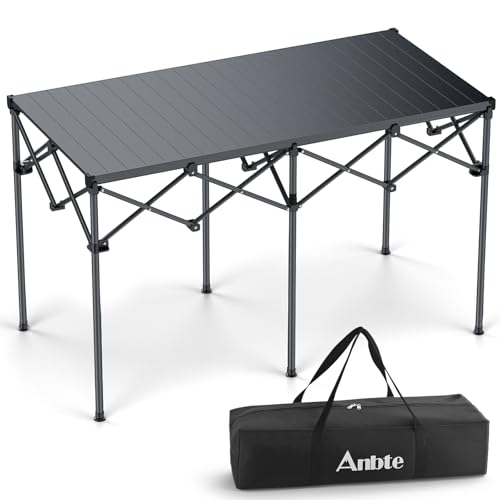
12 Best Heavy Duty Camping Table of 2026 That Will Not Wobble or Sag
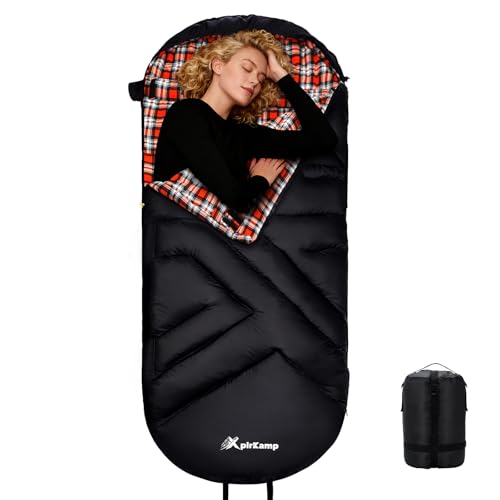
10 Best Sleeping Bags For Tall People of 2026 To Stretch Out Fully
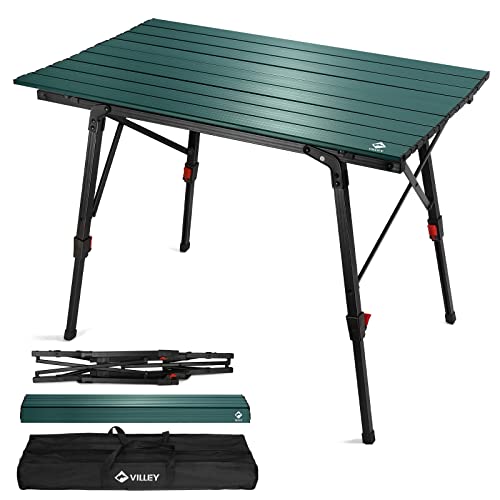
8 Best Camping Table Adjustable Legs of 2026 for Uneven Ground

10 Best Diaper Bag Backpacks For Dads of 2026 With Fast Gear Access

11 Best Framed Luggage of 2026 For Zipperless Security

11 Best Folding Two Wheeler For Luggage of 2026 To Prevent Tipping

11 Best Expandable Roller Luggage of 2026 That Fit Overhead Bins