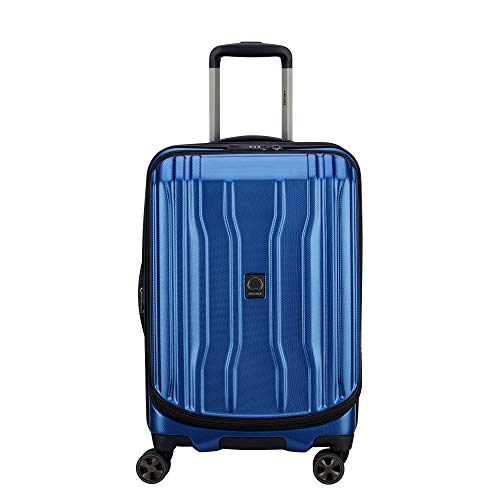
Is It Safe To Travel To Belarus? Real Talk

Is it safe to travel to belarus is a question that deserves a careful answer, not a breezy “pack your bags” response. Belarus has historic cities, quiet forests, Soviet-era architecture, clean streets, and a slower travel rhythm that can sound tempting on paper. Still, the real issue isn’t whether Minsk has museums or whether the countryside looks peaceful from a train window. The bigger concern is legal uncertainty, limited help from foreign embassies, border restrictions, and a security climate tied closely to the war in neighboring Ukraine.
Travel safety in Belarus feels different from ordinary pickpocket warnings or taxi scams. The main worry is that rules may be enforced in ways outsiders don’t expect, and small mistakes can become serious fast. A casual post, a border misunderstanding, an old political comment, or the wrong document at the wrong checkpoint can create trouble that’s hard to fix from inside the country. Yikes, that’s not the kind of travel hiccup anyone wants after booking a hotel and sorting out luggage.
Border access also needs extra attention because routes can change, close, or become difficult with little warning. A plan that looks simple on a map may not work smoothly in real life, especially near neighboring countries affected by regional tensions. Flights, land crossings, insurance coverage, payment access, and mobile service all deserve a second look before any decision is made. So, instead of treating Belarus like a quick side trip, the smarter move is to treat it like a high-risk destination with moving parts.
Consular support is another sticking point. Some foreign governments have warned that their ability to help inside Belarus may be limited, which matters a lot if documents are lost, a border issue appears, or police contact turns stressful. That doesn’t mean every visitor will face trouble, but it does mean the safety margin is thinner than in many European destinations. Put plainly, this isn’t a place where “I’ll figure it out when I get there” is a good travel strategy.
Personal devices and communication privacy should be handled with care, too. Phones, laptops, messages, photos, and social accounts may attract attention in ways travelers don’t always expect. Keeping a clean travel phone, avoiding political material, carrying printed documents, and knowing exit options can reduce headaches, though they don’t erase the broader risk. For most casual trips, postponing travel to Belarus is the more sensible call until official advisories soften and border conditions feel steadier.

- TLR Rank9.0
TLR Rank is a ranking system developed by TravelLuggageReviews.com. TLR Rank has no relationship or impact from any manufacturers or sales agent websites. Learn more
- BrandOppian

- TLR Rank8.8
TLR Rank is a ranking system developed by TravelLuggageReviews.com. TLR Rank has no relationship or impact from any manufacturers or sales agent websites. Learn more
- BrandFREYTAG-BERNDT UND ARTARIA
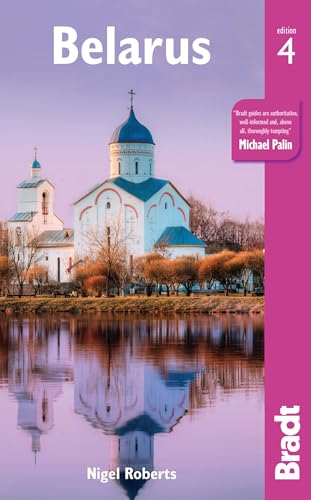
- TLR Rank8.0
TLR Rank is a ranking system developed by TravelLuggageReviews.com. TLR Rank has no relationship or impact from any manufacturers or sales agent websites. Learn more
- BrandGlobe Pequot Press

- TLR Rank7.2
TLR Rank is a ranking system developed by TravelLuggageReviews.com. TLR Rank has no relationship or impact from any manufacturers or sales agent websites. Learn more
- BrandITM

- TLR Rank6.8
TLR Rank is a ranking system developed by TravelLuggageReviews.com. TLR Rank has no relationship or impact from any manufacturers or sales agent websites. Learn more
- BrandN/A

- TLR Rank4.0
TLR Rank is a ranking system developed by TravelLuggageReviews.com. TLR Rank has no relationship or impact from any manufacturers or sales agent websites. Learn more
- BrandN/A

- TLR Rank-
TLR Rank is a ranking system developed by TravelLuggageReviews.com. TLR Rank has no relationship or impact from any manufacturers or sales agent websites. Learn more
- BrandMajosta

- TLR Rank-
TLR Rank is a ranking system developed by TravelLuggageReviews.com. TLR Rank has no relationship or impact from any manufacturers or sales agent websites. Learn more
- BrandN/A

- TLR Rank-
TLR Rank is a ranking system developed by TravelLuggageReviews.com. TLR Rank has no relationship or impact from any manufacturers or sales agent websites. Learn more
- BrandN/A

- TLR Rank-
TLR Rank is a ranking system developed by TravelLuggageReviews.com. TLR Rank has no relationship or impact from any manufacturers or sales agent websites. Learn more
- BrandOxford University Press, USA

- TLR Rank-
TLR Rank is a ranking system developed by TravelLuggageReviews.com. TLR Rank has no relationship or impact from any manufacturers or sales agent websites. Learn more
- BrandN/A

- TLR Rank-
TLR Rank is a ranking system developed by TravelLuggageReviews.com. TLR Rank has no relationship or impact from any manufacturers or sales agent websites. Learn more
- BrandN/A
Last update on 2026-08-12 / Affiliate links / Images, Product Titles, and Product Highlights from Amazon Product Advertising API
Is It Safe To Travel To Belarus Right Now?
A calm photo of Minsk can make the trip look simple, almost too simple. Wide avenues, tidy metro stations, quiet parks, and old fortresses may pull at that little travel itch, but is it safe to travel to belarus needs a colder, more practical read. The main concern isn’t whether the country has interesting places to see, because it does. The real issue is personal risk, border uncertainty, and the chance that a small mistake can become much harder to fix than it would in a lower-risk destination.
Belarus Travel Safety
Belarus travel safety sits in a gray zone where normal vacation planning doesn’t quite cut it. A traveler might worry about hotels, weather, and transport, but Belarus adds heavier concerns like legal exposure, changing border access, and limited outside support during trouble. That’s a different animal from losing a suitcase or missing a train. So, yeah, the question isn’t just “Can I go?” but “What happens if things go sideways?”
Regional tension matters because Belarus borders countries directly affected by the war in Ukraine and sits inside a sensitive security environment. Even if a visitor has no political interest at all, the broader situation can still shape checkpoints, flights, insurance, and exit routes. Travel plans that look clean on paper can get messy fast if a crossing closes or a route changes. That makes backup planning more than a nice extra.
Legal unpredictability is another reason casual trips deserve a second thought. Public behavior, online posts, photography, documents, and conversations may carry more weight than visitors expect. A phone full of old messages or political content could become uncomfortable during inspection. Nobody wants a vacation ruined by a detail they barely remembered existed.
Embassy help may also be limited depending on nationality and location. That matters because consular support is often the safety net travelers forget until they need it. Lost passports, detention questions, medical emergencies, and exit problems can become more stressful when support is slow or restricted. For a low-stress trip, that’s a pretty big tradeoff.
Why The Risk Feels Different
Belarus isn’t risky in only one obvious way, and that’s what makes planning tricky. Some destinations have clear problems like petty theft zones or bad road safety, while Belarus raises concerns that are more administrative, political, and procedural. A traveler may walk through a clean city center and feel totally fine. Still, surface calm doesn’t remove the deeper risk tied to rules, enforcement, and regional pressure.
Border movement deserves special attention before any booking decision. Land crossings can be restricted, flights may be limited, and nearby countries may have their own entry rules connected to Belarus travel. A route that worked for someone else months ago may not work the same way now. That means every plan needs fresh verification, not recycled advice from an old forum thread.
Insurance coverage can be another hidden snag. Some policies exclude travel to destinations with active warnings, sanctions issues, or war-adjacent risks. That sounds boring until a medical bill, canceled route, or emergency evacuation appears. Reading the fine print may feel like watching paint dry, but it can save a brutal headache.
Payment access may also be uneven because banking restrictions and card acceptance can affect day-to-day movement. Cash planning, backup funds, and realistic spending options matter more than usual. Nobody wants to land with a working itinerary and a useless card. Smart travelers treat money access as part of safety, not just convenience.
Documents, Devices, And Border Checks
Documents need to be boringly perfect for Belarus. Passport validity, visa rules, registration requirements, hotel confirmations, insurance papers, and onward travel proof should be checked before departure. A tiny paperwork gap can turn into a long conversation at the border. For smoother airport movement, pack lighter and keep essentials organized with best luggage 24 inch spinner lightweight so documents, chargers, and backup items stay within easy reach.
Device checks are a realistic concern in higher-sensitivity destinations. Phones, laptops, photos, saved posts, group chats, and old comments may attract attention even when nothing was meant for Belarus at all. A clean travel phone can reduce awkward questions, though it doesn’t erase risk. The point is simple: digital privacy should be part of the packing list.
Photography rules need extra caution because official buildings, police, military sites, checkpoints, and transport infrastructure can be sensitive. A quick picture that feels harmless back home may be interpreted very differently. That’s why travelers should avoid filming anything connected to security or government activity. Better to miss a photo than explain it in a room where the mood has gone cold.
Printed backups still matter, even in a phone-first world. Carry paper copies of passport pages, insurance, hotel bookings, emergency contacts, and exit plans. Phones die, apps fail, and internet access can turn spotty right when patience is already thin. Old-school paperwork isn’t glamorous, but it’s a quiet little safety tool.
Planning A Trip Without Guesswork
Trip planning for Belarus should start with official travel advisories, not influencer reels or random comments. Government warnings, airline updates, border notices, and insurance terms carry more weight than someone’s quick “I went and it was fine” post. Personal stories can be useful, but they don’t protect anyone from changed rules. The safer habit is verify first, then decide.
Exit routes deserve as much attention as arrival plans. Travelers should know how they would leave if a flight gets canceled, a border closes, or a route becomes impractical. That means keeping extra funds, checking nearby country rules, and avoiding tight schedules. A flexible plan may not feel exciting, but it beats being boxed in.
Packing choices should match a destination where movement may need to be quick and controlled. Heavy luggage, scattered documents, and overstuffed bags can slow down checkpoints and transfers. For short, serious trips, practical gear beats flashy travel style every time. Keep the load simple, keep the paperwork close, and keep emergency essentials easy to grab.
Weather and transit can add another layer of hassle, especially during wet or cold months. A durable carry setup helps protect clothes, electronics, and printed papers during rough transfers. To keep gear safer during rain, station changes, or long walks, use a separate best waterproof travel duffel bag for items that shouldn’t get soaked. That’s not about looking rugged, it’s about avoiding one more preventable problem.
What A Safer Decision Looks Like
A safer Belarus decision starts with honesty about why the trip matters. Essential travel, family obligations, journalism, work, and tourism all carry different levels of acceptable risk. A casual sightseeing trip has a lower tolerance for uncertainty because there are easier places to spend vacation time. That doesn’t make curiosity wrong, but it does make risk comparison necessary.
Personal profile can affect the risk level, even if nobody likes to think about it. Past political posts, dual nationality, work history, military connections, activism, journalism, or certain public affiliations may create extra attention. Travelers should not assume they’ll be treated like every other visitor. A calm itinerary can still feel different once personal context enters the picture.
Communication planning should be settled before departure. Share the route, hotel details, check-in times, and emergency contacts with someone reliable. Keep copies of key documents outside your main bag and avoid relying on one phone for everything. Small habits like these won’t make Belarus low-risk, but they can reduce the damage if plans wobble.
Travel gear should support movement, not slow it down. Younger travelers sometimes pack for style first, then regret it during long border waits, station transfers, or sudden route changes. For a cleaner, more practical setup, choose best luggage for young men that keeps essentials accessible without turning every transfer into a wrestling match. Practical choices matter more in places where flexibility is part of staying safe.
Is It Safe To Travel To Belarus For Careful Travelers?
After checking the bigger risks, the next step is deciding whether the trip still makes sense for your situation. Is it safe to travel to belarus depends less on sightseeing interest and more on risk control, exit flexibility, and how much uncertainty you’re willing to carry. A calm itinerary can still feel shaky if border rules shift, banking access gets awkward, or official attention turns a normal day into a long one. That’s why a smart plan should feel less like a vacation checklist and more like a safety file you can actually use.
Belarus travel planning works best when every detail has a backup. Keep paper copies of bookings, insurance, passport pages, and emergency contacts in more than one place. Pack light enough to move without fighting your own bag, because delays and extra checks can wear people down fast. For soft-sided gear that handles camp-style packing and short stays, compare best duffle bags before building a simple grab-and-go setup.
Travelers who value predictability may find Belarus frustrating right now. The country can look orderly from the outside, yet the rules around borders, documentation, and public behavior may feel stricter than expected. A cautious person should ask one blunt question before booking: “Would I still go if my route home changed with little notice?” If that answer feels shaky, postponing the trip may be the cleaner move.
Personal comfort matters more here than bravado. Some people can handle strict procedures, long waits, and official questions without getting rattled. Others travel to relax, reset, and avoid exactly that kind of pressure. Belarus may reward curiosity, but it doesn’t reward careless planning.
How To Reduce Belarus Travel Risks Before Booking
Official advisories should come before hotel deals, flight prices, or pretty travel videos. Read your government’s current guidance, then check airline routes, entry rules, insurance limits, and border access. Don’t rely on one source, especially if it’s old or vague. A trip to Belarus needs fresh information, not recycled confidence from someone else’s smoother visit.
Insurance wording deserves a slow read because high-risk destinations can sit inside exclusions. Medical care, canceled transport, lost documents, detention-related issues, and evacuation support may not be covered the way travelers assume. That fine print can feel dry, sure, but it tells you how alone you might be if the trip gets messy. The strongest plan is the one that names ugly possibilities before they happen.
Border strategy should include more than one possible route. Check which crossings are open, what documents are required, and whether nearby countries allow entry from Belarus. Avoid tight flight connections or plans that depend on one fragile exit point. A little breathing room in the schedule can save a pile of stress later.
Luggage choices can also affect how smoothly you move through airports, stations, and checkpoints. Hard-shell cases protect documents, electronics, and weather-sensitive items better than flimsy bags during rough transfers. For trips where order and protection matter, consider hard case spinner luggage that keeps essentials structured instead of buried under loose clothing. Practical packing won’t remove the risk, but it can reduce the small problems that make tense travel worse.
What To Avoid While Traveling In Belarus
Political conversations should stay off the itinerary. Public comments, social posts, photos, flags, protests, government buildings, and security personnel can all create unwanted attention. Even a casual remark may land differently in a place where political sensitivity runs high. Keep the trip low-profile and avoid turning curiosity into a headache.
Photography habits need extra discipline. Train stations, checkpoints, police activity, military sites, government offices, and border areas should be treated as off-limits unless clear permission exists. A photo may feel harmless, but explaining intent to officials is nobody’s idea of a good afternoon. Save the camera for parks, museums, food, architecture, and clearly tourist-friendly spaces.
Digital clutter can become a weak spot. Phones often carry years of messages, screenshots, political jokes, maps, group chats, and work files. Before travel, remove anything sensitive, back up important data, and consider using a clean device for the trip. That’s not paranoia, it’s basic digital hygiene for a destination with stricter scrutiny.
Solo wandering late at night also deserves caution, even in areas that seem quiet. Safety isn’t only about street crime; it includes getting stopped, misunderstood, lost, or unable to explain where you’re going. Keep hotel details handy, use reliable transport, and avoid arguments with officials or strangers. Calm, boring behavior is your friend here.
Who Should Delay A Belarus Trip For Now?
Casual vacation travelers may be better off waiting. A trip built around museums, food, architecture, and slow wandering doesn’t need the extra weight of legal and border uncertainty. Plenty of destinations offer history and atmosphere with fewer complications. Belarus may still be interesting later, once the wider situation feels more stable.
People with public political activity should think carefully before going. Past posts, journalism work, activism, military links, government work, or visible opinions about regional issues may raise the risk profile. Even old content can matter if someone checks a device or online presence. A traveler who could draw attention should treat personal background as part of the risk review.
Travelers with tight budgets may also struggle if something changes suddenly. Extra hotel nights, rerouted transport, cash needs, medical costs, or replacement documents can get expensive fast. A low-cost trip can become stressful if there’s no buffer. Safety planning should include money that you hope not to spend.
Anyone needing reliable access to medication should be especially careful. Bring enough supply, carry prescriptions, and confirm what’s allowed before departure. Delays, border issues, and pharmacy differences can create problems that feel much bigger once you’re inside the country. Health needs make exit planning even more important.
Safer Alternatives If Belarus Feels Too Risky
Postponing Belarus doesn’t mean giving up on the kind of trip that sparked your interest. Travelers drawn to Soviet-era architecture, forest landscapes, old towns, and quieter city breaks can look at lower-risk destinations with similar textures. The goal isn’t to scare anyone away from curiosity. The goal is to match the trip with a safety level that doesn’t keep you tense the whole time.
Nearby regional trips may offer easier border movement, broader flight options, and stronger consular access. That matters if the main reason for travel is culture, food, photography, or a slower pace. A destination with fewer legal unknowns lets you focus on the place instead of constantly checking the ground under your feet. Travel should stretch you a little, not keep you braced all day.
Belarus can stay on the future list while you watch official advisories and regional conditions. Waiting isn’t a failure; sometimes it’s the smartest travel move in the room. Keep notes on places you’d like to see, routes that may reopen, and requirements that may change. A better-timed trip is usually more enjoyable than a forced one.
The safest answer for many travelers right now is to avoid nonessential travel unless there’s a strong reason to go. Essential visits require careful paperwork, quiet behavior, flexible exits, and a realistic emergency plan. Curiosity alone may not justify the added stress. A good Belarus decision should feel calm after research, not shaky after you’ve already paid.


9 Best Travel Camping Table of 2026 For Uneven Ground
12 Best Heavy Duty Camping Table of 2026 That Will Not Wobble or Sag
10 Best Sleeping Bags For Tall People of 2026 To Stretch Out Fully
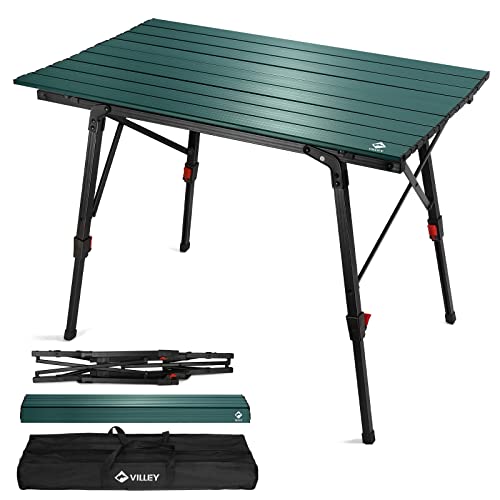
8 Best Camping Table Adjustable Legs of 2026 for Uneven Ground

10 Best Diaper Bag Backpacks For Dads of 2026 With Fast Gear Access

11 Best Framed Luggage of 2026 For Zipperless Security

11 Best Folding Two Wheeler For Luggage of 2026 To Prevent Tipping

11 Best Expandable Roller Luggage of 2026 That Fit Overhead Bins