
Is It Safe to Travel to Budapest in 2026?

Budapest is very safe for tourists. Violent crime is remarkably rare across the capital, and most travelers explore the grand avenues and riverfront sights without any trouble at all. The real concerns on the ground are much more mundane than physical harm: opportunistic pickpockets in dense crowds and overpriced tourist traps.
Staying completely safe comes down to three basic habits. Keep a hand on your belongings while riding busy tram routes or browsing popular central markets. Book your rides through established taxi apps rather than flagging down unmarked cars on the street curb. Then, review menu prices carefully before ordering drinks in the central nightlife district. A small amount of awareness goes a long way, so here is what to look out for and how to enjoy the city with total peace of mind.

- TLR Rank9.8
TLR Rank is a ranking system developed by TravelLuggageReviews.com. TLR Rank has no relationship or impact from any manufacturers or sales agent websites. Learn more
- BrandN/A

- TLR Rank9.6
TLR Rank is a ranking system developed by TravelLuggageReviews.com. TLR Rank has no relationship or impact from any manufacturers or sales agent websites. Learn more
- BrandRick Steves

- TLR Rank9.6
TLR Rank is a ranking system developed by TravelLuggageReviews.com. TLR Rank has no relationship or impact from any manufacturers or sales agent websites. Learn more
- BrandDK

- TLR Rank9.2
TLR Rank is a ranking system developed by TravelLuggageReviews.com. TLR Rank has no relationship or impact from any manufacturers or sales agent websites. Learn more
- BrandMajosta

- TLR Rank9.2
TLR Rank is a ranking system developed by TravelLuggageReviews.com. TLR Rank has no relationship or impact from any manufacturers or sales agent websites. Learn more
- BrandLonely Planet

- TLR Rank9.0
TLR Rank is a ranking system developed by TravelLuggageReviews.com. TLR Rank has no relationship or impact from any manufacturers or sales agent websites. Learn more
- BrandN/A

- TLR Rank8.4
TLR Rank is a ranking system developed by TravelLuggageReviews.com. TLR Rank has no relationship or impact from any manufacturers or sales agent websites. Learn more
- BrandFodor's Travel
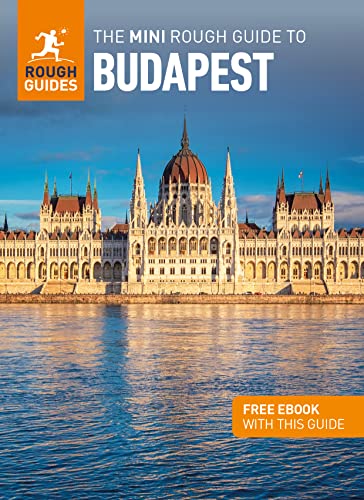
- TLR Rank8.4
TLR Rank is a ranking system developed by TravelLuggageReviews.com. TLR Rank has no relationship or impact from any manufacturers or sales agent websites. Learn more
- BrandRough Guides

- TLR Rank7.6
TLR Rank is a ranking system developed by TravelLuggageReviews.com. TLR Rank has no relationship or impact from any manufacturers or sales agent websites. Learn more
- BrandLonely Planet

- TLR Rank-
TLR Rank is a ranking system developed by TravelLuggageReviews.com. TLR Rank has no relationship or impact from any manufacturers or sales agent websites. Learn more
- BrandN/A

- TLR Rank-
TLR Rank is a ranking system developed by TravelLuggageReviews.com. TLR Rank has no relationship or impact from any manufacturers or sales agent websites. Learn more
- BrandN/A
Last update on 2026-10-30 / Affiliate links / Images, Product Titles, and Product Highlights from Amazon Product Advertising API
The Short Version
- Budapest is one of the safest capital cities in Europe, and violent crime against tourists is extraordinarily rare.
- Your main safety concern is basic pickpocketing or bag snatching on crowded public transit lines and around popular historic monuments.
- Taxi overcharging and inflated bar bills happen in entertainment areas, but using verified rideshare apps and reviewing drink menus prevents these problems.
- Solo travelers, including women exploring on their own, can comfortably walk through central tourist neighborhoods at night by staying on well-lit main streets.
The Reality of Violent Crime and Street Danger
Budapest consistently ranks among the safest urban destinations in Europe. Violent crime, including armed muggings, physical assaults, and random street attacks, is extremely rare against tourists. You can walk through central tourist neighborhoods or main hotel strips without worrying about personal safety.
Many American visitors feel uneasy due to regional news headlines or unfamiliarity with Central Europe. However, everyday life across Budapest is calm, stable, and orderly. An official travel advisory or safety warning issued by government authorities consistently places Hungary in the lowest risk tier, advising visitors to practice standard common-sense awareness.
Municipal police maintain an active, visible presence near major monuments, transit hubs, and government squares. Local families, university students, and seniors walk through public parks and ride the subway well into the evening. You will notice a relaxed street culture where people dine outside along the riverfront long after dark.
If you are planning your departure and initially looked into where to travel without a US passport, keep in mind that Hungary requires standard overseas preparation. You will need a passport valid for six months past your departure date, but you will not need defensive street habits.
Pickpocket Hotspots and Public Transit Lines
The most common issue visitors face in Budapest is petty theft, specifically pickpocketing or bag snatching. Street thieves here do not use physical confrontation or weapons. Instead, they look for crowded areas, open bags, and travelers distracted by sightseeing.
Public transit lines are the main operational zones for opportunistic pickpockets. Tram 2 runs along the scenic Danube riverbank, where visitors focus on taking photos of the Parliament building instead of watching their belongings. Tram 4 and Tram 6 run around the clock along the Grand Boulevard, packing commuters and tourists tightly together during rush hour and weekend evenings.
Bustling shopping hubs like the Great Market Hall (Nagy Vásárcsarnok) and the pedestrian zone of Váci Street also attract pickpockets looking for unzipped bags. Escalators in busy metro stations and the concourses at Keleti railway station are other transit points where thieves watch for easy targets.
Use this checklist to keep your belongings safe in high-traffic areas:
- Pull your backpack or shoulder purse around to your chest before stepping onto crowded cars on Tram 2, Tram 4, or Tram 6.
- Keep your phone, wallet, and passport in a deep front pocket or an inner zippered jacket compartment rather than a loose rear pocket.
- Hold your bag firmly during the rush of people boarding subway cars, as thieves often create minor bottlenecks at the doors.
- Never drape your bag or camera over the back of your chair at open-air sidewalk restaurants.
- Carry only small amounts of the local Hungarian cash currency, the forint, for daily spending so you never display a thick wallet.
- Avoid setting your smartphone flat on outdoor dining tables where passersby can distract you and pick it up.
How to Bypass Taxi Traps and Nightlife Scams
Overcharging scams in Budapest primarily involve private drivers and certain nightlife venues. These schemes are frustrating and expensive, but they do not involve physical violence. Knowing how these operators work makes them easy to avoid entirely.
Transportation scams usually involve an unmarked cab, which is a private car posing as an official yellow taxi. These drivers wait near Keleti train station, river cruise docks, and late-night music clubs. They frequently refuse to run their meter, use altered meters that run too fast, or demand unreasonable cash fares upon arrival.
Nightlife traps are concentrated around District VII, the central nightlife and bar neighborhood. In a classic scam, friendly locals strike up a sidewalk conversation with solo tourists and recommend walking to a nearby bar for drinks. Once inside, the venue presents an outrageous bill for several hundred dollars, backed up by intimidating security guards who demand immediate payment.
Follow these numbered steps to avoid transport and nightlife overcharging:
- Never accept rides from drivers offering service inside train stations, and never hail a random car on the street.
- Book all rides through a licensed airport taxi or rideshare app on your smartphone, which tracks your route and locks in fair pricing.
- Verify that any cab you enter is painted bright yellow, displays an official company logo on the front doors, and lists fixed fare rates on the passenger window.
- Politely decline invitations from overly friendly strangers on the street who invite you to join them at a specific bar or lounge.
- Review the printed drink menu and prices before ordering at any late-night venue in District VII, and request an itemized receipt in the local Hungarian cash currency, the forint.
Safe Neighborhoods Compared to Outer Pockets
Budapest is divided by the Danube River into two historic parts: Buda on the west bank and Pest on the east bank. Both sections contain secure tourist neighborhoods or main hotel strips, but they have distinct environments and noise levels.
Buda is hilly, residential, and very peaceful. District I holds the historic Castle District and Fisherman's Bastion. It features quiet cobblestone alleys, upscale restaurants, and almost zero street crime. Districts II and XI are similarly green and calm, making them wonderful areas for families or travelers wanting quiet evenings.
Pest is the flat, energetic center of urban life. District V, covering Belváros and Lipótváros, runs along the river and houses the Hungarian Parliament and high-end hotels. It is clean, heavily patrolled, and completely safe to walk at any hour. District VI borders the grand avenue of Andrássy út, offering wide sidewalks, cultural venues, and safe walking corridors day and night.
District VII is the central nightlife and bar neighborhood. While physical violence is rare here, the streets are noisy, crowded, and messy on weekend nights. It is full of energy, but travelers who dislike rowdy crowds and late-night bar noise should avoid staying directly on its party streets.
Outer District VIII, beyond the Grand Boulevard, is an area that requires more caution. While inner District VIII near the National Museum is fashionable and safe, outer sections can feel rundown and dimly lit after dark. The public plazas outside Keleti and Népliget stations can also attract lingering crowds at night.
Trip arrangements can sometimes change unexpectedly before you fly. Reviewing what is a travel waiver will help you understand flight change flexibility if your dates need adjustment.
Rules for Solo Travelers and Walking at Night
Solo travelers, including women traveling alone, find Budapest to be one of the most welcoming destinations in Europe. Street harassment, aggressive catcalling, and intimidation are noticeably lower here than in many other European capitals. You can walk comfortably along the river and through central squares at night without feeling targeted.
Staying safe after dark relies on standard personal awareness rather than special precautions. Central streets and tourist areas have bright street lighting, and the public transit network operates dependable night buses and trams across the city. Sticking to active areas ensures a smooth walk back to your hotel.
Follow these simple rules when moving around Budapest alone after dark:
- Walk along wide, well-lit main corridors like Andrássy Avenue, the Grand Boulevard, or the river promenade instead of deserted backstreets.
- Keep your smartphone in your bag rather than holding it out while walking through unfamiliar plazas.
- Limit your alcohol intake when exploring the ruin bars, as heavy drinking makes you an obvious target for pickpocketing.
- Store the universal European emergency phone number, 112, in your phone contacts in case you ever need English-speaking emergency services.
- Take a licensed airport taxi or rideshare app home if you are out late in an unfamiliar neighborhood or feel fatigued.
- Trust your gut instincts: if a quiet underpass or deserted park feels uncomfortable, walk an extra block to stay on a busy street.
Choosing Helpful Navigation Tools for Budapest
Pulling out an expensive smartphone at every street corner signals to opportunistic thieves that you are distracted and unfamiliar with your surroundings. Carrying a dedicated physical navigation resource, such as a compact city guidebook or a pocket street map, provides a discreet way to check your route without drawing attention.
When selecting a navigation tool for your trip, look for a lightweight, compact format that slides easily into an under-seat personal item, daypack, or jacket pocket. Choose an edition with detailed neighborhood street maps that clearly mark metro stations, tram lines, and major landmarks. Durable paper or a water-resistant coating is also useful, as it withstands daily folding and light rain while you explore the city on foot.
FAQs
Is tap water safe to drink in Budapest?
Yes, tap water safety across Budapest is excellent and meets strict European quality standards. The municipal water is clean, thoroughly monitored, and safe to drink from hotel faucets, apartment taps, and public drinking fountains. Carrying a reusable water bottle is an easy way to stay hydrated and save money while sightseeing.
Are the historic thermal baths safe for personal valuables?
Budapest thermal baths are safe, but you should take sensible precautions with your belongings. Bathhouses provide lockers or private changing cabins that lock with an electronic waterproof wristband. Leave expensive jewelry and extra electronics in your hotel room safe, and carry only your locker band, towel, and swimwear to the pools.
How do public transit ticket inspectors operate in Budapest?
Ticket inspectors wear armbands or badges and regularly check tickets at metro station entrances and onboard moving trams. You must validate your single paper ticket in the stamping machine immediately upon boarding or passing through the turnstile. If you travel without a validated ticket, inspectors will issue a mandatory on-the-spot fine in the local Hungarian cash currency, the forint.
What should you do in a medical or police emergency?
Dial 112 from any mobile phone for free to connect with an emergency dispatcher who speaks English. The 112 line handles police, ambulance, and fire services across Hungary. For non-urgent matters like reporting a missing item or minor theft for travel insurance paperwork, visit the nearest municipal police station during regular daytime hours.


Best Affordable Carry On Luggage 2026 - 11 Most Loving

The 12 Best Carry On Luggage For Bad Back 2026 - Top Choices

Best Tandem Double Buggy 2026 - 11 Best Rating

Top 12 Kids Rolling Suitcases for Fun and Easy Travel

The Ultimate Guide to Choosing the Best 8 Wheel Suitcase

Best Lightest carry on luggage with wheels in 2026

Top Airport Traveling Suitcases: Our 11 Best Picks

The Best Prams For Rough Terrain - (2026 Top Choice)










