is it safe to travel to dominican republic right now

Is it safe to travel to dominican republic right now depends less on one blanket answer and more on how the trip is planned, where nights are spent, and how much room is left for careless choices. Resort zones, popular beaches, and guided activities can feel relaxed, but petty theft, pushy street situations, road risks, and late-night decisions still deserve a raised eyebrow. So, yes, a trip can make sense, but it shouldn't be treated like a no-rules vacation bubble.
Smart travel habits matter a lot here because the difference between smooth and stressful often comes down to small moves. Keep flashy jewelry tucked away, use reputable transportation, avoid isolated areas after dark, and don't wander into unfamiliar neighborhoods just because a map says it's nearby. Geez, even a short walk can turn messy when poor lighting, confusion, and a phone in hand all show up at once.
Resort safety is usually easier to manage than open-ended city exploring, especially in places with controlled entrances, staff support, and organized transport. That said, hotel grounds aren't magic shields, and valuables left on loungers, balconies, or rental cars can still grow legs. A locked room safe, a low-profile outfit, and a bit of common sense can do more than a suitcase full of travel gadgets.
Health preparation also belongs in the conversation, not as a scare tactic, but as plain old trip hygiene. Mosquito protection, bottled or properly treated water, food caution outside polished tourist areas, and travel insurance with medical coverage can save a vacation from going sideways. Also, anyone heading beyond beach corridors should think carefully about rural routes, pharmacy access, and whether medical care nearby matches the trip's comfort level.
Local transportation deserves special attention because traffic can feel chaotic, road markings may be inconsistent, and motorcycle movement can surprise even seasoned travelers. Renting a car sounds freeing, sure, but it can add stress if driving style, parking security, and unfamiliar roads aren't part of the plan. Private transfers, licensed taxis, and hotel-arranged rides may cost more, but they often cut down on avoidable headaches.
Beach towns and city stops call for different safety instincts. Punta Cana may feel polished and vacation-ready, while Santo Domingo asks for sharper awareness around crowded streets, nightlife areas, and public spaces. The trick isn't paranoia, it's staying switched on without letting fear run the whole show.
Travel to the Dominican Republic can still be enjoyable for people who like warm beaches, music, food, and easy resort routines, but it rewards planning over winging it. Keep documents backed up, share plans with someone trusted, avoid risky shortcuts, and treat unfamiliar invitations with caution. Do that, and the trip has a much better shot at feeling like a real break instead of a lesson learned the hard way.

- TLR Rank10.0
TLR Rank is a ranking system developed by TravelLuggageReviews.com. TLR Rank has no relationship or impact from any manufacturers or sales agent websites. Learn more
- BrandMajosta

- TLR Rank9.2
TLR Rank is a ranking system developed by TravelLuggageReviews.com. TLR Rank has no relationship or impact from any manufacturers or sales agent websites. Learn more
- BrandNational Geographic

- TLR Rank9.0
TLR Rank is a ranking system developed by TravelLuggageReviews.com. TLR Rank has no relationship or impact from any manufacturers or sales agent websites. Learn more
- BrandNational Geographic

- TLR Rank9.0
TLR Rank is a ranking system developed by TravelLuggageReviews.com. TLR Rank has no relationship or impact from any manufacturers or sales agent websites. Learn more
- BrandFodor's Travel

- TLR Rank7.0
TLR Rank is a ranking system developed by TravelLuggageReviews.com. TLR Rank has no relationship or impact from any manufacturers or sales agent websites. Learn more
- BrandN/A

- TLR Rank-
TLR Rank is a ranking system developed by TravelLuggageReviews.com. TLR Rank has no relationship or impact from any manufacturers or sales agent websites. Learn more
- BrandN/A

- TLR Rank-
TLR Rank is a ranking system developed by TravelLuggageReviews.com. TLR Rank has no relationship or impact from any manufacturers or sales agent websites. Learn more
- BrandN/A

- TLR Rank-
TLR Rank is a ranking system developed by TravelLuggageReviews.com. TLR Rank has no relationship or impact from any manufacturers or sales agent websites. Learn more
- BrandN/A

- TLR Rank-
TLR Rank is a ranking system developed by TravelLuggageReviews.com. TLR Rank has no relationship or impact from any manufacturers or sales agent websites. Learn more
- BrandN/A

- TLR Rank-
TLR Rank is a ranking system developed by TravelLuggageReviews.com. TLR Rank has no relationship or impact from any manufacturers or sales agent websites. Learn more
- BrandN/A
Last update on 2026-08-12 / Affiliate links / Images, Product Titles, and Product Highlights from Amazon Product Advertising API
Is It Safe To Travel To Dominican Republic Right Now
A beach trip can look simple on the surface, then get complicated the moment safety headlines, resort choices, airport transfers, and late-night plans start piling up. That tension is exactly why is it safe to travel to dominican republic right now needs a careful answer instead of a lazy yes or no. The safer trip usually comes from smart routing, low-profile habits, and a realistic plan for where you’ll go after dark.
Dominican Republic Safety Now
Dominican Republic travel safety is best treated as manageable, not automatic. Popular resort areas can feel easygoing, especially around Punta Cana, Bayahibe, La Romana, and well-run hotel zones, but crime still exists around tourist routes. Official travel advisories continue to urge travelers to use increased caution because robbery, scams, and violent crime can happen, even where police presence is stronger. That doesn’t mean cancel every plan, but it does mean your trip needs more structure than “we’ll figure it out.”
Resort travel usually carries fewer moving parts than an open-ended city itinerary. Controlled entrances, arranged transportation, front-desk support, and guided excursions remove a lot of guesswork. Still, a resort bracelet isn’t armor, and valuables left on beach chairs, phones flashing at outdoor bars, or casual trust in strangers can create problems fast. Keep the shiny stuff quiet, use the room safe, and treat unfamiliar invitations with a little side-eye.
City visits call for sharper instincts because Santo Domingo, local markets, busier streets, and nightlife districts bring a different rhythm. Crowds can be fun, sure, but they also make pickpocketing, bag grabs, and confusion easier. Stick to reputable neighborhoods, keep rides arranged, and avoid wandering after dark just because the hotel looks close on a map. A short distance can feel very different once lighting, traffic, and unfamiliar streets join the party.
Travel confidence grows when the trip is built around fewer risky gaps. Book airport transfers before arrival, share your rough plans with someone back home, and keep copies of passports, insurance, and booking details stored separately. Pack light enough to move quickly, and to keep documents organized without digging through a messy suitcase, rely on best luggage for college student before your flight plan gets too cluttered. Small preparation choices can save a whole afternoon from going sideways.
Crime Risks Worth Taking Seriously
Petty theft is one of the most common worries because it sneaks into normal vacation moments. A phone on a café table, a wallet in a back pocket, or a beach bag left during a swim can attract exactly the kind of attention nobody wants. Don’t carry everything at once, don’t display cash, and don’t let vacation mode turn into carelessness. Simple, boring habits often do the heavy lifting.
Violent crime is the part travelers tend to either overplay or ignore completely. The practical middle ground is better. Avoid isolated beaches after dark, don’t meet people from apps or social media in private places, and skip unofficial rides from strangers offering a deal that sounds too smooth. A cheaper ride isn’t cheaper if it drags you into a stressful situation.
Scams and fraud deserve space in the plan, especially around ATMs, nightlife, taxis, and crowded tourist strips. Use ATMs inside banks, malls, hotels, or other controlled areas during daylight. Watch your card during payments, decline help from strangers at cash machines, and keep a backup card in a separate spot. That little bit of friction can protect the rest of the trip.
Personal safety also means paying attention to drinks, social settings, and how quickly a fun night can turn messy. Don’t leave drinks unattended, don’t accept open beverages from strangers, and don’t walk back alone through dim areas. Groups should agree on a ride plan before the night starts, not after everyone is tired and half their phones are low on battery. That’s not paranoia, that’s keeping the wheels on.
Transportation Choices Can Make Or Break The Trip
Transportation safety may be the most underrated part of planning a Dominican Republic vacation. Roads can feel unpredictable, motorcycles appear quickly, and local driving habits may be more aggressive than visitors expect. A recent tourist bus crash in a major travel corridor was a hard reminder that road risk isn’t just a side note. Daylight transfers, official taxis, rideshare where reliable, and hotel-arranged transport reduce the number of surprises.
Airport arrivals are where good decisions start. Tired travelers are easier targets for confusion, overcharging, and bad choices because everyone just wants to get to the room already. Pre-booked transfers are boring in the best possible way. They also keep you from negotiating with random drivers while juggling bags, passports, and a half-working phone signal.
Rental cars can make sense for confident drivers with a clear route, but they’re not always worth the stress. Parking security, local road conditions, insurance questions, and night driving can turn “freedom” into a headache. For many trips, private transfers and planned excursions feel smoother than trying to decode every road sign and traffic habit yourself. Freedom is nice, but so is arriving calm.
Packing strategy matters because transportation gets harder when your bags slow you down. Two weeks of beachwear, dinner outfits, sunscreen, medication, and backup essentials can fill a suitcase fast, so plan the size before packing turns into chaos. For longer island stays, compare best size suitcase for 2 week trip so airport transfers, hotel moves, and return flights feel less clumsy. A bag that’s too big becomes its own travel problem.
Health, Weather, And Resort Reality Checks
Health preparation doesn’t need to be dramatic, but it does need to be real. Travelers should think about mosquito protection, hydration, sun exposure, food caution, and medical coverage before they land. Bottled or properly treated water is a safer habit outside trusted settings, and stomach trouble can ruin more plans than a delayed tour. Bring basic medication, but don’t treat a pharmacy run as your backup plan for everything.
Travel insurance is one of those dull purchases that suddenly feels brilliant when something goes wrong. Medical care, trip interruption, lost documents, and emergency transport can become expensive fast. Resort areas usually have more support than rural zones, but access still varies by location and timing. Read the policy instead of assuming every beach mishap is covered.
Weather and seasonal risks deserve attention because the Caribbean doesn’t run on your calendar. Hurricane season, heavy rain, rough water, and heat can change excursions, road conditions, and beach safety. A sunny forecast doesn’t cancel the need for flexible plans, especially if boat tours, remote beaches, or long transfers are involved. Build in wiggle room, because the island doesn’t owe anyone a flawless itinerary.
Resort incidents can happen even in polished vacation areas, from fires and evacuations to lost documents and sudden relocations. That’s a rare scenario, but it shows why passport copies, emergency contacts, embassy details, and travel insurance shouldn’t sit at the bottom of the checklist. Keep digital backups offline, leave one copy with someone trusted, and know where your documents are at night. Calm preparation beats panic digging every single time.
Smarter Itineraries For A Safer Trip
Safer itineraries usually keep movement simple, especially for first-time visitors. A resort base with selected day trips often works better than bouncing between too many locations. Each transfer adds decisions, bags, timing pressure, and new surroundings, which creates more chances for mistakes. Pick fewer places and enjoy them properly.
Night plans need more structure than daytime beach plans. Choose well-reviewed venues, use arranged rides both ways, and avoid drifting from one unfamiliar spot to another after midnight. Alcohol can make confidence louder than judgment, and that’s where trouble often sneaks in. Decide the return plan before the first drink, not after the last one.
Excursions should be booked through reputable operators, especially for boats, ATVs, waterfalls, remote beaches, and long drives. Cheap tours can sound tempting, but weak safety practices, unclear insurance, and poor equipment aren’t worth the few dollars saved. Ask about pickup points, timing, what’s included, and what happens if weather changes. A little questioning up front can prevent a messy day later.
Day bags help keep the essentials close without dragging half your room around. Sunscreen, water, copies of documents, a power bank, light layers, and basic medicine should be easy to grab. For beach excursions, gym stops, or quick hotel-to-tour movement, rely on best small gym duffel bag to keep the carry load practical. The goal is simple: carry enough, not everything.
How To Stay Safe In The Dominican Republic Right Now
Safe Dominican Republic travel gets easier when the trip stops being vague and starts becoming practical. After sorting out routes, transport, resort areas, health prep, and day-trip choices, the next layer is the daily rhythm that keeps small problems from snowballing. The big win is not acting scared; it’s staying alert without being tense, making calm decisions, and keeping your plans simple enough to manage.
Hotel Choices Shape The Whole Safety Feel
Hotel location matters more than a fancy lobby photo. A property in a well-reviewed beach zone with reliable transport, staffed entrances, and nearby services can make the trip feel smoother from the first day. A cheaper place far from the main strip may look tempting, but extra taxis, unclear pickup points, and quiet streets can erase those savings pretty quickly. Pick the stay that reduces friction, not the one that only looks good on a booking page.
Front-desk support can be a quiet safety tool. Ask which taxi services the hotel trusts, which areas are better skipped at night, and whether certain beaches or bars are easier with arranged rides. Staff usually know the difference between a normal tourist route and a place that gets awkward after dark. That local filter is worth using before curiosity pulls you into a messy detour.
Room security should be boring and consistent. Use the safe for passports, backup cards, and extra cash, then carry only what the day actually needs. Keep balcony doors locked, don’t leave electronics visible near windows, and avoid treating the room like a storage locker with the door half-latched. Tiny habits like these prevent the kind of avoidable loss that turns a beach day into paperwork.
Long-haul packing also affects safety because tired travelers make sloppy choices. A suitcase that opens cleanly, separates essentials, and rolls well through airports can keep documents and medication within reach. For smoother transfers after a long flight, plan around best suitcase needs before the airport rush hits. Less digging means fewer exposed valuables and fewer moments of frustration.
Money, Documents, And Phone Habits Need Discipline
Cash management should be split into small, boring pieces. Carry enough for meals, tips, and short rides, but leave the rest locked away with backup cards. Flashing a thick wallet or counting bills in public sends the wrong signal, especially in crowded tourist zones. A low-profile routine keeps attention where it belongs, which is anywhere but your pocket.
ATM safety deserves a little patience. Use machines inside banks, malls, hotels, or other controlled areas during daylight, and walk away if anyone crowds you or offers help. Cover the keypad, check for odd attachments, and put cash away before stepping outside. It’s not dramatic; it’s just the kind of travel muscle memory that keeps the day clean.
Passport copies and digital backups can save a lot of stress if something goes missing. Keep one photocopy separate from the original, store encrypted scans offline, and leave a copy with someone trusted back home. Your phone should also have hotel details, insurance contacts, and emergency numbers saved where they can be accessed without signal. A dead battery should never mean you’re stuck guessing.
Phone behavior is a bigger deal than many people think. Holding a phone out on busy sidewalks, filming constantly near roads, or navigating with the screen wide open can make you look distracted. Step inside a shop, hotel lobby, or calmer spot before checking directions. The less you advertise confusion, the easier it is to move with confidence.
Beach Days Still Need A Plan
Beach safety is not only about waves and sunscreen. Bags left alone, phones wrapped in towels, and drinks handed over without much thought can create trouble in a place that feels relaxed. Keep valuables minimal, rotate who watches items during swims, and use waterproof pouches only for what truly needs to come along. A beach day should feel loose, but not careless.
Water conditions can change faster than the mood on a sunny morning. Red flags, strong currents, rocks, and boat traffic all deserve attention, even if other people seem comfortable. Ask staff or lifeguards about current conditions before swimming far from shore. Confidence in the water is good; ignoring warning signs is just gambling in flip-flops.
Food and drink choices can make or break the next day. Busy restaurants with steady turnover are usually a safer bet than quiet stalls where food sits too long in the heat. Drink bottled or properly treated water outside trusted settings, and go easy on ice if the source is unclear. Stomach trouble sounds minor until it steals a tour day and pins you to the room.
Day-trip gear should stay lean. Sunscreen, water, a small towel, medication, a power bank, and a copy of your ID usually cover more real needs than a stuffed beach bag. Keep jewelry and extra cards back at the hotel, and don’t bring sentimental items to sand and saltwater. The fewer things you carry, the fewer things you can lose.
Nightlife Needs Clear Boundaries
Nightlife safety starts before anyone orders a drink. Choose the venue, arrange the ride, agree on the return plan, and keep the group together. Random bar hopping can sound fun at first, but unfamiliar streets and late-night confusion can turn that plan sour fast. A little structure keeps the fun from drifting into a bad call.
Drink awareness should be non-negotiable. Keep your drink in sight, avoid open drinks from strangers, and don’t leave a friend alone because the night feels harmless. If something feels off, leave early and skip the debate. Pride is cheap; getting back safely is worth more.
Ride decisions matter more after dark because judgment gets fuzzy and streets feel different. Use hotel-arranged taxis, trusted apps where they operate well, or transportation set up before the night starts. Don’t accept random rides from people hanging around exits, even if the price sounds friendly. A few extra dollars for a known ride is money well spent.
Travel comparison habits help here too, especially for people used to structured destinations with clear transport systems. The Dominican Republic needs a different level of planning than places where trains and signage handle most of the work, so borrow ideas from best travel luggage planning and keep movement organized. Smooth travel is often less about bravery and more about reducing loose ends.
Local Culture, Boundaries, And Everyday Courtesy
Respectful behavior lowers friction in almost every travel setting. Learn a few Spanish phrases, greet people politely, and avoid acting like every local interaction is a negotiation or a threat. Firm boundaries can still be friendly. A calm “No, thank you” works better than a dramatic reaction in most situations.
Street vendors can be persistent in busy tourist areas, but that doesn’t require rudeness. Say no clearly, keep walking, and avoid getting pulled into long conversations if you’re not interested. The longer the back-and-forth continues, the harder it can be to leave cleanly. Simple, steady, and polite usually wins.
Photography manners matter too. Don’t point cameras at people, private homes, markets, or security areas without thinking. Ask first when the subject is clear, especially outside resort zones. A phone camera can feel harmless to the person holding it, but not to the person being filmed.
Local awareness also means noticing tone, crowd movement, and the way a place feels after the sun drops. If shops are closing, streets are thinning, or a route feels too quiet, change plans without making a big production of it. Smart travelers adjust early. Waiting until discomfort becomes obvious is how small problems get legs.
Realistic Safety Expectations Before Booking
Travel risk never disappears completely, and that’s true in the Dominican Republic, the United States, Europe, or anywhere else people gather with phones, cash, and vacation excitement. The better question is whether the risks are manageable for the type of trip being planned. Resort stays with arranged rides and daytime excursions are easier to manage than open-ended nights, remote beaches, and unplanned city wandering. Match the itinerary to your comfort level instead of copying someone else’s vacation style.
Budget pressure can push travelers into weaker choices. The cheapest room, the unofficial driver, the random tour seller, and the faraway rental can all look like smart savings until something gets complicated. Spend where safety and convenience overlap, especially on transport, location, and insurance. Cut costs on souvenirs, not on the pieces that protect the trip.
Group travel creates its own tradeoffs. Bigger groups can feel safer, but they also split attention, slow decisions, and make it easier for someone to wander off. Set simple rules before leaving the hotel: stay paired, share live location when possible, and check in before changing plans. Nobody wants to play detective on vacation.
Is it safe to travel to dominican republic right now comes down to smart boundaries, not blind confidence. The country can offer warm beaches, lively food, music, and a welcome break from routine, but it rewards travelers who plan the unglamorous details. Keep transportation controlled, keep valuables quiet, respect local advice, and avoid late-night improvising. That’s the practical lane where a trip has room to feel relaxed without becoming reckless.


9 Best Travel Camping Table of 2026 For Uneven Ground

12 Best Heavy Duty Camping Table of 2026 That Will Not Wobble or Sag
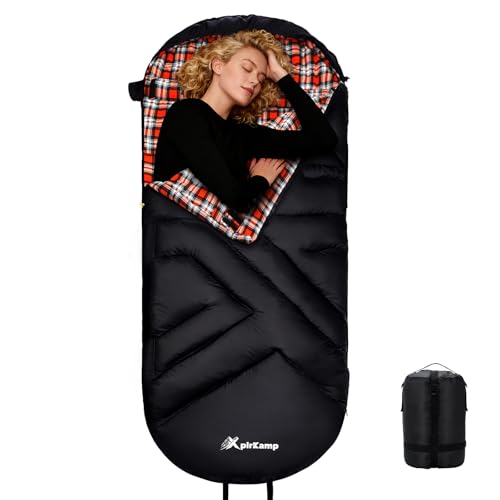
10 Best Sleeping Bags For Tall People of 2026 To Stretch Out Fully
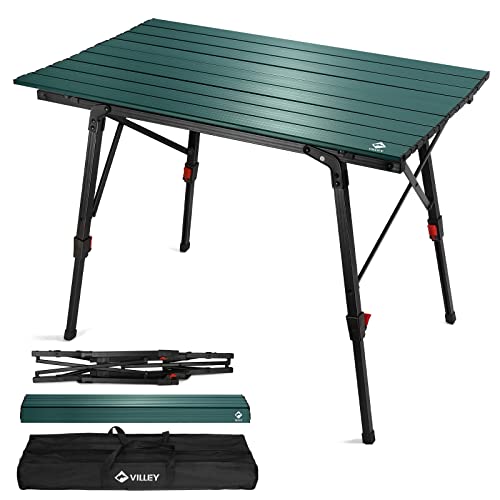
8 Best Camping Table Adjustable Legs of 2026 for Uneven Ground

10 Best Diaper Bag Backpacks For Dads of 2026 With Fast Gear Access

11 Best Framed Luggage of 2026 For Zipperless Security

11 Best Folding Two Wheeler For Luggage of 2026 To Prevent Tipping

11 Best Expandable Roller Luggage of 2026 That Fit Overhead Bins