
Is It Safe to Travel to Germany in 2026?

There is no need to worry about personal safety when visiting Germany today. The country is very safe to visit right now, and violent crime remains remarkably rare across both major cities and quiet rural towns. Most trips go off without a hitch, even for solo travelers navigating the country for the first time.
What matters most is watching out for a few practical hassles along the way. Pickpockets tend to target crowded central train stations and popular tourist squares, so keeping your phone and wallet secured in a zipped bag makes a huge difference. Travelers should also steer clear of large political demonstrations and check train schedules early, since occasional union strikes can pause rail service. Here is an honest look at the real risks and how to move around Germany with total confidence.

- TLR Rank10.0
TLR Rank is a ranking system developed by TravelLuggageReviews.com. TLR Rank has no relationship or impact from any manufacturers or sales agent websites. Learn more
- BrandN/A

- TLR Rank9.6
TLR Rank is a ranking system developed by TravelLuggageReviews.com. TLR Rank has no relationship or impact from any manufacturers or sales agent websites. Learn more
- BrandRick Steves

- TLR Rank9.6
TLR Rank is a ranking system developed by TravelLuggageReviews.com. TLR Rank has no relationship or impact from any manufacturers or sales agent websites. Learn more
- BrandRick Steves

- TLR Rank9.4
TLR Rank is a ranking system developed by TravelLuggageReviews.com. TLR Rank has no relationship or impact from any manufacturers or sales agent websites. Learn more
- BrandDK

- TLR Rank9.0
TLR Rank is a ranking system developed by TravelLuggageReviews.com. TLR Rank has no relationship or impact from any manufacturers or sales agent websites. Learn more
- BrandNational Geographic

- TLR Rank8.8
TLR Rank is a ranking system developed by TravelLuggageReviews.com. TLR Rank has no relationship or impact from any manufacturers or sales agent websites. Learn more
- BrandLonely Planet

- TLR Rank8.8
TLR Rank is a ranking system developed by TravelLuggageReviews.com. TLR Rank has no relationship or impact from any manufacturers or sales agent websites. Learn more
- BrandRick Steves
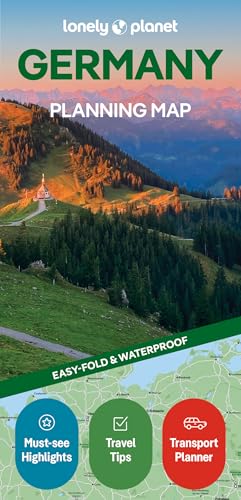
- TLR Rank6.0
TLR Rank is a ranking system developed by TravelLuggageReviews.com. TLR Rank has no relationship or impact from any manufacturers or sales agent websites. Learn more
- BrandLonely Planet

- TLR Rank-
TLR Rank is a ranking system developed by TravelLuggageReviews.com. TLR Rank has no relationship or impact from any manufacturers or sales agent websites. Learn more
- BrandN/A

- TLR Rank-
TLR Rank is a ranking system developed by TravelLuggageReviews.com. TLR Rank has no relationship or impact from any manufacturers or sales agent websites. Learn more
- BrandN/A

- TLR Rank-
TLR Rank is a ranking system developed by TravelLuggageReviews.com. TLR Rank has no relationship or impact from any manufacturers or sales agent websites. Learn more
- BrandN/A

- TLR Rank-
TLR Rank is a ranking system developed by TravelLuggageReviews.com. TLR Rank has no relationship or impact from any manufacturers or sales agent websites. Learn more
- BrandN/A
Last update on 2026-10-28 / Affiliate links / Images, Product Titles, and Product Highlights from Amazon Product Advertising API
Book your trip with confidence because day-to-day danger is very low
You can travel to Germany with peace of mind. Scary international headlines often make Europe sound unstable, but the day-to-day reality on the ground tells a very different story. Violent crime across German cities remains remarkably low compared to major American cities. Millions of international visitors, business travelers, and solo explorers arrive each year without running into any safety problems.
If you see an official government warning before you depart, keep the wording in perspective. Official travel advisory notices from foreign offices often tell visitors to exercise increased caution due to the threat of terrorism. This language sounds alarming on paper, but authorities assign this same standard baseline caution to nearly all Western European nations, including France, the United Kingdom, and Italy. It reflects an active, watchful security posture by local police rather than an active danger zone in the streets.
German streets, historical sights, and outdoor plazas feel peaceful and orderly. You will regularly see parents walking with strollers in the evening, seniors relaxing outside neighborhood bakeries, and students taking public transit across town after dark. Police maintain an active, visible presence in crowded hubs, and public infrastructure works reliably. You do not need to cancel your vacation or hide out in your hotel room.
Preparing for your trip is really about staying organized rather than dodging physical threats. Make sure your passport is valid for six months beyond your travel dates, keep a backup credit card in your luggage, and learn how local transit operates. Once you land, simple everyday awareness will let you focus on enjoying the castles, food, and scenery with complete confidence.
Separate scary news headlines from the real threat of pickpocketing
News broadcasts focus on dramatic, rare events while ignoring quiet daily life. When television networks talk about geopolitical tensions, broad security alerts, or street protests, it is easy to assume that walking down a city avenue is hazardous. In real life, foreign visitors almost never encounter physical aggression, weapon violence, or targeted assaults in Germany.
The actual risk you face on vacation is pickpocketing and bag snatching. Opportunistic thieves target distracted tourists who leave smartphones sitting on cafe tables, walk through crowded markets with open backpacks, or look confused while buying transit tickets. These thieves look for easy, quiet opportunities rather than confrontation. They want to slip away with an unattended wallet long before you realize it is missing.
You might also run across street protests and demonstrations in major city centers. Public rallies are a regular, legally protected part of German civic life. Labor groups, political parties, and environmental organizations gather frequently near parliament halls, universities, and open plazas. German police manage these events closely to keep crowds orderly. If you encounter a loud group holding signs and banners, the safest response is simple: stay on the sidewalk, avoid joining the crowd, and walk down an adjacent street.
Transport union strikes are another headline event that causes unnecessary worry. Rail workers, airport security staff, and local bus drivers occasionally walk off the job during wage disputes. These labor disputes cause annoying flight cancellations and train delays, but they pose zero physical danger. If a sudden union walkout disrupts your flight schedule, knowing what is a travel waiver can help you change your ticket dates without paying steep penalty fees.
Stay alert around major train stations and busy tourist plazas
Most neighborhoods in German towns are clean, quiet, and safe to explore. However, specific transit hubs and high-density tourist areas attract opportunistic property crime. Central train stations, known locally as the Hauptbahnhof, are the busiest crossroads in any German city. The interior concourses of these stations feature heavy security, plenty of transit staff, and well-lit bakeries, but the blocks directly outside can feel gritty.
The streets immediately surrounding the main railway stations in cities like Frankfurt, Hamburg, and Berlin often attract panhandlers, visible drug use, and noisy groups hanging around late at night. These groups rarely bother tourists who are walking past, but the setting can make travelers feel uncomfortable. If you arrive by train late in the evening, walk with clear purpose toward a licensed airport taxi or rideshare app pickup point rather than wandering through nearby side alleys.
Crowded tourist plazas also require your attention. Famous landmarks like the Brandenburg Gate in Berlin, the square around Cologne Cathedral, and Marienplatz in Munich bring together huge crowds. Because visitors are busy looking up at historic buildings or snapping photos, thieves use the bustle to reach into unguarded pockets.
Use this quick location checklist to keep your belongings secure in high-traffic zones:
- Central train stations after dark: Walk directly through the main hall, stay near well-lit storefronts, and arrange transport to your hotel ahead of time.
- Major sightseeing squares: Keep your bags zipped, swing your daypack around to your front in tight crowds, and ignore people trying to stop you with clipboards.
- Platforms on trains, subways, trams, and buses: Avoid standing directly next to train doors while looking down at your phone, because thieves often grab devices right before the doors shut.
- Outdoor cafes and beer gardens: Never hang your purse on the back of your chair facing an open sidewalk, and avoid leaving your wallet sitting on the dining table.
Protect your phone and wallet using simple street habits
Preventing theft on your trip does not require special tactical gear or constant anxiety. Making a few basic adjustments to how you manage your belongings will steer you clear of almost every common street scam. Thieves look for careless targets, so adding a little friction makes them move on to someone else.
- Carry valuables in front pockets or a zipped cross-body bag. Never keep your phone or wallet in your back pocket where someone can slip it out unnoticed. If you carry a daypack, place your money and passport inside an interior zipped compartment rather than an exterior slip pocket.
- Keep your phone in your pocket while dining outside. A common distraction scheme involves someone approaching your outdoor table holding a large clipboard or folded newspaper. They place the paper directly over your phone while speaking loudly to confuse you, grab the device underneath the paper, and quickly walk away.
- Keep your luggage touching your body on public transit. When riding regional trains or airport shuttles, rest your foot against your rolling bag or keep personal items directly on your lap. If you must use an overhead luggage rack, place your bag on the rack across the aisle so you can watch it at every station stop.
- Walk away from clipboard signers and street games. In busy plazas, individuals may approach asking you to sign petitions for fake charities or play quick shell games on cardboard boxes. These setups exist purely to take your cash or distract you while an accomplice works your pockets. Give a polite but firm "no" and keep walking.
- Separate your payment methods before you head out each morning. Leave one credit card, a secondary identity card, and some emergency cash in your hotel room safe. Carry only one payment card and the cash you need for the day. If an issue occurs, you will still have the money and identification needed to continue your trip smoothly.
Entry rules require simple preparation as well. Always verify that your passport remains valid for at least six months past your arrival. If an expiring document disrupts your European vacation, you can explore where to travel without a US passport for easy alternatives that do not require waiting on passport renewal processing.
Save emergency numbers and consular contacts before you leave
Knowing exactly who to call gives you tremendous confidence while traveling far from home. Emergency response teams in Germany are quick, professional, and well trained. You do not need to memorize complicated regional codes, because simple national numbers cover the entire country.
Review this short emergency checklist and save these details in your smartphone before boarding your flight:
- Call 110 for police help: Dial 110 anywhere in Germany to report crimes, traffic accidents, or suspicious activity. Dispatch operators in major cities and transit centers speak English.
- Call 112 for medical and fire rescue: This toll-free number connects you directly to emergency medical technicians and fire crews. Dial 112 for severe injuries, sudden medical emergencies, or fire reports.
- Locate hospital emergency rooms (Notaufnahme): If you fall ill or sustain an injury that does not require an ambulance, you can walk into any hospital emergency department. Medical staff will provide care first and coordinate insurance or billing paperwork afterward.
- Find an on-duty late-night pharmacy (Notdienst Apotheke): German pharmacies rotate after-hours duties so that every neighborhood has access to emergency medicine overnight and on Sundays. Every pharmacy posts the address of the nearest open night pharmacy in its front window.
- Record United States embassy and consulate information: The primary embassy sits in Berlin, with general consulates operating in Frankfurt, Munich, Düsseldorf, and Leipzig. Consular officers assist travelers who lose passports, face legal emergencies, or need urgent contact with family back home.
FAQs
Is public transportation in Germany safe to ride late at night?
Trains, subways, trams, and buses are generally safe across Germany at all hours of the night. You will see solo travelers, students, and workers using late-night lines without issue. If a station platform feels lonely or uncomfortable late at night, wait in well-lit areas and board the front car near the train driver.
How do transit strikes affect safety and travel plans?
Transit strikes in Germany cause schedule disruptions, route cancellations, and crowded ticket counters, but they never threaten your physical safety. Unions announce planned labor walkouts several days in advance, giving you time to adjust flight dates or switch to alternative bus routes. Check regional transit apps each morning to confirm that your routes are operating normally.
Is tap water safe to drink in German hotels and restaurants?
Tap water across Germany meets exceptionally strict safety standards and is completely clean to drink in hotels, apartments, and private homes. You can fill your personal water bottle straight from the tap without worry. Keep in mind that sit-down restaurants usually serve bottled mineral water for a charge, so you must ask specifically for tap water if you prefer it with your meal.
Is Germany safe for solo female travelers?
Germany ranks among the safest destinations in the world for women traveling alone. Violent crimes against tourists are rare, and street harassment is far less common than in many other major travel hubs. Standard travel habits, such as staying on well-lit streets late at night and keeping a charged smartphone, are all you need to enjoy a secure trip.
What should you do if your passport or wallet goes missing?
Go to the nearest local police station right away to file an official report, which you will need for replacement travel documents and insurance claims. Next, freeze your bank cards through your banking mobile apps to prevent unauthorized charges. Finally, schedule an appointment with the nearest United States consulate or embassy to obtain an emergency travel passport.


Best Affordable Carry On Luggage 2026 - 11 Most Loving

The 12 Best Carry On Luggage For Bad Back 2026 - Top Choices

Best Tandem Double Buggy 2026 - 11 Best Rating

Top 12 Kids Rolling Suitcases for Fun and Easy Travel

The Ultimate Guide to Choosing the Best 8 Wheel Suitcase

Best Lightest carry on luggage with wheels in 2026

Top Airport Traveling Suitcases: Our 11 Best Picks

The Best Prams For Rough Terrain - (2026 Top Choice)










