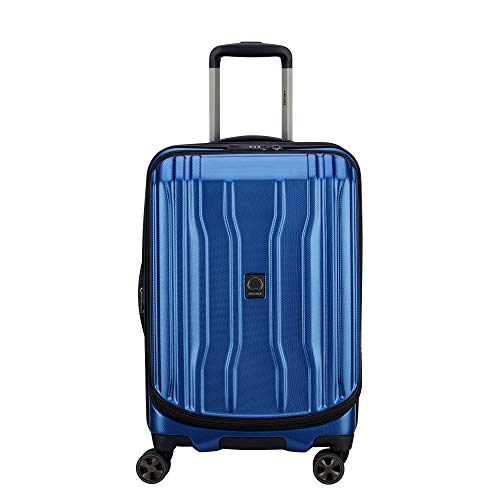
Is It Safe To Travel To Ghana Africa?

Is it safe to travel to Ghana Africa is the kind of question that deserves a straight answer, not sugarcoating or scare tactics. Ghana is often viewed as one of the more approachable destinations in West Africa, with warm hospitality, lively cities, coastal history, national parks, food culture, and a travel rhythm that feels bold without being impossible to handle. Still, safe travel here depends on smart choices, because petty theft, traffic headaches, crowded markets, unfamiliar health routines, and uneven infrastructure can turn a good trip sideways if you wing it. So, the real answer is practical: Ghana can be rewarding and manageable, but preparation matters.
Travel safety in Ghana usually comes down to everyday awareness rather than constant alarm. Busy areas in Accra, Kumasi, Cape Coast, and transport hubs can feel energetic, noisy, and a little chaotic, especially for someone used to cleaner traffic rules or quieter streets. Keep valuables tucked away, avoid flashing cash or expensive gear, and treat late-night movement with caution, because that’s where small mistakes can grow legs. Well, it’s not about being paranoid; it’s about moving like someone who knows the room.
Health planning deserves serious attention before the suitcase even comes out. Malaria prevention, yellow fever entry rules, food hygiene, bottled or treated water, and basic travel insurance are not boring details; they’re the quiet stuff that keeps a trip from becoming a mess. Street food can be fantastic, but a sensitive stomach won’t care how good the spice smells if hygiene looks shaky. Pack common medicines, use mosquito protection, and don’t treat tropical heat like a background detail, because dehydration sneaks up fast.
Road safety may be the biggest practical concern for many trips across Ghana. Traffic can be dense, driving habits may feel aggressive, and long-distance travel can take more energy than the map suggests. Using trusted drivers, reputable transport options, and daytime travel for longer routes can make the experience feel far less stressful. A little patience goes a long way here, especially when schedules bend, roads change, or plans need a quick reset.
Local respect also plays a bigger role than many people expect. Ghanaian culture is friendly, but greetings, modest behavior in certain areas, asking before photographing people, and dressing with a bit of common sense can smooth out awkward moments. Markets, beaches, festivals, and historic sites all have their own tempo, and reading the room helps more than any travel hack. Honestly, good manners are a safety tool too, because they reduce friction before it starts.
Is it safe to travel to Ghana Africa has no one-size-fits-all answer, but the better framing is this: Ghana is a destination for careful, curious travel, not careless drifting. Plan your transport, protect your health, watch your belongings, respect local customs, and keep backup money and documents separate. Do that, and the trip can feel rich, grounded, and full of color rather than stressful. Skip those basics, though, and even a friendly place can test your patience in a hurry.

- TLR Rank10.0
TLR Rank is a ranking system developed by TravelLuggageReviews.com. TLR Rank has no relationship or impact from any manufacturers or sales agent websites. Learn more
- BrandN/A

- TLR Rank10.0
TLR Rank is a ranking system developed by TravelLuggageReviews.com. TLR Rank has no relationship or impact from any manufacturers or sales agent websites. Learn more
- BrandN/A

- TLR Rank9.4
TLR Rank is a ranking system developed by TravelLuggageReviews.com. TLR Rank has no relationship or impact from any manufacturers or sales agent websites. Learn more
- BrandN/A

- TLR Rank9.2
TLR Rank is a ranking system developed by TravelLuggageReviews.com. TLR Rank has no relationship or impact from any manufacturers or sales agent websites. Learn more
- BrandGlobe Pequot Press

- TLR Rank9.2
TLR Rank is a ranking system developed by TravelLuggageReviews.com. TLR Rank has no relationship or impact from any manufacturers or sales agent websites. Learn more
- BrandCeptics

- TLR Rank8.6
TLR Rank is a ranking system developed by TravelLuggageReviews.com. TLR Rank has no relationship or impact from any manufacturers or sales agent websites. Learn more
- BrandBradt Travel Guides

- TLR Rank8.0
TLR Rank is a ranking system developed by TravelLuggageReviews.com. TLR Rank has no relationship or impact from any manufacturers or sales agent websites. Learn more
- BrandN/A

- TLR Rank2.0
TLR Rank is a ranking system developed by TravelLuggageReviews.com. TLR Rank has no relationship or impact from any manufacturers or sales agent websites. Learn more
- BrandN/A

- TLR Rank-
TLR Rank is a ranking system developed by TravelLuggageReviews.com. TLR Rank has no relationship or impact from any manufacturers or sales agent websites. Learn more
- BrandN/A

- TLR Rank-
TLR Rank is a ranking system developed by TravelLuggageReviews.com. TLR Rank has no relationship or impact from any manufacturers or sales agent websites. Learn more
- BrandN/A
Last update on 2026-08-10 / Affiliate links / Images, Product Titles, and Product Highlights from Amazon Product Advertising API
Is It Safe To Travel To Ghana Africa
A smooth trip can fall apart over tiny things: a rushed taxi choice, a loose phone in a crowded market, a bottle of tap water grabbed without thinking, or a long road ride planned too late in the day. That is why is it safe to travel to ghana africa needs a practical answer instead of a dramatic one. Ghana can feel warm, colorful, and surprisingly easy to enjoy, but smart preparation, health awareness, and street-level caution make the difference between a trip that flows and one that keeps poking you in the ribs.
Ghana Travel Safety
Ghana travel safety is mostly about managing everyday risks rather than walking around with your shoulders up. Accra, Kumasi, Cape Coast, and other busy areas have plenty of welcoming moments, but crowds, traffic, and unfamiliar routines can test your patience fast. A traveler who keeps valuables low-key, uses trusted transport, and avoids wandering alone late at night usually has a smoother time. That doesn’t mean being scared; it means being switched on without acting stiff.
The first thing to accept is that Ghana is not one single travel experience. A beach town, a capital city neighborhood, a historic fort, a festival crowd, and a rural road all ask for different habits. You may feel relaxed in one place and need sharper awareness in another, sometimes on the same day. That shift catches people off guard, especially if they expect every destination to behave like a resort zone.
Petty theft is the kind of nuisance that can spoil the mood, even if it does not define the country. Phones, wallets, camera bags, and loose backpacks draw attention in packed markets, bus stations, nightlife areas, and traffic stops. Keep cash split in different places, carry only what you need for the day, and avoid turning your phone into a glowing invitation on the street. Small habits, done consistently, can save you from a big headache.
Official travel advice often points travelers toward caution around crime, road safety, health preparation, and changing local conditions. That should not scare you away by itself, but it should nudge you into planning like an adult. Save emergency contacts, know your lodging address, keep copies of documents, and avoid making every decision on the fly. Ghana rewards curiosity, but it still expects a bit of common sense at the door.
Street Smarts In Accra And Beyond
Accra can feel bold from the first hour: horns, vendors, heat, music, traffic, and people moving with purpose. That energy is part of the appeal, yet it can also make newcomers forget basic judgment. Keep bags zipped and in front of you in crowded areas, especially around markets, transport hubs, and nightlife districts. The goal is not to look nervous; the goal is to avoid looking like an easy mark.
Taxi and ride choices deserve more attention than people expect. A trusted driver, hotel-arranged ride, or reputable ride-hailing option usually beats hopping into a random vehicle after dark. Confirm the route before leaving, check the plate, and share your location if you’re heading somewhere unfamiliar. Safe transport sounds boring until it becomes the reason your evening stays easy.
Markets are a joy, but they can be a lot. Makola Market, craft stalls, food corners, and roadside shopping areas may pull your attention in ten directions at once. Keep your phone secure, bargain with humor, and avoid letting strangers handle your belongings unless there’s a clear reason. For a smoother packing setup before long market days or coastal trips, build a tidy toiletry routine with how to pack liquids in checked luggage so spills and security hassles don’t add extra stress.
Nightlife needs a slightly tighter plan. Go out with people you trust, keep your drink in sight, and arrange the ride home before the night gets messy. Avoid carrying your passport unless there’s a real need, and use a copy or photo where practical. Low-drama choices are not boring; they keep the fun from turning into a story you wish you didn’t have.
Health Prep Before You Fly
Health planning sits near the top of any serious Ghana travel checklist. Tropical heat, mosquito exposure, food changes, and water safety can hit hard if you treat them casually. Yellow fever requirements, malaria prevention, routine vaccines, and travel insurance should be handled before departure, not while you’re already juggling bags at the airport. A little medical planning keeps the adventure from getting hijacked by avoidable problems.
Malaria prevention deserves real attention because mosquitoes are not just an evening annoyance. Use repellent, wear light long sleeves when needed, sleep with proper protection if your lodging calls for it, and speak with a medical professional about prevention options before your trip. Mosquito control is one of those habits that feels repetitive until you realize it’s doing quiet work every night. Skip it, and you’re gambling for no good reason.
Food can be one of the best parts of Ghana, from jollof rice and kelewele to grilled fish and stews with real depth. Still, a sensitive stomach does not care how tempting a plate looks if hygiene is shaky. Choose busy food spots where ingredients turn over quickly, drink bottled or treated water, and be cautious with ice if you’re unsure how it was made. Food safety does not mean eating bland meals; it means choosing with your eyes open.
Heat and dehydration sneak up on travelers who try to power through the day. Ghana’s weather can make short walks feel heavier than expected, especially with a backpack, camera, or shopping bags. Carry water, slow your pace, and plan breaks before your body starts complaining. Travel stamina is not about proving toughness; it is about staying comfortable enough to enjoy the place you came to see.
Packing Choices That Reduce Stress
Packing for Ghana should be built around heat, movement, security, and simple daily access. A bag that feels fine at home may become annoying in crowded streets or humid weather. Lightweight clothing, modest options for cultural sites, sturdy sandals or shoes, and a compact day bag can make your days feel less fussy. The best packing choices are the ones you barely think about once you arrive.
A smaller travel bag often beats a bulky setup for city days, short rides, and market wandering. Keep sunscreen, hand sanitizer, water, a power bank, copies of documents, and a light layer within reach. For day trips where you don’t want luggage dragging behind you, a balanced carry setup like a best 25l backpack can help keep essentials close without turning every walk into a shoulder workout. Easy access matters more than flashy gear.
Checked luggage can still make sense for longer stays, especially if you are carrying extra shoes, dressier clothes, or items for varied regions. The trick is choosing a size that gives you room without making local transport awkward. A mid-size option such as a best luggage bag 24 inch fits many travel plans better than oversized baggage that becomes a chore on rough sidewalks or tight car trunks. Manageable luggage keeps the trip flexible.
Pack with theft prevention in mind too. Use plain bags instead of flashy ones, avoid dangling valuables from outer pockets, and keep your most important items in a secure inner compartment. A cheap backup phone or separate bank card can also reduce panic if something goes missing. Simple redundancy is not overthinking; it is travel insurance in everyday form.
Culture Respect And Local Confidence
Respectful behavior can make travel in Ghana feel noticeably smoother. Greetings matter, tone matters, and a little patience goes far in daily interactions. Rushing straight into demands can feel rude, even if you do not mean it that way. A friendly hello, a calm question, and a smile can open doors that impatience shuts fast.
Photography is one area where manners really count. Ask before taking close photos of people, market stalls, religious spaces, or private moments. Some places may allow photos freely, while others may expect permission or a fee. Photo etiquette keeps you from turning someone else’s normal day into your souvenir without consent.
Dress does not need to be stiff, but it should fit the setting. Beachwear belongs near the beach, not everywhere else, and more modest clothing works better for villages, religious spaces, and formal visits. Lightweight fabrics can still look put-together without making you roast in the heat. Cultural awareness is not about losing your style; it is about reading the room.
Money conversations also benefit from calm confidence. Bargaining may be normal in some markets, but aggressive haggling can sour the mood quickly. Know the rough price range, keep smaller bills handy, and do not flash a thick wad of cash. Fair negotiation feels better for everyone and helps you avoid the awkward dance of overpaying wildly or arguing over pennies.
How To Stay Safe While Traveling Through Ghana Africa
After the basics are handled, the next layer is about moving through Ghana with calm confidence instead of guessing your way through each day. The question is it safe to travel to ghana africa becomes easier to answer once your transport, documents, money, and health habits are already in place. Small decisions stack up quickly, especially during long travel days, crowded stops, or moments when heat and fatigue make you less sharp.
Plan Your Movement Before The Day Gets Messy
Daily movement can shape the whole mood of a Ghana trip. A route that looks simple on a map may take longer because of traffic, road conditions, weather, or local delays. Build extra breathing room into your plans, especially if you need to reach an airport, bus station, ferry point, or guided tour. Rushing makes travelers careless, and careless travel is where small risks start getting noisy.
Morning departures usually feel easier for longer rides because there is more daylight to work with. Daytime travel gives you better visibility, more options if plans shift, and less pressure if a road slows down. Late arrivals can still happen, but planning around daylight helps reduce stress. It also gives you more time to check into lodging, inspect the room, and get your bearings before dinner.
Keep a simple backup plan for transport. Save your hotel address offline, carry small cash, and keep your phone charged before leaving busy areas. A compact power bank can be worth its weight on a long day, especially if ride apps, maps, and messages are doing all the heavy lifting. Phone battery is not just convenience; it is part of your safety setup.
Luggage should not fight you during transfers. Cracked wheels, weak handles, or awkward weight can turn a normal airport exit into a sweaty mess, so pack with movement in mind. For smoother hotel changes or longer routes, compare practical rolling options like best lightweight 4 wheel luggage before the trip, especially if you prefer easier handling through terminals and paved areas. Mobility matters more than showing up with a bag that looks impressive but drags like a stubborn mule.
Protect Your Documents And Money
Document safety sounds dull until something goes missing. Keep your passport, backup cards, emergency cash, and travel insurance details separated instead of packed into one tempting pouch. Store digital copies somewhere secure, and keep printed copies in a different bag. That way, one lost item does not turn into a full-blown travel headache.
Cash still matters in many day-to-day situations, but carrying too much at once is asking for trouble. Split money between a wallet, a hidden pocket, and locked luggage at your lodging when possible. Use ATMs in safer, well-lit areas, preferably attached to banks or busy commercial spots. Money discipline keeps you from flashing more than the moment requires.
Cards can be useful, but do not assume every place will accept them smoothly. Payment machines may fail, connectivity may be spotty, and smaller vendors often prefer cash. Keep small bills handy for taxis, tips, markets, snacks, and quick purchases. Flexible payment habits reduce awkward moments and help you avoid pulling out a larger bundle in public.
Bag repairs are not something most travelers think about until a zipper splits or a wheel gives up mid-route. A strong suitcase can still take a beating during flights, transfers, and rough handling, so it helps to know what durable construction looks like. For travelers who care about frame strength and repair-minded design, best suitcase welder can fit naturally into pre-trip gear research. Reliable luggage will not solve every travel problem, but it can prevent a very annoying one.
Read Local Situations Without Overreacting
Situational awareness is the quiet skill that makes Ghana feel easier to navigate. You do not need to stare at everyone or act suspicious, but you should notice crowd density, lighting, exits, road noise, and who is paying too much attention to you. That kind of awareness becomes second nature after a few days. The trick is staying relaxed while still reading the room.
Busy beaches, festivals, nightlife streets, and markets can all feel exciting, but they are also places where distraction is common. Keep your phone close, avoid leaving bags on chairs, and be careful with strangers who push too hard for your attention. Most conversations are harmless, but pressure tactics can happen. Polite firmness is your friend, especially when a simple “No, thanks” needs to stay simple.
Scams may not always look dramatic. Sometimes they show up as inflated prices, vague guide offers, unofficial fees, or sudden “help” that turns into a demand for payment. Ask prices before agreeing, use official ticket points, and do not let anyone rush your decision. Clear boundaries keep small misunderstandings from growing teeth.
Local advice is valuable, but weigh the source. Hotel staff, licensed guides, trusted hosts, and experienced drivers can give useful warnings about routes, neighborhoods, or timing. Random street advice may still be friendly, but it should not override your own plan without a good reason. Good judgment means listening well without handing over control of your day.
Handle Lodging With A Practical Eye
Accommodation safety starts before check-in. Pick places with clear reviews, reachable staff, secure doors, and sensible access to transport. A cheap room far from reliable routes can cost more in stress, late-night rides, and wasted time. The better value is often the place that helps your day run cleanly.
Once inside the room, do a quick check without making a big production out of it. Test the lock, locate the exit, check windows, and see whether staff are easy to contact. Keep valuables out of sight, even if the room feels private. Room habits should be simple enough to repeat every time.
Power outages or weak Wi-Fi can happen, depending on location and lodging setup. Download maps, save key addresses, and keep devices charged whenever power is available. A tiny flashlight or phone light can help during brief outages, especially in unfamiliar buildings. Offline access keeps inconvenience from turning into confusion.
Noise can also affect safety in a sneaky way. Poor sleep makes people impatient, forgetful, and more likely to make sloppy choices. Bring earplugs if you are sensitive to street noise, nightlife, roosters, generators, or hallway chatter. Rested travel is safer travel, even if nobody puts that on a packing list.
Use Food And Water Rules That Actually Stick
Food safety in Ghana should be practical, not fearful. Eat where food turns over quickly, watch how meals are handled, and trust your nose if something feels off. Hot, freshly cooked food is usually a safer bet than items that have been sitting around. That still leaves plenty of room for flavor, spice, and local personality.
Water habits need to be consistent. Use sealed bottled water or properly treated water for drinking, and be cautious with ice if you cannot tell where it came from. Brush your teeth with safe water if your stomach is sensitive. Clean water is one of those boring routines that quietly protects the whole trip.
Do not overload your stomach on the first day just because everything smells good. Ghanaian food can be rich, spicy, oily, and deeply satisfying, but your body may need a little time to adjust. Start steady, then branch out as you learn what sits well. Pacing your meals helps you enjoy more without losing a day to regret.
Carry basic stomach medicine, oral rehydration salts, and any personal prescriptions in your day bag. Pharmacies exist, but you do not want to hunt for supplies while feeling awful in unfamiliar heat. Keep snacks handy too, especially during long rides or delayed plans. Small health backups can rescue a day before it falls apart.
Set Realistic Expectations For A Better Trip
Realistic expectations make Ghana far more enjoyable. Things may run late, traffic may crawl, prices may need discussion, and plans may shift without much warning. None of that means the trip is going badly. It means you are traveling somewhere with a different rhythm, and fighting that rhythm all day will wear you out.
Patience does not mean accepting every inconvenience. You can still ask clear questions, refuse pushy offers, change plans, and protect your time. The sweet spot is staying flexible without becoming passive. Calm decision-making helps you keep control without turning every hiccup into a battle.
The safest travelers are rarely the loudest or most nervous ones. They move with purpose, keep essentials secure, ask for help from the right people, and avoid testing their luck after dark. They also leave room for joy, because Ghana has music, coastline, history, food, color, and warmth that deserve attention. Balanced caution lets the good parts breathe.
Is it safe to travel to ghana africa depends on how well your habits match the place. Plan routes before you’re tired, protect your health, use trusted transport, respect local customs, and pack so your gear supports the trip instead of slowing it down. Ghana does not need to be treated like a danger zone, but it should not be treated like a carefree playground either. Travel with your eyes open, and the experience becomes richer, steadier, and much easier to enjoy.


9 Best Travel Camping Table of 2026 For Uneven Ground
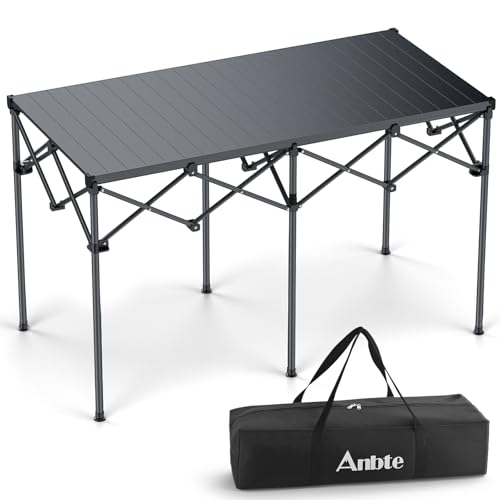
12 Best Heavy Duty Camping Table of 2026 That Will Not Wobble or Sag
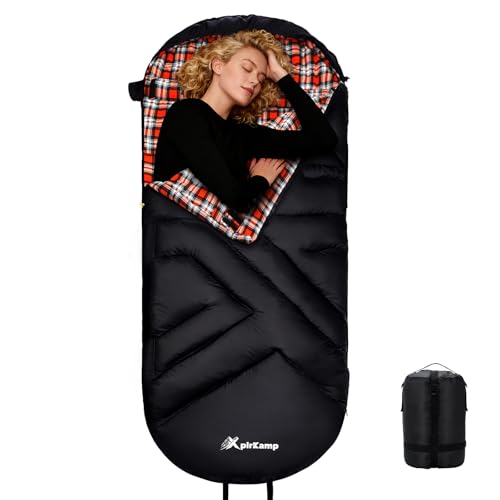
10 Best Sleeping Bags For Tall People of 2026 To Stretch Out Fully
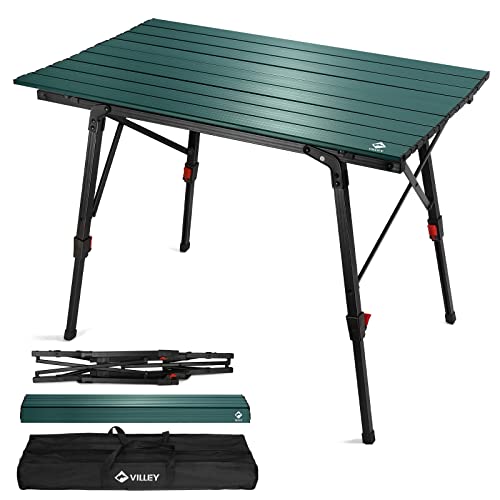
8 Best Camping Table Adjustable Legs of 2026 for Uneven Ground

10 Best Diaper Bag Backpacks For Dads of 2026 With Fast Gear Access

11 Best Framed Luggage of 2026 For Zipperless Security

11 Best Folding Two Wheeler For Luggage of 2026 To Prevent Tipping

11 Best Expandable Roller Luggage of 2026 That Fit Overhead Bins