Is It Safe To Travel To Jordan Right Now?

Is it safe to travel to jordan is the kind of question that deserves a calm answer, not a scare headline or a glossy postcard pitch. Jordan still draws people in with Petra, Wadi Rum, the Dead Sea, Amman’s cafés, and that warm, almost old-school hospitality that travelers remember long after the dust leaves their shoes. But, yeah, the region can feel tense, and ignoring that would be silly. A smart trip starts with current travel advisories, flexible planning, and a clear sense of which areas deserve extra caution.
Jordan travel safety often depends less on tourist sites themselves and more on timing, border areas, regional flare-ups, and flight reliability. Places like Amman, Petra, Aqaba, Wadi Rum, and the Dead Sea are usually the backbone of most itineraries, while areas near borders with Syria and Iraq call for a much sharper risk check. That doesn’t mean every plan should be tossed out the window. It means travelers should read official alerts, watch airline updates, and avoid treating yesterday’s advice like today’s truth.
Petra and Wadi Rum travel can feel wonderfully smooth with a licensed guide, sensible transport, and a little patience for desert conditions. Heat, long walking days, uneven paths, and remote stretches can cause more headaches than people expect, especially when the itinerary is packed tighter than a carry-on before a long-haul flight. Also, modest clothing and respectful behavior go a long way, not as stiff rules, but as everyday travel manners. Small choices, like carrying cash, saving hotel addresses offline, and using trusted drivers, can make the trip feel far less stressful.
Safe travel in Jordan also means staying alert without acting jumpy. Public demonstrations, sudden security changes, and regional airspace disruptions can affect movement, even when major attractions remain calm. So, build slack into your schedule, keep copies of important documents, and avoid border-adjacent sightseeing unless reliable guidance supports it. It’s not about traveling scared, it’s about keeping your head on straight while enjoying a place that rewards curiosity.
Is it safe to travel to jordan comes down to risk tolerance, route choices, and how well the trip is planned. A relaxed resort break in Aqaba, a guided Petra visit, or a culture-heavy Amman stay may feel very different from a loose road trip near sensitive borders. The best approach is practical: follow local instructions, check embassy updates, choose reputable tour operators, and stay flexible if flights or routes shift. Done that way, Jordan can still be a deeply rewarding trip, with beauty, history, and a few “Well, that was worth it” moments baked in.

- TLR Rank10.0
TLR Rank is a ranking system developed by TravelLuggageReviews.com. TLR Rank has no relationship or impact from any manufacturers or sales agent websites. Learn more
- BrandN/A

- TLR Rank10.0
TLR Rank is a ranking system developed by TravelLuggageReviews.com. TLR Rank has no relationship or impact from any manufacturers or sales agent websites. Learn more
- BrandN/A

- TLR Rank7.8
TLR Rank is a ranking system developed by TravelLuggageReviews.com. TLR Rank has no relationship or impact from any manufacturers or sales agent websites. Learn more
- BrandN/A

- TLR Rank-
TLR Rank is a ranking system developed by TravelLuggageReviews.com. TLR Rank has no relationship or impact from any manufacturers or sales agent websites. Learn more
- BrandN/A

- TLR Rank-
TLR Rank is a ranking system developed by TravelLuggageReviews.com. TLR Rank has no relationship or impact from any manufacturers or sales agent websites. Learn more
- BrandN/A

- TLR Rank-
TLR Rank is a ranking system developed by TravelLuggageReviews.com. TLR Rank has no relationship or impact from any manufacturers or sales agent websites. Learn more
- BrandN/A
Last update on 2026-08-15 / Affiliate links / Images, Product Titles, and Product Highlights from Amazon Product Advertising API
Is It Safe To Travel To Jordan Right Now
A Jordan trip can feel like a tug-of-war between excitement and caution, especially with Petra, Wadi Rum, Amman, and the Dead Sea sitting on one side, and regional headlines sitting on the other. The real question, is it safe to travel to jordan, needs a practical answer built around current alerts, route choices, and personal comfort with changing plans. Jordan is known for strong hospitality and well-traveled visitor routes, but the wider region can shift quickly. That means the smartest travelers don’t panic, but they also don’t wing it.
Is Jordan Safe Right Now
Travel safety in Jordan is not a simple yes-or-no call because the answer depends on where you go, how you move, and what is happening regionally before departure. Major visitor areas such as Amman, Petra, Wadi Rum, Aqaba, and the Dead Sea are the usual backbone of a Jordan itinerary. Still, official advisories may warn about armed conflict risks, air travel disruption, terrorism threats, or areas near borders. A calm plan starts with checking those advisories before booking, again before flying, and once more after landing.
Jordan’s tourist corridor often feels organized, friendly, and easier to navigate than nervous first-time visitors expect. Hotels, licensed guides, airport transfers, and major archeological sites are used to international travelers. Even so, comfort should not be mistaken for zero risk. Border-adjacent travel, sudden demonstrations, regional military activity, and disrupted flights can create headaches that a pretty itinerary won’t fix.
Personal risk tolerance matters more here than people admit. A traveler who feels fine with flexible routes and official security checks may have a smooth experience, while someone who needs a predictable, low-stress trip may feel drained by constant news updates. That doesn’t make either person wrong. It simply means safe travel in Jordan should match your nerves, budget, schedule, and backup options.
Official travel advice should carry more weight than social media snapshots. A smiling Petra reel can be real, but it may not show flight delays, closed roads, embassy alerts, or border warnings. Treat pretty content as inspiration, not a safety briefing. The better move is boring but useful: read government alerts, ask hotels about local conditions, and avoid risky detours just because a map makes them look close.
Where Travel Feels More Manageable
Amman usually works well as a first stop because it gives travelers time to adjust before heading south. The city has busy streets, ride-hailing options, restaurants, museums, and neighborhoods where visitors can ease into the pace. Traffic can be intense, though, and crossing roads takes more focus than many expect. Staying near key areas can reduce stress, especially after a long flight.
Petra is the big emotional pull, and yes, it can still be worth the effort when conditions support travel. The site involves long walks, uneven ground, heat, dust, and plenty of vendor interaction, so comfort depends on more than security headlines. Shoes, water, sun protection, and patience matter. For travelers packing heavier gear, streamline bulky items before departure and choose extra large duffle bags for travel that keep desert layers, shoes, and backup clothes from turning into a suitcase landslide.
Wadi Rum brings another kind of travel math because the desert is beautiful but remote. Camps vary widely in comfort, road access, food setup, and communication reliability. A licensed operator, clear pickup details, and realistic expectations make a huge difference. Remote charm is lovely until someone forgets medication, power banks, or warm layers for chilly desert nights.
Aqaba and the Dead Sea can feel more relaxed for travelers who want a slower pace. Resort-style stays reduce daily logistics, which can help when regional uncertainty already takes up mental space. Still, resort comfort is not a free pass to ignore alerts. Flight schedules, road routes, and nearby border dynamics should stay on the radar.
Risks Worth Taking Seriously
Regional tension is the biggest reason travelers hesitate over Jordan. The country can be calm on the ground while nearby events still affect flights, border crossings, security posture, and public mood. That split is confusing, but it’s common in the Middle East. A trip may feel normal in a hotel lobby while airlines adjust routes behind the scenes.
Border areas deserve extra caution, especially near Syria and Iraq. These are not casual sightseeing zones, even if someone online makes a route sound adventurous. Official warnings may advise against travel to certain areas or suggest higher caution across the country. Skipping a risky detour is not timid, it’s just grown-up travel planning.
Terrorism risk is another factor that should be acknowledged without turning the whole country into a fear story. Government advisories often mention potential targets such as public spaces, government sites, places of worship, transport hubs, or visitor areas. That doesn’t mean an incident is expected at every corner. It means crowded places deserve awareness, and unusual security instructions should be followed without arguing.
Public demonstrations can happen, especially during periods of regional anger or political tension. Most travelers won’t seek them out, but wandering into a gathering by accident can create trouble fast. Avoid protests, keep a respectful distance from security activity, and leave an area if the mood changes. Curiosity is not worth becoming part of a situation you don’t fully read.
How To Plan A Safer Jordan Route
A safer Jordan itinerary starts with fewer moving parts. Instead of racing across the country with a new hotel every night, build a route that leaves breathing room. Amman, Petra, Wadi Rum, Aqaba, and the Dead Sea can fit together well, but not every trip needs all of them. A tighter route means fewer transfers, fewer surprises, and less stress if plans shift.
Transportation choices can shape the whole trip. Private drivers and licensed tours cost more than public options, but they can reduce confusion, especially for longer stretches between Amman, Petra, Wadi Rum, and Aqaba. Rental cars offer freedom, yet signage, driving habits, police checkpoints, and night roads may rattle less experienced drivers. Pick the option that keeps your attention on the trip, not on constant problem-solving.
Backup planning should be boring, specific, and easy to access offline. Save hotel addresses in English and Arabic if available, keep embassy contact details, download maps, and carry copies of your passport and insurance documents. A damaged suitcase handle can turn a simple transfer into a sweaty mess, so fix weak luggage before departure with this practical guide to repair suitcase handle issues before they slow down your airport day. Small fixes beat big drama, especially during tight connections.
Flight flexibility matters because regional events can affect airspace or airline schedules even if your destination city feels calm. Book with enough time between connections, watch airline notices, and avoid stacking tours immediately after arrival. Travel insurance should match the real trip, not just the cheapest checkbox. Read the policy language for delays, cancellations, medical care, evacuation support, and regional exclusions.
Local Customs That Make Travel Smoother
Respectful behavior goes a long way in Jordan, and it usually makes daily travel easier. Modest clothing, polite greetings, and patience in markets or small towns help interactions feel warmer. This is not about pretending to be someone else. It’s about reading the room and avoiding the loud tourist routine that wears out goodwill.
Dress choices should fit the setting, weather, and culture. Amman may feel modern and relaxed in some neighborhoods, while religious sites, rural areas, and family spaces call for more coverage. Lightweight layers are your friend because heat, sun, air-conditioned buses, and cooler evenings can all show up in the same day. Practical clothing also helps you move through security checks and long walking sites without fuss.
Money habits deserve a little planning. Cards are common in many hotels and restaurants, but cash still matters for tips, small shops, taxis, and remote areas. Keep smaller bills handy because breaking large notes can be annoying. Don’t flash cash, don’t leave bags loose, and don’t assume a quiet place means petty theft is impossible.
Packing discipline can make Jordan feel less tiring. Desert dust, stone paths, hot afternoons, and changing hotel stops can punish overpacked luggage. For longer itineraries with hiking shoes, modest layers, and weather backups, compare extra large checked luggage before packing everything into a bag that barely closes. A sturdy setup saves energy when transfers pile up.
Is It Safe To Travel To Jordan With Smart Planning
Small travel decisions can make a Jordan trip feel either smooth or oddly stressful, especially after the big route is already set. The question is it safe to travel to jordan keeps showing up because people want beauty without blind risk, and fair enough. Safety here often lives in the details: where you sleep, how you move between cities, what you pack, and how quickly you adjust when plans shift. A flexible mindset beats a rigid checklist every single time.
Hotels, Neighborhoods, And Daily Movement
Hotel location matters more than a fancy lobby photo. Staying near practical areas in Amman, Petra, Aqaba, or the Dead Sea can reduce late-night transport worries and cut down on confusing transfers. A place with clear pickup access, responsive staff, and reliable reviews usually feels better than a cheaper room tucked far from everything. That small price difference can pay for itself when your flight lands late or your driver needs an easy meeting point.
Daily movement should feel simple, not like a puzzle you solve every morning before coffee. Ask your hotel about trusted drivers, confirm tour pickup times in writing, and avoid accepting vague transport promises from random street offers. Ride-hailing can help in Amman, but remote areas need more planning. Keep your phone charged, save offline maps, and carry your hotel address because dead batteries have a nasty sense of humor.
Night travel deserves a stricter filter than daytime sightseeing. Roads outside cities can feel darker, quieter, and harder to read, especially after a long day at Petra or Wadi Rum. If a transfer can happen before sunset, that is usually the calmer option. Late movement is not always dangerous, but it often adds avoidable stress.
Luggage control also affects safety in a practical way. A bag that is too bulky can slow you down at airports, bus areas, hotel stairs, and desert camp transfers. For travelers trying to stay within airline size rules while carrying modest clothing and walking shoes, compare checked luggage under 62 linear inches before packing too much into the wrong case. Less wrestling with bags means more attention left for the stuff that actually matters.
Health, Heat, Food, And Desert Fatigue
Heat management is one of the most overlooked safety issues in Jordan. Petra can wear people down with long stone paths, exposed sun, stairs, and dry air that sneaks up fast. Water, a hat, sunscreen, and slower pacing are not extras. They are the difference between enjoying the site and dragging yourself through it like a wilted houseplant.
Food and water habits should stay sensible without turning the trip into a fear spiral. Bottled water is the easy call for drinking, and busy restaurants often feel more reliable than empty places with food sitting around. Street snacks can be fun, but your stomach may not share your adventurous mood. Keep basic medicine nearby, especially for long drives or remote camp nights.
Travel insurance should cover the trip you are actually taking, not the fantasy version where nothing goes sideways. Read the fine print for medical care, delays, cancellations, and regional exclusions. If the policy language feels vague, ask before buying. A cheaper plan can become expensive fast if it dodges the exact situation you need help with.
Desert fatigue can sneak into the schedule because Wadi Rum looks peaceful in photos. In real life, sand, wind, bumpy rides, late dinners, and cool nights can drain energy. Pack layers, use closed shoes, and keep your essentials in a smaller day bag. That little bag should carry water, medicine, power banks, tissues, and anything you would hate to lose in a larger luggage shuffle.
What To Avoid During A Jordan Trip
Border-area detours are the first thing to cut if safety is the priority. Some routes look tempting on a map, but distance does not tell the full story. Security conditions, road rules, and regional tension can change the risk picture quickly. Stick with well-used visitor routes unless trusted local guidance says otherwise.
Political gatherings are not travel content, even if they look calm from across the street. Demonstrations can change mood fast, and visitors may not catch the language, signals, or security response in time. Walk away early, avoid filming security activity, and do not treat serious local issues like background scenery. Respect is not complicated, but it does require attention.
Loose planning can turn small problems into big ones. A missed pickup, unclear meeting point, dead phone, or overpacked bag can create stress that feels bigger in an unfamiliar place. People carrying work gear, cameras, or heavier day supplies may prefer a rugged pack style similar to a backpack for construction workers because separate compartments and tougher fabric help keep essentials easier to grab. The point is not looking tactical, it is keeping hands free and important items protected.
Overconfidence causes more trouble than nervousness. A careful traveler asks questions, checks routes, and listens when a hotel or guide suggests a safer option. A reckless traveler assumes every warning is overblown because yesterday went fine. Jordan rewards curiosity, but it also expects common sense.
How To Read Travel Advisories Without Panicking
Travel advisories can sound intense because they are written to cover serious possibilities, not to make vacation planning feel cozy. Read them slowly and separate nationwide caution from location-specific warnings. A warning about a border zone is not the same as a warning about every hotel in Amman. The useful skill is reading the exact geography, not just reacting to the headline.
Embassy alerts should be checked close to departure and during the trip. Conditions can shift because of regional events, demonstrations, airspace changes, or security updates. Save the embassy page on your phone and register your trip if your government offers that service. It is a boring task, sure, but boring tasks often save the day.
Local confirmation adds another layer because people on the ground may know about road closures, event days, or neighborhood disruptions before they show up in broad advisories. Ask hotel staff, licensed guides, and tour operators direct questions. Simple questions work best: Is this route normal today, is this pickup time safe, and should we avoid any area tonight? Clear answers beat vague reassurance.
News discipline matters too. Refreshing scary headlines every few minutes can ruin a trip without making you safer. Check reliable sources at set times, act on official guidance, and then go live the itinerary in front of you. Fear burns energy, but smart routines preserve it.
Who May Want To Delay The Trip
Low-flexibility travelers may struggle if the trip depends on exact timing, tight transfers, or nonrefundable bookings. Jordan can still be manageable, but regional uncertainty may add pressure that some people simply do not want during a vacation. A dream trip should not feel like a daily stress test. If schedule changes would create major financial or emotional strain, waiting may be the cleaner call.
First-time international travelers can still enjoy Jordan, but they need more structure than seasoned travelers. Guided transfers, central hotels, and fewer overnight moves can make the experience feel calmer. Trying to do everything independently right away may be a bit much. Confidence grows faster when the basics are handled well.
Travelers with medical needs should think carefully about remote sections like Wadi Rum and long days at Petra. Medication storage, heat, walking distance, and access to care deserve real planning. This does not automatically rule out the trip. It just means the itinerary should be built around health first, sightseeing second.
Anyone feeling deeply uneasy should take that feeling seriously. Travel is supposed to stretch you a little, not keep your stomach tied in knots before the plane even boards. Jordan may still be there later, and a calmer window can make the same route feel completely different. The smartest decision is the one you can live with before, during, and after the trip.


9 Best Travel Camping Table of 2026 For Uneven Ground
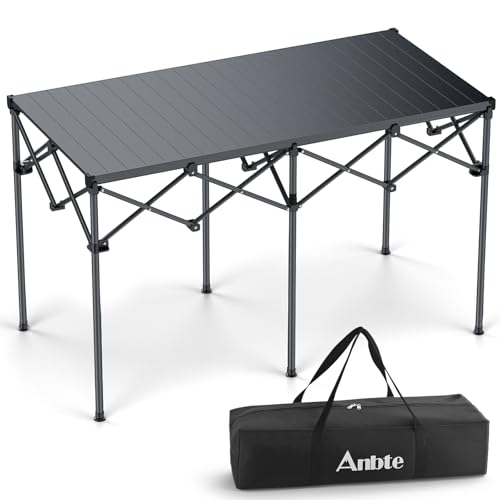
12 Best Heavy Duty Camping Table of 2026 That Will Not Wobble or Sag

10 Best Sleeping Bags For Tall People of 2026 To Stretch Out Fully
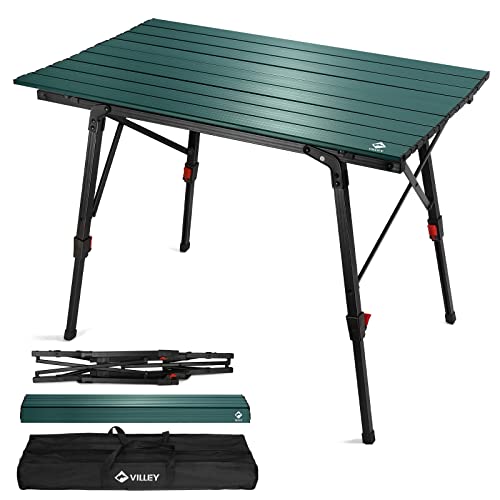
8 Best Camping Table Adjustable Legs of 2026 for Uneven Ground

10 Best Diaper Bag Backpacks For Dads of 2026 With Fast Gear Access

11 Best Framed Luggage of 2026 For Zipperless Security

11 Best Folding Two Wheeler For Luggage of 2026 To Prevent Tipping

11 Best Expandable Roller Luggage of 2026 That Fit Overhead Bins