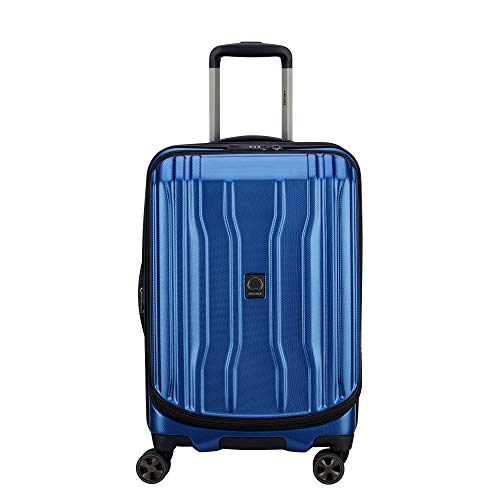
Is It Safe to Travel to Mexico City Right Now?

Is it safe to travel to Mexico City right now remains one of the most common questions people ask before booking a trip. The answer isn't simply yes or no because every large metropolitan area has neighborhoods, situations, and travel habits that shape the overall experience. Plenty of visitors enjoy memorable vacations without major issues, while others run into avoidable problems caused by poor planning rather than the destination itself. Knowing where to stay, how to move around, and which common scams to avoid makes a noticeable difference.
Mexico City rewards travelers who prepare instead of assuming everything works the same as back home. Busy tourist districts generally have a stronger security presence, reliable transportation options, and plenty of restaurants, museums, and attractions within walking distance. At the same time, wandering into unfamiliar neighborhoods late at night or flashing expensive belongings can create unnecessary risks. Small decisions often have a bigger impact than people expect.
Street awareness plays a bigger role than luck. Keeping valuables out of sight, using licensed transportation, and paying attention to your surroundings reduce the chance of becoming an easy target for pickpocketing or petty theft. Crowded markets, transit stations, festivals, and popular landmarks deserve extra attention because distractions happen fast. A little caution goes a long way without taking the fun out of the trip.
Local neighborhoods also matter more than citywide headlines. Areas such as Roma, Condesa, Polanco, Coyoacán, and the Historic Center attract visitors throughout the year thanks to their restaurants, cultural attractions, and walkable streets. Other districts may not be suitable for sightseeing, especially after dark. Spending a few minutes researching accommodation locations often saves hours of stress later.
Transportation choices deserve equal attention. Official taxis, rideshare services, and authorized airport transportation generally provide more peace of mind than accepting rides from unknown drivers. During busy commuting hours, crowded public transit requires extra awareness of wallets, phones, and backpacks. Carrying only what you actually need during the day helps minimize potential losses if something unexpected happens.
Health, weather, and local conditions can influence travel plans just as much as crime statistics. Seasonal rain may affect traffic, demonstrations occasionally create temporary road closures, and high altitude can surprise first-time visitors with mild fatigue or headaches. Packing appropriately, staying hydrated, and allowing time to adjust make exploring the city much more comfortable.
News headlines sometimes paint an incomplete picture because they often focus on isolated incidents rather than everyday life across one of the world's largest cities. Looking at current local conditions, official travel advisories, and neighborhood-specific information provides a much clearer understanding. Balanced research usually replaces unnecessary worry with realistic expectations.
Preparation ultimately becomes your strongest travel companion. Booking accommodations in reputable neighborhoods, keeping digital copies of important documents, staying connected through a local SIM or international data plan, and respecting local customs all contribute to a smoother experience. Instead of asking whether the city is completely safe, a better question is whether you're prepared to travel wisely, because thoughtful planning makes exploring Mexico City significantly more enjoyable.

- TLR Rank-
TLR Rank is a ranking system developed by TravelLuggageReviews.com. TLR Rank has no relationship or impact from any manufacturers or sales agent websites. Learn more
- BrandMajosta

- TLR Rank-
TLR Rank is a ranking system developed by TravelLuggageReviews.com. TLR Rank has no relationship or impact from any manufacturers or sales agent websites. Learn more
- BrandN/A

- TLR Rank-
TLR Rank is a ranking system developed by TravelLuggageReviews.com. TLR Rank has no relationship or impact from any manufacturers or sales agent websites. Learn more
- BrandN/A

- TLR Rank-
TLR Rank is a ranking system developed by TravelLuggageReviews.com. TLR Rank has no relationship or impact from any manufacturers or sales agent websites. Learn more
- BrandN/A

- TLR Rank-
TLR Rank is a ranking system developed by TravelLuggageReviews.com. TLR Rank has no relationship or impact from any manufacturers or sales agent websites. Learn more
- BrandFodor's Travel

- TLR Rank-
TLR Rank is a ranking system developed by TravelLuggageReviews.com. TLR Rank has no relationship or impact from any manufacturers or sales agent websites. Learn more
- BrandN/A
- TLR Rank-
TLR Rank is a ranking system developed by TravelLuggageReviews.com. TLR Rank has no relationship or impact from any manufacturers or sales agent websites. Learn more
- BrandN/A

- TLR Rank-
TLR Rank is a ranking system developed by TravelLuggageReviews.com. TLR Rank has no relationship or impact from any manufacturers or sales agent websites. Learn more
- BrandMajosta

- TLR Rank-
TLR Rank is a ranking system developed by TravelLuggageReviews.com. TLR Rank has no relationship or impact from any manufacturers or sales agent websites. Learn more
- BrandN/A

- TLR Rank-
TLR Rank is a ranking system developed by TravelLuggageReviews.com. TLR Rank has no relationship or impact from any manufacturers or sales agent websites. Learn more
- BrandN/A

- TLR Rank-
TLR Rank is a ranking system developed by TravelLuggageReviews.com. TLR Rank has no relationship or impact from any manufacturers or sales agent websites. Learn more
- BrandN/A
Last update on 2026-08-11 / Affiliate links / Images, Product Titles, and Product Highlights from Amazon Product Advertising API
Is It Safe To Travel To Mexico City Right Now
A trip can feel exciting and slightly nerve-racking at the same time, especially when headlines make a huge city sound like one single risk zone. The better question behind is it safe to travel to mexico city right now is really about habits, neighborhoods, timing, and how well each day is planned. Mexico City can be rewarding, colorful, busy, and occasionally overwhelming, so smart preparation matters more than blind confidence. Travelers who treat the city like a living, layered capital usually have a smoother time than those who wing it from the airport curb.
Safety Feels Different Neighborhood By Neighborhood
Mexico City safety changes block by block, which is why broad labels can mislead more than they help. Roma, Condesa, Polanco, Coyoacán, and many parts of the Historic Center often feel manageable because restaurants, museums, hotels, and foot traffic create a steady rhythm. That doesn’t mean trouble can’t happen there, but it does mean basic street awareness usually goes a long way. The city rewards people who choose lodging based on location first, not just a pretty room photo.
Picking the right base shapes the whole trip before the first taco order. A cheaper stay far from planned activities can mean longer rides, late returns, and extra decisions after dark. Staying near metro stations, trusted rideshare pickup points, or walkable dining streets can reduce daily friction. That kind of location planning quietly lowers stress without making the trip feel restricted.
Tourist-heavy areas still call for common sense because crowded places attract petty theft. Phones sticking out of back pockets, open tote bags, and distracted photo sessions make easy opportunities. A crossbody bag worn in front and a backup card left at the hotel are small moves with real value. For long travel days, pack cleaner and avoid airport chaos with a practical guide like best large suitcase before choosing what to bring.
Nighttime changes the equation, even in attractive neighborhoods. A street that feels charming at noon can feel empty after dinner, especially away from main avenues. Walking short, busy routes is different from wandering down quiet side streets while looking at a phone. The safest approach is simple: enjoy the city fully, then use trusted transportation when the route feels uncertain.
Petty Theft Is The Main Everyday Concern
Petty theft is the issue most travelers are more likely to face than dramatic crime. Crowded metro cars, markets, festivals, and busy sidewalks create the perfect setup for quick hands and distracted visitors. That’s not a reason to panic, but it is a reason to stop treating valuables casually. A phone in hand at every corner can turn into an easy target faster than anyone expects.
Cash strategy matters more than many people realize. Carrying a small amount for snacks, tips, and street food keeps daily purchases easy without exposing a full wallet. Keep a main card separate from backup cash, and don’t open a money pouch in public. These tiny habits create a buffer against avoidable losses that can sour an otherwise good trip.
ATMs deserve a little caution too. Machines inside banks, malls, or staffed commercial areas are usually a better pick than random sidewalk machines late at night. Shielding the keypad, checking for anything loose around the card slot, and leaving if the area feels off are not paranoid habits. They’re just practical travel routines that experienced visitors use without making a scene.
Scams can be subtle rather than scary. A stranger may offer sudden help at an ATM, a driver may quote a vague fare, or someone may create a distraction while another person moves closer. The fix is not rude behavior, it’s clear boundaries. A calm “No, thanks” and a quick move toward a busier area often solves the problem before it grows.
Transportation Choices Can Make Or Break The Trip
Transportation in Mexico City can be convenient, affordable, and exhausting all in the same afternoon. Traffic is famous for testing patience, especially during rush hour or near major events. Rideshare apps and authorized taxis are often the simplest choices after dark, from the airport, or when luggage is involved. The metro can be useful during the day, but crowded cars demand sharp attention.
The airport arrival is one of the first moments where planning pays off. After a long flight, tired travelers are easier to pressure into bad choices. Authorized airport taxis, rideshare pickup rules, and hotel-arranged transfers remove guesswork during that fuzzy first hour. That early decision sets the tone for safer movement through the city.
Public transit works best when expectations are realistic. The metro is cheap and often faster than sitting in traffic, but peak hours can feel packed and chaotic. Keep bags zipped, avoid standing near doors with a loose phone, and don’t wear headphones so loud that the surroundings disappear. For luggage planning on lighter trips, choose smarter packing around best size suitcase for 15kg before dealing with stations or airport transfers.
Walking is one of the joys of Mexico City, but sidewalks, crossings, and traffic patterns can surprise first-timers. Drivers may not behave like drivers back home, and intersections can feel more like negotiations than rules. Stick to well-lit streets, use marked crossings, and don’t assume a green light removes every risk. Street-level awareness protects both safety and mood.
Health, Weather, And Altitude Need Attention Too
Safety isn’t only about crime. Mexico City sits at a high altitude, and some visitors feel tired, dehydrated, or slightly headachy during the first day or two. That can affect judgment, especially after a long flight, a heavy meal, or a few drinks. Taking the first day slower can make the whole trip feel better.
Air quality can also shape plans. Some days feel clear and pleasant, while others may bother people who are sensitive to pollution or respiratory irritation. Checking local air updates before long outdoor walks is a sensible move, not a mood killer. Museums, cafés, and indoor markets can keep the day enjoyable when air conditions feel rough.
Food and water choices deserve practical caution. Bottled or filtered water is the easy default, and busy food stalls with fast turnover are usually more reassuring than quiet stands with food sitting around. Street food is part of the city’s charm, but stomachs don’t always share the same confidence as taste buds. Start slowly, watch where locals line up, and keep basic stomach care in mind.
Rainy season can turn short rides into long waits. Sudden downpours may flood streets, slow traffic, and make walking less comfortable. A compact umbrella, water-resistant shoes, and flexible timing help avoid needless frustration. For carry-on organization that handles quick weather shifts, prepare travel layers with best leather duffel bag for travel before packing the final outfit mix.
Current Events And Crowds Can Change The Mood Fast
Mexico City right now can feel different depending on events, holidays, demonstrations, and major sports celebrations. Large gatherings are part of life in the capital, and many are peaceful, festive, or culturally meaningful. Still, crowds can create delays, blocked streets, heavy police presence, and more chances for pickpocketing. Checking local news and hotel advice each morning keeps plans flexible.
Demonstrations can appear around government buildings, main avenues, and symbolic public spaces. Most visitors won’t be involved, but walking into a crowd without context can create stress fast. The smarter move is to reroute, give the area space, and avoid filming tense moments. Distance is often the simplest safety tool.
Major public celebrations bring a different kind of risk. Big wins, concerts, festivals, and holiday gatherings can fill central streets with noise, alcohol, and packed sidewalks. The atmosphere may be exciting, but it can also make transportation harder and personal space disappear. Travelers who enjoy the energy should still set a meetup point, protect valuables, and leave before the crowd turns messy.
Hotel staff, reputable tour guides, and local restaurant teams can give useful street-level guidance. They know if a road is blocked, if a plaza feels too crowded, or if a taxi pickup spot works better around the corner. Asking a quick question before heading out can save an hour of frustration. Local context beats guessing from a map.
Practical Habits Help You Enjoy The City More
Is it safe to travel to mexico city right now becomes less stressful once the plan focuses on controllable choices. Keep digital copies of passports, insurance details, hotel addresses, and emergency contacts. Share a loose itinerary with someone trusted, especially for day trips or late dinners. These habits don’t make the trip feel rigid; they give it a safety net.
Phone use deserves special discipline. Navigation is helpful, but walking with a phone held out for long stretches draws attention. Step into a shop doorway, café entrance, or quieter protected spot before checking directions. A cheap backup battery also helps because a dead phone at night can turn a small inconvenience into a bigger problem.
Day trips outside the city require extra planning. Teotihuacan, Xochimilco, and nearby towns can be fantastic, but transport timing and return routes matter. Book reputable operators, confirm pickup details, and avoid accepting random offers from pushy strangers near tourist zones. Clear logistics keep the adventure from turning into a headache.
Alcohol can quietly raise risk faster than almost anything else. A couple of drinks with dinner is different from stumbling out of a bar while trying to negotiate a ride. Watch your drink, stay with familiar companions, and leave nightlife areas through trusted transport. Mexico City is easier to enjoy when judgment stays sharp.
Respect also plays a role in safety. Politeness, basic Spanish phrases, and patience during delays often lead to better interactions. Loud complaints, flashy behavior, or treating neighborhoods like a theme park can create distance where cooperation would help. A grounded attitude makes the city feel less intimidating and more welcoming.
Is It Safe To Travel To Mexico City Right Now For First Time Visitors
Landing in a huge capital can feel like stepping into a fast-moving puzzle, especially after reading mixed opinions online. The good news is that is it safe to travel to mexico city right now becomes easier to answer once the trip is built around clear routines, smart routes, and realistic expectations. Mexico City isn’t a place to fear, but it isn’t a place to sleepwalk through either. Treat each day with a little planning, and the city opens up in a much calmer way.
The safest trips usually start before leaving the hotel room. Check the day’s route, save offline maps, confirm transportation options, and avoid packing every valuable into one bag. A lightweight plan gives enough structure without making the day feel stiff. That balance matters because confidence grows when fewer decisions are made in stressful moments.
Travelers often worry about dramatic risks, yet small mistakes cause more trouble. A phone left on a café table, a wallet kept in a loose pocket, or a late-night walk down an empty street can create problems that were easy to avoid. Mexico City rewards people who stay relaxed but alert. That steady mindset turns travel safety into a habit rather than a constant worry.
Packing also affects comfort more than many people expect. Too much luggage makes airport transfers, hotel stairs, crowded sidewalks, and rideshare pickups harder than they need to be. For a smoother packing plan before a city stay, use best size luggage as a practical reference while deciding what actually deserves space. Traveling lighter supports mobility, and mobility often supports safer choices.
How To Plan Daily Routes Without Feeling Restricted
A safe Mexico City itinerary doesn’t need to feel boring or overly cautious. The trick is grouping activities by area instead of bouncing across the city all day. Visit museums, cafés, parks, and dinner spots within the same zone whenever possible. This reduces long rides, rushed transfers, and the awkward feeling of being lost after dark.
Morning and early afternoon are usually better for exploring busy public spaces, markets, and historic streets. More foot traffic often creates a stronger sense of comfort, especially in areas filled with museums and restaurants. Even then, keep bags zipped, phones secure, and cash separated. Little habits stay useful no matter how lively a neighborhood feels.
Evening plans deserve more care because fatigue changes judgment. After a full day of walking, people become less patient, less alert, and more likely to accept the nearest option without thinking. A dinner reservation near the hotel or a rideshare already planned in advance can prevent last-minute stress. That small bit of structure keeps the night enjoyable instead of messy.
It also helps to share your route with someone you trust. A quick message with the restaurant name, tour meeting point, or expected return time is enough. This doesn’t need to be dramatic or formal. It’s just a smart layer of trip accountability that makes solo travel and late plans feel steadier.
What To Carry While Exploring Mexico City
The best day bag is simple, secure, and not packed like a survival kit. Bring one payment card, a little cash, a copy of your passport, a battery pack, and any medication needed for the day. Leave backup cards and extra cash locked safely at the hotel. That way, one lost item doesn’t become a full travel crisis.
Clothing can also influence how comfortable the day feels. Flashy jewelry, oversized camera gear, and expensive accessories can draw attention in crowded places. Comfortable shoes matter too because uneven sidewalks and long walking days can wear people down quickly. Blending in usually works better than dressing like every moment is a photoshoot.
A soft, manageable bag helps on flights and city transfers. For shorter urban trips, soft sided carry on luggage can make tight hotel rooms, taxis, and overhead bins less annoying. Flexible packing is not just about convenience. It also helps you move quickly when crowded areas or changing plans call for it.
Documents should be protected but accessible. Keep a digital passport copy in encrypted storage and a paper copy tucked away from your main wallet. Hotel addresses should be saved in Spanish, especially for taxi or rideshare confusion. These details sound small, but clear information can calm a stressful moment fast.
Food, Markets, And Street Smarts That Actually Help
Food is one of the best reasons to visit Mexico City, and skipping local flavors out of fear would be a shame. The smarter approach is to eat with care. Busy stalls with steady turnover are often more reassuring than quiet setups where food sits too long. Look for clean prep areas, active cooking, and locals ordering with confidence.
Markets can feel thrilling and chaotic at the same time. Colors, smells, noise, and crowds create the kind of sensory overload that makes people forget basic safety. Keep your phone away unless you’re actively using it, and don’t count cash in open spaces. Market awareness lets you enjoy the scene without becoming distracted.
Restaurant bills deserve a quick check, especially in tourist-heavy areas. Confirm prices before ordering specials, check whether service is included, and use a card only where the machine comes to the table. If something feels off, stay polite and ask calmly. A steady tone usually works better than frustration.
Water choices should stay simple. Drink bottled or filtered water, especially during the first few days while your stomach adjusts. Ice at established restaurants is commonly made with purified water, but caution is reasonable if the place feels uncertain. Protecting your stomach protects your schedule, your mood, and your travel energy.
How To Handle Emergencies Without Panic
A good safety plan includes knowing what to do if something goes wrong. Save emergency numbers, your embassy or consulate details, hotel contact information, and insurance support before the trip starts. A phone that contains these basics can prevent confusion during a stressful moment. Preparedness is quiet until it suddenly matters.
If theft happens, focus first on safety rather than chasing belongings. Move to a public place, contact local authorities when needed, and freeze cards immediately. Keep backup payment options separate so the trip can continue with less disruption. Losing an item is frustrating, but losing control of the situation makes it worse.
Medical concerns should be handled early rather than ignored. Altitude, dehydration, food sensitivity, and long walking days can build up fast. Pharmacies are common in the city, but serious symptoms deserve professional care. Travel insurance with medical support can make decisions easier when health issues interrupt the plan.
Hotel staff can be useful during emergencies because they know local procedures and nearby services. They can help contact transportation, recommend clinics, or clarify where to file a report. Keep the hotel card or address with you, especially during long days out. Familiar support can make an unfamiliar city feel more manageable.
What Safety Means For A Better Mexico City Trip
Safe travel in Mexico City isn’t about avoiding every busy street or treating the city like a warning label. It’s about making better choices before stress takes over. Strong plans, flexible timing, and practical habits create more freedom, not less. That mindset lets Mexico City feel exciting without feeling careless.
The city offers museums, architecture, markets, parks, food, and neighborhood life that can fill several days easily. Rushing through it all often creates more fatigue than joy. Slower days with fewer long transfers usually feel safer and more memorable. Good pacing may be one of the most underrated travel safety tools.
Local respect also changes the travel experience. A few Spanish phrases, patience in busy places, and awareness of personal space can make interactions smoother. People often respond better when visitors act calm, prepared, and courteous. That human layer matters just as much as maps and apps.
The answer to is it safe to travel to mexico city right now depends on how the trip is handled. Stay in well-reviewed areas, use trusted transportation, protect valuables, watch the day’s local conditions, and leave room to adjust plans. The city doesn’t need blind trust or constant fear. It needs attention, common sense, and a travel style that keeps both curiosity and caution in the same pocket.

9 Best Travel Camping Table of 2026 For Uneven Ground
12 Best Heavy Duty Camping Table of 2026 That Will Not Wobble or Sag
10 Best Sleeping Bags For Tall People of 2026 To Stretch Out Fully
8 Best Camping Table Adjustable Legs of 2026 for Uneven Ground

10 Best Diaper Bag Backpacks For Dads of 2026 With Fast Gear Access

11 Best Framed Luggage of 2026 For Zipperless Security

11 Best Folding Two Wheeler For Luggage of 2026 To Prevent Tipping

11 Best Expandable Roller Luggage of 2026 That Fit Overhead Bins