Is it safe to travel to Peru right now? Smart take

Is it safe to travel to Peru right now depends less on a simple yes or no and more on how carefully the trip is planned. Peru still draws people in with Cusco, Machu Picchu, Lima, the Sacred Valley, and the Amazon, but the smart move is to treat the country as a place that rewards preparation. Street crime, sudden protests, roadblocks, and transport delays can turn a loose itinerary into a headache fast. So, yes, Peru can be worth visiting, but winging it isn’t the best play.
Travel safety in Peru starts with route choices, not just hotel stars or pretty photos. Busy tourist areas often feel manageable during the day, yet pickpocketing, phone snatching, taxi scams, and bag theft still happen in crowded streets, markets, bus stations, and nightlife zones. Lima and Callao need extra care, especially after dark, because security conditions can shift block by block. A better plan is to use registered transport, keep valuables tucked away, and avoid looking half-lost with your phone out.
Protests and strikes are the wild card that many glossy travel plans skip over. Demonstrations can affect roads, airports, rail service, and access to major attractions, including routes connected with Machu Picchu. That doesn’t mean every trip falls apart, but it does mean a packed schedule with no buffer can bite back. Build in spare time, confirm tours before leaving, and keep backup transport options in your pocket.
Adventure travel in Peru deserves its own reality check. The Andes are gorgeous, sure, but altitude, rough trails, weather swings, and remote terrain can humble even confident hikers. Solo trekking without a guide, offline map, clear route, and emergency plan is asking for trouble. For high-altitude hikes, acclimatization matters more than bravado, and a slower first few days can save the whole trip.
Health preparation also sits right in the middle of the safety conversation. Altitude sickness, stomach issues, dehydration, sun exposure, and mosquito-borne risks in jungle areas can derail plans quicker than most people expect. Travel insurance with medical evacuation coverage isn’t glamorous, but it’s one of those boring choices that looks brilliant if things go sideways. Keep copies of documents, use bottled or treated water when needed, and don’t ignore local weather or health guidance.
Is it safe to travel to Peru right now has a practical answer: it can be safe enough for a careful traveler who avoids restricted areas, watches local updates, and doesn’t treat every neighborhood the same. The sweet spot is a flexible itinerary, reputable guides, daytime movement, secure transport, and a healthy respect for changing conditions. Peru isn’t a place to panic about, but it isn’t a place to sleepwalk through either. Plan with your eyes open, and the trip has a much better shot at feeling exciting instead of stressful.

- TLR Rank9.6
TLR Rank is a ranking system developed by TravelLuggageReviews.com. TLR Rank has no relationship or impact from any manufacturers or sales agent websites. Learn more
- BrandLonely Planet

- TLR Rank9.4
TLR Rank is a ranking system developed by TravelLuggageReviews.com. TLR Rank has no relationship or impact from any manufacturers or sales agent websites. Learn more
- BrandNational Geographic

- TLR Rank9.4
TLR Rank is a ranking system developed by TravelLuggageReviews.com. TLR Rank has no relationship or impact from any manufacturers or sales agent websites. Learn more
- BrandDK

- TLR Rank9.4
TLR Rank is a ranking system developed by TravelLuggageReviews.com. TLR Rank has no relationship or impact from any manufacturers or sales agent websites. Learn more
- BrandFodor's Travel

- TLR Rank9.4
TLR Rank is a ranking system developed by TravelLuggageReviews.com. TLR Rank has no relationship or impact from any manufacturers or sales agent websites. Learn more
- BrandN/A

- TLR Rank8.8
TLR Rank is a ranking system developed by TravelLuggageReviews.com. TLR Rank has no relationship or impact from any manufacturers or sales agent websites. Learn more
- BrandLonely Planet

- TLR Rank8.8
TLR Rank is a ranking system developed by TravelLuggageReviews.com. TLR Rank has no relationship or impact from any manufacturers or sales agent websites. Learn more
- BrandLonely Planet

- TLR Rank8.4
TLR Rank is a ranking system developed by TravelLuggageReviews.com. TLR Rank has no relationship or impact from any manufacturers or sales agent websites. Learn more
- BrandN/A

- TLR Rank7.2
TLR Rank is a ranking system developed by TravelLuggageReviews.com. TLR Rank has no relationship or impact from any manufacturers or sales agent websites. Learn more
- BrandN/A

- TLR Rank-
TLR Rank is a ranking system developed by TravelLuggageReviews.com. TLR Rank has no relationship or impact from any manufacturers or sales agent websites. Learn more
- BrandN/A

- TLR Rank-
TLR Rank is a ranking system developed by TravelLuggageReviews.com. TLR Rank has no relationship or impact from any manufacturers or sales agent websites. Learn more
- BrandN/A
Last update on 2026-08-12 / Affiliate links / Images, Product Titles, and Product Highlights from Amazon Product Advertising API
Is It Safe To Travel To Peru Right Now
A dream route can get messy fast if the plan is built only around pretty photos, cheap flights, and a few saved restaurant reels. The real question, is it safe to travel to Peru right now, sits in the gap between excitement and practical caution. Peru can still feel rewarding, colorful, and deeply worth the effort, but smart travel planning matters more here than a loose “we’ll figure it out” attitude. A safe-feeling trip usually comes from choosing the right neighborhoods, booking reliable transport, giving high-altitude days breathing room, and staying alert without turning the whole vacation into a worry fest.
Peru Safety Snapshot
Peru travel safety isn’t a flat yes-or-no answer because the country changes from one region to another. Lima, Cusco, the Sacred Valley, Arequipa, Lake Titicaca, and Amazon gateway towns all carry different travel rhythms, different risks, and different comfort levels. A visitor who stays in well-known areas, uses registered transport, and keeps flexible plans will usually have a smoother time than someone chasing the cheapest route at odd hours. That difference sounds boring on paper, but on the ground, small choices shape the whole trip.
Petty theft is one of the most common problems travelers worry about, and honestly, that concern makes sense. Phones, wallets, backpacks, and camera bags can draw attention in crowded places, especially around bus terminals, markets, nightlife areas, and busy tourist streets. The fix isn’t dramatic, but it has to be consistent: keep valuables close, use a crossbody bag or hidden pouch, and avoid flashing gear like you’re filming a travel show. For packing that keeps essentials close in tight spaces, choose gear with smart compartments and rely on a best under seat backpack setup for easier airport and bus transfers.
Crime risk can rise after dark, particularly in unfamiliar neighborhoods or areas far from the usual visitor routes. That doesn’t mean every evening plan is a bad idea, but it does mean walking alone late at night can be a poor tradeoff. Use hotel-arranged taxis, reputable ride services, or trusted tour operators instead of hopping into random vehicles. A few extra dollars for safe transport can save a lot of stress later.
Political protests, strikes, and roadblocks are another part of the Peru safety picture. These disruptions can affect highways, airports, train routes, and access to major attractions, including routes connected with Machu Picchu. Even peaceful demonstrations can shift quickly, and travelers rarely understand the local dynamics well enough to judge the mood. The cleaner move is simple: avoid crowds tied to protests, check local updates, and keep buffer days around big transfers.
How Safe Plans Beat Lucky Plans
Safe travel in Peru starts before the first taxi ride. A strong itinerary gives each location enough time instead of squeezing five places into four tired days. That matters because delays, altitude fatigue, weather shifts, and road closures can happen without much warning. A rushed plan turns every hiccup into a crisis, while flexible timing gives the trip room to breathe.
Lima deserves a realistic lens, not fear and not blind confidence. Popular districts can feel polished, busy, and easy to navigate during the day, but the city still asks for street smarts. Keep your phone away from the curb, avoid empty streets after dark, and pay attention near traffic, because quick snatch theft can happen before you even process it. A traveler who acts calm, prepared, and aware usually blends in better than someone constantly checking maps in the open.
Cusco often feels more relaxed, but its challenges are sneaky. The altitude can hit hard, especially after a long flight or a rushed arrival from sea level. Headaches, nausea, dizziness, and shortness of breath can wreck plans if you push too soon. Give your body time, drink water, eat lighter meals, and treat altitude adjustment as part of the trip rather than an annoying delay.
Machu Picchu access depends on tickets, trains, buses, weather, and local operations lining up properly. That’s why last-second planning can get expensive or frustrating. Book key pieces early, keep digital and printed confirmations, and avoid scheduling a flight immediately after the return from Aguas Calientes. The goal is not to overplan every minute, but to protect the parts of the trip that would be painful to replace.
Neighborhood Choices Matter More Than Hype
Where you sleep can shape how safe the whole trip feels. A cheap room far from restaurants, transport, and well-lit streets may look like a win during booking, but it can become a nightly headache. Safer-feeling areas often cost more because they save time, reduce awkward transfers, and make evenings easier. That tradeoff is worth weighing honestly, especially if arrival times are late.
Miraflores and Barranco in Lima often attract visitors because they offer better access to restaurants, cafes, coastal walks, and tour pickups. Still, polished areas are not theft-proof bubbles. Pickpockets know where visitors gather, and nightlife can loosen good judgment fast. Keep a low profile, skip flashy jewelry, and treat crowded spots with quiet caution.
Historic centers can be fascinating during the day and less comfortable at night. Cusco’s central areas are busy and convenient, but narrow streets, late-night crowds, and steep walks can make tired travelers less alert. Staying near the main areas can help, but don’t confuse convenience with full security. A short taxi ride back after dinner can be smarter than wandering uphill while distracted.
Remote stays need a different kind of planning. Jungle lodges, mountain villages, and rural routes can be unforgettable, yet they may also mean limited phone service, fewer medical options, and longer emergency response times. Ask about transport, weather plans, food safety, and backup communication before booking. A good operator will answer directly, not brush off concerns with vague reassurance.
Transport Choices Can Make Or Break The Trip
Transport safety is one of the biggest practical details in Peru. Distances can look manageable on a map, then feel much longer once mountain roads, traffic, and weather join the party. Overnight buses may save money, but they can also mean fatigue, theft concerns, and less control over stops. Spending more for a reputable company, safer timing, or a short domestic flight can be the better bargain.
Airport transfers are worth arranging before arrival, especially in Lima. The first hour in a new country is when travelers are tired, distracted, and easy to pressure. Use official taxis, hotel transfers, or trusted ride services instead of negotiating with random drivers after a long flight. That first decision sets the tone for low-stress travel.
Bus terminals require extra attention because crowds create cover for quick theft. Keep your bag touching your body, don’t leave luggage beside a chair, and avoid letting strangers “help” with tickets or bags. A compact personal bag can be easier to control than loose totes or oversized carry-ons. For travelers comparing casual carry options, pack lighter and pair practical pieces with a best duffle bags for girls pick that keeps clothes and small essentials organized without feeling bulky.
Road travel in the Andes can be beautiful, slow, and occasionally nerve-racking. Weather, landslides, road maintenance, and strikes may change plans with little warning. Avoid tight same-day connections after long drives, especially before international flights. Better yet, build a cushion around major transfers so one delay doesn’t knock over the entire itinerary.
Health Risks Deserve Real Attention
Peru health safety starts with altitude, food, water, and pace. Travelers often focus on crime and forget the body can be the first thing to complain. Cusco sits high enough that even fit people can feel rough during the first couple of days. Rest, hydration, and slower walking are not signs of weakness; they’re practical tools.
Food and water habits can make a huge difference. Street food may smell fantastic, but a sensitive stomach can turn one adventurous snack into a wasted day. Choose busy places with high turnover, wash hands often, and be careful with raw foods in spots where sanitation feels uncertain. Bottled or treated water is the safer call in many situations, especially outside major hotels.
Amazon travel brings a different layer of planning. Mosquitoes, humidity, muddy trails, and limited medical access can surprise travelers who only packed for mountain photos. Long sleeves, repellent, quick-dry clothing, and guide-led excursions make the experience easier to manage. Ask a qualified health professional about vaccines or medication before travel because jungle conditions are not the same as Lima or Cusco.
Travel insurance sounds dull until a canceled train, sprained ankle, stolen bag, or medical issue shows up. Peru includes activities where evacuation or special transport can get expensive quickly. Read the policy details instead of assuming every trek, tour, or region is covered. The strongest plan is boring in the best way: insurance, copies of documents, emergency contacts, and a backup payment card stored separately.
Packing For Peru Should Be Practical
Peru packing needs to cover several climates without turning your luggage into a moving closet. Lima can feel coastal and gray, Cusco can swing from sunny to chilly in the same day, and the Amazon can be humid enough to humble denim. Layers beat bulky pieces because they handle changing temperatures without wasting space. A light rain jacket, comfortable shoes, and secure day bag matter more than extra outfits.
Bag security should be part of the packing plan, not an afterthought. Choose zippers that close properly, keep valuables in inner pockets, and avoid bags that hang open while walking through crowds. Bright luxury logos and dangling accessories can create attention you don’t need. Practical, low-profile gear helps keep the focus on the trip instead of the stuff you’re carrying.
Multi-stop travel can get rough on luggage because Peru often mixes flights, taxis, trains, buses, and uneven streets. A bag that feels fine at the airport may become annoying on stairs or cobblestones. Smaller, better-organized luggage tends to win over giant bags stuffed with “just in case” items. For longer routes across rugged destinations, compare travel-ready storage with a best duffel bag for travel style that keeps movement easier during transfers.
Daily essentials should stay easy to reach but not easy to steal. Keep sunscreen, water, medication, a copy of your passport, tissues, sanitizer, and a small amount of cash in a controlled spot. Leave the actual passport secured unless it is needed for transport, hotel check-in, or official entry. That small habit can prevent a major problem from becoming the story of the trip.
How To Stay Safe Traveling In Peru Right Now
Peru travel safety gets easier to manage once the trip shifts from “I hope everything goes fine” to “I know where the weak spots are.” After sorting out packing, transport, health basics, and route planning, the next layer is daily decision-making. That means reading the street, keeping plans flexible, and knowing which risks are worth taking and which ones are just ego in hiking boots. Is it safe to travel to Peru right now still depends on smart habits more than luck.
Read Local Conditions Before You Move
Local conditions can change fast in Peru, especially around transport routes, public gatherings, and access points near popular destinations. A calm morning can still turn into a delayed afternoon if a strike blocks a road or a train schedule changes. Hotels, licensed guides, and tour desks often know what is happening nearby before a traveler does. Ask direct questions, listen carefully, and don’t treat silence online as proof that everything is normal.
Daily safety checks should become part of the routine, right alongside charging your phone and packing water. Confirm the pickup time, the route, the drop-off point, and the return plan before leaving. That small habit helps avoid the classic travel mess where everyone assumes someone else knows the details. A trip feels much calmer when the next move is clear before you step outside.
Protest areas deserve a wide berth, even if the crowd looks peaceful from a distance. Travelers can misunderstand the mood, the police response, or the speed at which a street can become tense. Photos and curiosity are not worth being stuck between angry groups, blocked roads, or sudden closures. The better move is simple: leave early, take another route, and protect the rest of the itinerary.
Weather shifts also deserve respect because Peru is not one easy climate. The coast, the Andes, and jungle areas can all behave differently during the same trip. Rain can slow roads, fog can affect flights, and cold mountain evenings can surprise anyone who packed like every day would feel sunny. A lightweight carry-on helps keep layers close, and a practical lightweight carry on can make short transfers less clumsy when plans change.
Keep Money And Documents Low-Key
Money safety in Peru is less about hiding everything and more about not making yourself an easy mark. Carry enough cash for the day, not the whole trip, and split cards between separate places. A lost wallet is frustrating, but a lost wallet with every card inside can derail days of travel. Keep one backup payment method tucked away from your main bag.
ATMs are best used in banks, malls, hotels, or controlled indoor areas rather than isolated street corners. Cover the keypad, avoid accepting help from strangers, and put cash away before stepping outside. It sounds basic, sure, but distracted travelers are the easiest targets. A quick pause inside a safer space can prevent a bad five seconds outside.
Passport care needs a sensible middle ground. Carry a copy for daily movement and keep the original secured unless it is required for hotels, flights, trains, or official checks. Digital backups help too, but don’t rely only on a phone that can be stolen, damaged, or out of battery. A printed copy weighs almost nothing and can save a long headache.
Bag habits matter most in crowded areas where attention gets chopped into pieces. Keep zippers closed, avoid hanging bags over chair backs, and don’t place a phone on a cafe table near the sidewalk. That tiny comfort move is exactly how snatch theft happens. Stay relaxed, but keep your small valuables inside controlled pockets.
Use Guides Where The Risk Gets Real
Guided travel is not just for people who hate planning. In Peru, a good guide can help with timing, local context, route changes, altitude pacing, and safety decisions that are hard to judge from a map. That value becomes clear on hikes, rural routes, ruins outside city centers, and jungle trips. The right guide reduces guesswork without turning the trip into a school field trip.
Independent exploring can still be satisfying in walkable districts, museums, markets, and well-traveled areas. The line changes once terrain, altitude, remote roads, or limited phone signal gets involved. A cheap tour with vague details may not be much better than going alone, so ask about transportation, group size, guide credentials, and what happens if weather turns ugly. Clear answers are a good sign; slippery answers are not.
Hiking in Peru brings real rewards, but the mountains do not care how excited anyone feels. Trails can involve steep climbs, thin air, cold rain, uneven steps, and long stretches away from quick help. Even popular routes can feel rough if sleep, hydration, and acclimatization are ignored. Treat altitude and trail conditions like practical facts, not personal challenges.
Jungle tours need extra care because heat, insects, water crossings, and medical distance change the risk profile. A trustworthy operator will talk plainly about boots, repellent, drinking water, emergency plans, and what not to touch. That kind of detail may sound fussy, but it usually comes from experience. Skip any operator that sells the jungle like a casual stroll with prettier trees.
Plan Around Delays Instead Of Fighting Them
Travel delays in Peru can come from weather, road conditions, strikes, landslides, airport congestion, or simple logistics. Getting angry rarely fixes the problem and usually drains the day faster. Build looser connections around major transfers, especially before international flights or expensive tours. A buffer day may feel boring during planning, but it feels brilliant when the unexpected shows up.
Machu Picchu logistics deserve special patience because several moving parts have to line up. Tickets, train times, bus lines, entrance windows, weather, and local operations can all affect the experience. Trying to squeeze the visit into a razor-thin schedule adds pressure that nobody needs. A calmer plan gives the site room to feel memorable instead of rushed.
Domestic flights can save time, but they still need breathing room. Mountain weather and airport delays can ripple through a schedule quickly. Keep essentials in your personal bag rather than checked luggage, especially medication, documents, chargers, and one change of clothing. For travelers using extra storage on road-heavy routes before or after flights, a soft rooftop luggage carrier can help keep cabin space clearer during overland stretches.
Tour pickups should always be confirmed the day before, not five minutes after the van was supposed to arrive. Get the pickup point in writing, save the operator’s contact, and ask whether traffic or closures are affecting timing. Small confirmations prevent dumb confusion, especially in cities with similar hotel names or narrow streets. The less mystery in the morning, the better the day tends to go.
Stay Sharp Without Acting Scared
Personal awareness does not mean walking around stiff and suspicious. It means noticing exits, keeping bags close, avoiding heated crowds, and trusting that little gut feeling when a street suddenly feels off. Peru rewards curiosity, but curiosity still needs guardrails. The sweet spot is relaxed attention, not paranoia.
Nightlife safety is mostly about staying in control. Watch drinks, leave with people you trust, and avoid wandering into quiet side streets after bars or restaurants. Alcohol turns small risks into bigger ones because it slows decisions and makes directions fuzzy. A planned ride back is boring in the best possible way.
Phone use should be quick and intentional in public. Step into a shop, lobby, or wall-side position before checking maps instead of standing near a curb with the screen out. Download offline maps before leaving the hotel, then use one earbud or quiet audio directions if needed. Less visible confusion can reduce unwanted attention.
Confidence helps, but overconfidence causes trouble. Saying no firmly to pushy offers, walking away from odd situations, and changing plans without guilt are all useful travel skills. A safe trip is not built by proving how brave you are. It is built by making steady choices that keep the day moving in the right direction.
Match The Trip To Your Comfort Level
Peru right now can be a strong fit for travelers who want culture, food, landscapes, history, and adventure with a dose of real-world planning. It may feel less comfortable for anyone who wants every transfer, street, and schedule to feel perfectly predictable. That mismatch matters because frustration can make people careless. Pick the route that matches your patience, energy, and tolerance for uncertainty.
First-time visitors usually do better with a tighter core route instead of trying to see everything. Lima, Cusco, the Sacred Valley, and Machu Picchu already create a full trip without adding every distant region. A focused route reduces transit stress and gives more time for altitude, food, and local pacing. More stops do not always mean a richer experience.
Solo travel can work, but it asks for stronger boundaries. Share plans with someone, avoid isolated areas late, book reputable lodging, and be careful with overly friendly strangers who push quick decisions. Group tours can fill the social gap without handing over the whole itinerary. That balance keeps independence intact while reducing avoidable risk.
Family or multi-generation trips need slower pacing, better lodging locations, and fewer dawn-to-midnight days. Altitude can be harder on some travelers, and long transfers can wear everyone down. Build around comfort, not bragging rights. Peru has enough depth that a slower trip can still feel full, textured, and worth every mile.


8 Best Folding Picnic Camping Table of 2026 For Stable Outdoor Dining
9 Best Travel Camping Table of 2026 For Uneven Ground
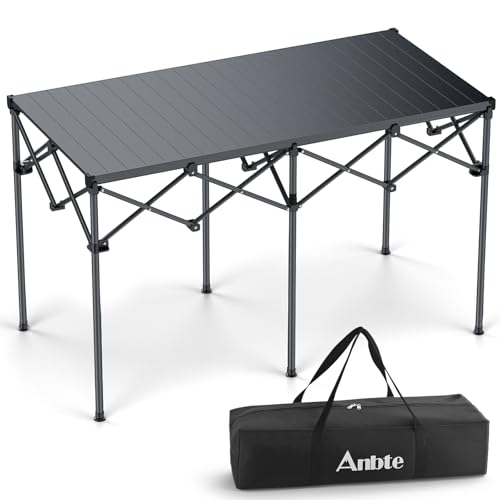
12 Best Heavy Duty Camping Table of 2026 That Will Not Wobble or Sag

10 Best Sleeping Bags For Tall People of 2026 To Stretch Out Fully
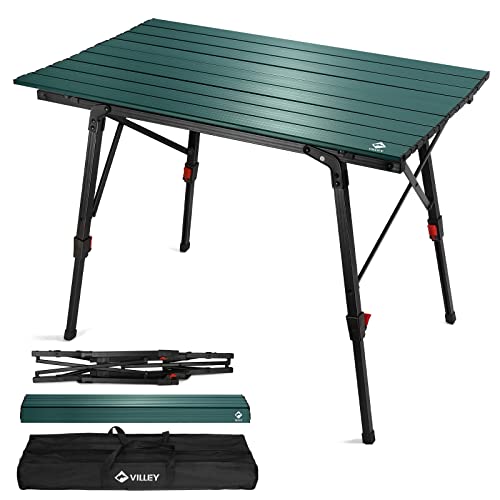
8 Best Camping Table Adjustable Legs of 2026 for Uneven Ground

10 Best Diaper Bag Backpacks For Dads of 2026 With Fast Gear Access

11 Best Framed Luggage of 2026 For Zipperless Security

11 Best Folding Two Wheeler For Luggage of 2026 To Prevent Tipping