Is It Safe To Travel To Riviera Maya? Smart Guide

Is it safe to travel to Riviera Maya is a fair question, especially because this stretch of Mexico can look dreamy in photos while still asking for street smarts on the ground. The honest answer isn’t a flat yes or no, and frankly, that’s where better trip planning starts. Resort zones, guided tours, busy beach towns, and well-reviewed transportation usually feel manageable for careful travelers. But skipping basic precautions, wandering into quiet areas late at night, or treating every taxi, bar, and beach access point the same can turn a relaxed trip into a headache.
Riviera Maya safety works best with a practical mindset rather than panic. Playa del Carmen, Tulum, Akumal, Puerto Morelos, and resort corridors all have different rhythms, so one blanket answer won’t do the trick. Stick with registered transportation, keep valuables low-key, use hotel safes, and avoid flashing cash after a long dinner or beach club visit. Sounds simple, sure, but those little habits often separate a smooth vacation from the sort of story nobody wants to bring home.
Beach conditions also deserve a closer look because safety isn’t only about crime. Sargassum can affect swimming, smells, and shoreline comfort during heavier months, while rough surf, heat, dehydration, and sudden rain can sneak up fast. A polished resort pool might solve one problem, but local beach flags, lifeguard advice, and daily sea conditions still matter. Bring reef-safe sun protection, drink water like you mean it, and don’t let a packed itinerary push common sense out the window.
Nightlife safety needs a firmer line. Keep drinks in sight, travel back with trusted transport, and avoid buying anything illegal because trouble can snowball quickly. Busy tourist strips may feel casual, but petty theft, overcharging, and late-night confusion are still real possibilities. A good rule of thumb is boring but useful: leave before the night gets messy, and you’ll usually thank yourself in the morning.
Travel insurance, copied documents, offline maps, and a working phone plan make the whole trip feel less fragile. Also, book tours through established operators instead of random sidewalk pitches if cenotes, ruins, snorkeling, or jungle rides are on the list. Medical access is generally easier near major resort areas than in remote spots, yet upfront payment and language gaps can still catch people off guard. So, yes, the Riviera Maya can be a safe and rewarding trip, but it rewards travelers who plan with eyes open, not rose-colored sunglasses.

- TLR Rank9.0
TLR Rank is a ranking system developed by TravelLuggageReviews.com. TLR Rank has no relationship or impact from any manufacturers or sales agent websites. Learn more
- BrandFodor's Travel

- TLR Rank8.4
TLR Rank is a ranking system developed by TravelLuggageReviews.com. TLR Rank has no relationship or impact from any manufacturers or sales agent websites. Learn more
- BrandN/A

- TLR Rank8.4
TLR Rank is a ranking system developed by TravelLuggageReviews.com. TLR Rank has no relationship or impact from any manufacturers or sales agent websites. Learn more
- BrandBrand: Countryman

- TLR Rank8.0
TLR Rank is a ranking system developed by TravelLuggageReviews.com. TLR Rank has no relationship or impact from any manufacturers or sales agent websites. Learn more
- BrandN/A

- TLR Rank7.8
TLR Rank is a ranking system developed by TravelLuggageReviews.com. TLR Rank has no relationship or impact from any manufacturers or sales agent websites. Learn more
- BrandCountryman Press

- TLR Rank7.6
TLR Rank is a ranking system developed by TravelLuggageReviews.com. TLR Rank has no relationship or impact from any manufacturers or sales agent websites. Learn more
- BrandFodor's Travel

- TLR Rank7.4
TLR Rank is a ranking system developed by TravelLuggageReviews.com. TLR Rank has no relationship or impact from any manufacturers or sales agent websites. Learn more
- BrandN/A

- TLR Rank6.8
TLR Rank is a ranking system developed by TravelLuggageReviews.com. TLR Rank has no relationship or impact from any manufacturers or sales agent websites. Learn more
- BrandN/A

- TLR Rank-
TLR Rank is a ranking system developed by TravelLuggageReviews.com. TLR Rank has no relationship or impact from any manufacturers or sales agent websites. Learn more
- BrandMajosta

- TLR Rank-
TLR Rank is a ranking system developed by TravelLuggageReviews.com. TLR Rank has no relationship or impact from any manufacturers or sales agent websites. Learn more
- BrandN/A

- TLR Rank-
TLR Rank is a ranking system developed by TravelLuggageReviews.com. TLR Rank has no relationship or impact from any manufacturers or sales agent websites. Learn more
- BrandN/A

- TLR Rank-
TLR Rank is a ranking system developed by TravelLuggageReviews.com. TLR Rank has no relationship or impact from any manufacturers or sales agent websites. Learn more
- BrandN/A
Last update on 2026-08-11 / Affiliate links / Images, Product Titles, and Product Highlights from Amazon Product Advertising API
Is It Safe To Travel To Riviera Maya
Beach plans can feel oddly stressful once the excitement wears off and the practical questions start poking at the itinerary. Flights, transfers, weather, nightlife, hotel zones, beach conditions, and money habits all carry little decisions that add up fast. That’s why is it safe to travel to riviera maya deserves a grounded answer, not fear-bait, glossy brochure talk, or a shrug. The region can be a rewarding place to visit, but smart planning, situational awareness, and realistic expectations matter more than pretending every resort corridor feels the same.
Riviera Maya Safety Basics
Riviera Maya safety starts with one plain truth: tourist areas are built to welcome visitors, but they’re still real places with real risks. Playa del Carmen, Tulum, Akumal, Puerto Morelos, and resort zones each have their own rhythm, and that rhythm changes from beach mornings to late-night streets. A calm trip usually comes from using trusted transportation, keeping valuables out of sight, and avoiding unnecessary risks after dark. Simple stuff, yes, but simple stuff often saves the day.
Crime concerns tend to get the loudest attention, yet the practical risk for many trips is smaller, sneakier, and more ordinary. A phone left on a beach chair, a wallet pulled out too often, or a bag sitting loose at a café can create trouble faster than any dramatic headline. Keep your passport secured, carry a copy, and use the hotel safe for extra cards or documents. That habit won’t make the trip glamorous, but it keeps small mistakes from turning into expensive headaches.
Official advisories should shape your planning without swallowing the whole vacation. Travelers often see broad Mexico warnings and assume every beach town carries the same level of risk, which isn’t how the country works. Quintana Roo’s tourist corridor has different conditions from states with stronger nonessential-travel warnings, so details matter. Check current guidance before leaving, then match that guidance with local common sense once your feet hit the ground.
Resort security can make the trip feel easier, especially for people who want beaches, pools, food, tours, and downtime without improvising every move. Still, a resort gate isn’t a magic bubble, and leaving the property requires a different mindset. Ask the front desk about reliable taxi options, arrange transfers in advance, and keep the return plan clear before dinner or a night out. A little structure gives you more room to relax because uncertainty stops running the show.
Smart Planning Before You Go
Travel planning for Riviera Maya works better when it’s boring in the right places. Book airport transfers with a known provider, save hotel addresses offline, and keep important numbers somewhere other than your phone. A printed backup may sound old-school, but after a long travel day with spotty service, it feels pretty clever. Also, pack with movement in mind, and make room for medications, sun protection, and a small first-aid kit.
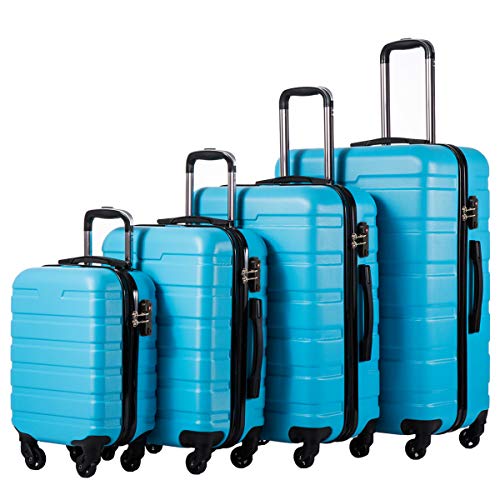
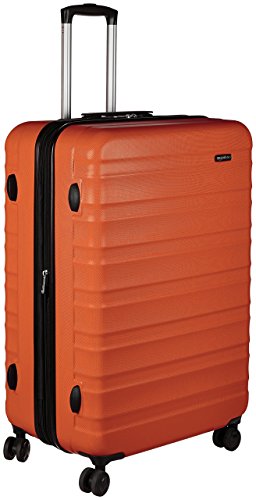
Luggage choices matter more than people admit, especially if the trip includes airport shuttles, resort rooms, ferry-style transfers, or moving between towns. A big suitcase can be useful for a longer stay, but oversized bags become annoying on uneven sidewalks, sandy paths, and packed vans. For longer beach trips, Pack with fewer airport headaches by choosing 30 inch hardside luggage that protects gear without turning every transfer into a wrestling match. The goal is easy handling, not dragging half a closet through humidity.
Money habits deserve a quick reality check before the first margarita. Use ATMs in banks or secure locations, avoid carrying too much cash, and split cards between two safe places. Small bills help with tips and short rides, but a fat stack in public draws the wrong kind of attention. Keep a simple budget buffer too, because transportation costs, beach clubs, park fees, and last-minute tours can nibble away faster than expected.
Phone readiness can smooth out half the little travel snags before they become a scene. Download maps, translation help, airline apps, and insurance details before you leave home. A local eSIM or roaming plan helps with ride coordination and emergency calls, especially outside the resort. Nobody wants to babysit a screen on vacation, but reliable connection gives you options when plans wobble.
Resort Areas, Towns, And Nightlife
Resort areas often feel calmer because access is controlled, staff are nearby, and transportation can be arranged without much guesswork. That setup works well for travelers who want beach time, pools, meals, and organized excursions with fewer moving parts. The tradeoff is that resort life can hide the practical differences between towns, prices, and transportation rules. Step outside the property and local awareness needs to come with you.
Playa del Carmen has a lively, walkable feel in central areas, but crowds bring the usual mix of convenience and petty theft risk. Keep bags zipped, don’t leave phones on restaurant tables, and stay sharper around busy nightlife zones. Tulum can feel stylish and laid-back, yet distances, taxi costs, beach access rules, and late-night movement can frustrate people who expected everything to be easy. The prettiest places still require logistics, and logistics can make or break a trip.
Nightlife safety comes down to boundaries, not paranoia. Keep drinks close, skip illegal purchases, avoid arguments with strangers, and leave before the mood gets sloppy. Use arranged transportation back to the hotel instead of hunting for a random ride at closing time. That may sound like a buzzkill, but getting home cleanly is the kind of win that keeps the rest of the trip intact.
Group travel reduces some risks but creates others, especially if people split up without a plan. Set a meeting spot, share locations only with people you trust, and agree on how everyone gets back before the first round. Solo travelers can still enjoy Riviera Maya, but they should be extra careful with remote beaches, quiet streets, and late-night rides. Confidence is useful, but overconfidence has a way of writing bad vacation stories.
Transportation Without The Guesswork
Transportation safety deserves more attention than it usually gets because so many problems start with a vague ride plan. Airport arrivals can feel hectic, with drivers, shuttles, and sales pitches competing for attention right when you’re tired. Pre-booked transfers reduce that noise and make the first hour feel less like a test. Once settled, ask your hotel which taxis or services they trust for local routes.
Rental cars can work well for cenotes, ruins, and flexible day trips, but they’re not automatically easier. Parking, insurance details, police checkpoints, unfamiliar roads, and night driving can add stress. Read the rental terms carefully, take photos of the car, and avoid leaving bags visible inside. Freedom feels good, sure, but clear rules feel even better if there’s a dispute.
Tour pickups are usually the smoother option for activities that involve jungle roads, cenote entrances, reef areas, or ruins with limited parking. Established operators also help with timing, entry fees, and equipment, which can save a lot of back-and-forth. The downside is less flexibility, especially if the schedule starts early or includes stops you don’t care about. Choose tours based on specific itinerary details, not just glossy photos.
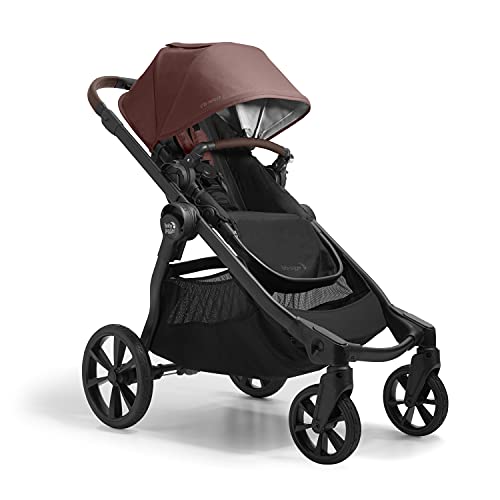
Walking around town can be pleasant in active areas during the day, yet distance and heat can sneak up fast. Sidewalks may be uneven, lighting may change block by block, and beach roads can feel longer than they look on a map. Use shoes that handle pavement, sand, and sudden rain without making your feet miserable. For family beach days or rough paths, Move more comfortably with buggy for all terrain support that handles uneven ground better than flimsy wheels.
Beach, Weather, And Water Risks
Beach safety in Riviera Maya is about more than keeping an eye on your bag. Currents, reef areas, rocks, boat traffic, and changing weather can affect a swim that looked harmless from shore. Pay attention to beach flags and lifeguard instructions, even if the water looks calm enough for a postcard. A pretty shoreline doesn’t cancel out water conditions.
Sargassum can affect the beach experience during heavier seasons, especially along exposed coastlines. It may change water clarity, create odors, and make swimming less appealing in certain areas. Resorts and municipalities often clean beaches, but conditions can shift by day and location. Flexible plans help, because pool time, cenotes, protected bays, or inland activities can save the mood.
Heat and dehydration are quiet troublemakers. People land in vacation mode, drink less water than they should, walk more than expected, and underestimate the sun bouncing off sand and pale stone. Carry water, use shade, and reapply sunscreen without turning it into a negotiation. A packed schedule loses its charm fast once heat exhaustion enters the chat.
Snorkeling and cenote trips need basic respect for rules and gear. Use life jackets where required, avoid touching coral, and don’t jump into water unless the area is clearly marked for it. Cenotes can be refreshing and beautiful, but wet stone, stairs, depth changes, and crowded platforms require patience. Good vacation judgment often sounds like slow down, and honestly, that advice holds up.
Health, Food, And Common Travel Frustrations
Food safety doesn’t mean avoiding every taco stand or local dish. It means watching freshness, choosing busy places, and being cautious with anything that seems poorly stored or lukewarm. Resort buffets can also deserve scrutiny if food sits out too long, so trust your eyes and nose. A great meal should lead to a beach walk, not a day stuck near the bathroom because basic caution got ignored.
Drinking water is one of the easiest places to stay disciplined. Stick with bottled or filtered water, use sealed bottles when brushing teeth if advised by your lodging, and avoid ice from questionable sources outside established places. Many hotels handle this well, but assumptions can still backfire. Keeping hydration simple protects your plans from stomach issues and heat fatigue.
Medical planning sounds dramatic until someone needs a pharmacy, clinic, or doctor after hours. Save the location of nearby clinics, carry travel insurance details, and keep essential medication in your personal bag instead of checked luggage. In resort corridors, help is often available, but payment rules and language gaps can add pressure. Preparation isn’t pessimism, it’s vacation damage control.
Packing light but smart can reduce daily friction, especially on beach days with sunscreen, water bottles, hats, sandals, and a change of clothes. A floppy tote may look cute, but it can become a sand-filled mess by lunch. Keep wet items separate, use small pouches for documents, and avoid carrying valuables you don’t need. For short resort hops and beach-to-dinner moves, Carry essentials without bulk by using travel duffel bags for men that make quick packing less annoying.
How To Stay Safe In Riviera Maya Without Overplanning
Safety in Riviera Maya gets easier once the trip stops feeling like a pile of loose decisions. The big stuff matters, sure, but the smaller choices usually shape the mood of the whole vacation. A clear ride plan, a realistic beach schedule, and a bag that doesn’t fight you at every doorway can make the region feel calmer. The trick is building a trip that leaves room for fun while keeping avoidable stress out of the picture.
Overplanning can drain the joy out of a beach escape, yet winging everything isn’t smart either. A better middle ground is to lock in the parts that affect safety, then keep the rest flexible. Airport transfers, late-night rides, important documents, weather backup plans, and health basics deserve attention before the suitcase closes. After that, you can let the slower moments breathe without feeling like every hour needs a script.
Travel comfort matters more in Riviera Maya than many people expect because heat, sand, stairs, vans, ferries, and resort paths can wear people down. Bags that roll poorly or feel awkward to lift can turn a simple transfer into a sweaty mess. Make movement smoother with travel luggage for seniors if easier handling, lighter lifting, and steadier mobility are priorities for the trip. Small gear decisions can reduce fatigue, especially during airport arrivals and hotel changes.
Smart packing also helps travelers avoid carrying too much cash, too many valuables, or too many “just in case” items around town. Keep a smaller day setup for sunscreen, water, medicine, a copy of your passport, and one payment card. Leave extra documents, jewelry, and backup cards secured at the hotel. That simple split keeps daily movement lighter and lowers the damage if something gets misplaced.
Use Local Movement Rules That Actually Work
Getting around Riviera Maya feels smoother when transportation is planned before the day gets noisy. Hotel-arranged taxis, pre-booked transfers, and established tour pickups remove a lot of awkward negotiation. Random last-minute rides can still happen, but they shouldn’t be the main strategy after dark. A safer trip usually starts with less guessing and fewer rushed decisions.
Walking is fine in many active areas during the day, but distance can fool you near beach roads and resort corridors. Heat makes short routes feel longer, and uneven sidewalks can slow down even easy errands. Wear shoes that can handle sand, puddles, and cracked pavement without turning your feet into a complaint department. Comfort isn’t fancy here, it’s basic travel insurance for your mood.
Day trips to cenotes, ruins, beaches, and snorkeling spots should be matched to energy level, not just pretty photos. A stacked itinerary sounds exciting at breakfast and brutal by midafternoon. Pick fewer stops if the route includes heat, crowds, stairs, or long drives. Riviera Maya rewards a slower pace because rushing makes people careless.
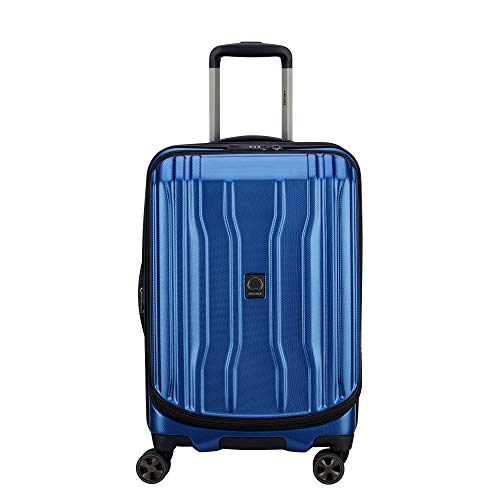
Carry-on strategy can make quick transfers much easier, especially for short stays or split hotel plans. A lighter suitcase gives you more control in vans, hotel lobbies, and crowded airport lines. Travel with less drag by using lightweight expandable carry on options that give room for extras without making every move feel clumsy. That kind of setup supports mobility without forcing you to pack like a minimalist.
Handle Food, Drinks, And Beach Days With Common Sense
Food and drink safety can shape the whole trip because one bad meal can steal a full day. Stick with busy restaurants, watch food temperature, and be careful with anything that looks like it has been sitting too long. Street food can be memorable, but freshness and turnover matter. A little caution protects beach time, which is probably why the trip was booked in the first place.
Hydration sounds boring until the sun starts doing its job. Riviera Maya heat can sneak up during walks, ruins visits, shopping, and long beach afternoons. Keep bottled or filtered water nearby, especially if alcohol, salty food, or swimming are part of the day. Feeling good in the tropics often comes down to water, shade, and not acting tougher than the weather.
Beach days need a flexible mindset because the Caribbean doesn’t care about anyone’s schedule. Sargassum, waves, red flags, rain bursts, and crowded shoreline areas can shift plans quickly. Look at the water before jumping in, follow posted flags, and ask staff about current conditions. The safest beach plan is one that respects daily conditions instead of forcing yesterday’s expectations onto today.
Alcohol deserves its own boundary because relaxed settings can blur judgment fast. Keep drinks in sight, pace yourself, and know how you’re getting back before the night starts stretching. Trouble often shows up after people get separated, lose their phone, or accept a sketchy ride because they’re tired. Clear limits keep nightlife fun without letting it run the trip.
Keep Documents, Money, And Devices Low-Drama
Document safety is one of those dull travel habits that pays off only when something goes wrong. Keep your passport in the hotel safe unless you truly need it, and carry a copy or digital backup in a secure place. Store travel insurance details where they can be reached without internet. That setup makes lost items annoying instead of trip-breaking.
Money management should stay simple. Use secure ATMs, avoid flashing cash, and split payment methods between your room safe and daily carry. Small bills help with tips, taxis, and quick purchases, but too much cash creates unnecessary risk. The goal is easy access without turning your wallet into a public announcement.
Phones are useful tools and easy targets. Don’t leave one sitting on a beach chair, bar top, restaurant table, or loose bag pocket. Use offline maps, keep your battery charged, and set up a backup way to contact your hotel or travel partner. Losing a phone abroad is a pain, but losing your only map, payment app, and contact list at once is pure chaos.
Resort safes aren’t exciting, but they help create cleaner daily habits. Put extra cards, passports, expensive jewelry, and backup cash away before heading out. Carry only what fits the day’s plan, not everything you brought from home. Riviera Maya feels easier when valuable items aren’t tagging along to every beach chair and taco stop.
Plan Excursions With Realistic Expectations
Excursions can be the best part of Riviera Maya, but they also add the most variables. Cenotes, ruins, reefs, jungle roads, and boat trips all come with different safety details. Read the itinerary carefully, ask what is included, and check whether pickup, equipment, and entrance fees are clear. Vague plans create avoidable confusion once the day is already moving.
Cenote visits require patience because stone steps, wet platforms, depth changes, and crowds can make movement tricky. Wear secure footwear, use life jackets where required, and don’t jump unless the area is clearly marked. Cold water can surprise people too, especially after standing in humid air. Respecting the site keeps the experience beautiful instead of turning it into a preventable mishap.
Ruins and outdoor parks can be tougher than expected in direct sun. Bring water, wear a hat, and plan breaks instead of charging through every path at once. Early starts often feel better, but they also require honest pacing after travel days. A good excursion leaves you tired in a happy way, not wiped out because heat management got ignored.
Tour operators should be judged by clarity, not just price. Look for clear pickup details, realistic schedules, safety instructions, and equipment information. Cheap tours can still be fine, but unclear communication is a red flag. Paying attention before booking helps avoid last-minute surprises that drain time and patience.
Match Your Stay To The Trip You Actually Want
Hotel location can affect safety, comfort, and daily spending more than the room photos suggest. A remote resort may feel peaceful but require paid rides for every outing. A central stay may make restaurants easier but bring more street noise and nightlife energy. Pick the base that fits your real habits, not the fantasy version of the trip.
All-inclusive resorts can reduce daily decisions, especially for travelers who want controlled transportation, easy meals, and fewer cash moments. The tradeoff is less flexibility and sometimes less connection to local neighborhoods. Boutique stays can feel more personal, but they may ask for more planning around rides and meals. Neither style is automatically better because fit matters more than labels.
Beachfront stays sound simple, yet not every beach is equally swimmable or easy to walk. Some areas deal with more seaweed, rocks, erosion, or boat activity. Read recent guest comments carefully and look for mentions of beach access, water conditions, and walking distance. Pretty photos help, but recent practical details tell the better story.
Budget expectations should include more than the room rate. Transfers, taxis, beach clubs, tips, excursions, park fees, and restaurant prices can add up quickly. A hotel that looks cheaper may cost more if every outing needs a long ride. The smarter move is comparing the full rhythm of the stay, including time, effort, and transportation.
Read Safety Advice Without Letting Fear Run The Trip
Travel advisories are useful, but they work best as planning tools rather than mood killers. Read them before departure, notice the specific area guidance, and compare that with your route. Broad warnings can sound intense, yet local conditions vary by town, neighborhood, and time of day. Good planning means taking official guidance seriously without letting it flatten the whole destination.
News headlines can make Riviera Maya sound either scary or spotless, depending on the story. Real travel sits somewhere messier and more practical. Most visitors are thinking about safe rides, clean food, swimmable beaches, fair prices, and getting back to the hotel without drama. Those everyday details deserve more attention than extreme stories that don’t match the actual itinerary.
Personal boundaries are the quiet backbone of a safe trip. Say no to pressure, walk away from sketchy offers, and don’t let politeness trap you in a situation that feels off. Keep plans clear with travel partners and avoid splitting up late at night without a ride plan. A confident no can be one of the most useful travel tools you bring.
Is it safe to travel to riviera maya depends on how the trip is built, how flexible the plan stays, and how well everyday decisions are handled. The destination can feel relaxed, scenic, and deeply enjoyable when transportation, beach conditions, money, documents, and health basics are treated with care. It doesn’t need fear, and it doesn’t reward carelessness either. The sweet spot is prepared but not tense, with enough structure to prevent problems and enough space to enjoy the coast.


9 Best Travel Camping Table of 2026 For Uneven Ground

12 Best Heavy Duty Camping Table of 2026 That Will Not Wobble or Sag
10 Best Sleeping Bags For Tall People of 2026 To Stretch Out Fully
8 Best Camping Table Adjustable Legs of 2026 for Uneven Ground

10 Best Diaper Bag Backpacks For Dads of 2026 With Fast Gear Access

11 Best Framed Luggage of 2026 For Zipperless Security

11 Best Folding Two Wheeler For Luggage of 2026 To Prevent Tipping

11 Best Expandable Roller Luggage of 2026 That Fit Overhead Bins