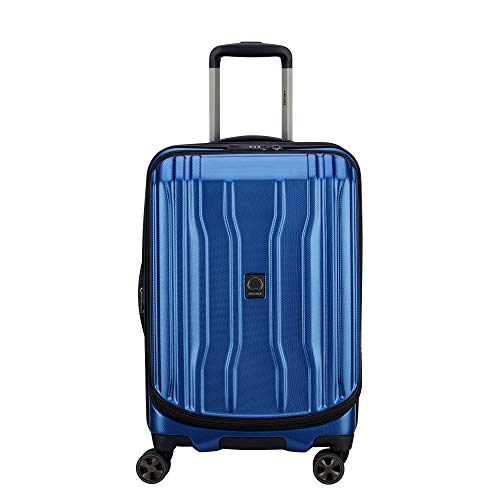
Is It Safe To Travel To South Africa? Smart Tips

Is it safe to travel to south africa is the kind of question that deserves a straight answer, not sugarcoating. The honest take? South Africa can be rewarding, beautiful, and deeply memorable, but it asks travelers to stay switched on. Big cities, scenic drives, wildlife areas, wine regions, beaches, and cultural stops all come with different risk levels, so smart planning matters more than wishful thinking. A relaxed trip starts with knowing where to go, when to move around, and which habits quietly lower the odds of trouble.
Personal safety usually comes down to routine choices that sound simple until they’re ignored. Keep valuables out of sight, use trusted transport, avoid wandering unfamiliar areas after dark, and don’t flash phones, cameras, or cash in busy public spaces. Well, that may sound like common-sense stuff, but it’s often the difference between a smooth day and a headache. South Africa rewards curiosity, but it doesn’t reward carelessness.
Transport choices carry a lot of weight, especially in larger cities like Johannesburg, Cape Town, and Durban. Renting a car can make sense for scenic routes, national parks, and wine country, though driving after dark in unfamiliar places can be a bad bargain. Ride-hailing services, hotel transfers, and guided tours often remove guesswork, especially for airport arrivals or evening plans. So, instead of winging it, build the trip around routes that feel practical, not heroic.
Accommodation location also changes the feel of the trip fast. A cheaper stay far from restaurants, transport, or well-lit streets can cost more in stress than it saves in cash. Choose places with clear recent reviews, secure parking when needed, and easy access to daytime activities. Better yet, ask the accommodation about safe walking areas, taxi options, and local do’s and don’ts before heading out.
Wildlife and outdoor safety deserves its own bit of respect. Safari areas, hiking trails, beaches, and mountain routes aren’t theme parks, even when they look postcard-pretty. Follow ranger rules, check weather before hikes, swim only where conditions are safe, and treat baboons, hippos, elephants, and other animals like wild animals, not photo props. That “just one closer shot” mindset can go sideways quicker than expected.
Health preparation should be handled before the suitcase is zipped. Some regions may require extra attention to mosquito protection, sun exposure, hydration, food hygiene, or travel insurance coverage. Medical care can be strong in major cities, but remote areas may not offer quick help. For peace of mind, pack prescription meds, basic first-aid items, backup payment options, and copies of key documents.
Is it safe to travel to south africa depends less on fear and more on judgment. The country isn’t a place to drift through blindly, but it also shouldn’t be reduced to warnings and worry. With the right neighborhoods, reliable transport, realistic timing, and a low-key approach to valuables, the trip can feel rich, grounded, and surprisingly easy to love. Go in with your eyes open, and South Africa has a way of sticking with you.

- TLR Rank10.0
TLR Rank is a ranking system developed by TravelLuggageReviews.com. TLR Rank has no relationship or impact from any manufacturers or sales agent websites. Learn more
- BrandFodor's Travel

- TLR Rank10.0
TLR Rank is a ranking system developed by TravelLuggageReviews.com. TLR Rank has no relationship or impact from any manufacturers or sales agent websites. Learn more
- BrandN/A

- TLR Rank9.4
TLR Rank is a ranking system developed by TravelLuggageReviews.com. TLR Rank has no relationship or impact from any manufacturers or sales agent websites. Learn more
- BrandGlobe Pequot Press

- TLR Rank9.2
TLR Rank is a ranking system developed by TravelLuggageReviews.com. TLR Rank has no relationship or impact from any manufacturers or sales agent websites. Learn more
- Brandkakahigh

- TLR Rank9.2
TLR Rank is a ranking system developed by TravelLuggageReviews.com. TLR Rank has no relationship or impact from any manufacturers or sales agent websites. Learn more
- BrandFodor's Travel

- TLR Rank-
TLR Rank is a ranking system developed by TravelLuggageReviews.com. TLR Rank has no relationship or impact from any manufacturers or sales agent websites. Learn more
- BrandN/A

- TLR Rank-
TLR Rank is a ranking system developed by TravelLuggageReviews.com. TLR Rank has no relationship or impact from any manufacturers or sales agent websites. Learn more
- BrandN/A

- TLR Rank-
TLR Rank is a ranking system developed by TravelLuggageReviews.com. TLR Rank has no relationship or impact from any manufacturers or sales agent websites. Learn more
- BrandN/A

- TLR Rank-
TLR Rank is a ranking system developed by TravelLuggageReviews.com. TLR Rank has no relationship or impact from any manufacturers or sales agent websites. Learn more
- BrandN/A

- TLR Rank-
TLR Rank is a ranking system developed by TravelLuggageReviews.com. TLR Rank has no relationship or impact from any manufacturers or sales agent websites. Learn more
- BrandN/A
Last update on 2026-08-10 / Affiliate links / Images, Product Titles, and Product Highlights from Amazon Product Advertising API
Is It Safe To Travel To South Africa?
Big trips can get weird fast when the dream version meets the practical version. A safari, Cape Town views, wine valleys, beaches, food markets, and road trips all sound tempting, but is it safe to travel to south africa still needs a clear-eyed answer. The country can be deeply rewarding, yet personal safety depends on planning, timing, neighborhood choices, and how casually someone handles valuables. Go in switched on, not scared stiff, and the trip becomes much easier to manage.
Start With A Realistic Safety Mindset
South Africa travel safety sits in the middle ground. It is not a place to treat like a sleepy resort bubble, but it is also not a destination to write off with one scary headline. Official travel advice often points to crime, theft, robberies, and transport risks, especially around big cities and certain road routes. That means the smarter move is not panic, it is building a trip that avoids obvious weak spots.
The big mistake is acting like confidence can replace preparation. A relaxed walk with a phone in hand, a late drive through an unfamiliar area, or a cheap room far from safe transport can turn a simple plan into a mess. Street awareness matters because many problems happen during ordinary moments, not dramatic adventures. A good trip starts with boring decisions made early, which is honestly where most travel wins are hiding.
Is it safe to travel to south africa becomes easier to answer once the itinerary has shape. Cape Town, Johannesburg, Durban, Kruger routes, the Garden Route, and wine regions each ask for different habits. A beach day, a city dinner, and a safari transfer do not carry the same risk. Treat each area like its own little puzzle, and you will stop relying on vague yes-or-no travel advice.
That mindset also helps with packing and movement. Keep luggage practical, documents backed up, and daily carry items light enough that you are not wrestling with bags in public. Pack smarter for short stays with this planning angle: best size luggage for 3 day trip can help keep airport transfers and city check-ins less clumsy. Low-friction travel is not glamorous, but it keeps attention where it belongs.
Choose Areas And Routes With Care
Location choice can make South Africa feel either smooth or stressful. A cheaper stay in the wrong pocket may create daily transport headaches, especially after dark. Look for places with recent reviews that mention secure entry, safe parking, nearby restaurants, and easy ride-hailing access. The neighborhood around the accommodation matters just as much as the room itself.
Cape Town often feels more intuitive for first-time visitors because many attractions cluster around well-known areas. Still, tourist-friendly does not mean careless-friendly. Popular spots can attract pickpocketing, smash-and-grab theft, and opportunistic crime, especially near parking areas or crowded viewpoints. Keep the pretty view, lose the visible phone and loose bag routine.
Johannesburg needs a more deliberate rhythm. It has strong food, art, history, and business energy, but casual wandering can be a poor plan in the wrong area. Use trusted transport, plan museum visits and restaurants before leaving, and avoid turning a navigation mistake into an improvised walking tour. Local advice from the hotel or guide is worth more than a random comment thread.
Road routes deserve respect, especially around rural stretches, national park approaches, and unfamiliar towns. Drive during daylight, keep doors locked, leave space at intersections, and avoid stopping in isolated areas unless it feels clearly safe. Daylight movement gives travelers better visibility, better choices, and fewer awkward decisions. That one habit can remove a lot of unnecessary tension from the trip.
Handle Transport Like It Matters
Transport planning is one of the clearest safety levers in South Africa. Airport arrivals, evening dinners, and transfers between neighborhoods are not the moments to improvise like a movie character. Ride-hailing, hotel transfers, reputable shuttle services, and guided tours can reduce the chance of ending up somewhere awkward. The goal is simple: fewer unknowns, fewer exposed moments.
Renting a car can be useful for wine country, the Garden Route, safari regions, and flexible day trips. Still, driving confidence should not turn into stubbornness. Local road behavior, long distances, potholes, animals, pedestrians, and security issues around stops can surprise visitors. Keep routes simple, fuel up before remote stretches, and avoid night driving unless the route is familiar and clearly recommended.
Public transport can be uneven, depending on the city and route. Some options may be fine for routine commuters, yet they may not suit a visitor carrying bags, cameras, and no local context. Convenience should not be the only filter. Ask where the service starts, where it ends, what the walk looks like, and whether the time of day changes the risk.
Light daily carry helps more than people think. A bulky bag can make someone slower at doors, payment counters, sidewalks, and rideshare pickups. Stay hands-free and comfortable with this practical pick: best small lightweight backpack for walking fits the kind of day where water, sunscreen, a layer, and basic documents need to stay close. Quiet, compact gear beats flashy travel clutter.
Protect Valuables Without Acting Paranoid
Valuable control is not about clutching a bag with white knuckles all day. It is about making theft less easy and less tempting. Keep phones off café table edges, avoid dangling cameras in crowded areas, and do not count cash in public. Small habits keep attention low, and low attention is a good thing here.
Cards and cash should be split rather than carried in one happy little disaster pouch. Keep a backup card separate, save digital copies of key documents, and know how to freeze accounts if something goes missing. Backup planning feels boring until it saves the whole trip from spiraling. Nobody wants to spend a travel day begging a bank app to cooperate on weak hotel Wi-Fi.
ATMs deserve a little caution. Use machines inside banks, malls, hotels, or well-monitored locations instead of quiet street corners. Cover the keypad, decline help from strangers, and walk away if the setup feels off. Money safety is less about fear and more about refusing awkward situations before they start.
Big luggage should not become a public announcement. A long transfer with oversized bags can make airport exits, hotel arrivals, and vehicle loading feel clumsy. Keep larger packing choices tied to the actual route, not fantasy outfits. For longer routes or checked-bag planning, size up the tradeoff with best travel bag 28 inch before dragging too much through city spaces.
Plan Wildlife, Hiking, And Outdoor Days Carefully
Outdoor safety in South Africa has its own rulebook. Safari areas, mountain trails, beaches, and coastal roads can look easy on a screen, then feel very different in real weather and real distance. Follow ranger instructions, local signs, and guide advice without trying to outsmart nature. Wild animals, ocean currents, sudden fog, and heat do not care how excited anyone is.
Safari travel is usually one of the most structured parts of the trip, which can be a relief. Still, wildlife rules exist because animals are unpredictable and space matters. Stay in the vehicle where required, keep quiet near animals, and never treat a close sighting like a selfie challenge. The best safari memories come from patience, not pushing the line for a better angle.
Hiking around Cape Town or other scenic areas needs more preparation than a casual city walk. Go with others where possible, check current route advice, start early enough, and avoid carrying obvious valuables. Trail awareness includes weather, daylight, fitness, water, and security. A gorgeous path can still be a poor choice if the timing, route, or company is wrong.
Beach safety also deserves a serious nod. Swim only where conditions are clearly safe, respect lifeguard warnings, and do not assume calm-looking water is harmless. Practical caution keeps the trip fun without turning every activity into a risk lecture. South Africa’s outdoor beauty is a huge reason to go, but the best days are the ones planned with a little humility.
Read Local Signals Before They Become Problems
Local awareness often beats a rigid checklist. If a street empties out, shops close early, a parking area feels tense, or the hotel staff suggests a different route, listen. Travel confidence should flex with the moment. Sticking to a plan just because it looked good that morning can be a rookie move.
Ask specific questions instead of broad ones. “Is this area safe?” can get a polite answer, but “Can I walk back after dinner at 9 p.m.?” gets closer to useful truth. Better questions lead to better decisions, especially around nightlife, beaches, markets, and transport. Locals often know the tiny details that never make it into a glossy travel guide.
Keep a little emotional distance from online extremes. Some posts make South Africa sound effortless, while others make it sound impossible. Balanced planning lives between those two moods. Real safety comes from matching your route, habits, timing, and budget to the places you actually plan to visit.
Is it safe to travel to south africa is not answered by one warning label or one beautiful reel. It is answered each day through choices that stack up: where you stay, how you move, what you carry, who you trust, and how quickly you adjust when something feels off. That is not glamorous travel advice, but it is the kind that keeps the good parts of the trip in focus. South Africa can give a lot back when the plan leaves room for caution, curiosity, and common sense.
Is It Safe To Travel To South Africa For Careful Travelers?
A safe South Africa trip feels much better once the daily rhythm stops depending on luck. Is it safe to travel to south africa becomes a practical question about where you sleep, how you move, what you carry, and how quickly you read a situation. Big scenery can pull attention away from small risks, and that is usually where trouble sneaks in. Keep the plan flexible, but make the safety basics non-negotiable.
Accommodation planning deserves more thought than just price and pretty photos. A beautiful room can still be frustrating if the street feels empty at night or every dinner requires a long ride. Stay near reliable transport, active streets, and places you actually plan to visit. That simple choice reduces late-night guessing, awkward walks, and rushed decisions.
Bag control also affects how safe the trip feels. A bulky day setup can slow you down at markets, viewpoints, airport pickups, and hotel entrances. For city days or short safari transfers, a compact carry option like a best 35 litre backpack can keep layers, water, documents, and chargers close without turning every stop into a juggling act. The less you fumble, the less attention you draw.
Local advice should shape the day, not just sit in the background. Ask hotel staff, guides, or hosts which streets feel fine on foot, which areas need transport, and which times feel less comfortable. Specific questions get better answers than vague safety talk. A calm traveler who adjusts quickly usually has a smoother time than someone trying to prove a point.
Is It Safe To Travel To South Africa Without A Guided Tour?
Independent travel can work in South Africa, but self-guided plans need structure. A loose day with no route, no transport plan, and no backup can turn annoying fast. Keep mornings for bigger moves, use daylight for unfamiliar routes, and save evenings for places with easy rides back. Freedom feels better when it is not mixed with unnecessary exposure.
Guided tours can be worth the cost in areas where context matters. Township visits, wildlife drives, long-distance transfers, and certain hikes are often better with someone who knows the ground. That does not mean every moment needs a guide. It means the higher-friction parts of the trip deserve stronger support.
Solo movement asks for extra discipline. Share plans with someone, keep your phone charged, avoid isolated viewpoints, and do not wander into unknown streets just because the map says the walk is short. Route awareness beats blind confidence every time. South Africa rewards curiosity, but curiosity still needs boundaries.
Group travel has its own tradeoffs. A group can feel safer, but big groups can also move slowly, make loud decisions, and attract attention around bags or cameras. Keep valuables quiet, agree on meeting points, and avoid splitting up in unfamiliar places after dark. A little coordination keeps the mood relaxed without turning the day into a safety lecture.
Is It Safe To Travel To South Africa With Checked Luggage?
Checked luggage can be useful for longer routes, safari clothing, cooler evenings, and varied weather. Still, large bags need a plan from the airport to the hotel and between stops. Do not leave luggage visible in parked cars, even for a quick meal or photo stop. Visible bags can create temptation in places where you should be moving cleanly and quietly.
Softside luggage can be easier to handle during transfers, especially when vehicles have tight trunks or lodging has stairs. A practical option like lightweight softside checked luggage fits trips where flexibility matters more than showing off a polished suitcase. Travel gear should support movement, not turn every check-in into a wrestling match. The right bag does not make the country safer, but it does remove avoidable friction.
Airport safety starts before stepping outside the terminal. Arrange pickup in advance, use official transport points, and ignore unsolicited offers from strangers. Keep passports, cards, and phones close to the body rather than buried in an outer pocket. That first hour after arrival is not the time to test your improvisation skills.
Hotel luggage storage should be handled with the same common sense. Use formal storage, keep receipts or tags, and separate essentials before handing over a bag. Document backups, medication, payment cards, and a change of clothes should stay easy to reach. Small preparation makes delays, missing bags, or schedule changes much less stressful.
Is It Safe To Travel To South Africa At Night?
Night movement is where many travel plans need tightening. After-dark safety is not about hiding in the room, but it does mean skipping casual walks in unfamiliar places. Use ride-hailing, hotel taxis, or arranged transport for dinners, events, and late arrivals. A short distance on the map can feel very different on a quiet street.
Restaurants, bars, and waterfront areas can feel lively and comfortable, yet the return trip still matters. Confirm pickup points before leaving, wait inside when possible, and avoid standing outside with a phone glowing in your hand. Exit planning keeps the end of the night from becoming the weakest part of the day. Good evenings often come down to boring logistics handled early.
Driving at night needs caution, especially outside familiar urban routes. Poor lighting, road hazards, animals, pedestrians, and security concerns can make night driving more demanding than expected. Daylight transfers are usually the smarter play for longer distances. Save the energy for the actual experience, not tense hours behind the wheel.
Late-night confidence can get expensive. A few drinks, a dead phone, or a vague address can turn simple transport into a headache. Keep a backup battery, confirm the destination, and avoid accepting rides that were not booked through a trusted channel. Clear decisions matter most when the day has already worn you down.
Is It Safe To Travel To South Africa With Family?
Family travel in South Africa can be rich, but pace control matters more than a packed schedule. Long drives, heat, waiting times, and security habits can wear everyone out. Build days around fewer stops, safer transitions, and easy meals rather than trying to squeeze in every famous view. A calmer plan usually creates better memories.
Child-friendly safety is mostly about reducing loose moments. Keep kids close in busy areas, set simple rules for markets and parking lots, and avoid letting anyone wander ahead near beaches, trails, or viewpoints. Wildlife areas need especially firm boundaries. Animals are not background decorations, no matter how peaceful they look from the vehicle.
Health planning should be practical, not dramatic. Pack sunscreen, hydration supplies, basic medicine, prescriptions, and snacks for long stretches between stops. Travel insurance is worth having because private medical care can be costly, and remote areas may require more time to reach help. Nobody wants a small issue to turn into a full-day scramble.
Accommodation should match the real trip, not the fantasy version. Secure parking, laundry access, breakfast options, and nearby restaurants can make family travel less brittle. Easy logistics reduce stress, especially after safari drives, beach days, or airport transfers. South Africa can be a strong family destination when the route avoids unnecessary strain.
Is It Safe To Travel To South Africa On A Budget?
Budget travel is possible, but cheap choices should not create safety problems. The lowest-cost room, longest transfer, or least familiar transport route can add hidden pressure. Spend money where it protects the trip: location, safe transport, travel insurance, and reliable communication. Saving a little is not worth feeling boxed in every evening.
Food, scenery, hikes, beaches, and markets can keep costs reasonable without forcing risky decisions. The trick is keeping the day simple and staying near areas with steady activity. Smart budgeting means paying for the things that reduce uncertainty and trimming the things that do not. That might mean fewer hotel changes, fewer late rides, and better-planned meals.
Cash habits matter on a tighter budget too. Carry small amounts, use secure ATMs, and avoid showing a full wallet during small purchases. Money control keeps daily spending from becoming a public display. Cards are useful, but a backup payment method can save the day if one account gets blocked or lost.
A budget trip should still leave room for guided help in the right places. Paying for a reputable safari transfer, a safe airport pickup, or a knowledgeable local guide can be better value than patching together risky shortcuts. Safety spending is not wasted money if it prevents stress, delays, or exposure. The goal is not luxury, it is a trip that feels steady from morning to night.

9 Best Travel Camping Table of 2026 For Uneven Ground

12 Best Heavy Duty Camping Table of 2026 That Will Not Wobble or Sag
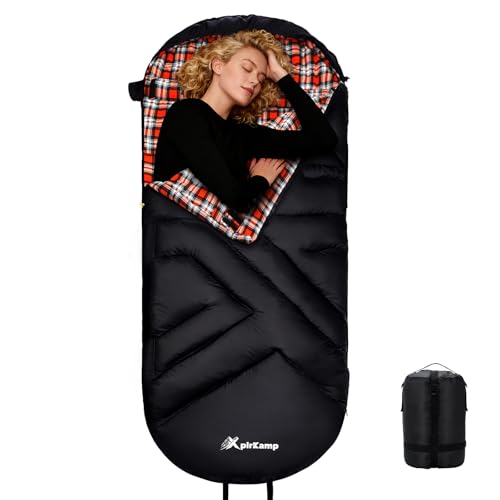
10 Best Sleeping Bags For Tall People of 2026 To Stretch Out Fully
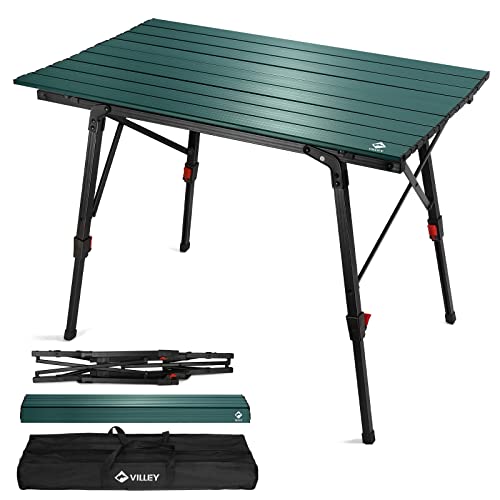
8 Best Camping Table Adjustable Legs of 2026 for Uneven Ground

10 Best Diaper Bag Backpacks For Dads of 2026 With Fast Gear Access

11 Best Framed Luggage of 2026 For Zipperless Security

11 Best Folding Two Wheeler For Luggage of 2026 To Prevent Tipping

11 Best Expandable Roller Luggage of 2026 That Fit Overhead Bins