
Is It Safe To Travel To South Korea Right Now?

Travel plans feel a lot better when the basics are clear, and is it safe to travel to south korea right now is a fair question, not a nervous overreaction. South Korea remains a generally manageable destination for careful visitors, with strong transport systems, clean public spaces, and a travel rhythm that feels organized once you get the hang of it. Still, smart planning matters because crowded markets, nightlife districts, political gatherings, and sudden regional tension can turn a smooth trip into a headache. So, yes, the overall picture is reassuring, but it’s not a reason to switch your brain off.
Most everyday safety concerns are practical rather than dramatic. Petty theft can happen around busy shopping streets, subway stations, festivals, and tourist-heavy areas, especially when bags are left open or phones sit loose on café tables. Late-night bar areas can also feel different after midnight, so keeping drinks in sight, using registered taxis, and leaving with a clear route back to the hotel makes plain sense. Well, it’s the kind of boring advice that saves real trouble.
Health and comfort deserve attention too, especially during seasonal weather swings. Summer can bring heavy rain, sticky humidity, and stormy travel delays, while winter may feel sharp enough to bite through thin layers. Air quality can also shift, so packing a good mask isn’t overthinking it, particularly for long walks around Seoul or Busan. A little flexibility, backed by travel insurance and refundable bookings, keeps the trip from feeling fragile.
The North Korea issue sits in the background, but daily life in South Korea usually moves along normally. Visitors shouldn’t treat the Demilitarized Zone like a casual selfie stop without following official rules, and demonstrations are best avoided even when they look peaceful. Local alerts, hotel front desks, and official notices can give quick guidance if something changes. In short, situational awareness beats panic every single time.
Entry planning is another place where small details carry weight. Passport validity, visa-free stay rules, airline requirements, and electronic travel authorization exemptions can vary by nationality, so checking official requirements before booking saves last-minute stress. Keep digital and paper copies of key documents, store emergency contacts somewhere easy to reach, and don’t rely only on airport Wi-Fi to solve problems. That’s not paranoia, it’s tidy travel.
The best approach is calm but alert. South Korea rewards travelers who plan subway routes, respect local laws, watch belongings in crowds, and leave room for weather or schedule changes. Safe travel in South Korea doesn’t mean every corner is risk-free; it means the main risks are usually manageable with common sense. Pack lightly, move thoughtfully, and the trip can feel exciting without feeling reckless.

- TLR Rank10.0
TLR Rank is a ranking system developed by TravelLuggageReviews.com. TLR Rank has no relationship or impact from any manufacturers or sales agent websites. Learn more
- BrandN/A

- TLR Rank9.4
TLR Rank is a ranking system developed by TravelLuggageReviews.com. TLR Rank has no relationship or impact from any manufacturers or sales agent websites. Learn more
- BrandN/A

- TLR Rank9.4
TLR Rank is a ranking system developed by TravelLuggageReviews.com. TLR Rank has no relationship or impact from any manufacturers or sales agent websites. Learn more
- BrandN/A

- TLR Rank9.4
TLR Rank is a ranking system developed by TravelLuggageReviews.com. TLR Rank has no relationship or impact from any manufacturers or sales agent websites. Learn more
- BrandLonely Planet

- TLR Rank9.2
TLR Rank is a ranking system developed by TravelLuggageReviews.com. TLR Rank has no relationship or impact from any manufacturers or sales agent websites. Learn more
- BrandLonely Planet

- TLR Rank9.0
TLR Rank is a ranking system developed by TravelLuggageReviews.com. TLR Rank has no relationship or impact from any manufacturers or sales agent websites. Learn more
- BrandN/A

- TLR Rank7.0
TLR Rank is a ranking system developed by TravelLuggageReviews.com. TLR Rank has no relationship or impact from any manufacturers or sales agent websites. Learn more
- BrandIndependently Published

- TLR Rank-
TLR Rank is a ranking system developed by TravelLuggageReviews.com. TLR Rank has no relationship or impact from any manufacturers or sales agent websites. Learn more
- BrandN/A

- TLR Rank-
TLR Rank is a ranking system developed by TravelLuggageReviews.com. TLR Rank has no relationship or impact from any manufacturers or sales agent websites. Learn more
- BrandN/A

- TLR Rank-
TLR Rank is a ranking system developed by TravelLuggageReviews.com. TLR Rank has no relationship or impact from any manufacturers or sales agent websites. Learn more
- BrandMajosta

- TLR Rank-
TLR Rank is a ranking system developed by TravelLuggageReviews.com. TLR Rank has no relationship or impact from any manufacturers or sales agent websites. Learn more
- BrandN/A

- TLR Rank-
TLR Rank is a ranking system developed by TravelLuggageReviews.com. TLR Rank has no relationship or impact from any manufacturers or sales agent websites. Learn more
- BrandN/A
Last update on 2026-08-14 / Affiliate links / Images, Product Titles, and Product Highlights from Amazon Product Advertising API
Is It Safe To Travel To South Korea Right Now
A headline can rattle even the most excited traveler, especially with flights booked, hotels paid for, and a suitcase half-packed on the floor. The better question isn’t just whether is it safe to travel to south korea right now, but what kind of preparation makes the trip feel steady instead of stressful. South Korea is generally a low-friction destination for careful visitors, with reliable public transportation, visible city services, and a daily pace that feels organized once you settle in. Still, smart travel means reading the room, watching local alerts, and treating crowds, weather, nightlife, and regional tension with practical respect.
Current Safety Picture For South Korea Travelers
South Korea remains a place where normal travel can make sense, especially for visitors who don’t wander into plans with their eyes closed. Official travel guidance from several governments has kept the country in a generally manageable safety category, which lines up with what many travelers notice on the ground: clean transit systems, busy commercial districts, and a strong police presence around major events. That doesn’t mean every day feels effortless, because public demonstrations, sudden security alerts, or weather delays can still change the mood fast. A calm traveler checks updates, moves with common sense, and avoids acting like “safe” means “nothing can happen.”
The main friction points are usually ordinary, not dramatic. Crowded shopping streets in Seoul, packed subway cars, nightlife alleys, and tourist photo spots can create easy chances for petty theft or misplaced belongings. Phones left on café tables, open tote bags, and wallets tucked into back pockets can turn a fun afternoon into a mess. Keep valuables close, use a crossbody bag or zipped daypack, and don’t let the clean streets fool you into dropping your guard.
Regional tension with North Korea sits in the background, and yes, it can sound scary from far away. Daily life in South Korea usually continues normally, but border-related news, military drills, or airspace notices can affect travel plans, especially around sensitive areas. Visitors should avoid treating the DMZ as a casual side trip without following official rules and guide instructions. That’s not being dramatic; it’s simply respecting a place where the political backdrop is real.
Travel insurance deserves a spot near the top of the planning list, not buried under “maybe later.” Medical care in South Korea is strong, but upfront costs, language barriers, and claim paperwork can still sting if something goes sideways. A policy that covers medical care, trip delays, lost luggage, and weather-related disruption can save more than money. It also gives you breathing room when a small problem starts acting like a big one.
How Entry Rules Shape A Safer Trip
Safety starts before the plane leaves, because entry mistakes can ruin a trip before anyone sees a palace gate or street-food stall. Many short-term visitors can enter South Korea for tourism without a traditional visa, but passport rules, stay limits, and electronic authorization policies depend on nationality. Some travelers are exempt from K-ETA requirements through the end of 2026, while others still need to apply before departure. Check the official rule for your passport, not a random comment thread, because immigration desks don’t care what someone said online.
Arrival forms and health-related procedures can also shift, so it pays to keep documents tidy and easy to reach. Save copies of your passport, flight details, hotel address, insurance policy, and emergency contacts in both digital and printed form. A dead phone at immigration is a tiny disaster with big attitude, especially after a long-haul flight. Document backup sounds boring until it rescues you at the exact moment patience runs thin.
For packing, the safest bag is often the one you can control without wrestling it through subway stairs or narrow hotel elevators. Choose wheels that can handle airport floors, train platforms, and sidewalks without turning every transfer into a mini workout. Pack smarter for airport transfers with 26 inch spinner luggage so your first day doesn’t start with sore shoulders and bad decisions. A manageable suitcase supports safer movement, especially when you’re tired, distracted, or navigating signs in another language.
Customs and local laws deserve plain respect. South Korea can be strict about controlled substances, even some medications that may be legal or commonly prescribed elsewhere. Bring prescriptions in original packaging, check rules before packing medicine, and avoid carrying anything for another person through the airport. Legal trouble abroad rarely starts with a grand mistake; often, it begins with a careless shortcut.
Street Smarts In Seoul, Busan, And Beyond
Big Korean cities move fast, and that pace can feel exciting until you’re juggling bags, maps, translation apps, and a train transfer all at once. Seoul’s subway system is efficient, but rush hour crowds can squeeze personal space down to nearly nothing. Keep your phone secure, stand clear of platform edges, and step aside before checking directions. Transit awareness keeps you from becoming the confused person blocking traffic while everyone else streams around you.
Nightlife districts deserve a little extra caution, especially after midnight. Areas like Hongdae, Itaewon, Gangnam, and parts of Busan can be fun, loud, and packed, but alcohol changes the safety math. Watch your drink, avoid leaving alone with strangers, and use licensed taxis or trusted ride options when your route back feels fuzzy. Late-night judgment is a travel tool, not a buzzkill.
Food markets, cafés, and shopping lanes are usually comfortable, but small hassles still happen. A bag hanging on the back of a chair, a passport carried for no reason, or a phone placed beside street food can invite trouble. Keep only what you need for the day and lock the rest in a secure hotel spot. Light daily carry makes sightseeing easier and lowers the damage if something goes missing.
Language gaps can create stress even in a country with strong infrastructure. Translation apps help, but they don’t replace clear planning, saved addresses in Korean, and screenshots of key routes. Hotel business cards, offline maps, and station names written in Hangul can make a late-night return much smoother. Simple backup plans matter most when Wi-Fi drops or your battery starts gasping.
Weather, Air Quality, And Seasonal Travel Risks
South Korea’s safety picture changes with the season, and travelers who ignore weather usually pay for it in comfort. Summer can bring heavy rain, humidity, and typhoon-related disruption, while winter can feel brutally cold compared with what many visitors expect. Spring and fall are easier for walking, but crowds can surge around cherry blossoms, festivals, and holiday periods. Seasonal planning keeps the trip realistic instead of picture-perfect on paper and chaotic in practice.
Air quality can shift, especially in larger cities and during certain weather patterns. Sensitive travelers may want to carry masks, eye drops, and any needed medication rather than hunting for supplies after symptoms kick in. A bad air day doesn’t have to ruin a trip, but it may change the plan from an all-day palace walk to indoor museums and cafés. Flexible routing gives you options without making the day feel wasted.
Luggage weight matters more during bad weather than most people admit. Dragging a heavy checked bag through wet sidewalks, station stairs, or crowded airport buses can turn a simple transfer into a sweaty little circus. Travel lighter with lightweight 28 suitcase if your route includes multiple cities, rail stations, or winter layers that eat up packing space. A lighter setup supports better mobility, which becomes a safety advantage during delays or sudden platform changes.
Outdoor plans should always have a backup, especially for Jeju hikes, coastal walks, and mountain areas around Seoul. Trails can become slippery after rain, winds can pick up quickly, and daylight disappears faster than expected in colder months. Check official park guidance, wear shoes with grip, and don’t push a hike just because the itinerary says so. Weather humility beats limping back to the hotel with a bruised knee and a bruised ego.
Health, Insurance, And Emergency Readiness
South Korea has modern hospitals and clinics, but a traveler still needs a plan before something hurts. Save the local emergency numbers, keep your insurance details easy to access, and know the nearest medical facility near your hotel. Pharmacies are common, yet brand names and medication strengths may differ from home. Health readiness means fewer awkward guesses when you’re tired, feverish, or dealing with a stomach that picked a fight with dinner.
Food safety is generally good, but travel stomachs can be dramatic little divas. Street food is part of the fun, though it helps to choose busy stalls, watch how food is handled, and go easy on unfamiliar spice or raw items during the first day or two. Hydration matters more than people think, especially in humid summer weather or after long walking days. Small food choices can keep the trip rolling instead of tying you to the hotel bathroom.
Mental fatigue is another quiet safety issue. Jet lag, packed schedules, language barriers, and constant navigation can make smart people sloppy by day three. Build in slower mornings, café breaks, and short transit routes instead of stacking every palace, market, museum, and night view into one heroic march. Energy management protects your patience, your belongings, and your ability to make decent choices.
Packing durable checked luggage can also reduce travel stress, especially on multi-stop routes where bags get lifted, rolled, stored, and bumped again and again. Choose sturdy materials, smooth wheels, and practical compartments instead of chasing looks alone. Reduce baggage headaches with lightweight durable checked luggage before long transfers start testing every zipper and handle. Reliable gear won’t solve every problem, but it can remove one common source of travel friction.
Safe Travel Tips For South Korea Right Now
After the big safety basics are handled, the trip becomes less about fear and more about smart daily habits. South Korea can feel smooth, modern, and easy to navigate, but that comfort can make travelers a little too relaxed. The better move is to keep your plans flexible, your documents backed up, and your phone charged before long days out. Small choices stack up fast, especially in a country where one missed train or one crowded transfer can throw off the whole afternoon.
Hotel location matters more than people think. Staying near a subway line, airport bus stop, or walkable food area cuts down late-night wandering and reduces the need to figure things out while tired. A neighborhood that looks cheaper on a booking site can become frustrating if every day starts with long transfers. Convenient lodging is a safety tool, not just a comfort upgrade.
Cash, cards, and mobile payment access should be planned before arrival. Many places accept cards, but smaller stalls, older markets, and transit add-ons may still create little payment hiccups. Keep a modest amount of local currency separate from your main wallet, and don’t carry every card at once. Money separation keeps one lost pouch from turning into a full-blown travel mess.
Travel days are easier with luggage that doesn’t fight back. Tight train platforms, airport buses, and hotel elevators can make bulky bags annoying fast, especially after a long flight. Move through transfers with lightweight 26 inch luggage if your route includes Seoul, Busan, Jeju, or several hotel changes. Easy luggage control helps you stay alert instead of distracted by wheels, straps, and sore arms.
How To Move Around Without Feeling Exposed
South Korea’s transportation network is one of the easiest parts of the trip once you learn the rhythm. Subway signs, station numbers, and transfer maps make city travel manageable, but rush hour can still feel intense. Stand away from platform edges, keep your bag in front, and avoid stopping suddenly in busy corridors. Transit awareness keeps you from looking lost, rushed, or easy to distract.
Taxis are useful late at night, during rain, or when bags make public transit annoying. Use official taxi stands or trusted ride apps, and save your hotel address in Korean before heading out. Drivers may not always follow English pronunciation, so a screenshot of the address can prevent awkward back-and-forth. Clear destination details save time and reduce late-night stress.
Walking is often the best way to enjoy Seoul neighborhoods, but sidewalks can shift from calm to packed in seconds. Markets, shopping streets, festival zones, and station exits create the kind of crowd where bags brush against strangers constantly. Keep passports secured at the hotel unless needed, and carry only the essentials for the day. Low-profile movement helps you blend in and avoid avoidable mistakes.
Carry-on setup can also make city transfers less clumsy. A stiff shell, smooth spinner wheels, and easy-access compartments are useful when moving between airports, trains, and hotel lobbies. Keep fragile items safer with hardside carry on luggage if your itinerary involves tight connections or overhead bins. Practical packing supports safer movement because both hands aren’t busy fixing a collapsing bag.
What To Do If Plans Suddenly Change
Travel rarely falls apart all at once. More often, it starts with a delayed train, a storm alert, a canceled tour, or a news update that makes one area feel less appealing. Build each day with one main plan and one backup plan, especially during rainy season or busy holiday periods. Flexible scheduling keeps disappointment from turning into poor decisions.
Official alerts should outrank social media panic. Hotel staff, airline notices, local government alerts, and embassy updates give cleaner guidance than random viral posts. Save emergency numbers and embassy contact details before the trip, not after something happens. Reliable information is one of the simplest ways to stay calm.
Group travel needs a basic meet-up rule. Crowded stations, night markets, and festivals can split people up quickly, even with good phone service. Pick a visible meeting spot before entering busy areas, and agree on what to do if someone’s battery dies. Clear fallback plans stop a small separation from becoming a stressful search.
Solo travelers should pay extra attention to exit routes and late-night timing. That doesn’t mean avoiding fun neighborhoods or evening food runs, but it does mean leaving before exhaustion takes over. Share your rough plan with someone you trust, avoid poorly lit shortcuts, and don’t feel rude for leaving a conversation that feels off. Personal boundaries matter as much as maps and money belts.
Common Mistakes That Make South Korea Feel Harder
Overpacking is one of the fastest ways to make a safe destination feel exhausting. South Korea rewards movement, from subway stairs to compact hotel rooms to busy shopping lanes. Too much luggage makes every transfer slower and every crowded space more annoying. Packing restraint gives you more freedom and fewer moments where your attention is stuck on your bags.
Overplanning creates a different kind of problem. A packed itinerary looks efficient until jet lag, weather, sore feet, or restaurant waits start pushing everything behind schedule. Leave room for meals, rest, and wrong turns because those things will happen. Realistic pacing keeps the trip enjoyable instead of turning every day into a race.
Ignoring local etiquette can also create avoidable friction. Keep voices lower on public transit, follow queue behavior, sort trash where required, and treat temples, memorials, and palaces with respect. Small manners help interactions feel smoother, even with language gaps. Respectful behavior makes travel easier because fewer moments become awkward.
Assuming every safe place feels familiar is another trap. South Korea may be modern and organized, but laws, medical rules, nightlife culture, and emergency procedures still differ from home. Check medication restrictions, keep insurance handy, and avoid taking advice from strangers who sound confident but vague. Prepared confidence beats blind confidence every time.
Practical Safety Mindset For A Better Trip
The safest South Korea trip usually comes from steady habits, not dramatic precautions. Keep your route simple, your bag zipped, your documents backed up, and your plans loose enough to shift. A traveler who checks weather, avoids protests, respects local laws, and moves carefully through crowds is already ahead of most problems. Smart awareness lets the fun breathe without pretending risk doesn’t exist.
Food, shopping, culture, and nightlife all feel better when the basics are handled. Eat where turnover is high, pace alcohol, use trusted transport late at night, and don’t carry more valuables than needed. That plain approach may sound unglamorous, but it works. Everyday caution protects the good parts of the trip.
South Korea can be a rewarding destination right now for travelers who plan with a clear head. The country offers efficient transit, rich neighborhoods, strong services, and plenty of places that feel easy to enjoy without complicated logistics. The tradeoff is that visitors still need to watch weather, crowds, border-related alerts, and personal belongings. Balanced preparation turns uncertainty into a manageable checklist.
So the real answer to is it safe to travel to south korea right now depends on how you travel once you arrive. Careless travel can make even a stable destination stressful, while thoughtful planning makes a busy country feel much easier to handle. Keep your choices practical, stay alert without acting scared, and let the itinerary breathe. Calm, prepared travel is the sweet spot.


9 Best Travel Camping Table of 2026 For Uneven Ground
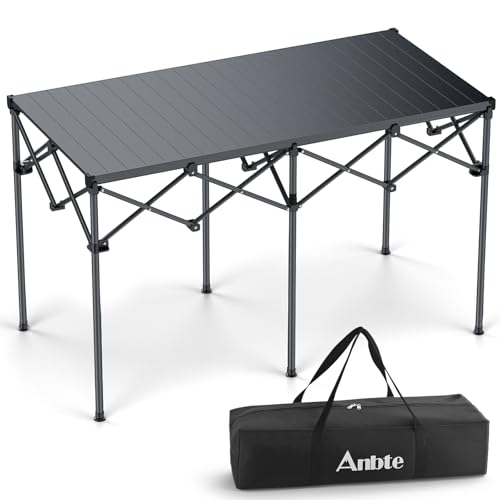
12 Best Heavy Duty Camping Table of 2026 That Will Not Wobble or Sag
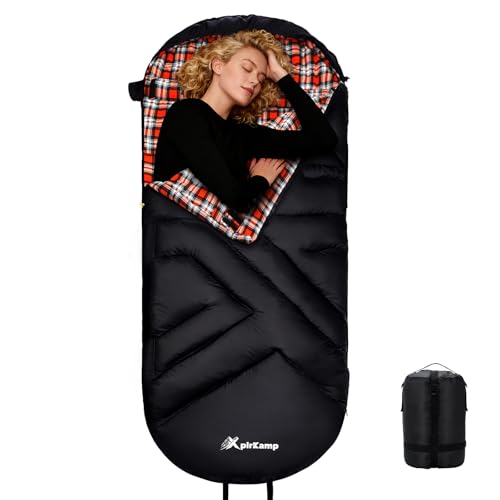
10 Best Sleeping Bags For Tall People of 2026 To Stretch Out Fully
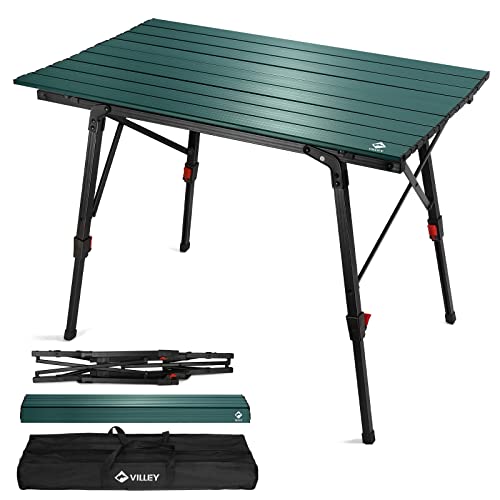
8 Best Camping Table Adjustable Legs of 2026 for Uneven Ground

10 Best Diaper Bag Backpacks For Dads of 2026 With Fast Gear Access

11 Best Framed Luggage of 2026 For Zipperless Security

11 Best Folding Two Wheeler For Luggage of 2026 To Prevent Tipping

11 Best Expandable Roller Luggage of 2026 That Fit Overhead Bins









