
is it safe to travel to st lucia right now? Smart Tips

Planning a Caribbean break sounds dreamy until the small questions start tapping on your shoulder. The big one, of course, is is it safe to travel to st lucia right now, especially with mixed chatter about crime, weather, roads, and everyday travel hassles. The honest answer isn’t scary, but it isn’t careless either. Saint Lucia travel safety depends on where you stay, how you move around, and how much common sense you pack beside the sunscreen.
Most trips to Saint Lucia are smooth, relaxed, and full of the good stuff: beaches, mountain views, warm food, rum punch, and slow mornings that make your phone feel less important. Still, normal travel precautions matter because petty theft, isolated robberies, and nightlife risks can pop up, particularly after dark or away from busy resort areas. Vieux Fort has drawn extra caution because of reported violent crime concerns, so wandering without a plan there isn’t a bright idea. Keep your guard up, but don’t let fear drive the whole trip.
Transportation safety deserves attention too, because the island’s roads can be narrow, winding, and surprisingly tiring after a long flight. Taxis arranged through hotels or trusted operators usually make life easier, especially for late arrivals or day trips to Soufrière. Renting a car can work, but left-side driving, steep roads, sudden rain, and local driving habits may test your patience. So, yeah, saving a few dollars can turn into a headache if you’re already running on fumes.
Weather also plays a sneaky role in the answer to is it safe to travel to st lucia right now. Heavy rain can affect roads, outdoor plans, and hiking routes, while water supply issues may occasionally affect comfort in some areas. That doesn’t mean cancel the trip, but it does mean checking hotel updates, packing backup essentials, and keeping plans flexible. A little wiggle room goes a long way on an island where nature calls plenty of shots.
Personal safety comes down to simple habits that actually work. Keep valuables low-key, use room safes, avoid isolated beaches at night, and don’t flash cash like you’re making a music video. Stick with licensed tours for waterfalls, boat trips, nightlife, and rainforest hikes. With smart planning, Saint Lucia can still feel romantic, laid-back, and worth the flight without pretending every corner is risk-free.

- TLR Rank10.0
TLR Rank is a ranking system developed by TravelLuggageReviews.com. TLR Rank has no relationship or impact from any manufacturers or sales agent websites. Learn more
- BrandN/A

- TLR Rank10.0
TLR Rank is a ranking system developed by TravelLuggageReviews.com. TLR Rank has no relationship or impact from any manufacturers or sales agent websites. Learn more
- BrandN/A

- TLR Rank9.6
TLR Rank is a ranking system developed by TravelLuggageReviews.com. TLR Rank has no relationship or impact from any manufacturers or sales agent websites. Learn more
- BrandMajosta

- TLR Rank9.0
TLR Rank is a ranking system developed by TravelLuggageReviews.com. TLR Rank has no relationship or impact from any manufacturers or sales agent websites. Learn more
- BrandN/A

- TLR Rank8.0
TLR Rank is a ranking system developed by TravelLuggageReviews.com. TLR Rank has no relationship or impact from any manufacturers or sales agent websites. Learn more
- BrandFodor's Travel

- TLR Rank-
TLR Rank is a ranking system developed by TravelLuggageReviews.com. TLR Rank has no relationship or impact from any manufacturers or sales agent websites. Learn more
- BrandN/A

- TLR Rank-
TLR Rank is a ranking system developed by TravelLuggageReviews.com. TLR Rank has no relationship or impact from any manufacturers or sales agent websites. Learn more
- BrandN/A

- TLR Rank-
TLR Rank is a ranking system developed by TravelLuggageReviews.com. TLR Rank has no relationship or impact from any manufacturers or sales agent websites. Learn more
- BrandN/A

- TLR Rank-
TLR Rank is a ranking system developed by TravelLuggageReviews.com. TLR Rank has no relationship or impact from any manufacturers or sales agent websites. Learn more
- BrandN/A

- TLR Rank-
TLR Rank is a ranking system developed by TravelLuggageReviews.com. TLR Rank has no relationship or impact from any manufacturers or sales agent websites. Learn more
- BrandMajosta
Last update on 2026-08-12 / Affiliate links / Images, Product Titles, and Product Highlights from Amazon Product Advertising API
Is It Safe To Travel To St Lucia Right Now
A beach trip can look easy on paper, then the real questions start nibbling at the edges: safety, weather, roads, scams, and what happens after dark. That’s where is it safe to travel to st lucia right now becomes more than a quick search, because nobody wants a dream island break turning into a messy lesson. Saint Lucia can still be a rewarding Caribbean trip, but smart planning matters more than glossy resort photos. The island rewards travelers who stay aware, move carefully, and keep a practical plan tucked behind the fun.
St Lucia Safety Right Now
Saint Lucia travel safety sits in that middle ground where panic doesn’t help, but careless behavior can bite. Most visitors spend their time around resorts, beaches, guided tours, and busy dining spots without major trouble. Still, official travel advice has pointed to crime concerns, including robberies and violent incidents in some areas. So the better question isn’t whether the island is safe in a blanket sense, but whether your plans match the places, timing, and habits that lower risk.
Tourist areas generally feel more comfortable because hotels, tour operators, and restaurants are used to helping visitors move around smoothly. Rodney Bay, Gros Islet, Soufrière, and major resort zones often see plenty of traveler activity, which adds a layer of comfort during the day. That said, busy does not mean risk-free, especially around nightlife, beaches after dark, or places where cash and phones are easy to spot. A relaxed island mood can make people drop their guard, and that’s usually where small problems sneak in.
Crime risk can feel confusing because one person comes home saying Saint Lucia was peaceful, while another warns everyone to be careful. Both can be true. Safety varies by neighborhood, time of day, and behavior, which means a quiet resort stay is not the same as wandering unfamiliar roads late at night. Keep your movements intentional, and don’t treat every scenic shortcut like it belongs in a travel brochure.
Is it safe to travel to st lucia right now has a practical answer: yes, for many travelers who use good judgment, but no trip should be treated like a bubble. Stay in well-reviewed lodging, use trusted transportation, avoid isolated areas after dark, and keep valuables low-key. That sounds basic, sure, but basics save vacations. The smartest trips often look boring on the safety side, and that’s exactly the point.
Crime Risks Without The Drama
Petty theft is the travel headache most people can actually reduce with simple habits. Phones left on beach chairs, open bags in crowded areas, and flashy jewelry can pull the wrong kind of attention. Saint Lucia is not unique here, because the same thing happens in many popular vacation spots. Still, keeping your setup lean and tidy makes the whole trip smoother.
Violent crime has been mentioned in official travel guidance, and some incidents involve guns and gang activity. Those problems do not automatically spill into every visitor experience, but pretending they don’t exist is a bad move. Avoid areas with local tension, skip street arguments, and leave quickly if a place starts feeling off. A little humility goes a long way in unfamiliar surroundings.
Nightlife needs a sharper plan because drinks, dim streets, and loose schedules can turn small mistakes into bigger ones. Travel in pairs or groups, arrange transport before you go out, and don’t accept rides from random strangers. Keep your drink in sight and avoid carrying your passport unless it’s truly needed. Fun doesn’t have to feel stiff, but it should have guardrails.
Money habits matter too. Use ATMs in secure places, carry only what you need for the day, and keep backup cards separate from your wallet. Cash, cards, and documents should not live in one easy-to-lose pouch. For smoother airport movement and less strain during transfers, Pack lighter with best lightweight luggage seniors so your hands stay free and your focus stays on your surroundings. Simple packing choices can quietly improve personal safety because less clutter means fewer distractions.
Getting Around Without Stress
Transportation in Saint Lucia can surprise first-time visitors because the island is mountainous, roads can be narrow, and drives may take longer than the map suggests. A short distance can feel much longer once curves, hills, rain, and traffic join the party. Hotel-arranged taxis often cost more, but they remove a lot of guesswork. That tradeoff can be worth it after a long flight or during nighttime arrivals.
Renting a car sounds freeing, but left-side driving, steep roads, sudden turns, and local driving habits can make it stressful. Confident drivers may enjoy the independence, especially for beach hopping or scenic stops. Nervous drivers may find the road conditions tiring before the vacation even gets going. Be honest about your comfort level, because pride is a lousy travel planner.
Taxis should be arranged through hotels, reputable operators, or clearly identified services. Agree on the fare before leaving, especially for longer routes or stops along the way. Keep your destination saved offline, and share your ride plan with someone if you’re traveling alone. Little steps like that can keep awkward moments from turning into real problems.
Day trips to Soufrière, the Pitons, mud baths, waterfalls, and boat tours are often the heart of the trip. Licensed guides can make those outings easier because they know road conditions, parking spots, timing, and local quirks. For beach days, ferry rides, or market strolls, Carry daily essentials in best nylon tote bags travel so sunscreen, water, and documents stay organized without dragging around bulky luggage. A tidy bag setup helps you move faster and look less scattered.
Weather, Health, And Island Conditions
Hurricane season runs from June through November across the Caribbean, and Saint Lucia is part of that weather zone. That does not mean every trip during those months is risky, but it does mean rain, flight delays, rough seas, or sudden plan changes can happen. Travel insurance becomes less of a boring checkbox and more of a smart backup. Flexible plans beat rigid schedules during storm season.
Heavy rain can affect roads, hikes, beach plans, and boat trips. Flash flooding and slippery paths are not things to shrug off, especially around rainforest areas or steep roads near Soufrière. Check local weather updates before heading out, even if the morning starts bright. Caribbean weather can flip moods faster than a cranky cat.
Health planning deserves real attention because island medical resources may not match what some travelers expect at home. Bring prescription medicine in original packaging, pack basic stomach remedies, and use mosquito protection during dawn, dusk, and humid areas. Drink enough water, go easy on midday sun, and don’t underestimate heat fatigue. A beautiful view feels less charming when dehydration hits.
Beach safety is another piece people forget until waves get rough. Currents, rocks, boat traffic, and changing weather can make some swimming spots less friendly than they look. Ask hotel staff or local guides about safer beaches for the day’s conditions. For travelers who prefer soft-sided packing for changing routes and uneven paths, Move easier with best lightweight rolling duffel bags because wheels and flexible space can help during transfers between hotels, docks, and taxis.
Where Caution Makes The Trip Better
Resort stays can lower many practical risks because transportation, tours, meals, and beach access are easier to control. That doesn’t mean you should never leave the property, because Saint Lucia has far too much character to view only from a lounge chair. It does mean you should leave with a plan instead of drifting around randomly. Good trips balance comfort with curiosity.
Independent stays can be wonderful too, especially in guesthouses, villas, or smaller local spots with strong reviews. Location matters, so read recent comments about roads, lighting, nearby restaurants, and transportation access. A cheaper room far from everything may cost more once taxis, stress, and late-night logistics pile up. The bargain that looks clever at booking time can feel less clever after sunset.
Adventure activities need a little scrutiny. Choose operators with clear safety practices, decent equipment, and honest communication about weather limits. Boat tours, hikes, diving, and waterfall visits should never feel rushed or sketchy just because the view is tempting. If a guide brushes off basic safety questions, that’s your cue to step back.
Is it safe to travel to st lucia right now depends heavily on matching your plans to the island’s real rhythm. Move during daylight when possible, book known operators, protect your belongings, and keep backup plans for weather. Saint Lucia can still give you turquoise water, lush hills, and slow, warm evenings. The safer version of the trip simply asks you to stay awake at the wheel, even while you’re relaxing.
How Safe Is St Lucia For Travelers Right Now
Small choices can shape the whole trip, especially on an island where roads, weather, and local safety habits all matter. Saint Lucia still has the charm people picture before booking, but a better trip comes from treating daily planning like part of the vacation, not a boring chore. That means keeping beach days flexible, booking transport with care, and knowing which situations deserve a firmer no. A calm plan gives you more room to enjoy the island without second-guessing every move.
Plan Your Days Around Daylight
Daylight movement makes Saint Lucia easier to enjoy because roads, signs, and unfamiliar turns feel less stressful before dark. Many visitors underestimate how quickly a scenic drive can become tiring once hills, curves, and sudden showers join the ride. Planning bigger outings earlier in the day helps reduce pressure and keeps evenings simpler. It also gives you time to adjust if a tour runs late or weather shifts.
Beach stops, markets, viewpoints, and casual meals are usually easier to manage while the area is active. Busy public spaces can still require caution, but they often feel more predictable than quiet roads or empty beaches at night. Keep your phone charged, save hotel details offline, and avoid relying only on spotty service. Those little backups feel boring until they save the day.
Night plans need a tighter setup. Trusted transportation should be arranged before dinner, drinks, or live music, not after everyone is tired and ready to leave. Hotel staff can often recommend safer taxi options or known drivers. Wandering around just to “see what’s nearby” may sound harmless, but unfamiliar areas can change quickly after dark.
Packing also affects safety more than people think. A bulky suitcase can make airport transfers, ferry docks, and hotel changes feel clumsy, especially after a long travel day. For travelers carrying backup outfits or extra beach gear, Pack smarter with a foldable duffle bag so extra items stay contained without turning every move into a wrestling match. Less clutter means more attention on your surroundings.
Keep Valuables Quiet And Organized
Low-profile travel habits work better than looking nervous or overly guarded. Keep jewelry simple, avoid waving around cash, and don’t leave bags unattended at beaches or restaurants. Saint Lucia’s relaxed mood can make people forget the basics, especially after a swim or a few drinks. That’s usually when wallets, phones, and sunglasses disappear.
A hotel safe is useful for passports, spare cards, and extra cash. Carry only what you need for the day, then split essentials between bags or pockets if possible. Document security matters because replacing a passport can eat into precious vacation time. A photo backup stored securely online can help if something goes missing.
Markets and busy areas call for steady awareness, not paranoia. Keep bags zipped, wear crossbody styles in crowded places, and avoid setting your phone on café tables near the street. Petty theft prevention is mostly about making yourself less convenient as a target. Thieves usually prefer easy chances, not complicated ones.
Beach days need their own routine. One person should stay near belongings, or valuables should stay locked at the hotel. Waterproof pouches can help, but they’re not magic shields. Simple gear discipline keeps the focus on swimming, food, and sun instead of checking every few seconds to see if your stuff is still there.
Match Activities To Real Conditions
Outdoor plans are a big reason people visit Saint Lucia, but rainforest paths, waterfalls, boat tours, and mountain roads deserve respect. Rain can make trails slick and roads slower, even if the sky looked harmless at breakfast. Ask guides or hotel staff what conditions look like that day. A flexible schedule beats forcing a plan that no longer makes sense.
Boat trips can be wonderful, but rough water changes the mood fast. Sea conditions matter for snorkeling, ferry rides, fishing trips, and coastal tours. A reputable operator should be comfortable talking about life jackets, weather calls, pickup points, and cancellation rules. If the answers feel vague, keep your money in your pocket.
Hiking near the Pitons or exploring rainforest areas can be rewarding, but it’s not the place to wing it in flip-flops. Wear shoes with grip, carry water, and avoid pushing through heat just because the view looks close. Heat, humidity, and steep terrain can wear people down faster than expected. Turning back early is not a failed adventure, it’s a smart call.
Travelers combining Saint Lucia with longer regional trips often need packing that handles airports, stairs, taxis, and uneven walkways. Move easier through multi-stop routes with travel luggage for europe if your itinerary also includes cities, trains, or longer connections. The same logic applies here: lighter, organized luggage makes movement less stressful and keeps your attention where it belongs. Comfort and awareness often travel together.
Know Where Extra Caution Pays Off
Vieux Fort has received extra caution in travel advice because of violent crime concerns, so casual exploring there without a clear reason is not wise. Some visitors may pass through because of the airport, but that is different from wandering around unfamiliar streets. Stick to planned transfers and known stops. A direct route can be the better route.
Castries can feel lively and interesting during the day, especially around shops, markets, and cruise activity. Still, crowded areas bring the usual risks of pickpocketing, pushy sales, and distraction. Keep your belongings close and avoid stepping into isolated side streets just to escape the crowd. A busy place can feel safer, but it still rewards alert behavior.
Resort zones and popular beaches are often easier for visitors, though they are not sealed-off safety bubbles. Beach theft, alcohol-related judgment slips, and late-night transport confusion can happen anywhere. Ask staff about areas to avoid after dark and listen without brushing it off. Local knowledge is often more useful than a random online comment.
Private villas and remote stays can be peaceful, but they need extra planning. Check lighting, road access, security features, and how easily taxis can reach the property. Remote comfort can turn into a hassle if food, transport, or help is hard to reach. A beautiful view should not be the only reason a place makes the shortlist.
Handle Money, Documents, And Emergencies Carefully
Emergency planning sounds dramatic until a phone dies, a card gets blocked, or a storm delays a transfer. Save embassy contacts, hotel numbers, insurance details, and driver information offline. Share your rough itinerary with someone you trust. These tiny steps keep small problems from snowballing.
Use ATMs in banks, malls, hotels, or busy secure spots instead of isolated machines. Cover the keypad, put cash away before leaving, and avoid counting money in public. Cash control is one of the easiest ways to lower stress. Carrying less also makes a lost wallet less painful.
Travel insurance deserves a real look, not a quick skip. Medical care, flight disruption, weather delays, and lost baggage can all become expensive fast. Health and trip coverage should match the activities you actually plan to do, especially hiking, boating, or diving. Read the exclusions because fine print has a nasty sense of humor.
Medication should travel in original packaging, with enough extra supply for delays. Keep essentials in your carry-on instead of checked luggage. Prescription access may not be as simple as it is at home, and brand names can differ. A small health kit with stomach medicine, sunscreen, insect repellent, and blister care can save a lot of grumbling.
Make The Trip Feel Relaxed Without Getting Careless
Saint Lucia safety is not about walking around tense or suspicious all day. The better approach is calm awareness: know where you’re going, keep your belongings close, and skip situations that feel messy. That leaves plenty of room for beaches, food, views, and slow mornings. A trip can be relaxed and still have boundaries.
Trust your instincts, especially with strangers who push too hard, drivers who seem unclear, or tours that feel poorly organized. Pressure is a warning sign, even in a friendly setting. Take a breath, step away, and ask hotel staff or another trusted source before committing. You don’t owe anyone an immediate yes.
Families, couples, solo travelers, and older visitors may all enjoy Saint Lucia in different ways, but the same core habits help. Plan transport, respect weather, avoid isolated spots at night, and keep valuables boring. Those habits don’t kill the fun. They protect it.
Is it safe to travel to st lucia right now comes down to realistic expectations rather than fear. Saint Lucia can be warm, scenic, and deeply memorable, but it is still a real place with real risks. Treat safety as part of the travel rhythm, like checking the tide before swimming or packing water before a hike. That mindset makes the island easier to enjoy, one careful choice at a time.


9 Best Travel Camping Table of 2026 For Uneven Ground

12 Best Heavy Duty Camping Table of 2026 That Will Not Wobble or Sag
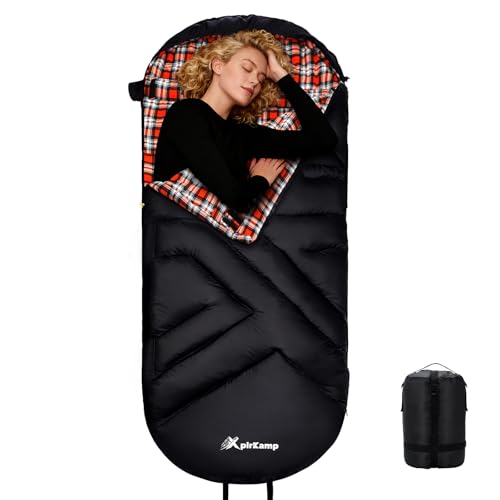
10 Best Sleeping Bags For Tall People of 2026 To Stretch Out Fully
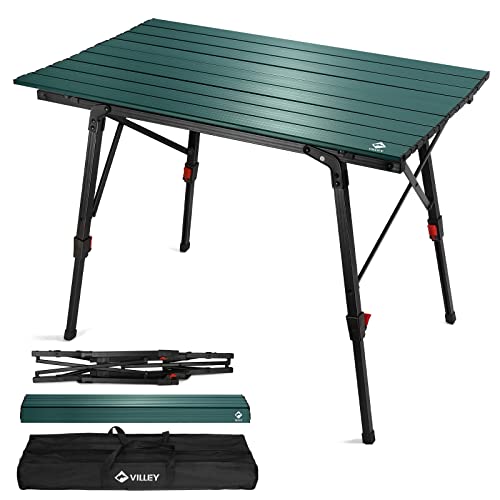
8 Best Camping Table Adjustable Legs of 2026 for Uneven Ground

10 Best Diaper Bag Backpacks For Dads of 2026 With Fast Gear Access

11 Best Framed Luggage of 2026 For Zipperless Security

11 Best Folding Two Wheeler For Luggage of 2026 To Prevent Tipping

11 Best Expandable Roller Luggage of 2026 That Fit Overhead Bins









