Is it safe to travel to the maldives? Honest Guide

A Maldives trip can feel like a postcard with a boarding pass attached, but smart planning still matters. The honest answer to is it safe to travel to the maldives is yes for many trips, especially resort stays, yet it’s not a place to treat casually. Resort islands are usually calm, controlled, and built around tourism, while Malé and local islands need more street sense, modest behavior, and awareness of local rules. That gap catches people off guard, and yep, it can make a dreamy holiday feel a little bumpy if expectations are too loose.
The biggest everyday concerns aren’t dramatic headlines. They’re strong currents, sudden weather changes, sun exposure, transfer delays, and small but annoying theft risks when bags, phones, or cash are left unattended. Ocean conditions deserve real respect because pretty water can still pull hard, especially near reef edges or during rougher seasonal periods. So, before jumping in, ask staff about safe swimming zones, listen to flag warnings, and don’t assume calm-looking water is harmless.
Local customs also matter more than many travelers expect. Alcohol is generally limited to resorts and licensed tourist venues, public behavior is more conservative on inhabited islands, and religious or cultural rules aren’t just background noise. Keeping shoulders covered in local communities, avoiding public drunkenness, and being careful with photos around sensitive places can save awkward conversations. Small manners go a long way here, and honestly, they make the trip smoother.
Security advisories often mention increased caution because of terrorism risks, civil unrest, or demonstrations, mainly around public areas and non-resort islands. That doesn’t mean panic should drive the itinerary, but it does mean crowded events, protests, and government buildings aren’t places to linger. Resorts tend to feel removed from those issues, though remote locations can slow emergency response if something goes sideways. Travel insurance with medical evacuation coverage is a boring purchase until it suddenly isn’t.
For a relaxed trip, build safety into the plan without turning the vacation into homework. Book transfers through trusted operators, keep copies of documents, check ferry or seaplane timing before arrival, and pack reef-safe sun protection plus basic medication. Maldives travel safety comes down to respecting the ocean, respecting local norms, and not switching off common sense just because the view is gorgeous. Do that, and the islands feel far less complicated than the warnings can sound.

- TLR Rank10.0
TLR Rank is a ranking system developed by TravelLuggageReviews.com. TLR Rank has no relationship or impact from any manufacturers or sales agent websites. Learn more
- BrandN/A

- TLR Rank10.0
TLR Rank is a ranking system developed by TravelLuggageReviews.com. TLR Rank has no relationship or impact from any manufacturers or sales agent websites. Learn more
- BrandN/A

- TLR Rank10.0
TLR Rank is a ranking system developed by TravelLuggageReviews.com. TLR Rank has no relationship or impact from any manufacturers or sales agent websites. Learn more
- BrandN/A

- TLR Rank10.0
TLR Rank is a ranking system developed by TravelLuggageReviews.com. TLR Rank has no relationship or impact from any manufacturers or sales agent websites. Learn more
- BrandN/A

- TLR Rank10.0
TLR Rank is a ranking system developed by TravelLuggageReviews.com. TLR Rank has no relationship or impact from any manufacturers or sales agent websites. Learn more
- BrandN/A

- TLR Rank10.0
TLR Rank is a ranking system developed by TravelLuggageReviews.com. TLR Rank has no relationship or impact from any manufacturers or sales agent websites. Learn more
- BrandN/A

- TLR Rank9.2
TLR Rank is a ranking system developed by TravelLuggageReviews.com. TLR Rank has no relationship or impact from any manufacturers or sales agent websites. Learn more
- BrandLonely Planet

- TLR Rank8.2
TLR Rank is a ranking system developed by TravelLuggageReviews.com. TLR Rank has no relationship or impact from any manufacturers or sales agent websites. Learn more
- BrandLonely Planet

- TLR Rank-
TLR Rank is a ranking system developed by TravelLuggageReviews.com. TLR Rank has no relationship or impact from any manufacturers or sales agent websites. Learn more
- BrandN/A

- TLR Rank-
TLR Rank is a ranking system developed by TravelLuggageReviews.com. TLR Rank has no relationship or impact from any manufacturers or sales agent websites. Learn more
- BrandN/A

- TLR Rank-
TLR Rank is a ranking system developed by TravelLuggageReviews.com. TLR Rank has no relationship or impact from any manufacturers or sales agent websites. Learn more
- BrandN/A
Last update on 2026-08-13 / Affiliate links / Images, Product Titles, and Product Highlights from Amazon Product Advertising API
Is It Safe To Travel To The Maldives Right Now?
That dreamy blue water can make a trip feel simple, but is it safe to travel to the maldives is a fair question before anyone books flights, transfers, and a room sitting far from the nearest city. The short answer is yes for many careful travelers, especially on resort islands, but the real answer has a few layers. Resort safety, ocean conditions, local rules, and medical access all matter more than the brochure photos suggest.
The Maldives is not a place that usually feels chaotic once you land at a resort. Staffed islands, planned transfers, guest-only beaches, and controlled facilities create a smoother bubble than many busy vacation spots. Still, remote island travel has tradeoffs because help can take longer to arrive, weather can interrupt movement, and small mistakes can become bigger headaches. A little planning keeps the trip relaxed instead of nerve-racking.
Travel advisories often recommend increased caution, mainly because of terrorism risks, demonstrations, and public security concerns in some areas. That does not mean every beach chair comes with danger attached. It means travelers should avoid protests, crowded political gatherings, and unfamiliar areas after dark, especially around Malé or inhabited islands. Resort islands usually feel much calmer, but common sense still needs to come along for the ride.
Most safety problems in the Maldives are practical rather than dramatic. Strong currents, sunburn, dehydration, petty theft, missed transfers, and cultural missteps are the issues that trip people up most often. The smartest approach is simple: respect the ocean, respect local customs, and don’t treat a far-flung island like a theme park. That mindset makes Maldives travel safety feel much more manageable.
Resort Islands Feel Safer, But They Are Not Magic Bubbles
Resort islands are the reason many people answer yes to is it safe to travel to the maldives without much hesitation. These properties usually manage guest movement, dining, excursions, boat transfers, and beach access in a controlled setting. That setup reduces many everyday risks, especially compared with wandering through a busy capital city with luggage and jet lag. Even so, controlled access should not be confused with zero risk.
The resort experience can make travelers loosen up fast. Bags get dropped on loungers, phones sit beside pools, and passports sometimes stay in unlocked rooms because the island feels private. Petty theft is not the defining problem of the Maldives, but unattended valuables can still disappear anywhere people gather. Use the room safe, keep backup cards separate, and don’t leave electronics baking beside the water while you swim.
Remote resorts also bring a hidden tradeoff. Peace and quiet feel wonderful until a medical problem, storm delay, or transfer issue enters the picture. Medical evacuation coverage is worth considering because serious care may require transport to Malé or another location. Nobody likes thinking about that while picking villas, but honestly, it is the kind of boring detail that protects the whole trip.
Packing matters more than it seems for island travel. A compact carry-on can make speedboat and seaplane movement easier, especially when docks are crowded or staff need to move bags quickly. For lighter airport-to-resort movement, streamline your gear with a 21 inch spinner carry on luggage before you juggle transfers, sunscreen, and wet sandals. Easy luggage handling can take friction out of the first and last day.
Ocean Safety Deserves More Respect Than The View Suggests
The Maldives ocean looks gentle in photos, but strong tidal currents and reef channels can surprise even confident swimmers. Calm water near the shore may shift quickly once you move toward a drop-off or snorkel passage. Asking staff where to swim is not overcautious, it is basic island sense. The prettiest water can still pull hard when tides change.
Snorkeling is one of the biggest joys of the Maldives, but it rewards patience. Reef awareness means not standing on coral, not chasing marine life, and not drifting beyond marked areas just because the fish look better farther out. A guide may seem unnecessary until the current changes direction. Go with local advice, use a flotation vest if offered, and treat warnings like they were written for you.
Alcohol and swimming make a bad pair anywhere, and the risk feels sharper on remote islands. A relaxed lunch, heat, and a quick dip can turn messy if someone underestimates fatigue and dehydration. The sun hits hard near the equator, so water, shade, and reef-safe sunscreen are not optional extras. Small habits keep the fun from sliding into a medical call.
Diving adds another layer. Certified operators, equipment checks, and clear briefings matter because emergency response may not be instant on remote atolls. Travelers should be honest about ability, recent dives, and comfort level instead of trying to look brave. The ocean does not care about ego. A slower, safer dive plan beats a rushed one every single time.
Local Laws Can Catch Careless Travelers Off Guard
The Maldives is an Islamic country, and that shapes daily rules outside resort spaces. Alcohol rules are one of the biggest surprises because drinks are available at resorts but should not be carried into local communities or through customs improperly. Pork products, certain religious materials, pornography, and vaping devices can also create serious problems at entry. Reading the rules before packing saves a lot of embarrassment.
Dress expectations change once you leave a private resort. On inhabited islands and in Malé, modest clothing is the safer, more respectful choice, including at local beaches unless a designated bikini beach is clearly marked. Public displays of affection may also draw unwanted attention. These customs are not hard to follow, but ignoring them can sour interactions fast.
Photography needs a little care too. Government buildings, security areas, and people who have not agreed to be photographed should be treated with caution. Respectful behavior keeps the mood easy and avoids conversations nobody wants on vacation. The Maldives rewards travelers who move lightly, ask politely, and remember they are guests in a living country, not just a resort catalog.
Shopping for souvenirs also comes with limits. Coral and tortoiseshell may look tempting in a market stall, but exporting protected materials can lead to trouble. Responsible buying means choosing legal, clearly sourced items rather than risking customs issues on the way home. It is a small decision, but it supports better travel habits and keeps the return airport experience stress-free.
Malé And Local Islands Need More Street Sense
Malé feels very different from a private resort island. Streets are busier, scooters move quickly, public spaces get crowded, and the rhythm is more local than vacation-polished. City awareness matters here, especially after a long flight when people are tired and distracted. Keep bags close, plan transport ahead, and avoid wandering aimlessly after dark.
Demonstrations and political gatherings can happen in Malé, and they are best avoided. Even peaceful crowds can shift quickly, and visitors rarely know the background well enough to judge the mood. Avoiding protests is not about being fearful, it is about staying out of situations that do not involve you. Check local updates through your hotel or tour provider before heading into crowded areas.
Local islands can be rewarding because they show a more grounded side of the Maldives. Guesthouses, neighborhood cafés, public ferries, and everyday beaches offer a different texture from resort life. Still, local island travel asks for more planning around dress, transport timing, prayer times, and alcohol restrictions. That tradeoff can be worth it, but it should not be treated like a resort stay with cheaper rooms.
Transfers are another pain point people underestimate. Ferries, speedboats, domestic flights, and seaplanes can be affected by weather, daylight rules, or scheduling gaps. For bulky trips with dive gear or longer stays, keep movement practical and review luggage for checked baggage so your bags suit island transfers instead of fighting them. Transfer planning can make the difference between a smooth arrival and a sweaty mess at the dock.
Health, Weather, And Remote Care Should Shape The Plan
Health risks in the Maldives are not usually the first thing people think about, but remote medical access deserves attention. Minor issues like cuts, stomach trouble, sun rash, or ear pain can become annoying when the nearest clinic is not nearby. Pack basic medicine, waterproof bandages, motion sickness tablets, and any prescription items in your carry-on. Waiting to buy essentials on a small island can be a pain in the neck.
Weather also plays by its own rules. Rain may pass quickly, but storms can affect visibility, boat rides, and seaplane schedules. Flexible timing helps, especially on arrival and departure days when international flights connect with island transfers. Leaving no buffer can turn a beautiful trip into a clock-watching exercise.
Mosquito-borne illnesses can occur in the region, so repellent and simple bite prevention are smart. Air-conditioned rooms help, but evenings near vegetation or still water can bring bites fast. Health preparation does not need to be dramatic, just practical. A quick travel clinic conversation before departure can help match vaccines, medicine, and personal health needs to the actual itinerary.
Families, honeymooners, solo travelers, and older guests all face different comfort limits, but the same rule applies: don’t wing the important stuff. Travel insurance, transfer details, resort emergency procedures, and ocean guidance should be checked before the first swim. For smoother airport movement before a long island transfer, lighten the load with a scooter suitcase for adults if mobility, distance, or fatigue is already a concern. Practical preparation keeps the Maldives feeling like a vacation instead of a logistics test.
Is It Safe To Travel To The Maldives For Smart Island Hopping?
Moving beyond the resort bubble sounds exciting, but is it safe to travel to the maldives depends a lot on how carefully each island jump is planned. Local ferries, speedboats, and domestic flights can feel simple on paper, then get messy once weather, luggage, and tight arrival windows pile up. Island hopping safety starts with realistic timing, not a packed schedule that leaves no room for delays. A calmer plan usually beats a cheaper plan that forces every transfer to run perfectly.
Local islands bring more texture, better prices, and a closer look at daily life, but they also require more awareness. Modest dress, public behavior, and beach rules matter much more once travelers leave private resort spaces. Alcohol access is limited outside licensed tourist areas, and public drunkenness can cause real trouble. Respecting those boundaries keeps the trip smoother and helps avoid awkward moments that could have been skipped with five minutes of planning.
Transport days deserve special attention because the Maldives is not built like a one-road beach town. A late international flight can mean a missed seaplane, a night near Malé, or a rushed transfer that leaves everyone cranky before the vacation even starts. Buffer time is not wasted time here, it is protection against the island logistics that travelers often underestimate. Pack lighter with carry on luggage if your route involves multiple flights, docks, or quick hotel changes.
Small guesthouses can be lovely, but they do not always offer the same backup systems as large resorts. Power cuts, limited medical access, fewer dining options, and stricter local norms can surprise travelers who expected resort-level convenience at a lower price. Realistic expectations make local stays more enjoyable because the tradeoffs are clear from the start. The Maldives can still feel safe and rewarding, but it works best when flexibility comes packed beside the sunscreen.
Is It Safe To Travel To The Maldives During Bad Weather?
Weather can change the entire mood of a Maldives trip, especially for anyone expecting endless clear skies. Rainy periods may still include sunshine, but rough seas, cloudy water, and delayed transfers can affect the best-laid plans. Safety concerns usually rise when travelers push activities despite poor conditions. Listening to resort staff, dive teams, and boat crews matters because they read the water every day.
Boat rides can feel very different once wind and waves pick up. A short transfer may become bumpy, wet, or delayed, and travelers prone to motion sickness should prepare before boarding. Motion sickness medicine, dry bags, and easy-access documents can make a rough transfer less miserable. Nobody wants to dig through a suitcase on a dock while rain blows sideways.
Snorkeling and diving need extra caution after storms or during choppy conditions. Reduced visibility, stronger currents, and boat traffic can make familiar-looking areas less predictable. Ocean judgment means skipping an activity if the staff recommends waiting, even if the itinerary feels expensive. The reef will still be there tomorrow, but a bad decision in moving water can go sideways quickly.
Packing also affects weather comfort more than people think. Damp swimsuits, sandy clothes, and limited villa storage can make a room feel cluttered by day three. Save suitcase space with travel vacuum bags when packing light clothing, backup outfits, or separate wet-and-dry layers for longer stays. Dry organization keeps the trip easier when the forecast refuses to behave.
Is It Safe To Travel To The Maldives With Health Concerns?
Health planning is easy to ignore until a small issue starts eating into beach time. The Maldives can be safe for many travelers, but remote healthcare access is the piece that deserves honest attention. Resorts may have basic medical support, yet serious care often means transfer to a larger facility. That distance matters for chronic conditions, injuries, allergic reactions, or anything that cannot wait.
Travel insurance should not be treated like a box to tick at checkout. A stronger policy with medical evacuation coverage, trip interruption support, and water activity coverage can protect against expensive surprises. Diving, snorkeling, and boat transfers may have exclusions depending on the plan. Reading the policy is boring, sure, but so is arguing with an insurer after a problem.
Sun and heat cause more trouble than many travelers expect. The equatorial sun can burn fast, especially during boat rides or snorkeling sessions where the breeze hides how strong the exposure is. Hydration, shade, sunscreen, and rash guards are simple tools that prevent a lot of discomfort. A painful burn on day one can ruin the easy rhythm people came for.
Food and water habits also deserve a little discipline. Resorts usually manage food safety well, but sensitive stomachs may still react to rich meals, heat, or changes in routine. Bottled or filtered water, basic stomach medicine, and steady hydration help keep things on track. Travelers with allergies should contact the property before arrival, because remote kitchens may not have endless substitutions.
Is It Safe To Travel To The Maldives For A Stress-Free Stay?
A safe Maldives trip is less about fear and more about removing avoidable friction. Smart preparation covers transfer timing, local customs, ocean rules, insurance, and backup plans before the first suitcase closes. That sounds like a lot, but most of it takes only a few careful decisions. Once those pieces are handled, the trip feels lighter.
Resorts can make everything feel effortless, yet travelers still need to stay alert in practical ways. Keep passports secure, save offline copies of bookings, and confirm transfer times before leaving each island. Document safety matters because replacing paperwork from a remote atoll is not a quick errand. A little organization keeps small problems from turning into full-blown stress.
Money habits should stay simple too. Carry some backup cash, use cards carefully, and check whether service charges or taxes are already included in bookings. Budget surprises can sour a trip quickly, especially with seaplanes, private dining, excursions, or last-minute boat changes. Asking clear questions before agreeing to extras keeps expectations grounded.
The Maldives is safest for travelers who respect its limits instead of fighting them. Ocean conditions, local laws, remote logistics, and cultural expectations are not obstacles, they are part of the place. Plan with those realities in mind, and the islands feel calm rather than complicated. Ignore them, and even a beautiful lagoon can come with unnecessary stress.


9 Best Travel Camping Table of 2026 For Uneven Ground
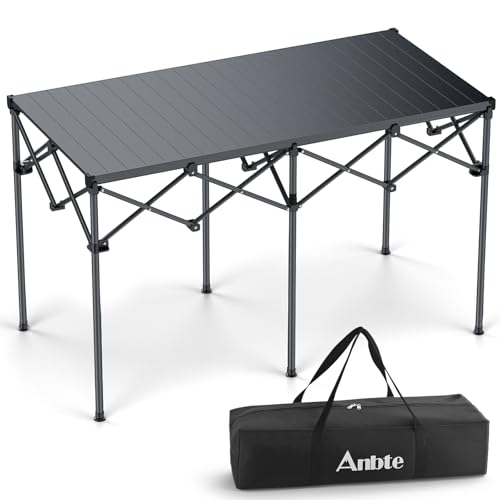
12 Best Heavy Duty Camping Table of 2026 That Will Not Wobble or Sag
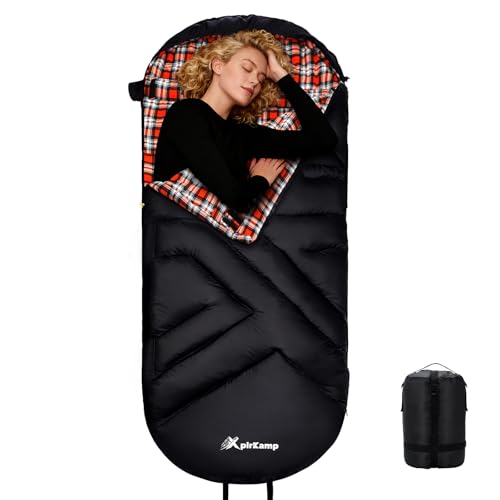
10 Best Sleeping Bags For Tall People of 2026 To Stretch Out Fully
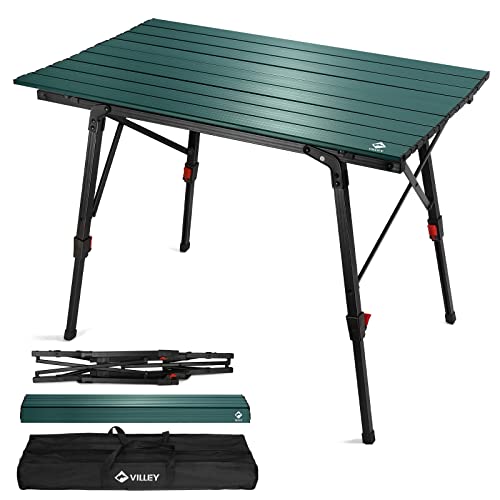
8 Best Camping Table Adjustable Legs of 2026 for Uneven Ground

10 Best Diaper Bag Backpacks For Dads of 2026 With Fast Gear Access

11 Best Framed Luggage of 2026 For Zipperless Security

11 Best Folding Two Wheeler For Luggage of 2026 To Prevent Tipping

11 Best Expandable Roller Luggage of 2026 That Fit Overhead Bins