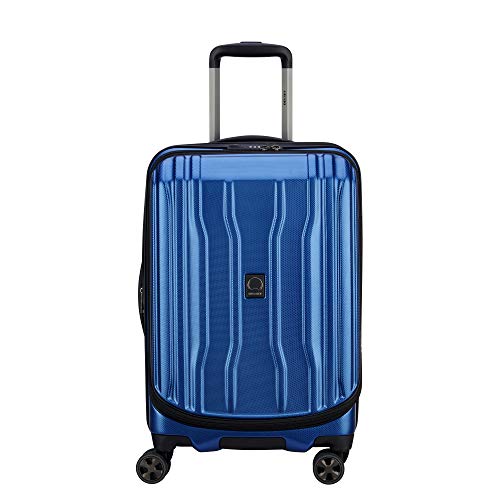
Is It Safe to Travel to Washington, DC in 2026?

Recent news headlines often make people think Washington, D.C. is too dangerous for a family vacation. That fear is understandable, but the city is broadly safe for visitors. Millions of tourists walk between the Smithsonian museums, memorials, and historic neighborhoods every year without any trouble. Major sightseeing areas have a steady police presence, high foot traffic, and clear sightlines throughout the day.
Staying safe mostly comes down to knowing which streets to walk and keeping your guard up after dark. The reality on the ground depends on whether you stick to central neighborhoods, how late you stay out, and how you travel between sights. Riding the Metro (the regional subway system) works well during the day, while taking a rideshare car late at night avoids empty blocks. A few street-smart habits make all the difference for a worry-free visit.

- TLR Rank10.0
TLR Rank is a ranking system developed by TravelLuggageReviews.com. TLR Rank has no relationship or impact from any manufacturers or sales agent websites. Learn more
- BrandN/A

- TLR Rank10.0
TLR Rank is a ranking system developed by TravelLuggageReviews.com. TLR Rank has no relationship or impact from any manufacturers or sales agent websites. Learn more
- BrandDK

- TLR Rank9.8
TLR Rank is a ranking system developed by TravelLuggageReviews.com. TLR Rank has no relationship or impact from any manufacturers or sales agent websites. Learn more
- BrandMajosta

- TLR Rank9.6
TLR Rank is a ranking system developed by TravelLuggageReviews.com. TLR Rank has no relationship or impact from any manufacturers or sales agent websites. Learn more
- BrandLonely Planet

- TLR Rank9.4
TLR Rank is a ranking system developed by TravelLuggageReviews.com. TLR Rank has no relationship or impact from any manufacturers or sales agent websites. Learn more
- BrandVanDam, Inc.

- TLR Rank9.2
TLR Rank is a ranking system developed by TravelLuggageReviews.com. TLR Rank has no relationship or impact from any manufacturers or sales agent websites. Learn more
- BrandFodor's Travel

- TLR Rank9.2
TLR Rank is a ranking system developed by TravelLuggageReviews.com. TLR Rank has no relationship or impact from any manufacturers or sales agent websites. Learn more
- BrandLonely Planet

- TLR Rank9.2
TLR Rank is a ranking system developed by TravelLuggageReviews.com. TLR Rank has no relationship or impact from any manufacturers or sales agent websites. Learn more
- BrandNational Geographic

- TLR Rank8.6
TLR Rank is a ranking system developed by TravelLuggageReviews.com. TLR Rank has no relationship or impact from any manufacturers or sales agent websites. Learn more
- BrandMICHELIN

- TLR Rank7.8
TLR Rank is a ranking system developed by TravelLuggageReviews.com. TLR Rank has no relationship or impact from any manufacturers or sales agent websites. Learn more
- BrandRand McNally

- TLR Rank6.4
TLR Rank is a ranking system developed by TravelLuggageReviews.com. TLR Rank has no relationship or impact from any manufacturers or sales agent websites. Learn more
- BrandN/A
Last update on 2026-10-20 / Affiliate links / Images, Product Titles, and Product Highlights from Amazon Product Advertising API
The Short Version
- Washington, D.C. is generally very safe for visitors, especially around the National Mall and major downtown museum corridors.
- Violent crime reported in national news happens mostly in residential neighborhoods located far away from primary tourist areas.
- The main concerns for tourists are pickpocketing or bag snatching in crowded spots, vehicle break-ins, and deserted side streets after dark.
- Staying in well-traveled neighborhoods, using the clean Metro subway system, and planning routes in advance ensure a smooth trip in 2026.
The Safety Reality: Why Tourist Areas Differ from Crime Hot Spots
National news reports often present an alarming picture of Washington, D.C. Stories about car thefts and street violence lead many travelers to wonder if visiting the capital is wise. The reality on the street is much different. Crime in the District is not spread out evenly. Instead, serious incidents cluster heavily in specific residential pockets miles away from the monuments, galleries, and historic sites that visitors come to see.
The National Mall, the open parkland connecting the Capitol and Lincoln Memorial, is one of the most heavily guarded public spaces in the country. A dense network of law enforcement agencies protects this central core. Officers from the U.S. Park Police patrol on foot and horseback, the U.S. Capitol Police secure federal grounds, the Metropolitan Police Department monitors city avenues, and the Secret Service guards the White House perimeter. This visible presence acts as a strong deterrent against violent crime.
Because of this security, everyday tourists face very different conditions than residents in struggling outer wards. You do not need to fear violence while exploring Smithsonian museums in daylight. The primary risk in tourist corridors is opportunistic theft, such as pickpocketing or bag snatching in crowded stations or thieves breaking car windows to grab visible bags. Everyday awareness stops almost all of these incidents.
Best Neighborhoods for Visitors and Areas to Skip
Where you stay shapes your entire experience. In Washington, D.C., neighborhood safety changes noticeably based on lighting, foot traffic, and commercial activity. The best tourist neighborhoods offer steady street life, open restaurants, and quick access to public transit.
Recommended neighborhoods for travelers:
- Penn Quarter and Chinatown: Directly north of the National Mall, this area offers quick walks to museums, theaters, and dining. It stays active late into the evening, though you should keep your wallet secure near the busy Gallery Place Metro station entrance.
- Dupont Circle and Foggy Bottom: These historic areas feature embassies, universities, and residential row houses. They provide well-lit sidewalks, lively cafes, and safe evening walking.
- Georgetown: Known for historic brick sidewalks and bustling shops along M Street, Georgetown is one of the safest enclaves in the city. It lacks a direct subway stop, but its active nightlife makes it safe for evening strolls.
- Capitol Hill: The historic blocks behind the Supreme Court offer residential charm and neighborhood dining. Stick to streets within a short walk of the Capitol complex, as blocks quiet down significantly farther east.
Areas casual visitors should avoid:
Travelers should bypass lodging in outer residential sections of the Southeast and Northeast quadrants, especially neighborhoods east of the Anacostia River like Congress Heights or Deanwood. These areas struggle with elevated crime rates and offer no tourist attractions. Also exercise caution along the U Street corridor and H Street Northeast after 1:00 AM, when bar-closing crowds can bring street disputes.
Riding the Metro and Walking Downtown Without Trouble
The Washington Metro, the regional subway train system, provides a clean, reliable way to navigate the capital. Stations feature vaulted concrete ceilings, bright lighting, and monitored fare gates that discourage loitering. Thousands of daily commuters, federal workers, and school groups ride these trains without issue. Follow this checklist to stay secure on transit and downtown sidewalks:
- Board the center cars: Choose the middle train cars on the platform. These cars carry the highest passenger traffic, offering safety in numbers. Riding in the first car near the train operator is also a smart choice.
- Keep phones secure near doors: Pickpockets often watch for riders staring into screens near train doors. They grab the device right as doors close, stranding you inside the car.
- Wear backpacks on your front: In crowded rail cars or packed museum lobbies, slide your bag against your chest so zippers remain under your direct view.
- Walk with clear purpose: If you need to check walking directions, step inside a hotel lobby, shop, or coffee shop rather than stopping abruptly on a dim street corner.
- Avoid deserted office streets after dark: Downtown D.C. empties out quickly once federal office buildings close at 5:00 PM. Stick to commercial avenues with open restaurants rather than cutting through quiet corporate plazas.
- Use rideshare apps late at night: If you travel across town after 10:00 PM, hail a licensed taxi or order a rideshare app rather than walking through quiet, empty blocks.
Handling Protests, Motorcades, and Sudden Security Closures
As the nation's political center, Washington hosts demonstrations, rallies, and official motorcades every week. First-time visitors sometimes mistake peaceful political gatherings for civil unrest when they see police cruisers, temporary fencing, and flashing lights. Most public demonstrations are permitted, orderly, and heavily monitored by local police.
If you encounter a protest march near the White House, the Capitol, or Freedom Plaza, treat it as a routine city event. Keep a respectful distance, avoid cutting through loud crowds, and never argue with demonstrators. If officers block a sidewalk, turn around and walk one block over to resume your route.
Official motorcades can pause downtown traffic and crosswalks without warning for fifteen to twenty minutes while high-ranking officials pass. Factor extra travel time into your daily schedule so these brief security freezes do not disrupt your museum reservations. If sudden public events make you nervous about booking flights and hotels well in advance, learning what is a travel waiver can help you see how travel providers handle itinerary changes when unexpected situations arise.
Car Safety: How to Protect Rental Vehicles and Luggage from Break-Ins
You rarely need a car when visiting Washington, D.C. Driving in the city involves heavy traffic, complex traffic circles, and expensive parking. If you do drive a personal vehicle or rent a car at the airport, car break-ins represent one of the most common property crimes in the city. Thieves watch for out-of-state license plates and rental company stickers.
Protect your vehicle and belongings by following these four steps:
- Leave the vehicle interior completely empty: Never leave items on seats, floorboards, or the dashboard. Even an empty backpack, a charging cable, sunglasses, or loose change can tempt someone to break a window.
- Drop luggage at your hotel immediately: Never park near the National Mall with bags stored in the vehicle. If you arrive before check-in time, drive directly to your hotel and leave your luggage with the front desk in their secure holding room.
- Park in secured, attended garages: Street parking in D.C. involves confusing permit zones and leaves your car vulnerable overnight. Pay the extra fee to park in a well-lit commercial garage or use your hotel's valet parking.
- Lock doors and roll up windows at all times: Keep doors locked while driving and remain alert at stoplights, intersections, and gas stations. Avoid idling on quiet curbs at night while looking at your navigation screen.
Smart Tools for Navigating the City Without Distractions
Staying safe in an unfamiliar city depends heavily on situational awareness. Criminals look for easy targets, and nothing telegraphs distraction faster than a visitor standing on a street corner with their head buried in a smartphone screen. Carrying reliable, hands-on navigation tools lets you find your way around the capital while keeping your attention firmly on your surroundings.
Compact pocket guidebooks and durable, laminated fold-out maps offer a smart alternative to looking down at a mobile device every few minutes. A printed map never runs out of battery power, never drops signal inside deep subway stations, and avoids advertising you as an easy target. You can study your route over morning coffee or check a pocket guide inside a museum lobby before stepping back outside.
When selecting a physical map or pocket guide for your D.C. trip, look for specific features that keep travel simple. Choose a compact format that folds down to roughly 4 inches wide so it slips easily into a jacket pocket or small purse. Select options printed on waterproof or laminated paper that will not tear in rain. Finally, ensure the map includes clear transit diagrams marking Metro subway stations alongside detailed layouts of the National Mall and surrounding museum districts.
Frequently Asked Questions
Are the National Mall and Smithsonian museums safe right now?
The National Mall and its surrounding Smithsonian museums are among the safest public attractions in the country. Multiple federal law enforcement agencies patrol the monuments and pathways day and night. Every museum also requires security screening with metal detectors and bag checks at the entrance, ensuring a secure environment for families.
Is the Metro safe to ride with children late at night?
The Metro is clean, reliable, and safe for families during normal daytime and evening hours. If you are traveling with young children after 9:00 PM, sit in the middle train cars where passenger traffic is highest. If your journey requires walking through dark, deserted office streets after a late dinner, taking a licensed rideshare app or taxi directly to your hotel is a more relaxing choice.
What should I do if a street is blocked off near the White House?
Temporary street and sidewalk closures around the White House are routine security measures managed by the Secret Service and local police. If you reach a closed sidewalk or barricade, do not panic or attempt to slip through. Simply step back, consult your map, and detour around the restricted zone by using nearby commercial corridors like I Street or K Street.
Can I safely walk from my hotel to restaurants at night?
Walking to dinner is very safe in established tourist neighborhoods such as Dupont Circle, Penn Quarter, Georgetown, and Foggy Bottom. Stick to main commercial avenues with open storefronts, restaurant patios, and bright street lighting. Avoid cutting through unlit alleys or quiet federal office parks after 10:00 PM, and opt for a taxi if you feel unsure of your route.

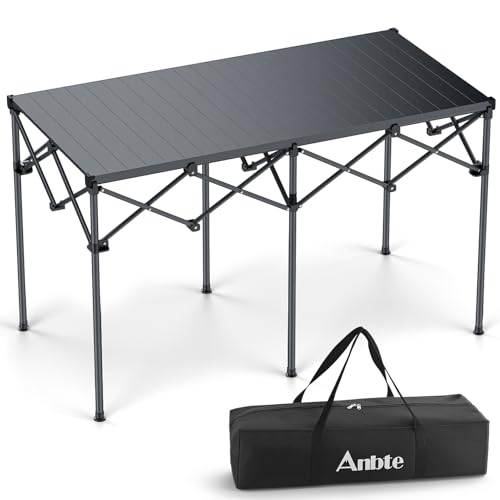
12 Best Heavy Duty Camping Table of 2026 That Will Not Wobble or Sag
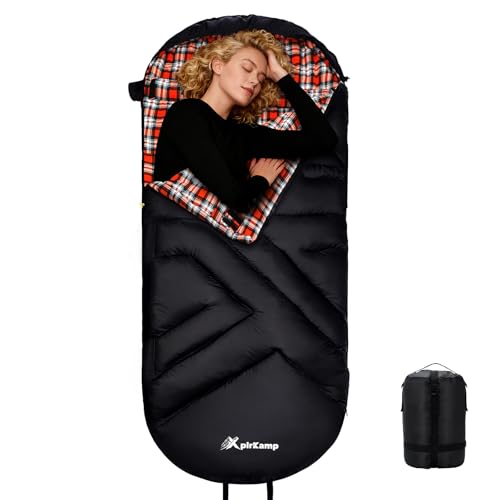
10 Best Sleeping Bags For Tall People of 2026 To Stretch Out Fully
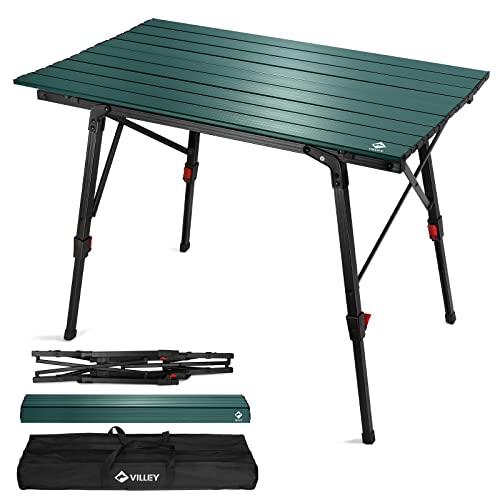
8 Best Camping Table Adjustable Legs of 2026 for Uneven Ground

10 Best Diaper Bag Backpacks For Dads of 2026 With Fast Gear Access

11 Best Framed Luggage of 2026 For Zipperless Security

11 Best Folding Two Wheeler For Luggage of 2026 To Prevent Tipping

11 Best Expandable Roller Luggage of 2026 That Fit Overhead Bins

10 Best Fishing Rod Luggage of 2026 To Protect Fragile Blanks