
what is a apec business travel card? clear guide

What is a apec business travel card is a question that pops up fast once business trips across Asia-Pacific start eating into calendars, budgets, and patience. The card, often called the APEC Business Travel Card or ABTC, helps eligible business travelers move through participating APEC economies with fewer entry headaches. Instead of handling separate visa steps for every approved economy, the card uses a pre-clearance system that can make short business visits feel far less clunky. Still, it’s not a magic pass, and that’s where the fine print matters.
The biggest draw is faster immigration processing. Long airport lines can wreck a tight meeting schedule, especially after a red-eye flight and a coffee that barely did its job. With an approved card, travelers may use dedicated lanes at many participating airports, which helps cut down the usual stop-and-wait routine. That benefit feels especially useful for people who cross borders often for trade meetings, supplier visits, investment talks, or regional operations.
Another key point is pre-cleared short-term business entry. Once approved by specific economies, the card can remove the need for a separate visa or entry permit for those places, depending on each economy’s rules. That means less paperwork before every trip, fewer last-minute embassy runs, and less guessing about whether documents are ready. But, heads up, each economy still decides whether to grant entry, so travelers should always check the approved economies listed for their card.
The APEC Business Travel Card is best understood as a practical business mobility tool, not a vacation shortcut. It usually ties to genuine business activity, clean travel history, and eligibility rules set by the cardholder’s home economy. Some places treat the program fully, while transitional members may offer limited benefits, such as faster lanes without full visa-free entry. So, the card helps most when trips are frequent, business-focused, and spread across several APEC destinations.
There’s also a planning tradeoff. Applications can take a while because participating economies review pre-clearance separately, and not every approval arrives at the same pace. Some travelers may receive a card before every economy has responded, which can be useful, though benefits remain tied to the economies that approved them. In plain English, business travel convenience gets better, but only if the card is used with the right expectations.
For anyone asking what is a apec business travel card, the clean answer is this: it’s a recognized travel document for eligible business travelers from APEC member economies that supports smoother short-term business travel across the region. It can mean quicker airport processing, fewer repeated visa steps, and better rhythm for regional trips. Still, passport validity, economy-specific rules, approved destinations, and business purpose all matter. Used wisely, it turns cross-border business travel from a paper chase into a more predictable routine.

- TLR Rank9.4
TLR Rank is a ranking system developed by TravelLuggageReviews.com. TLR Rank has no relationship or impact from any manufacturers or sales agent websites. Learn more
- BrandSooez

- TLR Rank9.4
TLR Rank is a ranking system developed by TravelLuggageReviews.com. TLR Rank has no relationship or impact from any manufacturers or sales agent websites. Learn more
- BrandMaxGear

- TLR Rank9.4
TLR Rank is a ranking system developed by TravelLuggageReviews.com. TLR Rank has no relationship or impact from any manufacturers or sales agent websites. Learn more
- BrandOutus

- TLR Rank9.2
TLR Rank is a ranking system developed by TravelLuggageReviews.com. TLR Rank has no relationship or impact from any manufacturers or sales agent websites. Learn more
- BrandMaxGear

- TLR Rank9.2
TLR Rank is a ranking system developed by TravelLuggageReviews.com. TLR Rank has no relationship or impact from any manufacturers or sales agent websites. Learn more
- BrandMaxGear

- TLR Rank9.2
TLR Rank is a ranking system developed by TravelLuggageReviews.com. TLR Rank has no relationship or impact from any manufacturers or sales agent websites. Learn more
- BrandRing Binder Depot

- TLR Rank9.2
TLR Rank is a ranking system developed by TravelLuggageReviews.com. TLR Rank has no relationship or impact from any manufacturers or sales agent websites. Learn more
- BrandSamsill

- TLR Rank9.0
TLR Rank is a ranking system developed by TravelLuggageReviews.com. TLR Rank has no relationship or impact from any manufacturers or sales agent websites. Learn more
- BrandBlinq

- TLR Rank9.0
TLR Rank is a ranking system developed by TravelLuggageReviews.com. TLR Rank has no relationship or impact from any manufacturers or sales agent websites. Learn more
- Brand321Done

- TLR Rank8.8
TLR Rank is a ranking system developed by TravelLuggageReviews.com. TLR Rank has no relationship or impact from any manufacturers or sales agent websites. Learn more
- BrandOudain

- TLR Rank7.4
TLR Rank is a ranking system developed by TravelLuggageReviews.com. TLR Rank has no relationship or impact from any manufacturers or sales agent websites. Learn more
- BrandConnectTau
Last update on 2026-09-10 / Affiliate links / Images, Product Titles, and Product Highlights from Amazon Product Advertising API
What Is A Apec Business Travel Card
A tight regional schedule can fall apart before the first meeting even starts. One slow immigration line, one missing visa detail, or one rushed airport transfer can turn a clean business plan into a headache with a boarding pass attached. That is where what is a apec business travel card becomes more than a search question, because the APEC Business Travel Card is built to reduce border friction for eligible business travel across participating Asia-Pacific economies. It helps make frequent short trips feel less like a paperwork maze and more like a repeatable travel routine.
APEC Business Travel Card Basics
The APEC Business Travel Card, often shortened to ABTC, is a travel document designed for eligible business people from participating APEC economies. It supports short-term business travel by giving cardholders pre-cleared entry into approved economies, depending on each economy’s rules. The card is usually used together with a valid passport, so it does not replace core travel documents. Think of it as a smoother lane through the process, not a free pass around the rules.
APEC includes 21 member economies, and the card program exists because regional business travel can get messy fast. A sales director visiting suppliers, a founder meeting investors, or an operations lead checking factories may cross several borders in a single quarter. Repeating visa paperwork for every trip eats up time and attention that could go toward contracts, pricing, logistics, or customer problems. The ABTC tries to remove some of that drag through pre-clearance and faster airport processing.
The card’s value comes from two main benefits: visa-like pre-clearance for approved economies and access to fast-track immigration lanes at many participating airports. That sounds simple, but the details matter. Each economy can approve or deny pre-clearance, and the benefits apply only where approval has been granted. So, a cardholder should always check the economies printed or digitally listed for their card before assuming entry will be smooth.
The best way to describe the card is practical, not flashy. It helps people who already have legitimate business reasons to travel across the region handle repeated trips with less friction. APEC itself frames the program around business mobility, and that phrase fits the real use case. Less waiting, fewer repeated visa steps, and cleaner planning can make regional work feel more controlled, especially when meetings are stacked close together.
Who Benefits Most From ABTC Travel
The APEC Business Travel Card tends to matter most when travel is frequent, time-sensitive, and tied to real business activity. A single holiday trip will not justify the effort, and the card is not meant for tourism anyway. The real pain shows up in repeated business routes where every border crossing creates another chance for delays. For those trips, faster immigration handling can protect the schedule instead of leaving it at the mercy of long queues.
Business travel across Asia-Pacific often has a stop-and-go rhythm. One month may involve supplier audits, the next may involve trade events, and the next may require face-to-face talks with a distributor. The ABTC can help keep those visits from becoming a separate administrative project every time. That is the quiet strength of pre-cleared business entry, because it reduces repeated friction without pretending travel rules disappear.
People who carry laptops, samples, printed contracts, and a half-finished coffee through airports know the smaller problems add up. A broken bag handle, a missing tracker, or luggage that feels like a brick can make airport movement even worse. To keep the travel setup from working against the schedule, build a tighter kit around practical fixes like repair suitcase handle before the next regional run. Small travel details can make business mobility feel less chaotic.
The card also suits people who need predictable timing after landing. A faster immigration lane does not guarantee a meeting will start on time, but it can remove one common source of uncertainty. That matters when a factory visit, conference slot, or client lunch has little room for delay. In a world where business travel often runs on narrow margins, predictability is a real advantage.
How Pre-Clearance Actually Works
Pre-clearance is the heart of the ABTC program. After a person applies through their home economy, participating economies review the application and decide whether to grant business entry benefits. Approval is not automatic, and each economy keeps control over its own border decisions. That is why the card works best when travelers treat it as a controlled access tool, not a blanket permission slip.
Once approved, the card can allow short business stays in those specific economies without a separate visa or entry permit, subject to local rules. The length of stay may vary by economy, so checking the details before booking still matters. This is where careless assumptions get expensive, because one economy’s rules may not match another’s. A clean travel routine starts with checking approved destinations before flights, hotels, and meetings are locked in.
Some economies are full participants in the ABTC system, while others may offer limited or transitional benefits. In simple terms, that can mean a traveler gets fast-lane access in one place but not the full pre-cleared entry benefit. The card’s usefulness depends on where the traveler goes most often and which economies have granted approval. A smart approach is to map regular routes first, then judge whether the ABTC benefits match those routes.
The application process can also take patience. Because multiple economies may review the request separately, approvals can arrive at different times. Some applicants may receive a card before every economy has responded, which can still be useful if key destinations are already approved. The tradeoff is clear: less repeated paperwork later may require more waiting at the beginning.
Airport Lanes And Real Travel Pressure
Fast-track immigration lanes are one of the most visible ABTC perks. After a long flight, the difference between moving through a dedicated lane and standing in a crowded arrival hall can feel huge. The benefit is not just comfort, either. It can help protect meeting timing, reduce stress, and give travelers a better shot at arriving composed instead of frazzled.
That said, airport lanes are still subject to local airport setup and operating conditions. A dedicated lane may be clearly marked in one airport and harder to spot in another. Staff may ask to see the card, passport, and supporting travel purpose, especially if something looks unclear. Smooth use depends on carrying the right documents and keeping the business purpose easy to explain.
Luggage choices can also shape the airport experience more than people admit. A heavy checked bag can slow transfers, while a lighter case can make tight regional schedules easier to manage. For travelers trying to keep movement simple, a practical resource like best lightweight 28 suitcase fits naturally into a broader business travel setup. The ABTC may speed border control, but poor packing can still drag the day sideways.
A quote often repeated in travel operations is, “The best trip is the one with fewer points of failure.” That idea fits the ABTC perfectly. The card removes some border-related friction, but it works best alongside smart scheduling, clean documents, reliable luggage, and realistic connection times. A faster lane helps, yet good travel discipline still carries the rest of the trip.
What The Card Does Not Cover
The APEC Business Travel Card is not a work permit. It supports short-term business activities, but it does not usually allow local employment, long-term assignments, or activities outside the approved travel purpose. That distinction matters because business travel and working in a foreign economy are not the same thing. Anyone planning paid local work, relocation, or extended operations should check the proper visa or permit route instead.
The card also does not erase passport requirements. A valid passport remains essential, and the card is typically linked to passport details. If the passport expires, changes, or gets replaced, the cardholder may need to update records or apply again, depending on the issuing economy’s rules. Keeping documents aligned is part of maintaining the ABTC advantage.
Entry is still never guaranteed. Border officers can ask questions, review documents, and refuse entry if the traveler does not meet local rules. That may sound strict, but it is normal for international travel. The card improves the process for eligible business visits, while border authority stays with each economy.
Travelers also need to separate convenience from certainty. The ABTC can reduce visa friction and immigration delays, but it cannot control flight cancellations, baggage problems, event changes, or local transport issues. A luggage tracker, for example, may be a small but useful backup on multi-stop routes, especially with checked bags moving between airports. For that piece of the travel puzzle, use a practical option like best luggage tracker for iphone to support better baggage visibility during regional business trips.
How An APEC Business Travel Card Helps Regional Trips
After the basics are clear, the next headache is practical use. A card can sound helpful on paper, but business travel gets judged in the messy places: airport counters, hotel lobbies, meeting rooms, and taxi queues where the clock feels rude. What is a apec business travel card really means asking whether this card can reduce the small travel problems that keep stealing focus from actual work. Used with realistic expectations, the APEC Business Travel Card can make regional trips feel less scattered and more deliberate.
Planning Trips Around Approved Economies
The first smart move is to treat the card like a route-planning tool, not just something tucked inside a passport wallet. Each approved economy on the card tells a traveler where the pre-clearance benefit may apply. That matters because a trip with three stops can have three different border experiences. Before flights get booked, the approved list should be checked against the actual business route.
A traveler going from Singapore to Seoul, then to Tokyo, then back through Hong Kong, needs more than a calendar invite and a carry-on. The cardholder should confirm which economies have granted approval, how long a short business stay may last, and whether any extra entry step is still required. This habit prevents the ugly surprise of assuming visa-free business entry exists where it does not. It also helps build a cleaner schedule with fewer risky connection windows.
Good planning also includes luggage and work gear because airport speed means little if the bag slows everything down. A slim laptop setup, clean document folder, and reliable briefcase can help business travelers move through security and arrivals without digging through a stuffed bag. For a polished daily work carry, pack the essentials around a practical option like best tumi alpha bravo so the business travel routine stays sharp after landing. The card helps at the border, but the rest of the trip still needs sensible gear.
The ABTC also works better when trip purpose is easy to explain. Border officers may still ask about meetings, company details, or the reason for travel. A clear invitation letter, hotel booking, return flight, and business card can support a smoother conversation. That does not mean overpacking paperwork, but it does mean keeping supporting documents close enough to reach without turning the counter into a junk drawer.
Using The Card Without Overestimating It
The APEC Business Travel Card saves friction, but it does not remove every travel rule. That distinction protects travelers from expensive assumptions. The card does not usually allow local employment, long-term stays, study, tourism benefits, or a change in business purpose after arrival. It is built for short-term business activity, which is narrower than many people expect at first glance.
Common business activities may include meetings, trade talks, conference participation, supplier visits, and similar cross-border work. Local rules still decide the exact limits, so travelers should avoid stretching the purpose just because the card made entry easier. A quick trip for negotiations is not the same as being placed inside a local office for months. That line matters because entry compliance protects both the traveler and the company behind the trip.
The card can also create a false sense of certainty. Fast lanes feel official, and pre-clearance feels reassuring, but final entry decisions still belong to the destination economy. A traveler with unclear documents, an expired passport, or mismatched card details can still face delays. The practical mindset is simple: use the ABTC as a strong convenience layer, not as the only plan.
Travel teams should build a small checklist around the card. Passport validity, card expiry, approved economies, allowed stay length, meeting proof, and return ticket details should be reviewed before each trip. That sounds boring, but boring systems prevent dramatic airport problems. A five-minute document check can protect a whole week of meetings.
Keeping Airport Movement Simple
Regional business trips can involve short connections, early arrivals, and meetings scheduled too close to landing. The ABTC helps most at the immigration stage, where the fast-track lane may cut down waiting time. Still, airport movement has other bottlenecks. Baggage claim, customs checks, ride pickup points, and terminal changes can eat away at the time saved at immigration.
Carry-on discipline can make the ABTC feel more useful. A traveler who clears immigration quickly but waits for an oversized checked bag may lose much of the advantage. Light packing is not about looking clever; it is about keeping control when the schedule gets tight. For multi-city trips, a smoother setup can start with best lightweight 4 wheel luggage because easy rolling luggage matters in crowded terminals and hotel corridors.
Documents should also be arranged for fast access. The passport, ABTC, boarding pass, hotel booking, and meeting details should not be buried under chargers and receipts. A simple travel folder or dedicated briefcase pocket can make border conversations calmer. That small habit supports the card’s speed benefit instead of wasting it with frantic searching.
There is also a human side to arriving smoothly. Nobody does their best negotiating after sprinting through arrivals, arguing with a zipper, and sweating through a shirt before a client meeting. Faster border processing can protect energy, not just time. That makes the APEC Business Travel Card especially useful on trips where the first few hours after landing actually matter.
Costs, Waiting Time, And Application Tradeoffs
The card’s biggest tradeoff is that the payoff usually comes later. The application process can take time because different economies may review pre-clearance separately. Some approvals may arrive faster than others, and the full benefit depends on which destinations approve the cardholder. That can feel slow, but the long-term value comes from reducing repeated visa administration across future trips.
Application requirements vary by issuing economy, so there is no single global checklist that fits everyone. Many applicants need to show genuine business need, a clean travel record, and ties to their home economy. Company owners, executives, managers, and frequent regional business travelers may find the card especially practical if their routes match participating economies. The key is proving legitimate business travel rather than treating the card like a general travel perk.
Fees also vary, and travelers should weigh the cost against actual trip frequency. Someone crossing APEC borders a few times a year may see clear value in saved time and reduced paperwork. Someone taking one isolated business trip may not get enough benefit to justify the effort. The honest test is whether the card solves a repeated problem, not whether it sounds impressive.
A company can also use the card as part of a cleaner travel policy. Instead of scrambling before every regional trip, eligible staff can maintain documents, approved routes, and support files in advance. That lowers stress for the traveler and reduces last-minute pressure on admin teams. Over time, travel process consistency can be just as valuable as the card itself.
Common Mistakes That Create Border Stress
One common mistake is assuming every APEC economy gives the same benefit. The program is regional, but the approvals are not automatically identical everywhere. A traveler may have strong benefits in several economies and limited or no pre-clearance in others. Checking the card details before travel protects against a painful misunderstanding at the counter.
Another mistake is letting passport details drift out of sync. The card is tied to identity documents, so a renewed or replaced passport can affect use of the card. Travelers should update details through the proper issuing authority instead of hoping airport staff will sort it out on the spot. Keeping the passport and ABTC details aligned is basic maintenance, but it is easy to forget until it causes trouble.
Some travelers also pack too much confidence and not enough proof. A fast lane does not mean a silent lane. Officers can still ask why the traveler is entering, where meetings will happen, and how long the stay will last. Clear answers backed by simple business documents keep the interaction grounded.
The last mistake is treating the card as a fix for poor scheduling. A tight connection, late arrival, or unrealistic meeting time can still backfire. The ABTC removes some friction, but it cannot rescue every bad plan. Smart travelers use the card to support a realistic schedule, not to gamble harder.
Making The ABTC Part Of A Smarter Travel Routine
The strongest value of the card appears after it becomes part of a repeatable system. Before each trip, check approved economies, passport validity, card expiry, allowed stay details, meeting documents, insurance, and luggage setup. That quick review keeps the business travel process steady. It also reduces the chance of small mistakes becoming expensive delays.
A useful routine also includes communication with the company or host contact. Meeting invitations, local addresses, and contact numbers should be easy to show if requested. That does not need to feel stiff or overdone. It simply keeps the travel purpose clear, which supports the short-term business entry the card is designed for.
Travelers should also track how often the card actually saves time. If certain airports consistently offer fast lanes and smooth processing, those routes can be planned with more confidence. If another destination gives limited benefit, the schedule should leave more room. Real experience, not wishful thinking, should shape the next business trip.
The APEC Business Travel Card works best for people who see travel as an operating system, not a one-off event. It reduces repeat border friction, supports cleaner planning, and helps protect energy for the work that happens after arrival. The card will not carry the suitcase, fix the calendar, or explain the meeting agenda. It does, however, give frequent regional business travel a sturdier frame to work inside.


9 Best Travel Camping Table of 2026 For Uneven Ground
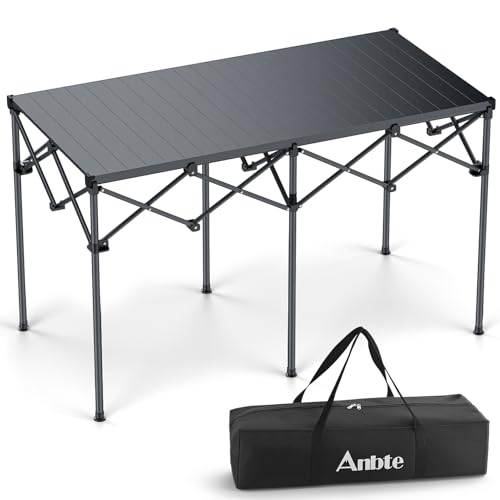
12 Best Heavy Duty Camping Table of 2026 That Will Not Wobble or Sag

10 Best Sleeping Bags For Tall People of 2026 To Stretch Out Fully
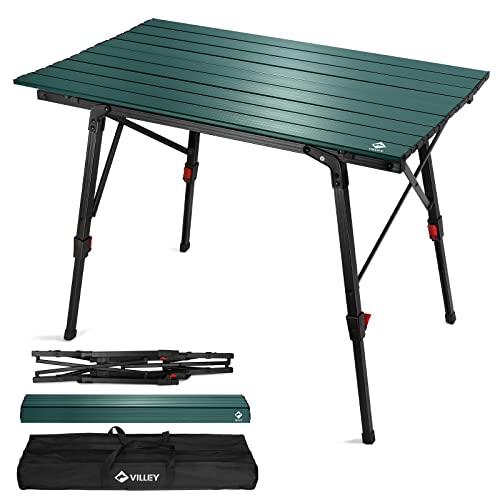
8 Best Camping Table Adjustable Legs of 2026 for Uneven Ground

10 Best Diaper Bag Backpacks For Dads of 2026 With Fast Gear Access

11 Best Framed Luggage of 2026 For Zipperless Security

11 Best Folding Two Wheeler For Luggage of 2026 To Prevent Tipping

11 Best Expandable Roller Luggage of 2026 That Fit Overhead Bins









