What Is a Bug Out Bag and Why It Really Matters

What Is a Bug Out Bag isn't just another survival phrase tossed around online. It refers to a carefully packed backpack filled with the essentials needed to leave home quickly during an emergency, whether that's a wildfire, flood, hurricane, power outage, or another unexpected situation that forces a fast evacuation. Rather than focusing on dramatic disaster scenarios, the real value lies in being prepared for ordinary emergencies that can happen with little warning. A thoughtfully packed bag helps reduce panic because the basics are already organized and ready to grab before walking out the door.
Life has a funny way of throwing curveballs, doesn't it? One day everything feels routine, and the next, roads are blocked, electricity disappears, or authorities recommend evacuating an area. That's exactly why What Is a Bug Out Bag keeps showing up in conversations about emergency preparedness. Instead of scrambling through closets searching for flashlights, medications, identification, or phone chargers, everything stays together in one reliable place. That simple habit saves valuable time while helping clear your mind during stressful moments.
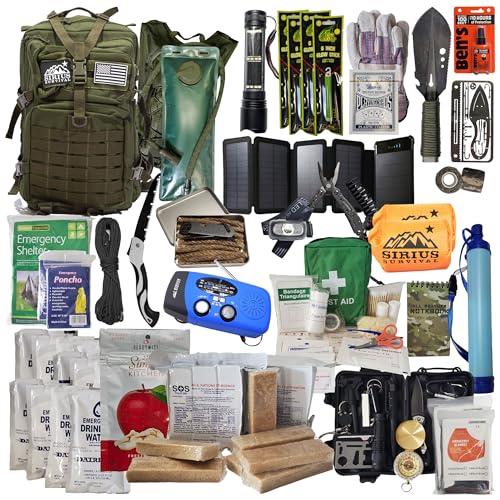
A practical bug out bag usually focuses on roughly three days of basic survival needs because emergency responders may take time to reach affected communities after a major disaster. Water, non-perishable food, weather-appropriate clothing, first aid supplies, important documents, hygiene products, flashlights, batteries, communication tools, and personal medications often make the priority list. Still, every bag should reflect local conditions, seasonal weather, family responsibilities, and personal health rather than following someone else's checklist word for word.
Balance matters just as much as preparation. Stuffing every useful gadget into a backpack might sound reassuring, yet carrying unnecessary weight becomes exhausting after only a short distance. Smart packing means choosing dependable items that serve multiple purposes while leaving enough room to move comfortably. A lighter, organized pack often proves far more valuable than an overloaded one filled with equipment that rarely gets used.
Preparation isn't driven by fear. Instead, it builds confidence through realistic planning. Spending a little time reviewing supplies every few months, replacing expired food, updating medications, charging batteries, and adjusting clothing for changing seasons keeps the bag useful instead of forgotten in a closet. Small maintenance steps today can prevent frustrating surprises later.
Another overlooked benefit involves everyday emergencies that never make national headlines. Apartment fires, burst water pipes, extended blackouts, or mandatory evacuations caused by nearby chemical spills all create situations where having essentials packed ahead of time removes unnecessary stress. That's where What Is a Bug Out Bag becomes less about survival culture and much more about practical household readiness that fits ordinary life.

- TLR Rank9.6
TLR Rank is a ranking system developed by TravelLuggageReviews.com. TLR Rank has no relationship or impact from any manufacturers or sales agent websites. Learn more
- BrandSirius Survival
- TLR Rank9.6
TLR Rank is a ranking system developed by TravelLuggageReviews.com. TLR Rank has no relationship or impact from any manufacturers or sales agent websites. Learn more
- BrandSirius Survival

- TLR Rank9.4
TLR Rank is a ranking system developed by TravelLuggageReviews.com. TLR Rank has no relationship or impact from any manufacturers or sales agent websites. Learn more
- BrandSirius Survival

- TLR Rank9.4
TLR Rank is a ranking system developed by TravelLuggageReviews.com. TLR Rank has no relationship or impact from any manufacturers or sales agent websites. Learn more
- BrandTacPreps

- TLR Rank9.4
TLR Rank is a ranking system developed by TravelLuggageReviews.com. TLR Rank has no relationship or impact from any manufacturers or sales agent websites. Learn more
- Brandkookoomia

- TLR Rank9.4
TLR Rank is a ranking system developed by TravelLuggageReviews.com. TLR Rank has no relationship or impact from any manufacturers or sales agent websites. Learn more
- BrandEVERLIT

- TLR Rank9.2
TLR Rank is a ranking system developed by TravelLuggageReviews.com. TLR Rank has no relationship or impact from any manufacturers or sales agent websites. Learn more
- BrandRIKOJUXI

- TLR Rank8.8
TLR Rank is a ranking system developed by TravelLuggageReviews.com. TLR Rank has no relationship or impact from any manufacturers or sales agent websites. Learn more
- BrandKNVBIN

- TLR Rank8.8
TLR Rank is a ranking system developed by TravelLuggageReviews.com. TLR Rank has no relationship or impact from any manufacturers or sales agent websites. Learn more
- BrandXIFOZA

- TLR Rank8.8
TLR Rank is a ranking system developed by TravelLuggageReviews.com. TLR Rank has no relationship or impact from any manufacturers or sales agent websites. Learn more
- BrandKNVBIN
Last update on 2026-06-30 / Affiliate links / Images, Product Titles, and Product Highlights from Amazon Product Advertising API
What Is A Bug Out Bag For Real-Life Emergencies
A sudden evacuation rarely gives anyone a neat little window to think clearly, pack calmly, and remember every small thing that matters. That pressure is exactly where what is a bug out bag becomes a practical question, not some dramatic survival fantasy. It’s a ready-to-grab bag packed with emergency essentials for leaving home fast during fires, floods, storms, blackouts, or other messy disruptions. The goal is simple: keep your body safe, your basics covered, and your brain free from frantic last-minute guessing.
Bug Out Bag Basics
A bug out bag is usually built around the first stretch of an emergency, especially the hours after you leave home and before things settle down. That means it shouldn’t feel like a moving closet or a camping store crammed into a backpack. It needs water, food, light, first aid, documents, clothing, hygiene gear, and communication tools. Packed well, it buys time, reduces stress, and keeps small problems from piling up into bigger ones.
The biggest mistake is packing for a movie scene instead of real life. Most people need simple, durable, familiar gear they can use while tired, cold, rushed, or distracted. A flashlight you already know how to operate beats a fancy gadget buried in plastic packaging. A labeled pouch with daily medications matters more than a dozen tools that look impressive but never get touched.
Weight deserves more respect than it usually gets. A loaded bag may feel fine for thirty seconds in the hallway, then feel like a bad idea after a long walk, a crowded shelter line, or a climb up stairs. Keep the bag light enough to carry without wrecking your back, because mobility is part of preparedness. Heavy gear that slows you down can turn a smart plan into a frustrating one.
A strong setup starts with the basics, then gets personal. Prescription needs, pet supplies, backup glasses, local weather, cash, phone charging, and copies of key documents can change what belongs inside. That’s why what is a bug out bag shouldn’t be answered with one rigid checklist. The better answer is a bag that fits your real routine, your region, and the kinds of disruptions most likely to knock life sideways.
Why Fast Evacuation Gets Messy
Emergencies are loud, rushed, and weirdly disorienting. Phones buzz, neighbors move around, sirens pass by, and suddenly the small stuff gets harder to remember. A prepared evacuation bag cuts through that noise because the essentials are already grouped in one place. Instead of debating what to grab, you’re grabbing what you already chose with a cooler head.
People often assume they’ll have time to pack. Sometimes they will, but betting on that isn’t smart planning. Wildfire alerts, flash flooding, gas leaks, extended power failures, and apartment fires can shrink decision time fast. A good bag helps cover food, hydration, warmth, basic medical care, and identification without turning the moment into a scavenger hunt.
To keep daily carry separate from emergency carry, rely on best brand sling bags for quick-access items that don’t belong at the bottom of a larger pack.
The mental side matters, too. Stress makes people forget ordinary things, even things they use every day. That’s why pre-packed essentials work so well: they remove dozens of tiny decisions from an already tense moment. A printed checklist tucked into the bag can also help, especially for last-minute items like shoes, wallets, chargers, and medication stored in the fridge.
A bug out bag also protects against the “I thought someone else packed it” problem. In a busy household, assumptions get expensive fast. Assigning one bag per adult, plus a smaller shared bag for children, pets, or vehicle supplies, keeps responsibilities clearer. That small bit of organization can prevent arguments, delays, and missing essentials when nobody has spare patience.
What Belongs Inside First
Water sits near the top because dehydration turns bad days worse. Pack bottled water, water pouches, or a compact filter depending on space and climate. Add shelf-stable food that doesn’t need cooking, such as protein bars, tuna packets, nut butter packs, or ready-to-eat meals. Choose food you’ll actually eat, because emergency supplies shouldn’t feel like punishment.
Light and power come next. A small flashlight, headlamp, spare batteries, and a charged power bank handle dark stairwells, dead phones, and late-night movement. Keep cords packed with the power bank so you’re not digging through drawers during an evacuation. For travel days or city errands, carry lighter overflow items with travel sling bag for ladies so chargers, IDs, and cash stay close without overloading the main pack.
First aid should be practical, not theatrical. Bandages, antiseptic wipes, pain relief, allergy medication, blister care, gloves, and personal prescriptions cover the problems that actually show up often. A small card listing medical conditions, emergency contacts, allergies, and prescriptions can help if you’re too stressed to explain everything clearly. Keep medications updated, because expired or missing medicine is one of those tiny oversights that can sting later.
Documents deserve a dry pouch. Copies of identification, insurance cards, emergency contacts, pet records, and key household information can make recovery smoother after displacement. Cash in small bills helps when card machines fail or power is out. A USB drive can be useful, but printed copies still matter because paper works without batteries.
Comfort Items That Actually Earn Space
Comfort is not fluff during an emergency. Dry socks, a warm layer, rain protection, and a compact blanket can change how long you can stay calm and functional. Clothing should match your weather, not someone else’s desert or mountain checklist. Seasonal updates matter because a bag packed in summer can fail badly during a cold snap.
Hygiene gear keeps small discomforts from turning into miserable distractions. Pack wipes, hand sanitizer, tissues, a toothbrush, toothpaste tabs, menstrual supplies if needed, and a small trash bag. These items don’t look exciting, but they protect comfort, dignity, and basic sanitation. A clean pair of socks can feel ridiculously valuable after wet pavement, shelter floors, or a long walk.
Some compact carry ideas come from fitness and outdoor routines. For low-bulk movement days, use best waist pack yoga as a reminder that body-friendly storage matters when bending, walking, or keeping both hands free. The same logic applies to emergency packing: anything that rubs, bounces, or digs into your waist will annoy you fast. Comfort affects whether you keep moving or start dumping useful gear on the curb.
Personal morale items can earn a spot if they’re small. A deck of cards, a family photo, earplugs, a notebook, or a tiny comfort object can help during long waits. Kids may need a familiar item even more than adults do, especially in shelters or vehicles. Emotional steadiness is part of survival, even if it rarely gets top billing on packing lists.
How To Pack Without Overdoing It
Smart packing starts with zones. Put urgent items like flashlights, gloves, masks, cash, and documents where they’re easy to reach. Food, clothing, and backup supplies can sit deeper in the pack. This setup keeps critical gear accessible without forcing you to unpack everything in a parking lot or hallway.
Use small pouches or clear bags so the inside doesn’t become a junk drawer with shoulder straps. Labeling helps, especially if someone else needs to grab supplies from your bag. A red pouch for first aid, a blue pouch for hygiene, and a waterproof sleeve for papers keeps the layout obvious. Organization saves time, and time gets precious during evacuation orders.
Test the bag by carrying it around the block. That quick walk tells the truth faster than any checklist. If straps bite, weight pulls backward, or the bag feels clumsy, adjust it before an emergency does the testing for you. A realistic bug out bag should feel manageable, not heroic.
Review the contents every few months. Replace expired food, rotate water, recharge power banks, update documents, and swap clothing for the season. Batteries leak, snacks get stale, children outgrow clothes, and phone cables change. Preparedness stays useful only when maintenance becomes routine, not a one-time burst of enthusiasm.
What Is A Bug Out Bag For Smarter Emergency Planning
Small gaps in planning tend to show up at the worst possible time, usually after the lights go out, the road closes, or an evacuation alert lands on the phone. A strong answer to what is a bug out bag goes beyond tossing gear into a backpack and hoping it covers the basics. The bag should support clear decisions, fast movement, personal safety, and practical comfort during the first rough stretch of an emergency. That means every item needs a reason to be there, not just a spot on someone else’s checklist.
A useful bug out bag also respects real-life limits. Not everyone can carry a heavy pack for miles, and not every emergency sends people into the woods. Some situations involve sitting in a car for hours, waiting in a school gym, staying with relatives, or walking through wet streets with tired legs. The smarter approach is to build a bag that fits local risks, personal routines, weather, health needs, and realistic transportation.
Planning this way keeps the bag from turning into clutter with straps. It also makes updates easier because the contents have a clear purpose. A compact first aid pouch, a dry document sleeve, a charged power bank, and simple food can do more good than bulky gear that creates confusion. Preparedness works best when it feels usable on an ordinary bad day, not only in a rare worst-case event.
For smaller items that need to stay close, a slim side carry can help separate daily essentials from emergency gear, especially for IDs, cards, medication, or phone cables. A sentence like this fits naturally beside travel sling bag because quick access matters when hands are full and nerves are running hot. The main pack can hold heavier supplies while small must-grab items stay within reach. That split makes movement smoother without turning every pocket into a mess.
Building A Bug Out Bag Around Real Risks
Local conditions should shape the bag before anything else. A coastal home may need rain gear, waterproof storage, and evacuation documents near the top. A wildfire-prone area may call for respiratory protection, eye protection, sturdy shoes, and copies of insurance papers. Cold regions need insulation and dry layers because wet clothing can turn uncomfortable fast.
Risk planning doesn’t have to feel dramatic. Start with the events that have actually happened nearby, then pack for the problems they create. Flooding causes wet feet, blocked roads, contaminated water, and delayed travel. Power outages create darkness, dead phones, spoiled food, poor communication, and limited access to cash.
City emergencies can look different from rural ones. Crowded shelters, public transit delays, apartment stairwells, and limited storage space all change what a bag should include. A smaller backpack may be more useful than a huge hiking pack if it fits in a closet, car trunk, or office drawer. The best emergency kit is the one that can be grabbed quickly without wrestling it out from behind holiday boxes.
Home layout matters, too. Keep the bag near an exit, not buried in a bedroom closet behind storage bins. Shoes, pet leashes, spare keys, and a jacket can sit nearby so the grab-and-go routine feels automatic. During a stressful moment, simple placement can save more time than fancy equipment.
Making The Bag Comfortable Enough To Carry
A bag that hurts to carry becomes a problem instead of a solution. Shoulder straps should sit comfortably, the load should stay close to the back, and the heaviest items should not swing around at the bottom. Weight distribution matters because even a short walk can feel longer during heat, rain, smoke, or stress. A quick test walk around the block can reveal more than any packing guide.
Comfort also means keeping gear organized. Small pouches prevent loose batteries, bandages, snacks, and cables from turning into a tangled pile. Clear bags or labeled pouches make it easier for someone else to find what’s needed without dumping everything out. Fast access reduces frustration, especially when hands are cold or lighting is poor.
Office workers, commuters, and apartment dwellers may need a cleaner-looking setup that doesn’t scream survival gear. In that case, a practical everyday pack can support preparedness without looking out of place. For a lighter work-friendly carry, a slim business backpack can make sense for documents, backup power, water, and basic supplies. The key is keeping emergency essentials separate enough that daily clutter doesn’t swallow them.
Overpacking usually comes from anxiety, not strategy. Extra tools, too many clothing layers, heavy cooking items, and duplicate gadgets add weight fast. A better question is whether each item solves a likely problem in a clear way. Useful beats impressive, especially when carrying the bag while tired, rushed, or distracted.
Keeping Food Water And Power Practical
Food in a bug out bag should be simple, compact, and familiar. Bars, packets, dried fruit, crackers, and nut butter are easier to manage than meals that need boiling water or special tools. Ready-to-eat food helps during car delays, shelter waits, or late-night evacuations. Pack items with reasonable shelf life, then rotate them before they become stale.
Water takes more planning because it gets heavy quickly. A few bottles or sealed pouches can cover immediate needs, while a compact filter or purification tablets add backup. The bag doesn’t need to carry every drop for every possible scenario, but it should cover the first stretch without depending on stores being open. Hydration planning keeps headaches, fatigue, and poor decisions from sneaking in early.
Power supplies deserve regular attention. A power bank is only useful if it’s charged, and a cable only helps if it matches the phone. Pack a wall plug, short charging cord, and backup battery together so nothing gets separated. Communication tools matter because updates, maps, contact numbers, and alerts often depend on a working phone.
Lighting should be hands-free if possible. A headlamp makes it easier to carry bags, open doors, help kids, or sort supplies in the dark. A small flashlight still earns space as a backup, especially if it uses common batteries. Redundancy matters for light and power because these items fail at inconvenient times.
Updating A Bug Out Bag Without Making It A Chore
A bug out bag can’t sit untouched for years and still be trusted. Food expires, batteries drain, clothing stops fitting, medications change, and documents become outdated. A simple seasonal check keeps the bag useful without turning maintenance into a big project. Quarterly reviews are enough for most households, especially before storm season, wildfire season, winter weather, or major travel periods.
Use a small checklist tucked inside the top pocket. Write down expiration dates, last power bank charge, document updates, and clothing changes. That tiny habit keeps the bag from becoming a mystery every time it gets opened. Visible reminders work better than trying to remember everything months later.
Family needs shift over time. Children outgrow clothes, pets may need new food or medicine, and adults may change prescriptions. Even small changes can create big gaps if the bag isn’t updated. Personal fit keeps the kit grounded in real life instead of frozen in the month it was first packed.
Keep the update routine plain and repeatable. Replace snacks, check water, charge power banks, test flashlights, refresh cash, and review papers. That’s not glamorous, but it’s exactly the kind of steady work that makes what is a bug out bag useful beyond theory. A bag that gets checked is a bag that can be trusted.
Common Mistakes That Make Bug Out Bags Less Useful
The first common mistake is packing too much. Heavy gear feels reassuring at home but punishing during movement. A bag should help you leave quickly, not slow you down before you reach the door. Comfortable carry weight matters more than filling every spare inch.
The second mistake is packing unfamiliar tools. Complicated water filters, multi-tools, radios, or fire starters can waste time if nobody knows how to use them. Practice with the gear before it matters. Familiar equipment reduces stress because your hands already know what to do.
The third mistake is ignoring documents and cash. Gear gets plenty of attention, but paperwork often solves problems faster after displacement. Identification, insurance copies, emergency contacts, and small bills can help with lodging, transportation, medical care, and recovery steps. Administrative readiness sounds boring until it becomes the thing that keeps everything moving.
The fourth mistake is storing the bag in the wrong place. A well-packed kit hidden in the garage behind boxes won’t help much during a fast exit. Keep it near a main exit, vehicle area, or another easy-to-reach spot. Grab-and-go access is part of the system, not an afterthought.
Teaching Everyone How The Bag Works
A bug out bag should not be one person’s secret project. Everyone who may rely on it needs to know where it is, what it contains, and what should be grabbed with it. A short walkthrough can prevent confusion during a rushed moment. Shared awareness turns the bag into a household tool instead of one person’s responsibility.
Keep instructions simple. Show where the first aid kit sits, where the documents are stored, and which pocket holds lights or power. Kids can learn basic roles, like grabbing shoes, a jacket, or a comfort item. Clear routines make emergencies feel less chaotic because everyone has something useful to do.
Practice doesn’t need to be dramatic. A two-minute drill can show whether the bag is easy to grab, whether shoes are nearby, and whether the exit path is clear. Small practice runs expose annoying problems before they matter. Preparedness improves through tiny corrections, not one huge weekend project.
Pets need a plan as well. Food, collapsible bowls, medication, leashes, vaccination records, and waste bags can sit in a separate pouch or small carrier. People often forget pet supplies until the last second, and that creates stress fast. Pet readiness keeps the whole household moving with fewer delays.
Turning Preparedness Into A Calm Routine
Preparedness feels easier once it becomes normal household maintenance. It belongs in the same mental bucket as checking smoke alarms, replacing air filters, or keeping a spare tire ready. A bug out bag is not about living scared. It’s about removing preventable problems before a difficult day arrives.
Start with what already exists at home. Spare chargers, extra socks, a flashlight, basic medicine, snacks, and copies of documents can form the first version. Then improve the bag over time instead of waiting for a perfect shopping list. Progress beats perfection because an imperfect packed bag is still better than an empty one.
The bag should match the way life actually works. A commuter might keep supplies split between home, car, and office. Someone in a small apartment might choose a compact pack that fits behind a door. Realistic storage keeps the kit accessible without turning living space into a supply closet.
Confidence grows from knowing the basics are covered. Water, food, light, documents, medicine, warmth, hygiene, and communication all work together to reduce avoidable stress. That’s the practical heart of what is a bug out bag: a simple system for leaving quickly while keeping essential needs within reach. The bag doesn’t need to be flashy, but it does need to be ready, comfortable, updated, and easy to carry.

10 Best Sleeping Bags For Tall People of 2026 To Stretch Out Fully

10 Best Diaper Bag Backpacks For Dads of 2026 With Fast Gear Access

9 Best Diaper Bags For Twins of 2026 With Dual Compartments

10 Best Rebecca Minkoff Leather Crossbody Bags Over 300 of 2026 With Genuine Everyday Capacity
11 Best Marc Jacobs Bags of 2026 For Daily Essentials
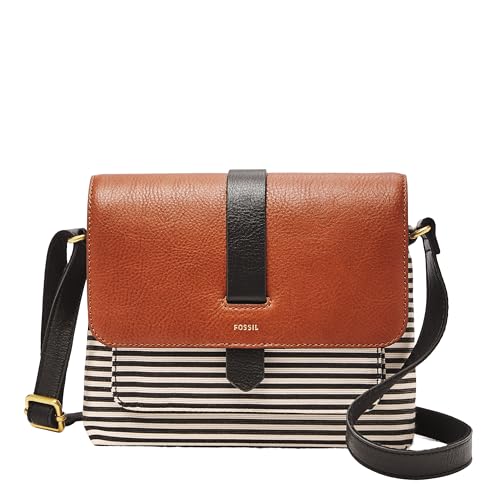
10 Best Fossil Handbags of 2026 For Everyday Organization

10 Best Tory Burch Handbags of 2026 For Everyday Wear

11 Best Kate Spade Handbags of 2026 For Work and Daily Carry