What Is a Dust Bag for Handbag and Why It Matters

What is a dust bag for handbag is one of those quiet questions people rarely ask until a favorite bag starts to lose its charm. At first glance, it looks like a simple fabric pouch, nothing fancy, nothing loud. Yet behind that modest appearance lies a purpose that directly affects how long a handbag keeps its original shape, texture, and presence. Ignoring it can slowly chip away at the look and feel you paid for.
A dust bag acts as a soft barrier between your handbag and everything else around it. Dust, humidity, sunlight, and even friction from nearby items can cause discoloration, drying, or unwanted creases over time. Wrapped inside a breathable fabric, the bag gets to rest without being suffocated or scratched. It is not about hiding the handbag away, but about giving it space to age gracefully.
For structured handbags, the value of a dust bag becomes even clearer. Handles can warp, corners can flatten, and leather can stiffen if left exposed for long periods. A dust bag helps maintain the original silhouette by reducing pressure from other items and preventing surface abrasion. Over months and years, that small habit quietly preserves the bag’s character.
Material matters more than people think when asking what is a dust bag for handbag. Cotton and flannel are commonly used because they allow airflow while still shielding the surface. Plastic covers, on the other hand, trap moisture and may cause mildew or peeling, which is the opposite of protection. Choosing the right dust bag means choosing long term care, not short term convenience.
Even for everyday bags that are not considered luxury, a dust bag still pulls its weight. It keeps interiors clean, prevents color transfer, and makes storage feel intentional rather than careless. Tossing a bag onto a shelf might seem harmless, but time has a way of amplifying small neglects. A dust bag is a quiet habit that pays back slowly but surely.
Travel adds another layer to the conversation around what is a dust bag for handbag. When packed in a suitcase, a handbag is vulnerable to pressure, zippers, and shifting items. Slipping it into a dust bag reduces scuffs and helps keep hardware from rubbing against other belongings. It is a simple move that saves you from that sinking feeling when unpacking.
In the end, a dust bag is less about rules and more about respect for your belongings. It signals that the handbag is not just an accessory, but something worth maintaining. Over time, this small act of care keeps bags looking intentional instead of tired. And honestly, that peace of mind is hard to beat.

- TLR Rank9.4
TLR Rank is a ranking system developed by TravelLuggageReviews.com. TLR Rank has no relationship or impact from any manufacturers or sales agent websites. Learn more
- BrandGONGKANGYUAN

- TLR Rank9.2
TLR Rank is a ranking system developed by TravelLuggageReviews.com. TLR Rank has no relationship or impact from any manufacturers or sales agent websites. Learn more
- BrandGDBEH

- TLR Rank9.2
TLR Rank is a ranking system developed by TravelLuggageReviews.com. TLR Rank has no relationship or impact from any manufacturers or sales agent websites. Learn more
- BrandGONGKANGYUAN
- TLR Rank9.2
TLR Rank is a ranking system developed by TravelLuggageReviews.com. TLR Rank has no relationship or impact from any manufacturers or sales agent websites. Learn more
- BrandInteresse

- TLR Rank9.2
TLR Rank is a ranking system developed by TravelLuggageReviews.com. TLR Rank has no relationship or impact from any manufacturers or sales agent websites. Learn more
- BrandGONGKANGYUAN

- TLR Rank9.0
TLR Rank is a ranking system developed by TravelLuggageReviews.com. TLR Rank has no relationship or impact from any manufacturers or sales agent websites. Learn more
- BrandCOIDEA

- TLR Rank8.0
TLR Rank is a ranking system developed by TravelLuggageReviews.com. TLR Rank has no relationship or impact from any manufacturers or sales agent websites. Learn more
- BrandGabotrie
Last update on 2026-03-03 / Affiliate links / Images, Product Titles, and Product Highlights from Amazon Product Advertising API
Why a dust bag quietly protects more than just a handbag
What is a dust bag for handbag
One overlooked benefit is how a dust bag helps reduce material fatigue. Leather fibers dry out faster when exposed to air and light for long periods, especially in climate controlled homes. By limiting airflow while still allowing breathability, the bag maintains a healthier balance. This is one of those quiet habits that doesn’t shout but absolutely shows results.
Shape preservation is another unsung advantage tied to what is a dust bag for handbag. Structured bags are particularly vulnerable to sagging and corner collapse when stored loosely. Inside a dust bag, they face less pressure from nearby items and fewer accidental bumps. Over years, that alone can mean the difference between a bag that still stands tall and one that slouches.
There’s also a psychological comfort at play here. Sliding a bag into a dust bag signals care, not obsession, just intention. That small ritual often leads to better habits like emptying pockets or gently reshaping handles. In a strange way, the dust bag protects not only the handbag but also the owner’s mindset toward maintenance.
The role of dust bags in preserving material and texture
Materials react differently to time, and what is a dust bag for handbag
Breathability is the key factor many people miss. High quality dust bags use cotton or flannel because these fabrics allow moisture to escape. Trapped humidity, often caused by plastic covers, leads to mildew, peeling, or sticky finishes. Choosing the right dust bag material is not optional, it’s essential.
Color stability also benefits from proper storage. Light exposure causes gradual fading, especially for darker leathers and dyed fabrics. Inside a dust bag, that exposure drops dramatically. Over long storage periods, this helps maintain color consistency, especially on panels that would otherwise face uneven light.
Even interior linings gain protection. Dust settles inside open bags and mixes with daily residue, creating a dull interior over time. A dust bag keeps the inside cleaner, reducing the need for aggressive cleaning later. That means less wear caused by frequent scrubbing or chemical cleaners.
How storage habits influence long term handbag value
For anyone who has ever regretted poor storage, what is a dust bag for handbag
Resale value is directly affected by condition, and condition starts with storage. Bags kept in dust bags consistently show fewer surface marks and better structure. For premium handbags, this can translate into significantly higher resale interest. Even without selling, knowing the bag retains its value adds confidence.
Daily use bags benefit just as much as occasional ones. Many people rotate handbags, meaning some sit unused for weeks at a time. Without protection, those resting periods become exposure periods. A dust bag ensures downtime doesn’t become damage time.
These habits extend beyond handbags. Similar principles apply to travel and carry items, which is why guides like best duffle bag storage often emphasize shape and material care. The logic is consistent across accessories: how you store it decides how long it lasts.
Travel scenarios where dust bags make a real difference
Travel is where what is a dust bag for handbag stops being theoretical and becomes practical. Inside a suitcase, handbags face pressure, shifting weight, and sharp hardware from other items. A dust bag creates a soft buffer that reduces scuffs and compressive damage. That extra layer matters more than people expect.
Dust bags also prevent hardware from scratching surrounding belongings. Metal feet, buckles, and chains can leave marks on clothing or shoes during transit. Enclosing the handbag minimizes contact and keeps everything cleaner. It’s a small step that avoids unnecessary friction.
Unpacking is where the payoff shows. Opening a suitcase to find a handbag in the same condition it was packed feels reassuring. That sense of control during travel reduces stress and post trip cleanup. In that moment, the dust bag earns its keep.
Everyday storage mistakes that dust bags quietly fix
Many everyday mistakes happen without intention, which is why what is a dust bag for handbag matters even outside closets. Storing bags stacked without separation causes friction and pressure points. Over time, that leads to flattened corners and imprinted textures. A dust bag creates separation without complexity.
Another common issue is hanging handbags by their straps. While it saves space, it strains handles and distorts shape. Dust bags encourage shelf storage instead, where weight is evenly distributed. That shift alone can extend a bag’s usable life.
Open shelving exposes bags to kitchen oils, household dust, and even sunlight from nearby windows. These factors combine to age materials faster than expected. Sliding a bag into a dust bag reduces exposure without hiding it away completely. Visibility and protection can coexist.
This principle mirrors how accessories like waist packs are cared for, especially in active settings. Storage advice seen in big waist pack guides often stresses minimizing pressure and surface contact. Different items, same logic, consistent results.
The emotional value behind careful handbag storage
Beyond practicality, what is a dust bag for handbag touches something emotional. A handbag often carries memories, milestones, and routines. Protecting it feels like honoring those experiences rather than just maintaining an object. That emotional link shapes how people treat their belongings.
Using a dust bag slows the pace of consumption. Instead of replacing worn bags frequently, people keep what they love in better condition. This shift encourages thoughtful ownership rather than constant upgrading. Over time, that mindset feels grounding.
There’s also a sense of calm that comes from order. Knowing where a bag is stored and that it’s protected removes low level anxiety. That may sound small, but it adds up in daily life. Order creates ease, and ease creates satisfaction.
In many ways, the dust bag becomes part of the handbag’s story. It’s not an accessory you show off, but one that supports quietly. And sometimes, the quiet roles matter the most.
Choosing the right dust bag for different handbag types
What is a dust bag for handbag
Size is another critical factor that’s often overlooked. A dust bag that’s too small compresses the handbag, while one that’s too large allows unnecessary movement inside. That extra shifting can cause friction marks and creasing. A properly fitted dust bag supports the bag naturally, almost like a custom sleeve.
Drawstring versus flap closure also plays a role in daily convenience. Drawstrings are quick and practical for frequently rotated bags, while flap style dust bags offer more uniform coverage for long term storage. Neither is universally better, but choosing based on usage habits makes storage feel effortless. The right choice quietly supports consistency.
Material quality matters just as much as design. Breathable cotton remains the safest option for most handbags, especially leather and suede. Synthetic fabrics may feel smooth but can trap moisture and heat. In the long run, breathability always wins.
Dust bags and climate related storage challenges
Climate has a stronger influence on storage than many expect, which is why what is a dust bag for handbag matters even more in certain environments. Humid areas accelerate mold growth and leather breakdown if airflow is restricted. A breathable dust bag helps regulate microclimates around the bag. This balance reduces the risk of mildew without drying materials out.
In dry climates, leather can stiffen and lose natural oils over time. While a dust bag doesn’t add moisture, it slows down dehydration by limiting exposure to dry air. Paired with occasional conditioning, this creates a stable storage routine. Consistency here prevents cracking and premature aging.
Temperature fluctuations also affect adhesives, coatings, and linings. Bags stored openly are more exposed to daily temperature swings. A dust bag acts as a mild buffer, smoothing out those changes. That subtle protection often goes unnoticed until it’s missing.
Closet placement still matters. Avoid placing dust bagged handbags near heaters or direct sunlight. Even with protection, extreme conditions overpower fabric barriers. Smart placement completes the protection system.
How dust bags support organization and daily routines
Organization is an underrated benefit tied to what is a dust bag for handbag. Dust bags create clear boundaries between items, making closets easier to manage. Instead of piles of exposed bags, each one has a defined space. This reduces clutter and decision fatigue.
Color coded or labeled dust bags add another layer of efficiency. Knowing which bag is inside without opening it saves time during busy mornings. That small convenience encourages consistent use of dust bags instead of skipping them. Habits stick when they feel helpful.
Dust bags also protect handbags from accessories stored nearby. Items like scarves, belts, or even travel gear can snag hardware or scratch surfaces. Separation prevents those accidental interactions. This principle mirrors organization tips often seen in carry gear care, such as securing attachments discussed in secure pins guides.
Over time, better organization leads to better care. When bags are easy to store properly, they are more likely to be stored properly. The dust bag becomes part of the routine rather than an extra step.
Common misconceptions about dust bags and storage
One misconception about what is a dust bag for handbag is that it’s only necessary for luxury items. In reality, everyday handbags suffer just as much from neglect. Materials may differ, but exposure damage applies across price ranges. Protection isn’t about status, it’s about longevity.
Another myth is that dust bags are only for long term storage. Even short breaks between uses expose bags to dust and light. Using a dust bag daily reduces cumulative damage. Small windows of exposure add up over time.
Some believe plastic covers are a better alternative. While they block dust, they trap moisture and encourage mold growth. This tradeoff often causes more harm than good. Breathable fabric remains the safer option.
There’s also a belief that dust bags are inconvenient. In practice, the few seconds it takes to use one save hours of cleaning and maintenance later. Convenience is relative, especially when weighed against long term care.
Long term benefits of consistent dust bag use
Consistency is where what is a dust bag for handbag truly proves its value. Bags stored properly year after year retain shape, color, and texture far better than those left exposed. This preservation reduces the need for repairs or professional cleaning. Over time, maintenance costs drop significantly.
There’s also confidence in knowing a handbag will look the same next season as it does now. That reliability encourages rotation instead of replacement. People tend to enjoy what they keep in good condition longer. The dust bag quietly supports that satisfaction.
For those who travel often, consistent storage habits translate across environments. Whether at home or on the road, the same protective routine applies. This mindset aligns with thoughtful packing strategies, similar to how travelers select a personal item bag based on durability and organization. Care principles stay consistent.
In the end, the dust bag is not an accessory you show, but one that shows results. Its benefits compound slowly, almost invisibly. And that steady return is what makes it indispensable.
Why dust bags remain relevant despite changing fashion trends
Fashion trends shift quickly, yet what is a dust bag for handbag remains a constant for a reason. While silhouettes and materials evolve, the need for protection does not. New finishes may even be more delicate than older ones. Dust bags adapt quietly to every trend.
As handbags become more experimental in shape and material, storage challenges increase. Unusual curves, mixed materials, and decorative elements need gentle handling. Dust bags offer flexible protection without rigid constraints. This adaptability keeps them relevant.
Sustainability also plays a role in their continued importance. Extending the life of a handbag reduces waste and overconsumption. Dust bags support mindful ownership rather than disposable fashion habits. That shift matters more each year.
No matter how styles change, time remains the greatest test. Dust bags help handbags pass that test with grace. Trends fade, but care endures.

10 Best Sleeping Bags For Tall People of 2026 To Stretch Out Fully

10 Best Diaper Bag Backpacks For Dads of 2026 With Fast Gear Access

9 Best Diaper Bags For Twins of 2026 With Dual Compartments

10 Best Rebecca Minkoff Leather Crossbody Bags Over 300 of 2026 With Genuine Everyday Capacity
11 Best Marc Jacobs Bags of 2026 For Daily Essentials
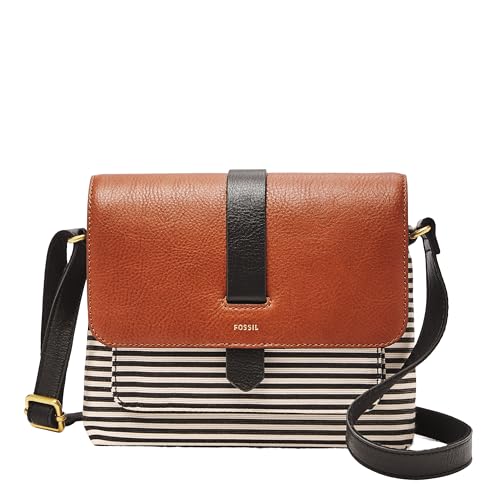
10 Best Fossil Handbags of 2026 For Everyday Organization

10 Best Tory Burch Handbags of 2026 For Everyday Wear

11 Best Kate Spade Handbags of 2026 For Work and Daily Carry