
What Is A Travel Lane: Road Sense That Sticks

What is a travel lane sounds like a simple road question, but it trips up plenty of people once real traffic gets messy. A travel lane is the part of the roadway meant for vehicles moving in the same direction, usually marked by painted lines or separated by road design. It is not a parking lane, shoulder, bike lane, turn pocket, or emergency space, even though those areas may sit right beside it. So, yes, that strip of pavement has a job, and mixing it up with other road space can create confusion fast.
A travel lane helps traffic move in an orderly flow instead of turning the road into a guessing game. Drivers rely on lane markings, road signs, arrows, and common lane discipline to know where to stay, where to merge, and where to prepare for turns. That sounds basic, sure, but the rubber meets the road near intersections, construction zones, highway exits, and narrow neighborhood streets. One small misunderstanding can lead to sudden braking, awkward swerving, or that classic “wait, am I supposed to be here?” moment.
The biggest thing to remember is that a travel lane is built for active movement. A shoulder gives space for emergencies, a parking lane holds stopped vehicles, and a turning lane helps vehicles shift out of through traffic before changing direction. Blending those areas together is where trouble starts, especially on roads with faded paint or heavy congestion. Clear lane awareness keeps driving smoother because every vehicle has a predictable place to be.
Lane markings also matter more than many people think. Solid lines usually tell drivers to stay put or avoid crossing unless conditions clearly allow it, while broken lines often show where lane changes may happen with care. Arrows painted on the pavement can turn a regular-looking lane into a through lane, left-turn lane, or right-turn lane. Miss those clues, and suddenly a normal drive feels like a pop quiz with horns in the background.
Road design can make the idea feel a bit slippery, too. A city street may have one travel lane in each direction, while a highway may have several lanes carrying traffic at higher speeds. Some roads add bus lanes, bike lanes, reversible lanes, or shared-use markings, and each one changes how drivers should read the space. The trick is to treat the travel lane as the lane intended for steady vehicle movement unless signs or markings say otherwise.
Understanding what is a travel lane also helps with safer decisions around merging and passing. A driver should enter a travel lane only after checking mirrors, signaling, judging speed gaps, and moving smoothly rather than darting in like a squirrel with a schedule. That bit of patience matters because other drivers expect the lane to stay predictable. Calm lane changes, clean positioning, and steady speed make the road feel less chaotic for everyone nearby.
In plain English, a travel lane is the road space where vehicles are supposed to travel, not linger, drift, or improvise. It keeps traffic organized, supports safer spacing, and tells each driver where motion belongs. The concept may be simple, but it shows up in nearly every driving decision, from city commutes to highway trips. Once the idea clicks, road signs and pavement markings start making a lot more sense.

- TLR Rank9.8
TLR Rank is a ranking system developed by TravelLuggageReviews.com. TLR Rank has no relationship or impact from any manufacturers or sales agent websites. Learn more
- BrandN/A

- TLR Rank9.6
TLR Rank is a ranking system developed by TravelLuggageReviews.com. TLR Rank has no relationship or impact from any manufacturers or sales agent websites. Learn more
- BrandN/A

- TLR Rank9.4
TLR Rank is a ranking system developed by TravelLuggageReviews.com. TLR Rank has no relationship or impact from any manufacturers or sales agent websites. Learn more
- BrandN/A

- TLR Rank9.4
TLR Rank is a ranking system developed by TravelLuggageReviews.com. TLR Rank has no relationship or impact from any manufacturers or sales agent websites. Learn more
- BrandN/A

- TLR Rank9.2
TLR Rank is a ranking system developed by TravelLuggageReviews.com. TLR Rank has no relationship or impact from any manufacturers or sales agent websites. Learn more
- BrandN/A

- TLR Rank9.2
TLR Rank is a ranking system developed by TravelLuggageReviews.com. TLR Rank has no relationship or impact from any manufacturers or sales agent websites. Learn more
- BrandN/A

- TLR Rank9.0
TLR Rank is a ranking system developed by TravelLuggageReviews.com. TLR Rank has no relationship or impact from any manufacturers or sales agent websites. Learn more
- BrandN/A

- TLR Rank9.0
TLR Rank is a ranking system developed by TravelLuggageReviews.com. TLR Rank has no relationship or impact from any manufacturers or sales agent websites. Learn more
- BrandN/A

- TLR Rank8.8
TLR Rank is a ranking system developed by TravelLuggageReviews.com. TLR Rank has no relationship or impact from any manufacturers or sales agent websites. Learn more
- BrandN/A

- TLR Rank8.4
TLR Rank is a ranking system developed by TravelLuggageReviews.com. TLR Rank has no relationship or impact from any manufacturers or sales agent websites. Learn more
- BrandN/A

- TLR Rank7.2
TLR Rank is a ranking system developed by TravelLuggageReviews.com. TLR Rank has no relationship or impact from any manufacturers or sales agent websites. Learn more
- BrandN/A
Last update on 2026-09-08 / Affiliate links / Images, Product Titles, and Product Highlights from Amazon Product Advertising API
What Is A Travel Lane
Traffic feels simple until a lane suddenly ends, a truck blocks the view, or a faded stripe leaves everyone guessing. That is where what is a travel lane becomes a practical road skill, not just a phrase from a driver handbook. A travel lane is the portion of the roadway intended for vehicles moving with the normal flow of traffic. It keeps cars, buses, motorcycles, and other vehicles moving in a predictable path instead of drifting into shoulders, parking areas, or turn-only spaces.
A travel lane usually sits between marked lines, but paint is not the whole story. Signs, arrows, curbs, medians, lane-use signals, and road design all help show where active vehicle movement belongs. A lane may carry traffic straight ahead, merge traffic onto a highway, or guide vehicles through a busy city corridor. The key point is simple: movement belongs there, while stopping, parking, or emergency use usually belongs somewhere else.
Drivers often get tripped up because roads do not always look tidy. A wide shoulder can look like a lane, a bus lane may look open, and a turn lane may tempt someone who wants to skip a line of traffic. That confusion can create sudden braking, side-swipes, and angry horn taps before anyone has time to think. Clear lane reading helps drivers make safer choices before the road gets stressful.
The Federal Highway Administration describes roadway lanes through markings, signs, and traffic control devices that help guide vehicle movement. That may sound dry, but on a real road, those clues do the heavy lifting. Broken white lines, solid white lines, yellow center lines, arrows, and merge signs all tell drivers what the lane is meant to do. A driver who can read those clues quickly has a better shot at steady positioning and fewer last-second corrections.
Why Travel Lanes Matter In Daily Driving
A travel lane matters because it creates order in a place where everyone is moving at different speeds. Without assigned lanes, every road would feel like a parking lot with engines running and tempers rising. Lane discipline gives each driver a shared expectation: stay in your lane, signal before moving, and respect the space beside you. That predictable behavior reduces confusion and helps traffic flow without constant guesswork.
Daily driving brings plenty of small pressure points. Someone is late for work, a delivery van is double-parked, rain is blurring the lines, and a cyclist is sharing the edge of the road. In that mix, lane awareness becomes a quiet safety tool. It helps a driver know whether to hold position, slow down, merge, or wait for a better opening.
A travel lane also protects other road spaces from being misused. The shoulder is usually for emergencies, breakdowns, and limited special cases, not casual passing. Bike lanes are designed for bicycle movement, and parking lanes are meant for stopped vehicles where parking is allowed. Mixing those spaces with through traffic turns a simple road into a mess, especially near schools, shopping centers, and highway ramps.
Think about a two-lane road with one lane in each direction. The travel lane carries vehicles forward, while the center line separates opposing traffic. If a driver drifts across that line or hugs the shoulder to pass, the road becomes risky fast. Good lane use is not flashy, but it is one of those habits that keeps everyone from playing chicken with physics.
How Lane Markings Guide Vehicle Movement
Lane markings work like quiet instructions painted on the pavement. Broken white lines usually separate lanes moving in the same direction and may allow lane changes when it is safe. Solid white lines often tell drivers to stay in their lane or avoid crossing unless necessary and legal. Yellow lines usually separate traffic moving in opposite directions, which makes them especially important on two-way roads.
Arrows can change the purpose of a lane in a heartbeat. A lane that looks like a normal travel lane may become a left-turn-only lane once an arrow appears on the pavement. A straight arrow means through movement, while curved arrows tell drivers where the lane is supposed to go. Missing those markings can lead to awkward stops, blocked intersections, or a rushed lane change that nobody around you expected.
Road signs add another layer of direction. A sign may say “right lane must turn right,” “lane ends,” or “keep left,” and those instructions affect how a travel lane should be used. Highway signs often warn drivers early so they can merge before the lane disappears. City streets may give less room to react, so reading signs early matters even more.
Weather and worn paint make lane reading harder. Rain can make markings shine, headlights can bounce off wet pavement, and old striping may fade into the asphalt. In those moments, drivers need to use road edges, traffic flow, reflectors, signs, and the position of nearby vehicles as clues. Smart driving means slowing down before uncertainty turns into a bad decision.
Travel Lane Versus Shoulder And Turn Lane
A travel lane is not the same as a shoulder, even when the shoulder looks wide enough for a car. The shoulder sits along the side of the roadway and is commonly used for emergencies, disabled vehicles, law enforcement stops, or special allowed uses. Passing on the shoulder is dangerous because other drivers do not expect active traffic there. That surprise factor is exactly why shoulder misuse causes so many close calls.
A turn lane has a different job, too. It helps vehicles leave the main traffic flow before turning left or right, which keeps through traffic moving with fewer sudden slowdowns. A left-turn lane may sit in the center of the road, while a right-turn lane usually forms near an intersection or driveway. Using a turn lane as a shortcut is a bad habit because it puts turning vehicles and through drivers in conflict.
Parking lanes create another common mix-up. On some streets, parked cars line the curb beside the travel lane, and the space may look open when no vehicles are parked. That does not automatically make it a moving lane. Drivers should check signs, markings, curb rules, and local traffic patterns before treating any curbside space as part of the active roadway.
Travelers dealing with busy airports, rideshares, and rental cars need clear road judgment before they even reach the highway. Keep carry-on essentials organized before a pickup or drop-off rush by choosing best carry on tote bag options that keep documents, chargers, and small items from becoming back-seat clutter. Less fumbling inside the car means more attention on lane position, merge points, and curbside traffic. A tidy cabin will not make someone a better driver by itself, but it removes one more distraction from a crowded travel day.
Common Mistakes Drivers Make With Travel Lanes
One common mistake is treating every open strip of pavement like a usable travel lane. Wide roads can be misleading, especially near construction zones or older streets with patched surfaces. A driver may see space and assume it is fair game, but road markings and signs decide the lane’s purpose. That assumption can put a vehicle into a shoulder, bike lane, bus lane, or turn pocket without warning.
Another mistake is changing lanes too late. A driver may realize the lane ends, panic, and squeeze into traffic at the last second. That move forces other vehicles to brake or swerve, which creates a chain reaction behind them. Early signaling and patient merging make a lane change smoother for everyone nearby.
Speed mismatch causes trouble as well. A travel lane works best when drivers move at a pace that fits road conditions, traffic flow, and posted limits. Driving much slower than surrounding traffic can create pressure, while speeding through a crowded lane leaves little room for mistakes. Safe lane use is not only about staying between lines, because speed and spacing matter just as much.
Some drivers also hover between lanes without realizing it. Maybe they are checking a navigation app, avoiding a pothole, or looking for a parking entrance. The result is the same: nearby drivers lose confidence in what that vehicle will do next. Firm lane placement, steady steering, and clear signals make the road feel less tense.
How Travel Lanes Work On Highways
Highways use travel lanes to handle faster traffic, longer sight lines, and heavier merging patterns. A typical freeway may have several lanes moving in the same direction, and each lane supports a slightly different rhythm. The right lane often handles entering and exiting traffic, while left lanes may carry vehicles moving through with fewer ramp conflicts. Local rules vary, so signs still matter more than habit.
Merge lanes deserve extra attention. A ramp lane helps vehicles build speed before entering the main travel lane, but it does not erase the need for judgment. Drivers entering the highway should signal, match traffic speed when possible, and find a safe gap instead of forcing their way in. Drivers already on the highway should stay alert because merging traffic may need room.
Lane endings can feel stressful because they compress decision-making. A “lane ends” sign gives a warning that the current travel lane will taper, close, or merge into another lane. Waiting until the final few feet creates friction and raises the odds of sudden braking. A smooth merge works better when drivers plan early and avoid turning the taper point into a contest.
Longer road trips add another wrinkle: fatigue. A driver who has been on the highway for several hours may drift, miss lane signs, or react late to brake lights ahead. Smart packing helps reduce chaos during fuel stops and overnight breaks, so build a cleaner travel setup with best fjallraven backpack picks that keep daily gear within reach. A calmer stop-and-go routine supports better focus once the vehicle returns to highway traffic.
How Travel Lanes Work In Cities
City streets make travel lane decisions feel more crowded and less forgiving. Parked cars, buses, scooters, pedestrians, delivery trucks, and ride-hail stops all compete for attention. A lane may change purpose block by block, especially near downtown corridors, schools, hospitals, and entertainment areas. The driver who scans ahead instead of staring only at the bumper in front usually handles city lanes better.
Intersections create the biggest city-lane puzzle. A lane may allow through movement at one intersection and become turn-only at the next. Pavement arrows, overhead signs, and lane-use signals all matter, especially where multiple lanes approach the same light. Missing one clue can leave a driver stuck in the wrong lane with no clean way to fix it.
Bus lanes and bike lanes need extra respect. They may sit beside a regular travel lane, but that does not make them available for casual driving. Some bus lanes allow limited use during certain times or for turns, while others are restricted more strictly. The safest move is to read signs carefully and avoid drifting into spaces built for other movement.
Travel in unfamiliar cities can pile on pressure fast, especially with luggage, rental cars, and narrow hotel drop-off zones. Plan cleaner city arrivals by reviewing best luggage for Europe choices that roll better over curbs, train platforms, and tight sidewalks. That may sound separate from lane rules, but less baggage stress can keep attention where it belongs: traffic flow, signals, and pedestrians. A driver with fewer distractions reads the road with a cooler head.
Safe Habits For Staying In The Right Travel Lane
Good lane use starts before a driver turns the wheel. Mirrors, signals, shoulder checks, speed judgment, and road scanning all work together to protect the travel lane. A signal should tell other drivers what is coming, not report what already happened. That tiny timing difference can prevent a lot of brake taps and side-eye.
Scanning farther ahead helps drivers avoid rushed moves. A stopped bus, lane closure sign, or turning queue may appear several car lengths ahead before it becomes a problem. Early awareness gives a driver time to adjust lane position without jolting the vehicle beside them. That is the quiet advantage of defensive driving: fewer surprises, fewer sharp corrections.
Space matters more than pride. A driver who misses a turn should keep going and reroute instead of cutting across lanes at the last second. GPS will recover; a side-impact crash is a bigger headache. Holding a safe path inside the travel lane beats forcing a move that other drivers cannot predict.
Road manners help, too. Letting a vehicle merge, avoiding tailgating, and keeping steady speed all make lane sharing easier. Nobody drives perfectly every day, but consistent habits give everyone more room to breathe. A predictable driver is easier to trust, and trust is the invisible glue that keeps traffic moving.
Road Signs And Signals That Shape Lane Use
Signs can turn a normal-looking travel lane into something more specific. A lane-control sign may tell drivers which direction each lane must go, while overhead arrows may show open or closed lanes. On some roads, signals above lanes change depending on traffic direction or time of day. Those signs carry more authority than a driver’s guess from yesterday’s commute.
Reversible lanes deserve careful reading. These lanes may carry traffic one way during morning rush and the opposite way later in the day. Overhead signals, signs, and pavement markings tell drivers whether the lane is open, closed, or restricted. A mistake here can put a vehicle into opposing traffic, so hesitation is better than blind confidence.
Construction zones change lane rules quickly. Cones, barrels, temporary signs, flaggers, and narrowed lanes may override the normal layout. A former shoulder may become a temporary travel lane, or a regular lane may close with little room to spare. Slower speed and wider following distance make those temporary setups easier to handle.
School zones and work zones also raise the stakes. Pedestrians, workers, buses, and equipment can appear near the lane edge, leaving less margin for sloppy steering. A driver should treat every sign as a fresh instruction, not background decoration. Strong lane discipline in these areas protects people who are not inside a vehicle.
Why Travel Lane Awareness Builds Road Confidence
Confidence on the road does not come from acting bold. It comes from reading the lane, choosing early, and making movements that other people can understand. A driver who knows what is a travel lane has a cleaner mental map of the road. That map reduces second-guessing during merges, turns, lane drops, and busy intersections.
Newer drivers often focus on steering and speed, but lane purpose deserves just as much attention. The road becomes easier to read once each space has a role. Through lanes carry movement, turn lanes separate turning vehicles, shoulders support emergencies, and parking lanes hold stopped vehicles where allowed. That framework keeps road decisions from feeling random.
Experienced drivers benefit from the same clarity. Habits can get lazy after years behind the wheel, and familiar roads can make people stop reading signs. A fresh look at travel lane rules can correct small risks before they become normal. The best drivers are not the loudest or fastest; they are the ones other people can predict.
A travel lane is one of the plainest pieces of road design, yet it carries a big responsibility. It tells vehicles where movement belongs, helps separate traffic roles, and gives drivers a shared language without saying a word. The more clearly a driver reads that language, the easier it becomes to stay calm in traffic. Road confidence grows from those small, steady choices repeated mile after mile.
What Is A Travel Lane In Real Road Situations
Road rules feel easier on paper than they do


9 Best Travel Camping Table of 2026 For Uneven Ground
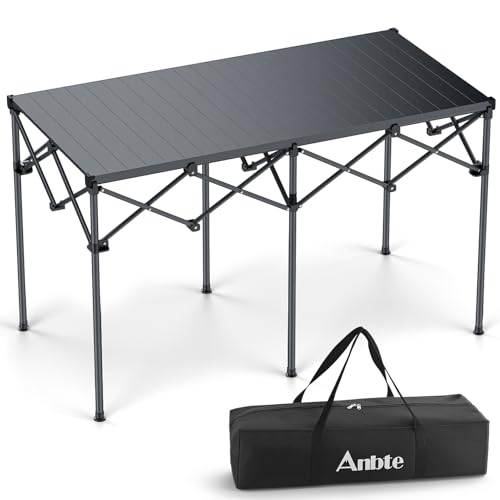
12 Best Heavy Duty Camping Table of 2026 That Will Not Wobble or Sag

10 Best Sleeping Bags For Tall People of 2026 To Stretch Out Fully
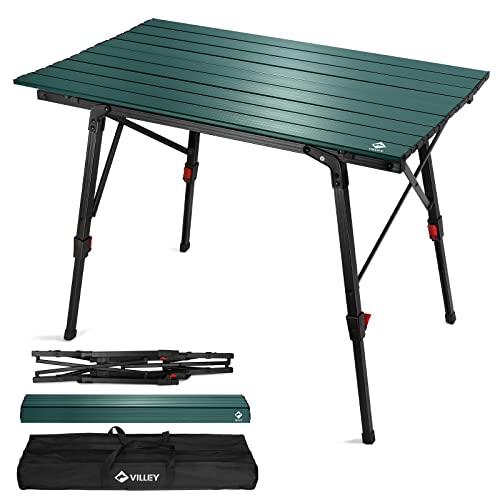
8 Best Camping Table Adjustable Legs of 2026 for Uneven Ground

10 Best Diaper Bag Backpacks For Dads of 2026 With Fast Gear Access

11 Best Framed Luggage of 2026 For Zipperless Security

11 Best Folding Two Wheeler For Luggage of 2026 To Prevent Tipping

11 Best Expandable Roller Luggage of 2026 That Fit Overhead Bins









