What Is A Travel Wire? Simple Money Guide

What is a travel wire usually points to a money transfer sent while travel plans are already moving, often through a bank, credit union, remittance service, or travel-related payment provider. The phrase can sound a little stiff, but the need behind it is pretty real: Someone is away from home, funds need to move fast, and waiting around feels like watching paint dry. A travel wire transfer may help cover hotel issues, emergency expenses, deposits, family support, or last-minute costs that pop up miles from the usual routine. Still, it’s not something to treat like a casual tap on a payment app.
Speed, verification, and fees sit at the heart of the whole thing. A wire may move quicker than some regular bank transfers, yet the sender still needs correct recipient details, a valid bank name, routing information, account information, and sometimes a physical address. One tiny typo can send the payment into a slow, annoying review process, and boy, that’s the last thing anyone wants while juggling luggage, bookings, and spotty airport Wi-Fi. Banks may also charge outgoing and incoming fees, so the amount sent and the amount received may not match perfectly.
Safety matters because wire transfers are harder to reverse than card payments or some digital wallet transactions. Scammers know that travel creates pressure, and pressure makes people rush. A fake rental host, a bogus travel agent, or a stranger claiming there’s an urgent booking problem can push for a wire because the money can be difficult to recover. So, before sending a travel wire, confirm the recipient through a trusted channel, review every number twice, and avoid wiring money to someone who only appeared through a random message.
International travel wires can bring extra wrinkles. Currency conversion, intermediary banks, local banking hours, compliance checks, and destination-country rules may slow things down or trim the final amount. That doesn’t make wires bad; it just means they’re not magic. Used carefully, they can solve real travel headaches, especially when larger sums are involved or a receiving bank needs formal payment proof. Used carelessly, they can turn a simple trip problem into a costly mess.
A travel wire works best when the sender treats it like a serious financial move, not a quick favor. Keep receipts, save confirmation numbers, ask about fees before sending, and make sure the purpose of the transfer is clear. Also, compare alternatives such as card payments, bank transfers, or regulated money-transfer services before jumping in. The smartest move is simple: Send money only after the details check out, the recipient is verified, and the cost makes sense.

- TLR Rank9.4
TLR Rank is a ranking system developed by TravelLuggageReviews.com. TLR Rank has no relationship or impact from any manufacturers or sales agent websites. Learn more
- BrandNearockle
- TLR Rank9.4
TLR Rank is a ranking system developed by TravelLuggageReviews.com. TLR Rank has no relationship or impact from any manufacturers or sales agent websites. Learn more
- BrandBAGSMART

- TLR Rank9.4
TLR Rank is a ranking system developed by TravelLuggageReviews.com. TLR Rank has no relationship or impact from any manufacturers or sales agent websites. Learn more
- BrandBAGSMART

- TLR Rank9.2
TLR Rank is a ranking system developed by TravelLuggageReviews.com. TLR Rank has no relationship or impact from any manufacturers or sales agent websites. Learn more
- BrandFYY

- TLR Rank9.2
TLR Rank is a ranking system developed by TravelLuggageReviews.com. TLR Rank has no relationship or impact from any manufacturers or sales agent websites. Learn more
- BrandYILANS

- TLR Rank9.2
TLR Rank is a ranking system developed by TravelLuggageReviews.com. TLR Rank has no relationship or impact from any manufacturers or sales agent websites. Learn more
- BrandFYY
- TLR Rank9.2
TLR Rank is a ranking system developed by TravelLuggageReviews.com. TLR Rank has no relationship or impact from any manufacturers or sales agent websites. Learn more
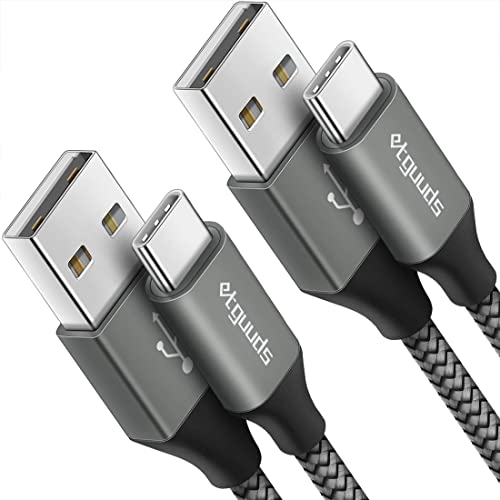
- Brandetguuds

Lcsmaokin Electronics Organizer Travel Case,Electronic Accessories Storage Bag,Portable Waterproof Cable
View on Amazon- TLR Rank9.0
TLR Rank is a ranking system developed by TravelLuggageReviews.com. TLR Rank has no relationship or impact from any manufacturers or sales agent websites. Learn more
- BrandLcsmaokin

- TLR Rank8.8
TLR Rank is a ranking system developed by TravelLuggageReviews.com. TLR Rank has no relationship or impact from any manufacturers or sales agent websites. Learn more
- BrandIDISON

- TLR Rank8.6
TLR Rank is a ranking system developed by TravelLuggageReviews.com. TLR Rank has no relationship or impact from any manufacturers or sales agent websites. Learn more
- BrandFirsting
Last update on 2026-09-08 / Affiliate links / Images, Product Titles, and Product Highlights from Amazon Product Advertising API
What Is A Travel Wire
Money trouble hits differently while you’re away from home. A hotel deposit gets flagged, a family member needs emergency cash, or a booking agent asks for a bank transfer before a reservation is held. That’s where what is a travel wire starts to matter in a very practical way, because the phrase usually points to a wire transfer used for travel-related payments, often through a bank, credit union, or regulated money-transfer service. It can be helpful, but it’s also the kind of payment that rewards calm thinking, careful details, and zero rushing.
Travel Wire Basics
A travel wire is not a special vacation gadget or a cable stuffed into a carry-on. In most money-related contexts, it means a wire transfer connected to travel needs, such as sending funds for lodging, emergencies, deposits, tour payments, or support while someone is away. The sender gives payment instructions to a bank or transfer provider, and the money moves through financial networks to the recipient’s account. Simple on paper, sure, but real life can make it a little messy.
The biggest appeal is speed and payment certainty. A wire can move faster than some regular bank transfers, especially when a larger amount needs to arrive with formal tracking. Hotels, rental companies, agencies, or overseas contacts may request this method because it creates a clear payment trail. Still, a wire transfer is usually less forgiving than a card payment, so the details have to be right the first time.
Travel creates pressure, and pressure makes people skip steps. That’s risky because wrong recipient details, misspelled names, bad routing numbers, or vague payment instructions can delay the transfer or send it into review. A wire may also pass through intermediary banks, especially across borders, which can bring extra fees or timing surprises. Nobody wants that headache while standing in an airport line with a low phone battery.
A smart approach starts with verification. Confirm the recipient through a trusted source, compare account details carefully, and ask the sending provider about fees before approving anything. For luggage planning that keeps travel smoother while payment logistics get sorted, pack smarter with best backpack for 7 year old girl if a kid’s carry setup is part of the trip. Small planning choices won’t fix a bank delay, but they can remove a few avoidable travel headaches.
Why Travelers Use Wire Transfers
Travel payments are not always neat little card swipes. Some situations involve larger deposits, private rentals, study travel, medical travel, long stays, or urgent family support abroad. A wire can feel like the cleanest path because it sends money directly from one financial account to another. That directness can be useful, but it also means the sender needs to slow down before sending.
A travel wire often shows up during stressful moments. A wallet goes missing, a debit card gets frozen, or a relative needs help covering hotel costs in another city. Wire transfers can provide a formal way to move funds when payment apps are blocked, card limits are too low, or local systems don’t play nicely with the traveler’s bank. Even so, a wire is not a casual “oops, send it back” kind of payment.
Banks and transfer services may ask for identity checks, recipient information, transfer purpose, destination details, and sometimes extra documentation. That can feel annoying, but those checks help reduce fraud and comply with financial rules. The flip side is timing: A transfer that seems urgent may not land instantly if it triggers a review. So, planning even a little ahead can save a lot of pacing around and refreshing email.
Travelers also use wires because some providers want confirmed funds before releasing a reservation or service. A bank wire can make sense for formal payments tied to contracts, invoices, or higher-value arrangements. Still, the sender should avoid wiring money to anyone who refuses normal verification or pressures them with scare tactics. A legitimate payment request can handle a few careful questions.
Fees, Timing, And Small Print
The cost of a travel wire can surprise people because the advertised transfer amount is not always the final amount received. Banks may charge outgoing fees, receiving banks may charge incoming fees, and international wires may involve intermediary banks. Currency conversion can also trim the amount if the transfer crosses borders. That’s why the phrase “send $500” may not mean “receive $500.”
Timing depends on bank hours, country rules, currency corridors, fraud checks, and whether the sender provides clean information. Domestic wires may move faster than international wires, but “fast” still does not mean guaranteed instant delivery. Weekends, holidays, and time zone gaps can slow things down. A traveler expecting funds today may need a backup plan, especially if lodging, transportation, or medical costs are involved.
The small print matters because wire transfers are usually hard to reverse. A card dispute or payment app refund may offer more consumer protection in some cases, while a wire often moves with finality once processed. That can be good for legitimate recipients who need confirmed funds. It can be brutal if the sender falls for a fake listing, fake travel agency, or fake emergency message.
Before approving a wire, compare the full cost against other options. A regulated money-transfer service, card payment, bank transfer, or digital wallet may be cheaper or safer depending on the situation. For packing plans that need a little more order around longer trips, reduce baggage stress with best luggage 24 inch spinner lightweight before airport chaos starts piling up. Smooth travel rarely comes from one big fix; it comes from removing tiny problems before they gang up.
Fraud Risks Travelers Should Watch
Scammers love urgency because urgency makes smart people act out of character. A fake rental owner may claim the room will disappear unless a wire transfer is sent right away. A bogus tour operator may offer a suspiciously cheap package and demand payment outside normal booking channels. The warning sign is not always the wire itself; it’s the pressure around it.
A real travel wire request should include clear recipient details, a business name that matches the invoice, and a reason that makes sense. If the recipient dodges basic questions, changes bank details suddenly, or insists that no other payment method is possible, stop and breathe. Call the hotel, agency, landlord, or recipient using a verified number, not the number in a suspicious message. That one extra step can save a pile of regret.
Fake emergency messages are another nasty trick. Someone may pretend to be a stranded family member, a travel coordinator, or even a government-related contact asking for immediate funds. The language often sounds panicked, vague, or oddly secretive. Any request for urgent money by wire deserves a second channel of confirmation, even if the story sounds believable.
Travelers should also save every record tied to the transfer. Keep receipts, confirmation numbers, bank messages, screenshots of official invoices, and the recipient’s verified details. Those records may help if the bank needs to trace the payment or investigate a mistake. They won’t guarantee recovery, but they give the sender something solid to work with instead of “I think I sent it to the right place.”
What Details Are Needed
A wire usually requires precise recipient information. For a domestic transfer, that may include the recipient’s full name, bank name, routing number, account number, and sometimes address details. For an international transfer, the sender may need a SWIFT or BIC code, IBAN, bank address, recipient address, and currency choice. The exact requirements depend on the sending provider and destination country.
Accuracy carries more weight than speed. A missing digit or mismatched name can trigger delays, returns, or extra review. Some banks may reject a transfer if the recipient name does not line up with account records. That’s why copying details from a verified invoice or secure banking document beats typing from memory every time.
The transfer purpose may also matter. Banks may ask whether the wire relates to lodging, travel services, family support, tuition, medical needs, or business expenses. Clear purpose notes can reduce confusion, especially for international wires. Vague notes may not sink the transfer, but they can slow down the review process if the bank needs more context.
Before sending, ask the provider about fees, exchange rates, delivery estimates, cancellation windows, and tracing options. Those questions sound boring until something goes sideways. A careful sender knows what can happen before the transfer leaves the account. For coordinated family trips where bags, outfits, and airport movement matter too, keep packing plans tidier with best luggage set for women while the payment details stay organized.
How A Travel Wire Works For Safer Trip Payments
Trip money can get awkward fast once a payment crosses banks, borders, or time zones. A delayed deposit, a frozen card, or a last-minute invoice can turn a simple plan into a knot of phone calls and screenshots. That is why what is a travel wire matters beyond a dictionary-style answer, because the real value sits in knowing when a wire makes sense and when it quietly adds more risk. A wire can solve a payment gap, but only if the sender treats every detail like it matters.
How To Decide If A Wire Makes Sense
A travel wire is usually worth considering when the payment is formal, larger than a casual app transfer, or tied to a serious travel need. Think about apartment-style stays, group travel deposits, emergency family support, relocation expenses, or a service provider that requires a bank-to-bank payment. Still, the cleanest option is not always the safest option. The better question is whether the recipient is verified, the amount is clear, and the reason for wiring money feels legitimate.
Card payments often provide more dispute paths, while a wire transfer may offer speed and a cleaner payment trail. That tradeoff matters. A traveler paying a known company with a formal invoice is in a different position than someone wiring money to a stranger from a message thread. Slow down, compare payment methods, and ask why a wire is being requested in the first place.
Pressure is the red flag that deserves the loudest alarm bell. A real hotel, landlord, school, travel coordinator, or agency should be able to answer basic payment questions without turning pushy. If someone says the deal disappears unless money is wired right now, that is not efficiency, it is a tactic. Calm verification beats panic every time.
Travel planning also gets smoother when money movement and physical packing are both handled with fewer loose ends. For tougher daily carry needs around job-site travel or work trips, keep gear from becoming a mess with best backpack construction workers as a practical packing reference. It will not replace careful banking, but better organization helps when documents, chargers, receipts, and payment notes need to stay close.
Steps Before Sending Money
Start with the recipient’s full legal name or business name. Then compare that name against the invoice, booking record, website, email domain, and any previous payment details. A small mismatch does not always mean fraud, but it should make you pause. Recipient verification is the boring step that prevents expensive drama later.
Next, confirm the bank details through a trusted channel. Do not rely only on one email, especially if the payment request arrived after a booking change or a sudden “updated account” message. Call the business through a number from its official site or your original booking paperwork. A quick call can expose a fake invoice before money leaves the account.
Ask the sending bank about fees, exchange rates, delivery estimates, and cancellation limits. Those details can change the whole decision. A wire that looks reasonable at first may become costly after intermediary fees or currency conversion. Clear numbers make travel budgeting less shaky.
Save every record before and after the transfer. Keep the invoice, confirmation receipt, transfer reference number, recipient details, and any official message tied to the payment. Put them in one folder or note so they are not buried under boarding passes and restaurant photos. If the bank needs to trace the wire, organized proof gives you a stronger starting point.
Common Mistakes That Create Delays
The most common mistake is typing bank details by hand while distracted. A traveler might be in a rideshare, airport lounge, hotel lobby, or noisy cafe trying to move money fast. That is exactly the moment mistakes sneak in. One wrong digit can trigger a delay, return, or review.
Another problem is assuming wires arrive instantly. Some do move quickly, but international transfers may depend on banking hours, destination rules, intermediary banks, and compliance checks. A Friday afternoon wire may not behave like a Tuesday morning wire. Timing expectations should be realistic, especially during holidays or cross-border trips.
People also forget that the receiving amount may be smaller than the sent amount. Fees can land on both sides, and exchange rates may shift the final number. That can cause trouble if the recipient requires an exact deposit. Confirm whether the sender or recipient absorbs the fees before sending the wire.
Packing and payment planning share the same lesson: messy systems create avoidable stress. For trips with rolling luggage and frequent transfers through stations, hotels, or airports, a bag with luggage sleeve can keep essentials attached instead of sliding around during every stop. In the same spirit, clean payment details keep a travel wire from turning into a loose end nobody wants to chase.
Safer Alternatives To Compare
A travel wire is useful, but it should not be the automatic answer. Credit cards may offer stronger dispute options for bookings, while debit cards may work for smaller payments if the recipient accepts them. Regulated money-transfer services can be convenient for certain international needs. The right choice depends on amount, urgency, protection, fees, and trust.
Bank transfers may work well for known recipients, especially inside the same country. Payment apps can help with smaller personal transfers, but limits, account rules, and fraud policies vary. Cash pickup services may help in emergencies, though fees and identity requirements still matter. The point is not to avoid wires forever, but to avoid using one just because someone demanded it.
Large travel payments deserve a paper trail. A formal invoice, business registration details, written refund terms, and clear cancellation rules all help reduce confusion. If those basics are missing, a wire can feel like tossing money into fog. Documentation turns a risky request into something easier to evaluate.
Emergency transfers need an even cooler head. Confirm the person’s identity, ask a question only they would know, and use a known phone number or contact method. Scammers often depend on embarrassment, urgency, or secrecy to keep people from checking. Private pressure is not proof that the situation is real.
What To Do After Sending
After sending a wire, review the receipt right away. Check the recipient name, amount, currency, date, destination bank, and reference number. If something looks off, contact the sending bank immediately rather than waiting to see what happens. Fast reporting may improve the chance of correcting a mistake before the transfer settles.
Send confirmation only through secure or expected channels. Avoid posting screenshots with sensitive bank details, account numbers, or reference codes in casual message threads. A cropped receipt may be enough for a legitimate recipient. Payment privacy matters because travel already exposes enough personal information.
Track whether the recipient actually receives the money. If the transfer is delayed, ask the bank about tracing options and expected timelines. Keep notes from each call, including names, dates, and instructions. That paper trail can help if the situation drags on.
A travel wire works best as a careful tool, not a rushed reaction. Verify first, compare payment options, check fees, save records, and stay skeptical of pressure. Travel already has enough moving parts, so the money side should be handled with steady hands. The safest wire is the one sent only after the details, the recipient, and the reason all line up.


9 Best Travel Camping Table of 2026 For Uneven Ground

12 Best Heavy Duty Camping Table of 2026 That Will Not Wobble or Sag

10 Best Sleeping Bags For Tall People of 2026 To Stretch Out Fully

8 Best Camping Table Adjustable Legs of 2026 for Uneven Ground

10 Best Diaper Bag Backpacks For Dads of 2026 With Fast Gear Access

11 Best Framed Luggage of 2026 For Zipperless Security

11 Best Folding Two Wheeler For Luggage of 2026 To Prevent Tipping

11 Best Expandable Roller Luggage of 2026 That Fit Overhead Bins