What Is Non Rev Travel, Really?

What is non rev travel is one of those airline terms that sounds casual until a real trip hangs in the balance. It means flying as a non-revenue passenger, usually through airline employee benefits, buddy passes, retiree privileges, or eligible family travel. The seat isn’t bought like a normal ticket, so the ride depends on space availability, priority rules, dress codes, check-in timing, and whatever chaos the flight load throws at the gate.
The sweet part is obvious: non rev travel can make air travel feel wildly more reachable. A weekend hop, a family visit, or a last-minute escape can happen without the sting of a full fare. But, yep, there’s a catch. A seat can vanish because paying passengers, crew needs, aircraft swaps, delays, cancellations, or weight restrictions move ahead of standby perks.
That’s why standby flexibility matters more than a cute itinerary. A smart non rev trip usually starts with backup flights, light bags, extra patience, and a plan that won’t fall apart if the first flight leaves full. Tight connections can bite hard, especially during holidays, school breaks, storms, and big travel weekends. So, instead of treating it like a guaranteed ticket, it’s better to treat it like a friendly maybe with wings.
The biggest mindset shift is simple: non rev passengers are guests in an airline system built around confirmed travelers first. Gate agents don’t control every seat mystery, and the app might look promising before the boarding door tells a different story. Still, with realistic expectations, polite gate behavior, and good timing, the whole thing can feel like a clever travel hack rather than a nerve-racking gamble. Pack snacks, bring chargers, and keep your plans loose enough to bend without snapping.
What is non rev travel also comes with a quiet etiquette code. Dress rules may be more relaxed than they used to be, but sloppy, rude, or entitled behavior can still cause trouble. Buddy pass travel, in particular, can reflect back on the airline employee who shared the privilege. So, play it cool, read the rules, avoid drama at the gate, and remember that getting there might take a little longer than expected.

- TLR Rank10.0
TLR Rank is a ranking system developed by TravelLuggageReviews.com. TLR Rank has no relationship or impact from any manufacturers or sales agent websites. Learn more
- BrandN/A

- TLR Rank10.0
TLR Rank is a ranking system developed by TravelLuggageReviews.com. TLR Rank has no relationship or impact from any manufacturers or sales agent websites. Learn more
- BrandMajosta

- TLR Rank9.4
TLR Rank is a ranking system developed by TravelLuggageReviews.com. TLR Rank has no relationship or impact from any manufacturers or sales agent websites. Learn more
- BrandN/A

- TLR Rank9.2
TLR Rank is a ranking system developed by TravelLuggageReviews.com. TLR Rank has no relationship or impact from any manufacturers or sales agent websites. Learn more
- BrandN/A

- TLR Rank8.8
TLR Rank is a ranking system developed by TravelLuggageReviews.com. TLR Rank has no relationship or impact from any manufacturers or sales agent websites. Learn more
- BrandAvid Reader Press / Simon & Schuster

- TLR Rank8.4
TLR Rank is a ranking system developed by TravelLuggageReviews.com. TLR Rank has no relationship or impact from any manufacturers or sales agent websites. Learn more
- BrandN/A

- TLR Rank-
TLR Rank is a ranking system developed by TravelLuggageReviews.com. TLR Rank has no relationship or impact from any manufacturers or sales agent websites. Learn more
- BrandN/A

- TLR Rank-
TLR Rank is a ranking system developed by TravelLuggageReviews.com. TLR Rank has no relationship or impact from any manufacturers or sales agent websites. Learn more
- BrandN/A

- TLR Rank-
TLR Rank is a ranking system developed by TravelLuggageReviews.com. TLR Rank has no relationship or impact from any manufacturers or sales agent websites. Learn more
- BrandN/A

- TLR Rank-
TLR Rank is a ranking system developed by TravelLuggageReviews.com. TLR Rank has no relationship or impact from any manufacturers or sales agent websites. Learn more
- BrandN/A

- TLR Rank-
TLR Rank is a ranking system developed by TravelLuggageReviews.com. TLR Rank has no relationship or impact from any manufacturers or sales agent websites. Learn more
- BrandN/A
Last update on 2026-09-14 / Affiliate links / Images, Product Titles, and Product Highlights from Amazon Product Advertising API
What Is Non Rev Travel
Airport plans can feel pretty solid until the gate list starts shifting, the standby screen refreshes, and suddenly the whole trip depends on a few empty seats. That’s where what is non rev travel becomes more than airline slang; it becomes a different way to think about flying. It’s travel built around space availability, airline privilege, patience, and the ability to pivot without turning a small delay into a full-blown meltdown.
Non Rev Travel In Plain English
Non rev travel means flying as a non-revenue passenger, usually through airline employee benefits, retiree privileges, eligible family access, or buddy pass arrangements. The passenger isn’t holding a standard paid ticket, so the seat is not guaranteed the same way it is for someone who booked a regular fare. That’s the whole heartbeat of the system: available seats come first, and those seats can disappear fast. A flight that looks open in the morning can become tight by boarding time because of delays, rebooked passengers, crew movement, or aircraft changes.
The upside is easy to see, and honestly, it’s why people put up with the hassle. Non rev travel can make trips feel possible that might otherwise be too expensive, especially for short getaways, family visits, or flexible vacation plans. But the tradeoff sits right there at the gate: lower cost often means lower certainty. That means plans need wiggle room, backup routes, and a good attitude when the first flight doesn’t work out.
A regular ticket usually buys a confirmed seat, while standby travel buys a chance to board if the airline has room after higher-priority needs are handled. That difference changes everything from packing habits to hotel timing. Tight schedules, prepaid tours, cruises, wedding arrivals, and same-day business commitments can become risky if the plan depends on one full flight clearing. To keep the trip from going sideways, the smarter move is to build a cushion and treat the first itinerary as Plan A, not the only plan.
Gate behavior matters more than many first-timers expect. A calm tone, quick responses, and respect for the staff can make the experience smoother, even though kindness won’t magically create seats. Non-revenue passengers are often representing the employee or benefit holder connected to the pass, so acting entitled can cause real trouble. The quiet rule is simple: stay polite, stay ready, and don’t make the gate agent the villain for a system they don’t personally control.
Why Flexibility Matters More Than Price
The biggest mistake people make with non rev travel is treating it like a cheap confirmed ticket. It isn’t. The price can be attractive, sure, but the real cost is paid in flexibility, time, and backup planning. A traveler who can leave a day early, take a different connection, or fly into a nearby airport has a much better shot than someone locked into one exact flight.
Flight loads can change for boring reasons that still wreck a plan. A storm in another city can push missed-connection passengers onto your flight, a smaller aircraft can reduce open seats, or a maintenance delay can roll passengers into later departures. That’s why standby success often depends on thinking two or three steps ahead. It’s less about luck and more about reading the room before the room gets crowded.
Many people hear “cheap flight” and picture freedom, but non rev travel can feel stressful if the trip has hard deadlines. Missing a beach day is annoying. Missing a paid hotel night, a graduation, or a departure cruise is a different beast. So, the best use cases are usually trips where arriving later won’t ruin the whole purpose, and the worst use cases are trips where every hour is already spoken for.
Packing light can also make or break the experience. A carry-on keeps options open if a better route appears, while checked bags can tie you to one path. For smoother standby days, reduce airport drag with lightweight luggage that is easier to lift, shift, and roll between terminals; plan smarter packing with best lightweight luggage seniors before building a standby-heavy itinerary. That kind of practical prep won’t guarantee a seat, but it can save your nerves when the plan changes twice before lunch.
How Standby Priority Really Shapes The Trip
Standby priority is the invisible ladder behind most non rev decisions. Different airlines have different systems, but the idea is usually the same: some travelers clear before others based on employee status, pass type, check-in time, seniority, cabin rules, or operational needs. A buddy pass may sit lower than an employee, and an employee may sit behind crew movement or paying passengers waiting to be rebooked. That’s why two people can be listed for the same flight and have very different chances.
The airport screen can look simple, but the logic behind it can be messy. Open seats do not always mean open seats for every standby passenger. Weight restrictions, seat assignments, premium cabin limits, and last-minute revenue bookings can all change the math. A flight with five empty seats might still leave someone behind if the priority order doesn’t fall their way.
That’s where expectations need a tune-up. Non rev travel rewards people who can stay loose, check alternate routes, and avoid emotional attachment to one flight number. A connection through a less obvious city might beat waiting all day for a nonstop that keeps filling up. A later flight might clear more easily than the early one everyone wants.
Good route planning feels a bit like gardening in unpredictable weather. You can’t control the storm, but you can choose better soil, water at the right time, and stop pretending every plant likes the same conditions. In travel terms, that means avoiding peak holiday windows, watching multiple departures, and keeping backup airports in the mix. For longer routes across busy regions, a carry-friendly bag helps you move faster, and best travel backpack asia fits naturally into trips where trains, budget airlines, and crowded terminals may all show up in the same week.
Smart Habits That Keep Non Rev Days Sane
A smooth non rev travel day usually starts before anyone reaches the airport. Checking flight loads, reviewing pass rules, confirming dress expectations, and mapping alternate routes can prevent a lot of last-minute scrambling. The goal isn’t to control every outcome. The goal is to keep one full flight from blowing up the entire trip.
Food, chargers, medication, and basic comfort items deserve more attention than usual. A confirmed passenger can often survive a delay with mild irritation, but a standby passenger may spend hours bouncing between gates. Airport patience becomes easier when the essentials are already in the bag. Small stuff matters when the day gets long, especially if a missed flight turns into a late-night reroute.
Travel companions need the same reality check, too. A person who hates uncertainty may not enjoy standby flying, even if the savings look tempting on paper. Kids, older relatives, nervous flyers, and anyone with mobility needs may require more careful planning. That doesn’t make non rev travel off-limits; it just means comfort, timing, and backup plans need to be taken seriously.
Group travel adds another wrinkle because seats may not clear together. Two people might board while the third stays behind, and that can create awkward choices at the gate. For trips where several bags need to stay organized, a coordinated set can reduce the usual luggage shuffle; compare practical pieces through best luggage set men before planning routes with several standby legs. Simple organization helps because non rev days already bring enough moving parts.
The best mindset is calm, alert, and slightly skeptical. Celebrate open seats, but don’t trust them too early. Keep watching the list, keep checking routes, and keep enough emotional distance from Plan A to move quickly if Plan B suddenly looks better. Non rev travel can be a fantastic perk, but it works best for people who can bend without snapping.
How What Is Non Rev Travel Works In Real Trips
Non rev travel starts feeling real the moment the plan stops being theory and the gate screen becomes the boss. A seat can look possible, then tighten up after a delayed connection dumps extra passengers onto the flight. That’s why standby planning needs a cooler head than regular ticketed travel. The perk can be generous, but the tradeoff is always sitting right beside it.
Build A Backup Plan Before Airport Stress Hits
What is non rev travel without a backup plan? Honestly, it’s a coin toss wearing a boarding pass. A smarter setup includes alternate flights, nearby airports, later departures, and a hotel plan that won’t punish you for arriving late. The goal is to keep travel flexibility baked into the day before the first delay shows up.
Standby passengers do better when they avoid fragile schedules. A same-day wedding arrival, a prepaid tour, or a cruise departure can turn a small seat issue into a costly mess. Give the trip breathing room, even if that means leaving earlier than your calendar prefers. That little cushion can save the whole plan from turning sour.
Carry-on discipline helps more than people expect. Checked bags can trap you on one route, while smaller luggage lets you switch flights, terminals, or airports faster. For tight standby routes, pack light and use 18 inch carry on luggage so a sudden gate change doesn’t feel like dragging a brick through the terminal. Less bulk means faster movement and fewer headaches.
Non rev travel also rewards people who can read the mood of the day. Crowded gates, weather delays, long standby lists, and oversold flights all send signals. Don’t ignore those clues just because the first plan looked good last night. A flexible traveler sees the mess early and moves before everyone else starts scrambling.
Pack Like Every Flight Might Change
Packing for standby travel is different because the trip can stretch, shrink, or reroute without much warning. A charger, snacks, medication, clean shirt, and basic toiletries belong within easy reach. That isn’t overpacking; it’s insurance against airport limbo. A long wait feels less miserable when the essentials aren’t buried somewhere you can’t reach.
Bag size can quietly decide how stressful the day becomes. A bulky roller might be fine for a confirmed direct flight, but non rev routes often involve quick pivots. Smaller, softer, or easier-to-carry bags give you more control when the standby list changes. For practical airport movement, rely on bag for carry on luggage that fits the way standby travel actually behaves.
Travel comfort matters because waiting is part of the deal. A light jacket, refillable bottle, headphones, and a snack can make an uncertain day feel manageable. Nobody enjoys camping near a gate for hours, but a prepared traveler handles it better. Small comforts keep frustration from taking over.
Non rev travel doesn’t play nicely with overstuffed bags or complicated outfits. Security lines, gate swaps, and last-second boarding calls all punish anything slow. Keep pockets simple, shoes practical, and documents easy to grab. The less friction you carry, the easier the whole day feels.
Respect The Rules And The People Behind Them
Non-revenue privileges come with rules, even if those rules feel invisible at first. Airlines may have dress expectations, behavior standards, boarding priority rules, and limits tied to the type of pass being used. Breaking those rules can affect more than one trip. In some cases, bad behavior can reflect on the employee connected to the travel benefit.
Gate agents are not the enemy when a flight fills up. They’re working within airline systems, passenger priorities, safety rules, and operational limits. A polite attitude won’t guarantee a seat, but it keeps the situation clean and respectful. Snapping at staff usually makes an already tense day worse.
Buddy pass travel needs extra care because it can be lower priority and more sensitive. The person using the pass should know the rules before stepping into the airport. That includes boarding order, payment expectations, baggage limits, and how to behave if the seat doesn’t clear. A cheap trip isn’t worth creating trouble for the person who shared the benefit.
Standby etiquette is simple but powerful. Stay close enough to hear updates, respond quickly, and avoid crowding the desk unless called. Keep questions short, be ready with documents, and don’t act shocked if the answer changes. Non rev travel works better when patience and preparation show up together.
Know Where Non Rev Travel Fits Best
What is non rev travel best used for? Flexible trips, casual visits, open-ended vacations, and routes with several daily flights usually make more sense. The setup works especially well when arriving later won’t wreck the purpose of the trip. It feels far less risky when the calendar has room to breathe.
High-pressure trips deserve more caution. Funerals, cruises, major events, tight work commitments, and expensive hotel bookings can make standby travel a bad fit. The possible savings may not outweigh the stress if missing one flight ruins everything. Sometimes paying for a confirmed ticket is the calmer, smarter move.
Seasonal demand can change the whole equation. Holidays, summer Fridays, spring break weeks, and storm-heavy travel days can crowd flights fast. Non rev travel during those periods needs stronger backup plans and lower expectations. A traveler who accepts that reality avoids taking every full flight personally.
Realistic expectations are the difference between a clever perk and a miserable airport story. Non rev travel can open doors, but it doesn’t owe anyone a seat. Treat every open seat as a possibility, not a promise. That mindset keeps the trip practical, calm, and easier to manage when the screen changes again.


9 Best Travel Camping Table of 2026 For Uneven Ground

12 Best Heavy Duty Camping Table of 2026 That Will Not Wobble or Sag

10 Best Sleeping Bags For Tall People of 2026 To Stretch Out Fully
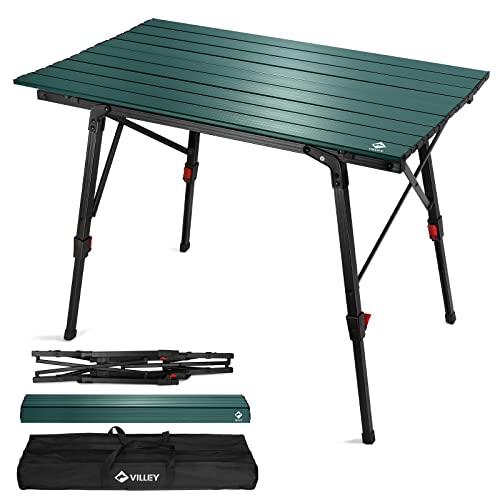
8 Best Camping Table Adjustable Legs of 2026 for Uneven Ground

10 Best Diaper Bag Backpacks For Dads of 2026 With Fast Gear Access

11 Best Framed Luggage of 2026 For Zipperless Security

11 Best Folding Two Wheeler For Luggage of 2026 To Prevent Tipping

11 Best Expandable Roller Luggage of 2026 That Fit Overhead Bins