
What Is the Best Zipperless Luggage for Your Airline?

There’s no single zipperless suitcase that suits everyone. The right choice has a secure closure and fits your airline’s cabin-size limit, including wheels and handles. Zipperless bags use latches or another fastening system instead of a zipper, so check that the case closes firmly and is easy for you to open.
Your airline’s size and weight rules matter, especially on regional or international flights. So does whether you need a carry-on only or also want checked luggage. Check how the closure works, what kind of lock it has, and the bag’s full outside measurements before you buy. Here’s what to look at, step by step.
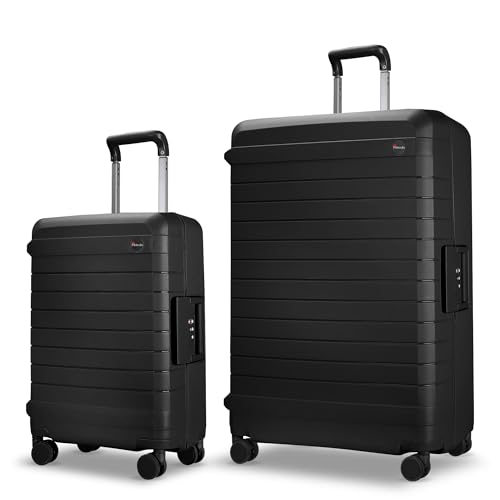
- TLR Rank9.5
TLR Rank is a ranking system developed by TravelLuggageReviews.com. TLR Rank has no relationship or impact from any manufacturers or sales agent websites. Learn more
- BrandPirtecin
Last update on 2026-11-16 / Affiliate links / Images, Product Titles, and Product Highlights from Amazon Product Advertising API
Check a zipperless carry-on before you buy
A zipperless suitcase replaces the fabric zipper track with latches or another fastening system. The idea is simple: close the two halves of the case and secure them with built-in catches. But designs differ, so don’t assume every latch works the same way or that every case includes a lock.
Use these checks before choosing a bag. They help you avoid two common travel headaches: arriving at the airport with a carry-on that does not fit the airline’s rules, or finding that the closure is awkward to use when you’re in a hurry.
- Look at how the case closes. Find the latches and check that they line up with the case edges. A closure that looks hard to reach or fiddly may be frustrating when you’re packing in a small hotel room.
- Check that each latch has a clear locked position. Look for directions from the maker showing how the latches close and open. You should be able to tell at a glance whether the case is secured.
- Read the full outside measurements. Look for height, width, and depth with the wheels and handles included. A case’s listed name, such as “carry-on size,” doesn’t confirm that it fits your airline’s limit.
- Check the weight limit as well as the size limit. Some airlines set both. The empty bag weight matters because it uses part of your allowance before you pack anything.
- Confirm what kind of lock is included. Check whether a lock comes with the case, how it is set, and whether its design suits the airports and routes you use.
- Think about how you travel. If you only need a cabin bag, a set that includes a large checked suitcase may be more than you want. If you also check a bag, matching sizes may be useful.
How zipperless closures work, and what to inspect
Most zipperless hard-shell cases use latches to hold the two sides together. You close the case, press or flip the catches into place, then use a lock if the design has one. Other fastening systems may work differently, so follow the maker’s instructions for the specific bag.
Start by checking where the latches sit. They should meet the parts they are meant to secure without looking bent, loose, or out of line. If the maker provides a diagram or closing directions, use those to understand which way each latch moves and how you can tell it is fully closed.
Also look at how the case edges meet when the bag is shut. A closure should hold the two halves together as designed, rather than leaving a visible gap because the sides are misaligned. Don’t force a latch that won’t close. Overpacking can press the case halves apart, and forcing the catch may damage the closure or leave you unsure whether it is secure.
Think about the moment you’ll use it. If you’re packing before an early flight, you want to close the latches without repeatedly adjusting the bag. Check whether the latch positions are easy for you to reach and whether the lock controls are clear enough to use without guesswork.
A zipperless case still needs sensible packing. Keep bulky items from pressing hard against the closing edges, and don’t assume the hard shell will make an overfilled bag close properly. The case should shut in the way the maker describes, with each catch in its proper position.
Zipperless luggage compared with zipper-closed luggage
A latch closure can feel straightforward once you know how it works. You close the case and secure the catches, rather than pulling a zipper around the edges. Some travelers prefer that clear, separate closing action, especially when they want to see whether each latch is in place.
The trade-off is that the latches need to line up and close properly. A zipper-closed bag uses a different kind of fastening, and its ease of use depends on the zipper and the bag’s construction. Neither closure type is automatically the right choice for every traveler.
Consider your usual packing routine. If you often pack the case full, look carefully at whether the sides meet easily when the bag is loaded. If you prefer the familiar action of pulling a zipper, a zipper-closed suitcase may feel simpler to you. If you like using visible catches, make sure the latch design is easy to understand before you commit.
Whichever type you choose, don’t treat a lock as a substitute for a closed case. First close the bag correctly. Then use the lock according to its instructions. If the case doesn’t close without pressure or the catches don’t sit in place, remove some items and try again rather than forcing it shut.
Confirm the carry-on size in four steps
Airline size rules can differ, including between domestic, international, and regional flights. A suitcase that fits one airline’s cabin limit may be too large for another. Check the rules for every airline on your itinerary, especially if a smaller plane or connecting flight is involved.
- Find the carry-on rules for your exact flight. Check the airline’s own baggage page or your booking details. If several airlines operate parts of the trip, confirm each one’s rules rather than relying only on the airline you booked through.
- Read the allowed outside measurements. Look for height, width, and depth, and note whether the airline includes wheels and handles. Compare those limits with the bag’s full exterior measurements, not just the size of its shell.
- Compare each measurement separately. Check height against height, width against width, and depth against depth. Don’t assume a bag fits because two measurements are smaller; even one measurement over the airline’s limit can be a problem.
- Check the weight rule and leave room for uncertainty. If the airline sets a carry-on weight limit, compare it with the packed bag, not only its empty weight. Rules and enforcement can vary by route, so confirm close to departure if you’re unsure.
Many U.S. domestic carry-on rules are around 22 x 14 x 9 inches, but that is not a promise that every airline accepts those measurements. International and regional flights may have tighter limits. The airline’s current rule for your specific flight is the one to follow.
Pay attention to how the bag is measured. Some listings show the case body without clearly stating whether wheels and handles are included. If that detail is missing, ask the seller or manufacturer before buying. A bag that looks small beside you can still be too tall or deep for an airline’s sizing frame.
For a closer look at luggage options for international trips, see this guide to luggage for international travel. You can also compare choices aimed at avoiding gate checks, but always confirm the size rules with your airline.
Check the lock before you count on it
Some zipperless bags include a lock, while others may not. Even when a lock is included, its design and instructions vary. Read the product details rather than assuming that every bag has the same lock or that a pictured lock is included.
- Confirm that the lock is included. Look for clear wording in the product listing. If the details are vague, ask the seller before you buy.
- Check how it secures the latches. The lock should be used as the maker describes, and you should be able to see when it is engaged. Make sure you understand how to open it again before leaving for the airport.
- Look for a TSA lock if you want one. A TSA lock is designed to let airport security inspect a bag without breaking the lock. Check the product details to confirm that the bag has one; don’t assume every built-in lock is this type.
- Find the setup instructions. Check how to set or change the combination, if the lock uses one. Keep the instructions somewhere you can find them until you know how the lock works.
A lock can help secure the closure, but it doesn’t guarantee that a bag cannot be opened or that its contents cannot be lost. Keep important items with you when practical, and follow your airline’s rules about what may go in a carry-on.
Choose for the trip you actually take
For a carry-on alone: Focus on the bag’s outside measurements, empty weight, latch design, and lock details. A set that includes a checked suitcase may not be worth choosing if you only need one cabin bag. Make sure the carry-on itself meets the rules for your airline, since a set label doesn’t establish that.
For trips with checked luggage: A set with both a carry-on and a larger suitcase may suit you if you want coordinated sizes. Check each bag’s measurements and weight separately. The checked piece won’t help if the carry-on is too large for your flight, and the carry-on’s size does not tell you whether the larger piece meets your checked-baggage rules.
For frequent changes of airline or route: Give extra attention to the smallest limits on your itinerary. A case that works for a familiar domestic flight may not fit a tighter regional rule. If you can’t confirm the measurements or the latch details, pause before buying and ask the seller or manufacturer for clarification.
The most useful zipperless carry-on is one you can close correctly and take on your actual flights. If you want help comparing cases and sets, focus on clear exterior measurements, a closure you understand, and a lock description that says exactly what is included.
FAQs
What does zipperless luggage use instead of a zipper?
Zipperless luggage uses latches or another fastening system to hold the case closed. The exact design varies, so check how the catches move and how the maker says to secure them.
How can I tell whether the closure will stay shut?
Read the closing instructions and look for latches that line up with their catches and reach a clear closed position. Don’t force a latch or pack the case so tightly that the two sides cannot meet as intended.
Will a zipperless carry-on fit my airline’s size limit?
Only if its full outside measurements meet that airline’s current rules. Compare the height, width, and depth, including wheels and handles when the airline includes them, and check every airline on your trip.
Does zipperless luggage come with a lock?
Some bags include a lock and some may not. Read the product details to confirm whether one is included and whether it is a TSA lock, which is designed to allow airport security inspection without breaking it.
See also: best luggage available.


Best Affordable Carry On Luggage 2026 - 11 Most Loving

The 12 Best Carry On Luggage For Bad Back 2026 - Top Choices

Best Lightest carry on luggage with wheels in 2026

Top Airport Traveling Suitcases: Our 11 Best Picks

The Best Delsey Paris Luggage Set 2026

Top 10 Delsey Softside Luggage Picks for Stress-Free Travel

11 Best Guest Room Luggage Rack of 2026 To Protect Clean Bedding

11 Best Grom Luggage Rack of 2026 For Direct Bolt-On Fit










