
what is the difference between polarized and non polarized sunglasses

what is the difference between polarized and non polarized sunglasses sounds like a small lens question, but boy, it can change how your eyes feel outside. Polarized lenses are built to cut harsh reflected glare from roads, water, snow, car hoods, and shiny pavement. Non polarized lenses still reduce brightness, yet they usually don’t block that flat, mirror-like glare in the same direct way. That difference matters most during driving, fishing, beach days, boating, gardening near bright concrete, or any moment where sunlight bounces back at your face.
Polarized sunglasses can make outdoor scenes feel calmer because they reduce the sharp sparkle that causes squinting. Colors may look richer, outlines may feel cleaner, and long sunny walks can feel less tiring. Still, they aren’t magic, and here’s the catch. Some phone screens, car displays, gas pump screens, and digital dashboards may look darker or rainbow-like through polarized lenses.
Non polarized sunglasses keep things simpler. They dim overall light, protect your eyes when they include proper UV protection, and usually work better with screens. They’re often easier to wear for casual errands, shaded patios, light gardening, or quick trips where glare isn’t the main headache. The tradeoff is obvious on bright water, wet roads, or pale sidewalks because glare can still sneak through and make your eyes work harder.
UV protection should never get lost in the polarized versus non polarized debate. A dark lens without proper UV blocking can be a poor deal because darkness alone doesn’t mean safer eyes. Look for labels that mention full UVA and UVB protection, then think about polarization as a comfort feature rather than the whole safety story. In plain English, polarization handles glare, while UV protection handles harmful rays.
Lens choice comes down to daily habits, not hype. Pick polarized sunglasses if reflected glare bothers you, if you drive in bright conditions, or if you spend time near water, snow, or light-colored surfaces. Pick non polarized sunglasses if screen visibility matters more, if you want an easy everyday pair, or if glare rarely ruins your day. Small detail, big comfort, and yep, your eyes will notice the difference before your wallet does.

- TLR Rank9.2
TLR Rank is a ranking system developed by TravelLuggageReviews.com. TLR Rank has no relationship or impact from any manufacturers or sales agent websites. Learn more
- BrandKALIYADI
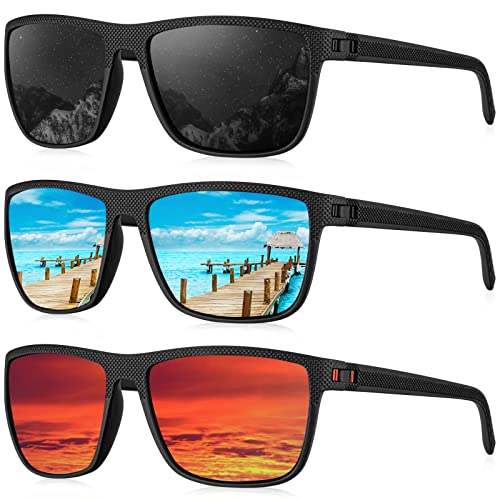
KALIYADI Polarized Sunglasses Men, Lightweight Mens Sunglasses Polarized UV Protection
View on Amazon- TLR Rank9.0
TLR Rank is a ranking system developed by TravelLuggageReviews.com. TLR Rank has no relationship or impact from any manufacturers or sales agent websites. Learn more
- BrandKALIYADI
- TLR Rank9.0
TLR Rank is a ranking system developed by TravelLuggageReviews.com. TLR Rank has no relationship or impact from any manufacturers or sales agent websites. Learn more
- BrandKALIYADI
- TLR Rank9.0
TLR Rank is a ranking system developed by TravelLuggageReviews.com. TLR Rank has no relationship or impact from any manufacturers or sales agent websites. Learn more
- BrandFoliful

- TLR Rank8.8
TLR Rank is a ranking system developed by TravelLuggageReviews.com. TLR Rank has no relationship or impact from any manufacturers or sales agent websites. Learn more
- BrandKWHZXGYY

- TLR Rank8.8
TLR Rank is a ranking system developed by TravelLuggageReviews.com. TLR Rank has no relationship or impact from any manufacturers or sales agent websites. Learn more
- BrandFAGUMA

- TLR Rank8.8
TLR Rank is a ranking system developed by TravelLuggageReviews.com. TLR Rank has no relationship or impact from any manufacturers or sales agent websites. Learn more
- BrandKALIYADI

- TLR Rank8.8
TLR Rank is a ranking system developed by TravelLuggageReviews.com. TLR Rank has no relationship or impact from any manufacturers or sales agent websites. Learn more
- Brandsuoso

- TLR Rank8.6
TLR Rank is a ranking system developed by TravelLuggageReviews.com. TLR Rank has no relationship or impact from any manufacturers or sales agent websites. Learn more
- BrandB.N.U.S
Last update on 2026-08-02 / Affiliate links / Images, Product Titles, and Product Highlights from Amazon Product Advertising API
What Is The Difference Between Polarized And Non Polarized Sunglasses
Bright roads, shiny car hoods, wet sidewalks, and beach glare can make a normal sunny day feel like an eye workout. The real question behind what is the difference between polarized and non polarized sunglasses is less about style and more about comfort, clarity, and the kind of light your eyes fight all day. Some lenses simply make the world darker, while others cut the harsh reflections that bounce sideways into your vision. That small lens detail can change how relaxed your face feels after driving, walking, fishing, gardening, or sitting near bright concrete.
Polarized Vs Non Polarized Lenses
Polarized sunglasses use a special filter that blocks certain reflected light, especially glare bouncing off flat surfaces. Think water, snow, glass, wet pavement, and the pale hood of a car on a sunny afternoon. Instead of only dimming everything, polarized lenses help reduce that sharp, mirror-like brightness that makes people squint. That’s why the difference can feel obvious during driving or near water, even if both pairs look similar on a store rack.
Non polarized sunglasses work in a simpler way because they mainly reduce overall brightness. They can still feel comfortable outdoors, especially if the lenses have proper UV protection and a tint that suits the light level. But glare can still slip through, so shiny surfaces may keep flashing into your eyes. That’s the tradeoff: less screen trouble and often a lower price, but weaker glare control.
UV protection deserves its own spotlight because it isn’t the same thing as polarization. A lens can be polarized and still need a label showing full UVA and UVB protection. A non polarized lens can also protect your eyes well if it offers proper UV blocking. The plain rule is this: polarization helps with glare, while UV protection helps shield against harmful rays.
What is the difference between polarized and non polarized sunglasses becomes easier to grasp once you picture a real setting. A non polarized pair may make a lake look darker, but the water’s glare can still shimmer hard. A polarized pair can reduce that surface glare, making the view calmer and more defined. For people who spend time outside instead of just stepping from the car to the store, that comfort gap can matter a lot.
Why Glare Feels So Annoying
Glare feels annoying because it doesn’t behave like normal sunlight. Direct light comes from the sun, but reflected glare bounces off smooth surfaces and spreads across your view in a flat, intense way. That’s the light that makes you narrow your eyes, tilt your head, or keep adjusting your sunglasses even though the lenses are already dark. After a while, the constant squinting can make your face feel tense and your eyes feel tired.
Polarized lenses are especially helpful in places where glare stacks up fast. A bright road after rain, a white patio, a boat deck, or a sandy shoreline can all throw light back at you. Regular tinted lenses lower brightness, but they may not calm those reflections enough. Polarization adds a targeted filter, so the view can feel less jumpy and less washed out.
Non polarized lenses still have a place because not every sunny day is packed with harsh reflected glare. Walking through shaded streets, sitting under trees, or running short errands may not require glare filtering. In those situations, a comfortable tint and proper UV protection can be enough. The simpler lens can also avoid the weird screen-darkening issue that sometimes comes with polarized sunglasses.
Eye comfort is the real point, not bragging rights over lens technology. A pair that looks cool but leaves you squinting at wet pavement isn’t doing much for daily comfort. On the flip side, polarized lenses may feel annoying if your job or routine depends on reading digital displays outside. The better choice depends on where glare actually bugs you, not on which label sounds fancier.
Driving With Polarized Sunglasses
Driving glare is one of the clearest reasons people compare these two lens types. Sunlight bouncing off windshields, chrome trim, wet roads, and pale dashboards can make traffic feel more tiring than it should. Polarized sunglasses can reduce those reflections and help the road look cleaner. That can be especially useful during early morning or late afternoon drives, when sunlight sits low and hits at awkward angles.
Non polarized sunglasses may still help behind the wheel because they reduce brightness across the whole scene. They can make a sunny commute less harsh and may be easier to use with certain dashboard screens. But they usually won’t cut reflected road glare as strongly as polarized lenses. That difference can show up fast after a rainstorm, when asphalt turns shiny and every lane marker seems to sparkle.
Screen visibility is the catch that catches people off guard. Some polarized lenses can make digital displays look dim, rainbow-tinted, or patchy depending on the screen angle. Car dashboards, infotainment screens, gas pumps, phones, and toll kiosks may become harder to read. That doesn’t happen to every screen, but it’s common enough that trying the lenses with your usual devices is a smart move.
Practical driving comfort also depends on frame shape and lens coverage. Larger lenses can block more stray light from the sides, which helps on long drives and open highways. For a related style angle, protect your eyes with broader lens coverage through aviator oversized sunglasses if oversized frames fit your face and driving habits. Still, size alone doesn’t replace the glare control that polarized lenses can provide.
Water Snow And Outdoor Glare
Water glare makes polarized sunglasses feel noticeably different because sunlight reflects off the surface in a hard, sheet-like way. Fishing, boating, beach walking, and lakeside afternoons can all expose your eyes to that flashing reflection. Polarized lenses can reduce the surface glare and make the view feel more settled. In some water settings, they may even help you see beneath the surface more clearly.
Snow glare can be just as rough because white surfaces reflect a lot of light back toward your face. Non polarized sunglasses may darken the scene, but the reflective bite can still punch through. Polarized lenses can make snowy sidewalks, ski areas, and winter roads feel less harsh. The tradeoff is that some icy patches may be harder to notice in certain conditions, so outdoor use still requires common sense.
Outdoor chores can also make the difference more obvious than people expect. Gardening near pale walls, watering plants on bright concrete, or trimming near reflective windows can make sunlight bounce around in annoying ways. A polarized pair may help reduce that glare, while non polarized sunglasses mostly turn the brightness down. That’s useful if your eyes feel worn out after yardwork even though you weren’t staring straight at the sun.
Travel packing adds another angle because sunglasses rarely come alone. People who carry tech, chargers, eyewear cases, and daily gear need enough structure so lenses don’t get crushed at the bottom of a bag. To keep screens, glasses, and work gear separated, rely on a best backpack carrying two laptops setup that gives delicate items their own space. A scratched lens can ruin clarity no matter how good the polarization is.
Screen Clarity And Everyday Tradeoffs
Polarized sunglasses can be fantastic outdoors, but screens are where they sometimes lose points. Rotate your phone while wearing them and the display may darken or shift colors. That happens because many screens also use light-filtering technology, and the lens filter can clash with it. For anyone checking maps, messages, camera settings, or payment terminals outdoors, this little annoyance can become a daily headache.
Non polarized sunglasses usually behave better with digital screens. They don’t use the same glare-blocking filter, so phones and dashboards often stay easier to read. That makes them a practical pick for casual errands, outdoor work that involves devices, or travel days packed with screens. The tradeoff is simple: better screen comfort, weaker glare control.
Lens darkness can also fool people into thinking darker always means better. A very dark non polarized lens may feel comfortable at first, but glare can still cut through from reflective surfaces. A medium-tint polarized lens might feel calmer in bright outdoor conditions because it attacks glare more directly. So, judging lenses only by darkness can lead to the wrong pick.
Daily habits should steer the decision more than the label on the temple. Driving near water, walking along bright sidewalks, or working outside around reflective surfaces points toward polarization. Reading screens all day, checking digital tools, or needing a simple fashion pair may make non polarized lenses easier to live with. Neither lens type wins every situation, and that honest tradeoff is what makes the choice personal.
UV Protection Matters More Than Lens Hype
UV protection should come before lens color, frame shape, or polarization claims. Sunglasses should block UVA and UVB rays, and many labels describe this as UV400 protection, which means coverage up to 400 nanometers. That number matters because harmful rays can affect the eyes even on days that don’t feel brutally bright. A dark lens without proper UV protection can be a bad bargain because your pupils may open wider behind the tint.
Polarization does not automatically mean full UV protection. Plenty of shoppers mix those two ideas together, then assume any polarized sticker means the eyes are covered. The safer move is to check for UV protection first, then decide whether glare control matters for your routine. In plain shop-talk, UV blocking is the safety baseline, and polarization is the comfort upgrade.
Non polarized sunglasses can still be protective if they carry the right UV label. That’s why a well-made non polarized pair may be better for your eyes than a random dark polarized pair with unclear protection. The lens category alone doesn’t tell the whole story. The smart comparison looks at UV coverage, tint comfort, frame fit, and glare needs together.
Fit and coverage matter because sunlight can sneak around the edges of small frames. Wrap-style or wider lenses can reduce side light, especially during driving, boating, and long outdoor days. For travel days where sunglasses share space with clothing, shoes, and tech, organize your gear with a best two piece carry on luggage set so eyewear stays protected instead of buried. Good lenses deserve better than floating loose beside keys and chargers.
Polarized Vs Non Polarized Sunglasses Real Life Use Cases Explained
Eyes don’t complain right away, but they sure send signals after a long day of glare, reflections, and squinting at shiny roads or water. That constant tension usually traces back to a simple lens choice people rush through without thinking much about it. The real gap in polarized vs non polarized sunglasses shows up in how your eyes handle reflected light, not just brightness. One lens type cuts glare in a targeted way, while the other mainly darkens the scene and leaves reflections partially untouched.
Glare fatigue builds quietly during driving, walking near water, or even running errands on bright pavement. Many people don’t realize their sunglasses aren’t solving the actual problem until headaches or eye strain kick in. That’s where the contrast between polarized lenses and standard tinted lenses starts to matter in everyday life. The difference is less about style and more about how your vision feels after hours outside.
Glare Behavior And Why Your Eyes React Differently
Glare isn’t just bright light, it’s light bouncing off flat surfaces like wet roads, glass, or metal. That reflection scatters across your vision and forces your eyes to constantly adjust focus. Over time, this leads to squinting, fatigue, and that drained feeling after outdoor exposure. Sunglasses that don’t address this reflection layer only reduce brightness, not the visual noise.
Polarized lenses use a filter that targets horizontal light waves, which are the main source of reflected glare. That’s why roads look calmer after rain and water surfaces stop flashing into your eyes. It’s not about making everything darker, it’s about removing that harsh reflective layer. This difference becomes obvious during driving or water activities where glare stacks up fast.
Non polarized lenses still reduce overall brightness but leave more reflected light in your vision. That means you may still squint even though everything looks dimmer. In shaded environments or quick outdoor errands, this may not feel like a big issue. But under strong reflective conditions, the limitation shows up quickly.
Eye strain often comes from the brain working overtime to interpret inconsistent light. The smoother visual field from polarized lenses can reduce that mental load. Non polarized options don’t offer that same filtering effect, even if the tint feels comfortable at first. That’s the subtle but important split in real-world comfort.
Driving Comfort And Screen Conflicts On The Road
Driving exposes every weakness in sunglasses because light keeps changing across windshields, mirrors, and road surfaces. Wet asphalt after rain is one of the toughest conditions, reflecting sky brightness straight into your eyes. This is where many people first notice the gap in polarized vs non polarized sunglasses. One reduces that reflection noise, the other mostly just dims it.
Polarized sunglasses make long drives feel less tiring by cutting glare bouncing off dashboards and cars ahead. Road markings become clearer, and contrast improves in bright conditions. But there’s a tradeoff some drivers notice right away. Certain digital screens in cars can appear darker or slightly distorted under polarized lenses.
Non polarized sunglasses avoid that screen distortion, which helps with GPS systems, dashboards, and toll displays. Drivers who rely heavily on digital interfaces sometimes prefer this simplicity. The downside shows up in harsh sunlight where reflections still bounce off the road. That constant glare can make long trips feel more exhausting than necessary.
Comfort behind the wheel often comes down to environment. Highway driving with open sun exposure benefits more from glare reduction, while city driving with frequent screen checks may lean the other way. Neither lens wins universally, but each one behaves differently under pressure.
Travel setups also matter because sunglasses are rarely used alone. Packing gear alongside electronics requires organization that prevents scratches and pressure damage. A structured setup like a best 23 kg suitcase helps keep eyewear and travel essentials separated instead of tossed loosely together.
Outdoor Environments Where Glare Becomes Unavoidable
Outdoor environments push lenses harder than indoor light ever will. Water surfaces, sand, snow, and even pale concrete reflect sunlight in unpredictable ways. These reflections create constant flickering brightness that your eyes must continuously adjust to. That’s where lens design becomes more noticeable than frame style.
Polarized lenses reduce that surface bounce, especially around lakes, beaches, and boating areas. The view feels more stable because reflections no longer dominate the visual field. Details underneath or beyond the surface can sometimes become easier to see depending on conditions. That’s why anglers and beachgoers often notice the difference immediately.
Non polarized sunglasses still help by lowering brightness, but reflections remain more visible. On cloudy days or shaded trails, this may not matter much. But on open water or bright pavement, the glare can feel sharp and repetitive. That repeated visual stress is what leads to faster eye fatigue outdoors.
Outdoor comfort also depends on frame coverage and fit. Larger frames reduce side light entry, which helps in high-reflection environments. Styles like dior oversized square sunglasses show how coverage can support glare control visually, even before lens type is considered. Still, frame size alone can’t replace polarization effects.
Wind, dust, and brightness all combine outdoors in ways that feel minor individually but tiring together. Sunglasses that reduce visual noise tend to make these environments easier to stay in for longer periods. The difference isn’t always dramatic in seconds, but it builds over hours of exposure.
Travel Days Gear And Everyday Sunglass Decisions
Travel days expose sunglasses to everything at once, sun glare, screen checking, and constant movement between indoor and outdoor spaces. That’s where the tradeoff between lens types becomes more noticeable. Some people prioritize comfort in bright environments, while others care more about screen readability throughout the day.
Polarized sunglasses help during outdoor transitions like walking through airports to shuttle stops or standing in bright boarding areas. The reduction in glare keeps eyes from constantly adjusting between reflective surfaces. But switching between sun and phone use can feel slightly inconsistent due to screen filtering effects. That inconsistency is what some travelers notice after extended use.
Non polarized sunglasses feel simpler during travel because they don’t interfere with digital devices. Reading tickets, checking maps, or scrolling quickly remains smooth in most lighting conditions. However, stepping into bright outdoor zones can bring back glare sensitivity. That back-and-forth is where comfort differences become obvious.
Travel also involves carrying multiple items that can affect lens safety. Sunglasses tossed into bags with chargers, cables, and tech accessories risk scratches or pressure damage. A structured packing system like a best two piece carry on luggage set helps keep fragile items organized during movement-heavy days.
Daily choice often comes down to routine patterns instead of technical specs. Someone who spends hours outdoors near reflective surfaces will notice polarization benefits more strongly. Someone who spends more time switching between screens and short outdoor exposure may prefer non polarized simplicity. The difference shows up less in theory and more in how your eyes feel after a full day outside.


11 Best Black Friday Sunglasses Deals of 2026 Built to Last

10 Best Cycling Sunglasses of 2026 For Wind Defense and Zero Slip

11 Best Mens Polarized Sunglasses of 2026 For Glare-Free Driving
10 Best Polarized Fishing Sunglasses of 2026 To Cut Water Glare

11 Best Smith Sunglasses of 2026 For Water and Trail

10 Best Carrera Sunglasses of 2026 for the Right Fit

11 Best Versace Sunglasses of 2026 For a Flattering Fit

11 Best Gucci Sunglasses of 2026 For Flattering Fit and Comfort









