
What is the safest way to travel? Smart Moves

What is the safest way to travel usually comes down to planning with a cool head, not chasing the flashiest route or the cheapest ticket. Safety starts before bags are packed, with route awareness, reliable transportation, and a clear idea of what could go sideways. A smooth trip feels easy on the surface, but underneath it, smart choices are doing the heavy lifting. Miss those basics, and even a simple weekend escape can turn into a real headache.
Travel safety works best when comfort, timing, and common sense pull in the same direction. A nonstop flight may reduce missed connections, while a daytime arrival can make ground transportation feel far less stressful. Public transit can be a solid pick in cities with dependable systems, though late-night routes or poorly marked stations can add unnecessary friction. So, the safest move isn’t always one mode of travel, but the one that fits the place, hour, weather, and personal energy level.
Safer travel habits also mean keeping control of the little things that often get ignored. Charged devices, offline maps, shared itineraries, and secure bags sound basic, sure, but they save nerves when plans get messy. A backup payment method tucked away from the main wallet can be a lifesaver if something gets lost. And honestly, rushing through unfamiliar places with both hands full is just asking for trouble.
Transportation safety depends heavily on trusted providers, visible pickup points, and avoiding sketchy shortcuts. Licensed taxis, official rideshare zones, reputable bus companies, and well-reviewed train routes usually beat random offers that sound too convenient. Weather matters too, especially for road trips, ferry rides, mountain routes, and long drives after dark. Tired driving, bad visibility, and pressure to “just push through” can turn a normal route into a bad bet.
Personal safety gets stronger when plans leave room to breathe. Overpacked schedules create stress, and stress makes people careless with documents, bags, and directions. Keeping valuables low-key, staying aware of exits, and trusting gut feelings may sound old-school, but those habits still hold water. The safest trip is usually the one built with patience, backup plans, and enough flexibility to walk away from a risky situation.

- TLR Rank10.0
TLR Rank is a ranking system developed by TravelLuggageReviews.com. TLR Rank has no relationship or impact from any manufacturers or sales agent websites. Learn more
- BrandN/A

- TLR Rank10.0
TLR Rank is a ranking system developed by TravelLuggageReviews.com. TLR Rank has no relationship or impact from any manufacturers or sales agent websites. Learn more
- BrandN/A

- TLR Rank10.0
TLR Rank is a ranking system developed by TravelLuggageReviews.com. TLR Rank has no relationship or impact from any manufacturers or sales agent websites. Learn more
- BrandN/A

- TLR Rank10.0
TLR Rank is a ranking system developed by TravelLuggageReviews.com. TLR Rank has no relationship or impact from any manufacturers or sales agent websites. Learn more
- BrandN/A

- TLR Rank9.6
TLR Rank is a ranking system developed by TravelLuggageReviews.com. TLR Rank has no relationship or impact from any manufacturers or sales agent websites. Learn more
- BrandN/A
- TLR Rank9.2
TLR Rank is a ranking system developed by TravelLuggageReviews.com. TLR Rank has no relationship or impact from any manufacturers or sales agent websites. Learn more
- BrandCREATESPACE

- TLR Rank8.8
TLR Rank is a ranking system developed by TravelLuggageReviews.com. TLR Rank has no relationship or impact from any manufacturers or sales agent websites. Learn more
- BrandN/A

- TLR Rank-
TLR Rank is a ranking system developed by TravelLuggageReviews.com. TLR Rank has no relationship or impact from any manufacturers or sales agent websites. Learn more
- Brandepubli

- TLR Rank-
TLR Rank is a ranking system developed by TravelLuggageReviews.com. TLR Rank has no relationship or impact from any manufacturers or sales agent websites. Learn more
- BrandN/A
- TLR Rank-
TLR Rank is a ranking system developed by TravelLuggageReviews.com. TLR Rank has no relationship or impact from any manufacturers or sales agent websites. Learn more
- BrandN/A

- TLR Rank-
TLR Rank is a ranking system developed by TravelLuggageReviews.com. TLR Rank has no relationship or impact from any manufacturers or sales agent websites. Learn more
- BrandN/A
Last update on 2026-09-13 / Affiliate links / Images, Product Titles, and Product Highlights from Amazon Product Advertising API
What Is The Safest Way To Travel
A trip feels safer long before the first ticket is scanned, because the real difference sits in the small choices people make before leaving home. A calm plan, a reliable route, and a few backup moves can remove a lot of travel stress before it starts. That is why what is the safest way to travel depends less on one magic transportation method and more on smart preparation, situational awareness, and decisions that match the place, timing, weather, and comfort level.
Safest Way To Travel
Travel safety starts with choosing a route that lowers friction instead of adding more of it. A nonstop flight may feel worth the extra cost when it avoids tight connections, late arrivals, and unfamiliar terminals. A daytime train or bus can also feel easier than landing somewhere after dark with tired eyes and a dying phone. The safest plan usually gives breathing room, not bragging rights.
Reliable transportation beats the cheapest option when the route is unfamiliar or the schedule is tight. Official taxis, well-marked rideshare zones, reputable rail operators, and airport shuttles make the trip easier to control. Random offers outside terminals can sound convenient, but convenience can get expensive fast. A safer choice keeps the pickup point clear, the route traceable, and the payment method predictable.
Personal awareness matters just as much as the vehicle itself. Crowded stations, airport security lines, rest stops, and hotel lobbies all create moments where bags get misplaced and attention slips. Keeping passports, cards, and phones close to the body reduces that risk without turning the trip into a full-time security drill. Small habits do the heavy lifting.
What is the safest way to travel often has a practical answer: choose the option that reduces fatigue, confusion, and unnecessary exposure to risk. That may be flying for long distances, taking a train in a well-connected city, or using a licensed car service for a late arrival. The safest method changes with the route. The mindset stays the same.
Start With Routes That Reduce Stress
Route planning should feel boring in the best possible way. Boring means fewer surprises, fewer sketchy transfers, and fewer last-minute guesses in places where signage may not be clear. A direct route usually protects energy, especially after long flights or overnight travel. Tired people misread maps, forget bags, and accept shortcuts they would normally avoid.
Arrival timing deserves more respect than it usually gets. Landing at noon gives more room to solve problems than landing close to midnight, especially in a new city. Public transit may run less often at night, hotel desks may be slower, and streets can feel harder to read. A safer trip often begins by choosing a time that gives options.
Weather checks can change the whole plan. Heavy rain, snow, heat waves, poor visibility, and storm delays can turn a normal route into a nerve-racking one. Road trips need extra caution because fatigue and bad weather stack up quickly. If the forecast looks rough, delaying a drive or switching transportation may be the less dramatic and smarter move.
Luggage control also affects safety because bulky bags slow reaction time and make people easier to distract. A clean, easy-to-identify suitcase reduces confusion at baggage claim and keeps the trip moving. Keep your gear easier to spot and safer to handle with clean hard shell luggage before a long route where dirt, scuffs, and airport handling can hide damage. Simple prep keeps the little stuff from becoming the big stuff.
Build A Safer Airport And Flight Routine
Air travel remains one of the safest choices for long distances, but the airport routine still needs attention. Security lines, gate changes, boarding calls, and baggage areas can pull focus in five directions at once. Keeping documents in the same pocket every time prevents that frantic pat-down moment at the counter. A repeatable routine lowers stress because the hands know where to go.
Flight safety is not only about the aircraft. It also includes choosing sensible connection windows, staying hydrated enough to think clearly, and keeping medication or essential items in a personal bag. Checked luggage can be delayed, and that is annoying rather than dangerous until the missing item is something needed right away. A safer traveler keeps the essentials close.
Business travel creates its own pressure because the schedule is often packed before the trip even starts. A suitcase that opens cleanly, fits overhead, and keeps work clothes organized can reduce rushing at hotels, meetings, and airport lounges. For frequent flyers juggling laptops, clothes, and tight schedules, compare practical packing setups with suitcase for frequent business travel before choosing gear that has to survive repeated trips. The right bag will not fix a bad itinerary, but it can stop small delays from snowballing.
Seat and boarding choices should support calm movement, not just personal preference. An aisle seat may help someone who needs easier access, while a window seat may reduce bumps from passing passengers. Boarding early can help secure overhead space, but waiting can also make sense for those who hate crowded aisles. Safer travel often means picking the option that keeps nerves steady.
Keep Bags, Documents, And Devices Under Control
Document safety gets easier when everything has a home. A passport pouch, zipped pocket, or slim organizer prevents the classic airport panic where tickets, cards, and IDs scatter across trays and counters. Copies of key documents can help if the original goes missing. Digital copies should be stored securely, not floating loose in an easy-to-access photo gallery.
Phone readiness is a quiet safety tool. Offline maps, saved hotel addresses, emergency contacts, and a charged power bank can change a messy moment into a manageable one. A dead phone in an unfamiliar transit hub makes even simple choices feel heavier. Keeping battery power available is not paranoia, it is plain good sense.
Bag choice should match the trip instead of chasing looks alone. Softside luggage can fit tight spaces more easily, while hard shell cases may protect contents better from rough handling. For shorter routes where overhead space and quick access matter, choose a flexible packing setup with carry on softside luggage that keeps essentials close without slowing every transfer. The safest bag is the one that stays manageable when the day gets messy.
Valuable items should stay boring and low-profile. Flashy jewelry, open tote bags, loose phone handling, and wallets in back pockets all create avoidable risk. A crossbody bag worn forward, a zipped inner pocket, and a habit of checking seats before leaving can prevent a lot of trouble. Safety often looks like not giving chaos an easy opening.
Make Ground Transportation Less Risky
Ground travel brings different risks than flying because roads, drivers, neighborhoods, and traffic conditions vary a lot. Licensed taxis, official rideshare pickup zones, hotel-arranged transfers, and reputable bus lines give more accountability than random offers from strangers. A cheaper ride loses its charm quickly if the vehicle, route, or payment feels off. Trustworthy transportation should feel boring, traceable, and easy to explain.
Rideshare safety starts before opening the car door. Match the license plate, driver name, and vehicle details in the app, then sit where exiting feels easy. Sharing the trip status with someone else adds another layer without making a scene. If something feels wrong, canceling and walking back inside is better than being polite in the wrong direction.
Road trip safety depends heavily on rest, visibility, and honest timing. Long drives after a full workday can feel doable until the road gets dark and the body starts bargaining for sleep. Breaks, fuel stops, snacks, water, and a backup route reduce pressure. Pushing through fatigue is not toughness, it is a bad bet dressed up as determination.
Public transportation can be safe, efficient, and cheaper, especially in cities with clear systems and frequent service. Still, routes should be checked before boarding, especially late at night or with luggage. Standing near well-lit areas, avoiding empty train cars, and keeping bags zipped make the ride smoother. A little caution keeps public transit practical instead of stressful.
Use Local Awareness Without Acting Fearful
Local awareness is not about expecting trouble around every corner. It means noticing how people move, where entrances are, which streets stay busy, and what transportation locals actually use. A quiet shortcut may save five minutes, but a well-lit main road can be the better call. Safe travel favors clarity over cleverness.
Hotel location can make or break the daily rhythm of a trip. A cheaper room far from transit may create expensive late-night rides and awkward walks with luggage. A slightly better location near reliable transportation can reduce stress every single day. Safety is often hidden inside convenience.
Cash and card habits should stay simple. Carrying a small amount of local cash helps with tips, transit, and small shops, while keeping a backup card separate protects against loss or theft. Pulling out a full wallet in crowded areas is rarely wise. Small, calm transactions attract less attention.
What is the safest way to travel becomes clearer once the trip is treated as a chain of choices. The safest choice is not always the fastest, prettiest, or cheapest. It is the one that keeps control in your hands, gives room for delays, and avoids turning small problems into bigger ones. That mindset works across airports, highways, train stations, hotels, and busy sidewalks.
How To Choose The Safest Way To Travel With Less Stress
Safe travel gets easier once the basics are already handled and the trip stops depending on luck. After the route, documents, phone battery, and ground transportation are in decent shape, the next layer is about packing smarter, reading situations faster, and protecting energy. What is the safest way to travel still comes back to control, because control keeps small problems from turning into a messy chain reaction.
Pack For Control, Not Just Space
Packing safety starts with keeping the right items close instead of buried somewhere deep in a checked bag. Medication, chargers, IDs, a light layer, basic toiletries, and one clean outfit should stay within reach whenever possible. Delayed luggage is annoying, but delayed luggage with essentials inside can throw the whole day off. A carry-on that opens cleanly can make a long route feel far less chaotic.
Bag size changes the way a trip feels on the ground. A large suitcase can be useful for longer stays, but it can also become a burden on stairs, crowded trains, and narrow hotel hallways. For extended trips where packing more is unavoidable, compare a balanced option like 26 inch spinner luggage so the load stays easier to roll without turning every transfer into a wrestling match. The goal is not to pack everything, it is to move without looking trapped by your own stuff.
Soft-sided luggage can help on international routes where overhead bins, tight taxis, and older hotel elevators do not always play nice. Flexible pockets make documents, chargers, snacks, and small comfort items easier to grab without opening the whole bag in public. For cross-border trips with changing transport rules and tighter spaces, consider soft sided international carry on to keep essentials close and movement less clumsy. That kind of convenience matters most when fatigue starts making simple tasks feel bigger.
Security habits should be built into the way the bag is packed. Keep valuables in inner compartments, avoid placing passports in outer pockets, and separate backup cash from the main wallet. A luggage tag should include enough contact detail to help recovery, but not so much personal information that it creates another risk. Small choices like these keep the trip neat, quiet, and easier to manage.
Protect Energy Before It Protects You
Travel fatigue is sneaky because it makes risky choices feel normal. A tight connection, skipped meal, poor sleep, and heavy bag can turn a careful person into someone who rushes, drops things, and ignores warning signs. Safer travel needs enough energy left for decisions, not just sightseeing. That means rest is not a luxury tucked at the end of the plan.
Meal timing also plays a bigger role than people admit. Hunger makes delays feel worse, and dehydration makes airport crowds, road traffic, and long lines harder to tolerate. Keeping a water bottle, a simple snack, and a flexible meal plan prevents the “I’ll deal with it later” spiral. A calm body makes a clearer traveler.
Sleep planning matters most before long drives, early flights, and late arrivals. A cheap red-eye can look smart during booking, then feel rough when the next day demands alert decisions. Paying attention to rest windows can be safer than squeezing every dollar out of the itinerary. Sometimes the best safety feature is an extra hour of sleep.
Personal limits deserve a seat at the planning table. Some people handle long layovers well, while others get foggy after crowded terminals and constant announcements. Some feel fine using transit at night, while others make better choices with a pre-booked transfer. Safe travel is practical, not performative.
Handle Delays Without Losing Your Head
Delay planning separates a stressful trip from a manageable one. Flights move, buses run late, traffic stalls, and weather does not care about a tight schedule. A safer plan leaves space between major steps so one delay does not wreck the whole route. Buffer time feels boring until it saves the day.
Backup options should be checked before they are needed. Know the next train, the official taxi area, the hotel check-in policy, and the safest place to wait if plans change. This does not require a giant spreadsheet or a paranoid mindset. A few saved notes can do the trick.
Communication reduces panic during messy travel days. Sharing an itinerary with someone trusted gives another person the basic map of where you should be. Sending a quick message after arrival may feel small, but it creates a simple safety trail. Quiet accountability beats trying to explain everything after something has already gone wrong.
Money backups help when cards fail, ATMs are down, or a wallet goes missing. Keep one spare card away from the main wallet and carry a modest amount of local cash where it will not be grabbed easily. Do not spread valuables so widely that you forget where they are. The sweet spot is separation without confusion.
Stay Calm In Crowds And Transit Hubs
Crowd awareness matters in airports, train stations, ferry terminals, tourist streets, and event-heavy neighborhoods. Crowds are not automatically dangerous, but they do make distraction easier. Bags bump, phones come out, signs compete for attention, and people stop suddenly. A safer traveler slows down instead of trying to bulldoze through the noise.
Body positioning can quietly reduce risk. Stand away from platform edges, keep bags zipped and forward, and avoid blocking exits while checking directions. In busy places, step to the side before opening maps or messages. That one habit prevents a lot of awkward, rushed decisions.
Phone use should be useful, not careless. Holding a phone loosely near streets, open train doors, or crowded sidewalks can invite problems. Use earbuds carefully, keep the volume low enough to hear announcements, and avoid staring at the screen while walking through unfamiliar areas. The goal is to stay connected without checking out of the real world.
Exit awareness sounds dramatic, but it is mostly common sense. Notice where doors, staffed counters, security desks, taxi stands, and well-lit waiting areas are located. If a space starts feeling off, move toward people who are working there, not toward empty corners. Safety often means leaving early, without making a production out of it.
Match The Travel Method To The Situation
The safest transportation is rarely a one-size answer. Flying may make sense for long distances because it reduces road exposure and travel time. Trains can be easier in dense cities where stations are central and service is frequent. Driving can be practical in rural areas, but only when weather, fatigue, and road conditions are on your side.
Car travel needs honest planning because drivers control more variables and carry more responsibility. Seat belts, sober driving, rest stops, speed control, and weather decisions matter every mile. A scenic road can become stressful after dark or during heavy rain. Smart drivers leave room to stop, reroute, or stay overnight.
Train and bus travel can be comfortable, but station safety and schedule reliability deserve a closer look. A well-lit station with staff, clear signs, and steady traffic feels different from a nearly empty platform late at night. Keep the ticket, bag, and phone organized before boarding so there is no frantic searching in the aisle. Calm movement lowers exposure to mistakes.
What is the safest way to travel depends on the full picture: distance, timing, route quality, personal energy, luggage, weather, and local transportation. A safe choice should make the trip feel more controllable, not just cheaper or faster. The best answer is usually the method that keeps you alert, keeps your belongings manageable, and gives you a clean way out if plans shift. That is where safer travel stops being theory and starts working in real life.

12 Best Heavy Duty Camping Table of 2026 That Will Not Wobble or Sag
10 Best Sleeping Bags For Tall People of 2026 To Stretch Out Fully
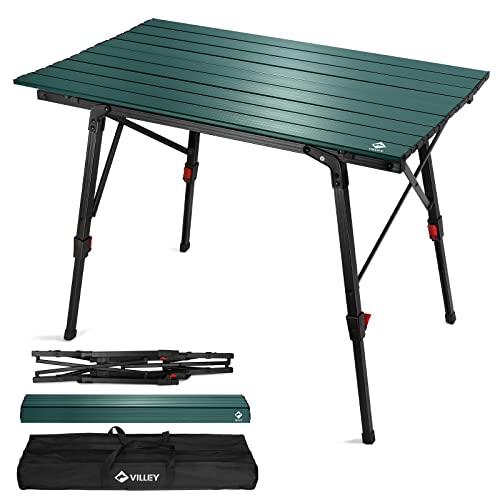
8 Best Camping Table Adjustable Legs of 2026 for Uneven Ground

10 Best Diaper Bag Backpacks For Dads of 2026 With Fast Gear Access

11 Best Framed Luggage of 2026 For Zipperless Security

11 Best Folding Two Wheeler For Luggage of 2026 To Prevent Tipping

11 Best Expandable Roller Luggage of 2026 That Fit Overhead Bins

10 Best Fishing Rod Luggage of 2026 To Protect Fragile Blanks









