
When Should You Travel to Italy in 2026?

The ideal window to visit Italy falls in spring from April through May and in early fall from September through October. That timing shifts depending on the kind of trip you want to take. These sweet-spot months give you sunny, mild afternoons for wandering city streets without suffocating heat waves or shoulder-to-shoulder museum crowds.
Beach vacations require midsummer heat along the coast, even if prices spike and loungers fill up fast. Budget-focused travelers can cut lodging costs dramatically by going between November and February, though northern cities turn cold and rainy. Central cities like Rome become exhausting ovens in July and August, when many family-run shops also close down for summer vacation. Here is how to weigh the seasons and pick the exact dates that fit your plans.

- TLR Rank9.6
TLR Rank is a ranking system developed by TravelLuggageReviews.com. TLR Rank has no relationship or impact from any manufacturers or sales agent websites. Learn more
- BrandN/A

- TLR Rank9.6
TLR Rank is a ranking system developed by TravelLuggageReviews.com. TLR Rank has no relationship or impact from any manufacturers or sales agent websites. Learn more
- BrandLonely Planet

- TLR Rank9.4
TLR Rank is a ranking system developed by TravelLuggageReviews.com. TLR Rank has no relationship or impact from any manufacturers or sales agent websites. Learn more
- BrandHANYCONY

- TLR Rank9.4
TLR Rank is a ranking system developed by TravelLuggageReviews.com. TLR Rank has no relationship or impact from any manufacturers or sales agent websites. Learn more
- BrandFROMMER'S

- TLR Rank9.4
TLR Rank is a ranking system developed by TravelLuggageReviews.com. TLR Rank has no relationship or impact from any manufacturers or sales agent websites. Learn more
- BrandTESSAN

- TLR Rank9.2
TLR Rank is a ranking system developed by TravelLuggageReviews.com. TLR Rank has no relationship or impact from any manufacturers or sales agent websites. Learn more
- BrandN/A

- TLR Rank8.8
TLR Rank is a ranking system developed by TravelLuggageReviews.com. TLR Rank has no relationship or impact from any manufacturers or sales agent websites. Learn more
- BrandDover Publications
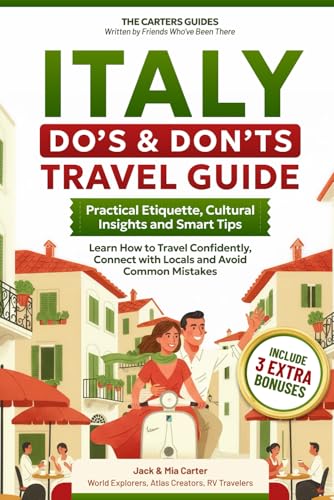
- TLR Rank8.8
TLR Rank is a ranking system developed by TravelLuggageReviews.com. TLR Rank has no relationship or impact from any manufacturers or sales agent websites. Learn more
- BrandN/A

- TLR Rank8.6
TLR Rank is a ranking system developed by TravelLuggageReviews.com. TLR Rank has no relationship or impact from any manufacturers or sales agent websites. Learn more
- BrandLonely Planet

- TLR Rank7.4
TLR Rank is a ranking system developed by TravelLuggageReviews.com. TLR Rank has no relationship or impact from any manufacturers or sales agent websites. Learn more
- BrandDK
Last update on 2026-10-25 / Affiliate links / Images, Product Titles, and Product Highlights from Amazon Product Advertising API
Spring and fall bring the mildest weather and lighter crowds
The best calendar window for an Italian vacation runs from April through May and from September through October. Travel planners call these months the shoulder season, which means the mild months between the summer rush and quiet winter. During this period, temperatures across central and northern Italy settle into comfortable daytime ranges. You can walk across Roman cobblestones, climb the steep steps of the Florence Duomo, and explore the canals of Venice without overheating.
Spring brings blooming hillsides and fresh produce to outdoor market stalls across the country. May is especially pleasant because daylight stretches late into the evening, but the intense summer humidity has not yet settled over the low valleys. April brings an occasional afternoon shower, so packing a water-resistant light jacket keeps your sightseeing day moving without a hitch. In the south, comfortable sea breezes make outdoor lunches along the coast relaxing and unhurried.
Early fall delivers a similar sweet spot with warm Mediterranean water that remains comfortable for swimming. September feels like the best parts of summer without the crushing midday humidity. By October, grape harvests sweep across the Tuscan countryside, and small towns celebrate fresh truffles, olive oil, and regional wine. The autumn sun sits lower in the sky, creating warm golden light across historic piazzas while line lengths at major sights begin to shrink.
Every season offers distinct trade-offs for your travel budget
Choosing your travel dates requires balancing comfortable weather against airline ticket prices and nightly lodging rates. Each season shapes your daily itinerary differently, depending on whether you prioritize open swimming beaches or quiet museum galleries.
Spring starts out crisp and quiet in March, when hotels offer lower rates before tourist arrivals build. By mid-April and May, vacation bookings rise sharply, pushing hotel rates toward their peak. High season, meaning the busiest and most expensive months of the year, takes hold by late May. Visiting in early spring gives you access to full ferry schedules and open palace gardens without paying top-tier summer hotel rates.
Summer covers June through August and draws the largest crowds of the year. Flight prices from the United States reach their highest levels, and hotels in popular tourist neighborhoods charge premium rates months in advance. Coastal towns and island resorts fill up completely with European holidaymakers. June offers pleasant swimming conditions, but July and August bring severe midday heat that slows your walking pace to a crawl.
Fall begins in September with high season hotel pricing that gradually tapers off through October. Once November arrives, temperatures drop into the fifties, rain becomes more common in northern regions, and flight prices fall substantially. November is one of the cheapest months of the year to visit Italy. While beach towns close their umbrellas for the winter, city museums and indoor landmarks remain open without long ticket lines.
Winter runs from December through February and brings the lowest lodging prices of the year across major cities. Rome, Florence, and Naples stay cool rather than freezing, though you will need a warm coat and scarf for evening walks. Venice experiences occasional winter high water, known locally as acqua alta, when wooden raised footbridges appear across low-lying squares like Saint Mark's. Winter is the ideal season for art lovers who want to view Renaissance paintings in quiet galleries while keeping lodging costs down.
Midsummer brings punishing heat waves and nationwide holiday closures
July and August present serious obstacles for travelers focusing on city sightseeing. The stone pavement and brick buildings in places like Rome, Florence, and Milan absorb sunlight all day and radiate heat long into the night. Midday temperatures frequently climb past ninety degrees, turning open-air ruins and wide piazzas into exhausting ovens. Public water fountains run clean and cold across Rome, providing free drinking water that is completely safe to drink, but staying hydrated does not prevent heat exhaustion during a six-hour walking tour.
Air conditioning in Italy works differently than the central air systems found in modern American homes. Many historic hotels and rental apartments operate older wall-mounted units that are limited by strict local energy conservation laws. These units will take the edge off the heat, but they rarely create icy indoor rooms. If you struggle to sleep in warm temperatures, a summer stay in an older city hotel can leave you feeling run down.
August brings another major disruption called Ferragosto, the mid-August holiday when many local businesses close. Celebrated on August 15, this historic summer break prompts millions of Italians to leave the cities and head straight for coastal beaches and mountain retreats. In major cities, small family-run trattorias, independent bakeries, and local butcher shops close their doors for one or two weeks. Major national museums and archaeological sites remain open, but the surrounding neighborhoods can feel deserted by locals and dominated entirely by tired tourists.
Crowds during midsummer also create practical challenges at busy train stations and tourist landmarks. Dense gatherings around ticket booths and monuments increase the risk of pickpocketing or bag snatching in popular tourist neighborhoods or main hotel strips. If you must travel during July or August, shift your sightseeing to early morning and late evening, and plan your afternoons around air-conditioned museums or relaxing indoor breaks.
Match your vacation dates directly to your primary destination
Italy is a long, mountainous peninsula that stretches across hundreds of miles, meaning weather varies widely between the alpine north and the southern Mediterranean coast. Selecting the right month depends entirely on what kind of trip you want to take:
- Historic art cities (Rome, Florence, Venice, Bologna): Visit in April, May, September, or October. These cities require hours of walking on hard cobblestones and standing in outdoor lines. Mild temperatures keep urban walking comfortable, and outdoor dining patios stay vibrant throughout the shoulder season.
- Coastal areas and islands (Amalfi Coast, Capri, Cinque Terre, Sicily, Sardinia): Travel between late May and late June, or during September. Sea water is warm enough for swimming, and regular public ferry boats run between coastal harbors. Avoid visiting coastal villages between November and March, when ferry routes stop running and many cliffside restaurants shut down until spring.
- The northern lakes (Lake Como, Lake Garda, Lake Maggiore): Plan your trip between late April and early October. Spring brings blooming azaleas and rhododendrons to historic lakeside villa gardens. Winter visits leave you with cold winds off the water, grey skies, and limited lake ferry schedules.
- The Alps and Dolomites: Choose your dates based on your preferred outdoor sport. For alpine hiking, wildflower viewing, and open mountain passes, visit in July and August. For skiing and winter sports, visit from late December through March. Avoid late spring and late fall in the high mountains, as melting snow or early mud closes mountain lifts and hiking trails.
Lock in your reservations right after choosing your dates
Once you decide on the best month for your Italian itinerary, start your booking process in a clear sequence to protect your budget and avoid sold-out sights:
- Confirm your passport expiration date: European border control requires a passport valid for six months beyond your planned departure date from the continent. Check the physical expiration page in your passport booklet before putting any money down on international plane tickets.
- Book transatlantic airfare early: If you are planning a trip for 2026, start watching flight prices four to six months before your departure window. When booking during spring or autumn, understanding what is a travel waiver can help you make sense of airline cancellation policies and fee rules if bad weather or seasonal strikes disrupt your travel plans.
- Reserve high-speed train tickets in advance: Italy has an efficient high-speed rail network connecting Turin, Milan, Venice, Bologna, Florence, Rome, and Naples. Train operators release discounted ticket tiers months ahead of time, and prices rise steadily as seats fill up near your departure date.
- Purchase timed-entry tickets for world-famous attractions: Tickets for major historic landmarks, such as the Roman Colosseum, the Vatican Museums, and Florence's Uffizi Gallery, sell out weeks or months ahead during high season. Set calendar reminders to buy your entry tickets the day their official reservation booking windows open.
- Plan your ground arrival from the airport: After a long transatlantic flight, avoid unlicensed drivers offering rides inside the terminal. Walk directly to the clearly marked official taxi stand outside the terminal doors to hire a licensed airport taxi or use an authorized rideshare app to reach your hotel at fixed city rates.
Pack reliable power adapters and updated guidebooks for your trip
Getting your timing right is the biggest step in planning an Italy vacation, but having the right travel gear on the ground ensures your daily plans run smoothly. Italian hotel rooms and historic rental apartments often have very few electrical wall outlets, and those outlets use round European prongs rather than flat American plugs. Bringing a compact travel adapter that fits European Type C and Type L outlets allows you to keep your smartphone, camera, and tablet charged every night. Look for an adapter that includes multiple USB ports alongside standard plug sockets, so you can charge your personal electronics from a single wall plate. Make sure your devices support dual voltage between 100 and 250 volts, as a travel plug adapter changes the physical shape of the prongs but does not convert electrical voltage.
Carrying a physical travel guidebook and a pocket phrasebook is another smart investment for your trip. Cell phone service often drops inside thick stone basilicas, medieval alleys, and underground catacombs where mobile signals cannot penetrate. A lightweight guidebook that easily slips into a carry-on bag that fits in the overhead bin or a daytime shoulder bag provides detailed walking maps, regional food translations, and local transit advice that you can reference anytime without relying on battery life or cellular data.
See also: how much does it cost to travel to italy.


Best Affordable Carry On Luggage 2026 - 11 Most Loving

The 12 Best Carry On Luggage For Bad Back 2026 - Top Choices

Best Tandem Double Buggy 2026 - 11 Best Rating

Top 12 Kids Rolling Suitcases for Fun and Easy Travel

The Ultimate Guide to Choosing the Best 8 Wheel Suitcase

Best Lightest carry on luggage with wheels in 2026

Top Airport Traveling Suitcases: Our 11 Best Picks

The Best Prams For Rough Terrain - (2026 Top Choice)










