
When to Travel to New Zealand to Avoid Holiday Crowds

Most travelers assume December and January are the only smart months to visit for warm weather, but November, March, and April actually provide the best overall trip. Peak summer brings packed mountain trails, sold-out campsites, and heavy local holiday traffic. Traveling during these shoulder months gives you pleasant temperatures, quiet highways, and open alpine tracks without the overwhelming rush.
Your exact travel dates still depend on your itinerary and regional plans. Snow sports fans heading into southern mountain towns need the winter snowpack of July or August, while beach vacations work better on the warmer North Island during late spring. Vacation budgets also shape the timing, because vehicle hires and lodging rates drop noticeably once local school holidays end. Seeing how the seasons shift across each island helps you pick the right dates for your trip.
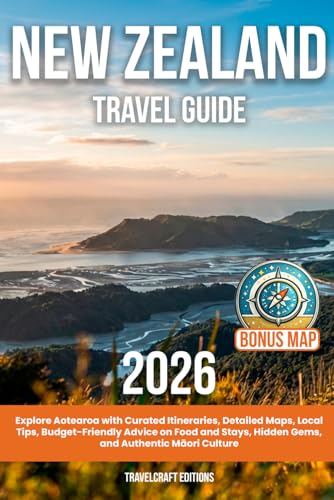
- TLR Rank10.0
TLR Rank is a ranking system developed by TravelLuggageReviews.com. TLR Rank has no relationship or impact from any manufacturers or sales agent websites. Learn more
- BrandN/A

- TLR Rank9.4
TLR Rank is a ranking system developed by TravelLuggageReviews.com. TLR Rank has no relationship or impact from any manufacturers or sales agent websites. Learn more
- BrandFodor's Travel
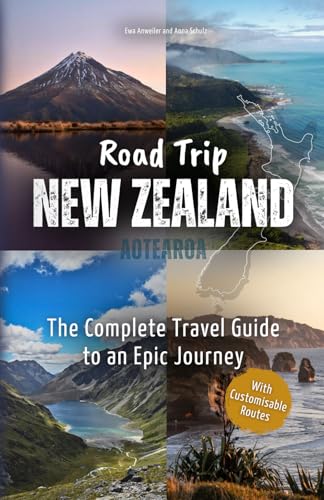
- TLR Rank9.2
TLR Rank is a ranking system developed by TravelLuggageReviews.com. TLR Rank has no relationship or impact from any manufacturers or sales agent websites. Learn more
- BrandN/A

- TLR Rank9.2
TLR Rank is a ranking system developed by TravelLuggageReviews.com. TLR Rank has no relationship or impact from any manufacturers or sales agent websites. Learn more
- BrandMajosta

- TLR Rank9.0
TLR Rank is a ranking system developed by TravelLuggageReviews.com. TLR Rank has no relationship or impact from any manufacturers or sales agent websites. Learn more
- BrandRough Guides

- TLR Rank9.0
TLR Rank is a ranking system developed by TravelLuggageReviews.com. TLR Rank has no relationship or impact from any manufacturers or sales agent websites. Learn more
- BrandMajosta

- TLR Rank8.8
TLR Rank is a ranking system developed by TravelLuggageReviews.com. TLR Rank has no relationship or impact from any manufacturers or sales agent websites. Learn more
- BrandLonely Planet

- TLR Rank8.8
TLR Rank is a ranking system developed by TravelLuggageReviews.com. TLR Rank has no relationship or impact from any manufacturers or sales agent websites. Learn more
- BrandIndependently Published

- TLR Rank8.2
TLR Rank is a ranking system developed by TravelLuggageReviews.com. TLR Rank has no relationship or impact from any manufacturers or sales agent websites. Learn more
- BrandDK

- TLR Rank6.0
TLR Rank is a ranking system developed by TravelLuggageReviews.com. TLR Rank has no relationship or impact from any manufacturers or sales agent websites. Learn more
- BrandMajosta
Last update on 2026-10-25 / Affiliate links / Images, Product Titles, and Product Highlights from Amazon Product Advertising API
The Short Version
- Travel in March, April, or November: These shoulder months offer mild daytime temperatures, open mountain tracks, and far smaller crowds than the peak summer period.
- Avoid mid-December through January if you dislike crowds: This is when local schools close for summer break, causing domestic holiday traffic to collide with international visitors, which drives up rental rates and fills campgrounds.
- Pick February and March for hiking: Mountain passes are clear of winter snow, trail huts are fully staffed, and daylight lasts well into the evening across both islands.
- Target July through September for snow sports: The South Island ski fields operate in full swing, while rental vehicles outside of resort towns drop to their lowest prices of the year.
How New Zealand Seasons Work Compared to the United States
Because New Zealand lies in the Southern Hemisphere, its calendar runs in complete reverse to North America. When North America freezes in January, New Zealand basks in the peak heat of midsummer. When North American schools break for summer in July, New Zealanders bundle up against winter rain, alpine snow, and short days.
Summer covers December, January, and February. Autumn follows in March, April, and May. Winter spans June, July, and August, while spring arrives in September and lasts through November. For a traveler flying from the United States, this reversal can feel disorienting. Landing in Auckland in December means stepping into humid, bright sunshine, while arriving in June requires a heavy jacket and warm boots right off the plane.
The country also features diverse microclimates, which are local weather patterns that change quickly between the coast and the mountains. New Zealand is narrow and mountainous, caught between the Tasman Sea and the Pacific Ocean. A mountain range called the Southern Alps runs down the spine of the South Island. These peaks block moisture blowing in from the west. As a result, the West Coast can receive heavy rain while the eastern plains just a few hours away remain completely dry and sunny.
The North Island stays considerably milder year-round. Its northern tip, known as Northland, has subtropical warmth with mild winters that rarely see frost. In contrast, the South Island sits closer to Antarctica. South Island winters bring crisp alpine freezes, icy roads, and heavy snowfalls across the high country. When you pick your travel dates, you must balance these two islands differently based on where you plan to spend your time.
The Best Months for Hiking Tracks and Road Trips
If your dream vacation centers on scenic drives and walking in nature, aim for the window between February and April, or target the month of November. These months provide the sweet spot of settled weather, accessible high-country trails, and comfortable driving conditions.
Hiking is one of the primary reasons people visit New Zealand. The country maintains several premier multi-day mountain hiking trails, officially called the Great Walks. These famous trails take hikers through rainforests, glacial valleys, and high mountain passes. The official hiking season for these routes generally runs from late October through April. During this window, mountain huts have running water, resident rangers, and emergency radios in operation.
If you hike in November, you will experience lush green landscapes fed by spring snowmelt. Waterfalls roar at full volume, and wildflowers bloom along valley floors. However, high alpine saddles can hold stubborn snow patches well into late spring. If you choose the Tongariro Alpine Crossing or the Milford Track in November, you might still encounter icy switchbacks that demand trekking poles and sturdy boots.
February and March deliver the most stable outdoor conditions. By late summer, alpine snow has melted off the passes, rivers run at safer levels, and lake waters warm up enough for swimming. Daylight stretches past eight in the evening on the North Island and past nine in the evening on the lower South Island. This gives you plenty of sunlight to complete long road trips between towns without having to navigate unfamiliar, winding mountain roads in the pitch dark.
April introduces vibrant autumn colors, especially in historic South Island gold-mining towns like Arrowtown and Wanaka. The air turns crisp, daytime hiking stays comfortable without blistering heat, and seasonal winds die down. Just keep in mind that alpine trails become colder overnight, requiring a heavier sleeping bag if you stay in backcountry huts.
Shoulder Season Savings on Campervans and Lodging
New Zealand is a long-distance destination, and daily ground travel costs can add up quickly. If your budget is a major factor, traveling during the shoulder season is the single most effective way to save thousands of dollars on your trip. The shoulder season refers to the quieter months right before and after peak summer, specifically October, November, March, and April.
To understand why prices spike so violently, look at the local calendar. New Zealand primary and secondary schools let out for summer break in mid-December and do not reopen until late January or early February. Many businesses shut down between Christmas and the second week of January for mandatory annual leave. During these six weeks, the entire domestic population heads to the beach and the mountains at the exact same moment international tourists arrive. Beachfront motels, vacation homes, and holiday park cabins sell out months ahead, and nightly prices can easily double.
This holiday surge impacts anyone planning to rent a campervan, which is a small recreational vehicle or converted van with a bed. Exploring New Zealand behind the wheel of a campervan is an iconic way to travel. Unlike North American travelers who might be used to towing a separate trailer, driving in New Zealand usually favors compact, all-in-one vans due to narrow, shoulder-less rural highways. If you are comparing your vehicle options and want to know how living spaces compare to home, reading about what is a travel trailer will help you see the difference in layout and mobility before you book.
In peak January, campervan rentals frequently cost three times as much per day as they do in November or March. Furthermore, free campsites fill up by early afternoon, forcing travelers into expensive private holiday parks. By booking your road trip in March or April instead, vehicle rental agencies drop their daily rates substantially. You also get the freedom to alter your itinerary without worrying that every decent campsite down the road is booked solid.
Airfare follows the same pattern. Flights from North America into Auckland or Christchurch hit peak rates around the winter holidays. Because flights require such a heavy financial commitment, travelers often ask what is a travel waiver when purchasing tickets, looking for protections against severe weather disruptions or unexpected schedule changes. Shifting your flight dates into late February, March, or November immediately lowers your baseline ticket price while giving you the same high-quality daylight and open attractions.
Winter Travel and South Island Snow Sports
Winter in New Zealand runs from June through August, extending into early October for alpine snow sports. If you enjoy skiing or snowboarding, this is the only time to visit. It is also an overlooked option for travelers on a tight budget who prefer scenic sightseeing over swimming and hiking.
The South Island is the hub for winter sports. Resort towns like Queenstown and Wanaka transform into lively alpine centers. Ski areas such as Cardrona, Treble Cone, Coronet Peak, and The Remarkables offer dramatic terrain above the tree line with panoramic views over southern glacial lakes. Near Christchurch, Mount Hutt provides large snow fields that often stay open through October. On the North Island, Mount Ruapehu features volcano skiing on active slopes when snow coverage allows.
If you visit during winter but do not plan to ski, you can take advantage of deep off-season discounts. Outside of the ski resort towns, campervan rental companies offer rock-bottom daily rates to keep their fleets moving. Iconic sights like Milford Sound, Mount Cook, and Lake Tekapo are remarkably quiet. Clear, cold winter days often bring crisp blue skies with stunning snowcaps coating the mountains down to the tree line.
However, winter travel requires careful driving. Frost and black ice are common hazards on South Island highways during the morning and evening. Mountain passes like Arthur's Pass, Lewis Pass, and the Crown Range Road can close temporarily after heavy snowstorms. Rental vehicle companies will require you to carry fitted snow chains, and you must know how to put them on your tires if highway authorities set up road checkpoints.
The North Island stays much warmer during winter. Freezing temperatures rarely hit sea level in Auckland, Northland, or the Coromandel Peninsula. Instead of snow, winter on the North Island brings frequent gray skies, heavy rain, and blustery winds. It is a peaceful time to soak in natural geothermal hot pools in Rotorua and Taupo, but it is not ideal for beach days or coastal coastal walks.
How to Prepare for Sudden Weather Changes
No matter which month you write on your calendar, New Zealand weather refuses to stay predictable. Locals often talk about experiencing four seasons in one single day, and this is not an exaggeration. An island nation exposed to ocean storms can swing from calm sunshine to freezing gale-force rain in under two hours.
A sunny morning in the Southern Alps can turn dangerously cold by early afternoon if an Antarctic southerly blast blows over the mountains. Hikers who set out in shorts and light shirts often find themselves shivering in freezing mist before they reach the summit. Road trippers also face sudden land slips, localized river flooding, and dense sea fog that rolls across coastal highways.
Use this practical checklist every morning before heading out, whether you travel in midsummer or the depths of winter:
- Layer your clothing: Always wear a breathable base layer (merino wool works best), an insulating fleece middle layer, and a completely windproof, waterproof rain shell. Avoid heavy cotton or denim, which holds moisture and chills your body if you get wet.
- Check official local forecasts: Do not rely on generic global weather apps on your phone. Consult the national meteorological service (MetService) or ask staff at Department of Conservation visitor centers for hyper-local track and pass conditions.
- Build buffer days into your driving schedule: Never plan an itinerary that requires you to cover four hours of winding driving every single day. If a mountain road closes due to rockfall or heavy rain, you need the flexibility to pause for a day without missing a pre-paid activity or flight.
- Carry emergency supplies in your vehicle: Keep plenty of drinking water, high-calorie snacks, a flashlight, a warm blanket, and a basic first-aid kit inside your car or van. Rural roads between towns can be empty, and help can take time to arrive if weather shuts down a highway.
Planning Tools That Make Road Trips Smoother
Exploring New Zealand by road is an incredible experience, but it requires thorough logistical planning across both islands. Cell phone service is notoriously spotty once you drive away from major cities. Remote regions like the rugged West Coast, the Catlins, and the long highway leading into Milford Sound often have no mobile data signal for hours at a time. Relying purely on phone mapping apps can leave you stranded without directions or camp information.
High-quality printed travel guides and regional road trip planners solve this problem by putting verified offline maps, driving distances, and attraction details directly in your hands. When selecting a guidebook, look for options that clearly separate the North Island from the South Island so you can plan realistic regional loops. Check that the guide includes estimated driving hours rather than just straight-line mileage. New Zealand highways are often single-lane in each direction, winding through steep hills and across one-lane bridges, meaning a 100-mile trip often takes twice as long as it would on an open interstate highway.
A reliable physical guide should also feature clear icons for Department of Conservation campsites, public dump stations for self-contained vans, fuel stops, and ferry terminal connections between Wellington and Picton. Having this printed information laid out across your vehicle passenger seat removes stress when mobile reception drops to zero in the mountains.
FAQs
What is the rainiest month in New Zealand?
Rainfall varies heavily depending on where you stand, but July is generally the wettest month across the North Island. On the South Island, spring months like October and November often see the highest rainfall on the West Coast due to westerly weather fronts. Places like Fiordland receive tremendous rain year-round, which feeds the region's famous waterfalls.
Is December a bad time to visit New Zealand?
The first two weeks of December can be pleasant, but the second half of the month brings extreme holiday congestion. Once local schools break for summer around mid-December, coastal spots fill up, accommodations double in price, and car rentals book out completely. If December is your only option, lock in your vehicle and lodging reservations many months in advance.
Do you need snow chains when driving in winter?
Yes, if you drive through the South Island high country or visit ski fields between June and October, you should carry properly fitted snow chains. Rental car companies provide them for a small daily fee and will confirm your tire size. Highway authorities regularly set up road checkpoints on mountain passes to turn around any vehicle that is not carrying chains during winter storms.
When should you book the Great Walks hiking huts?
Bookings typically open online between May and July for the upcoming summer season, which begins in late October. The most famous routes, like the Milford Track and Routeburn Track, often sell out within minutes of the reservation system going live. If you miss out, look for cancellations or choose less congested Great Walks like the Abel Tasman Coast Track or the Rakiura Track.
See also: best luggage for new zealand.


Best Affordable Carry On Luggage 2026 - 11 Most Loving

The 12 Best Carry On Luggage For Bad Back 2026 - Top Choices

Best Tandem Double Buggy 2026 - 11 Best Rating

Top 12 Kids Rolling Suitcases for Fun and Easy Travel

The Ultimate Guide to Choosing the Best 8 Wheel Suitcase

Best Lightest carry on luggage with wheels in 2026

Top Airport Traveling Suitcases: Our 11 Best Picks

The Best Prams For Rough Terrain - (2026 Top Choice)










