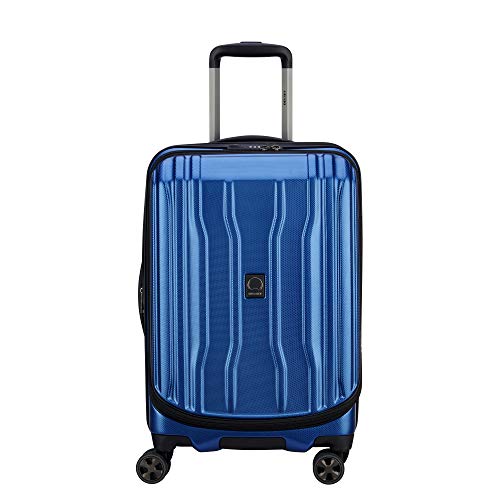
Where To Get Malaria Pills For Travel Smartly

Where to get malaria pills for travel can feel oddly confusing because the answer isn’t just “grab a bottle and go.” Different destinations carry different malaria risks, and the right pill depends on the country, region, season, trip length, health history, and current medicines already in the mix. Well, that’s where a travel clinic, primary care doctor, or pharmacy with travel health services earns its keep. The goal isn’t to collect random tablets, but to get proper antimalarial advice before a mosquito-heavy itinerary turns into a headache.
A smart starting point is a travel medicine clinic, especially for trips involving rural stays, jungle routes, border crossings, long backpacking plans, or places where malaria guidance changes by area. These clinics usually review the full route instead of treating the destination like one giant risk zone. That matters because malaria prevention for a city stopover may look very different from prevention for a week near forests, farms, rivers, or remote villages. Bring your itinerary, dates, allergies, pregnancy status if relevant, and medication list, because those details can steer the prescription.
Local doctors can also help with malaria pill prescriptions, particularly when there’s enough time before departure. Some travelers like this route because their regular doctor already knows their medical background, which can make side effect discussions less awkward. Still, not every general practice keeps deep travel-health knowledge on tap, so it’s fair to ask whether they use current travel medicine guidance. If the answer feels vague, a dedicated travel clinic may save you from guesswork.
Pharmacies with travel health services are another practical option, and they’re often easier to schedule than a full clinic visit. Depending on local rules, a pharmacist may provide advice, sell certain malaria tablets, or direct you toward a prescription-only option. That’s handy, but don’t treat convenience like a shortcut around safety. Malaria pills can interact with other medicines, upset the stomach, increase sun sensitivity, or be unsuitable for certain health conditions, so the conversation should be more than a quick checkout-counter chat.
Online travel health providers can work too, but only when they’re legitimate, licensed, and asking real screening questions. A trustworthy service should ask where you’re going, how long you’ll stay, what activities you’ll do, and whether you have health conditions that affect medication choice. Skip sketchy sellers promising easy pills without a health review, because counterfeit or poorly matched medicine is a bad bargain. For travel malaria prevention, cheap and careless can cost more than money.
Timing matters more than many people expect. Some antimalarial tablets must be started before entering a risk area, continued during the trip, and taken after leaving, while others have different schedules. Missing that window can leave a gap right when protection matters most. So, instead of saving it for the packing scramble, handle where to get malaria pills for travel during the same planning stage as passports, vaccines, insurance, and route details.
The best answer is usually a layered one: check official travel health guidance, then speak with a qualified clinician or pharmacist who can match the advice to your real itinerary. Pills are only one piece of the puzzle, too. Repellent, long sleeves, treated nets, screened rooms, and smart evening habits still pull weight because malaria prevention isn’t a one-trick pony. Get the tablets from a reliable source, take them exactly as directed, and keep fever after travel on your radar, because that’s not something to shrug off.
Where To Get Malaria Pills For Travel
A trip can look easy on paper until the health checklist starts poking holes in the plan. Flights are booked, the route feels exciting, and then where to get malaria pills for travel becomes the question that nobody wants to leave until the airport ride. The smart move is getting proper travel health advice before buying anything, because malaria risk can change by country, region, season, and the kind of places you’ll sleep. A city stop, a river lodge, and a rural homestay can all mean different levels of malaria prevention.
Start With A Travel Clinic Before You Buy Pills
A travel clinic is often the cleanest starting point because it treats your itinerary like a real plan, not a random dot on a map. The clinician can look at your route, travel dates, medical history, and current medications before suggesting an option. That matters because antimalarial tablets aren’t one-size-fits-all. Some need to be started before arrival, taken during the trip, and continued after leaving the risk area.
Bring the full route, not just the country name. A traveler spending two nights in a capital city may need different advice from someone sleeping near forests, farms, wetlands, or remote villages. The better the details, the less room there is for bad medication matching. That little bit of planning can save a lot of “Wait, did I buy the right thing?” stress later.
Clinics also help with the awkward stuff people forget to mention. Pregnancy, kidney issues, mental health history, allergies, and other prescriptions can all affect which malaria pills make sense. A solid appointment should feel practical, not rushed. You should leave knowing what to take, when to start, what side effects to watch for, and what to do if fever shows up after travel.
Cost can be annoying, sure, but guessing is worse. Cheap pills from a vague source may look like a bargain until the instructions don’t match your route. A travel clinic gives you destination-specific guidance and a prescription when needed. That’s the difference between checking a box and actually lowering risk.
Ask Your Doctor If Your Health History Is Complicated
Your regular doctor can be a good option if there’s enough time before departure. They already know your background, so questions about drug interactions, allergies, or ongoing conditions may be easier to handle. This route works especially well when your trip is simple and your doctor is comfortable with travel medicine guidance. Still, it’s fair to ask directly whether they prescribe malaria prophylaxis often.
Some prescriptions require more thought than people expect. Doxycycline may not suit someone who struggles with sun sensitivity or stomach irritation. Mefloquine may be a poor fit for certain mental health histories. Atovaquone-proguanil can be convenient for shorter trips, but it still needs proper timing and a real check for medical suitability.
A doctor’s visit can also keep the rest of the health prep from falling through the cracks. Vaccines, traveler’s diarrhea plans, bite avoidance, and medication refills can all be handled in the same planning window. That’s useful because malaria prevention works best as a system, not a lonely pill bottle tossed into a backpack. Repellent, long sleeves, screened rooms, and treated nets still matter.
Don’t wait until the last few days if you can help it. Some antimalarial medications have start dates that need breathing room, and rushing can limit your choices. A little lead time also helps if a pharmacy needs to order the medication. Travel feels a lot smoother when the health pieces are settled before the suitcase comes out.
Pack smarter before the clinic visit by keeping documents tidy, and for tighter airplane storage, rely on best under seat backpack for travel so prescriptions, insurance cards, and route notes stay within reach.
Use Pharmacies With Real Travel Health Services
A pharmacy travel service can be handy if appointments are scarce or your schedule is already packed. In some places, pharmacists can advise on malaria prevention, supply certain tablets, or point you toward a prescription pathway. That convenience is useful, but it shouldn’t feel like a drive-through order. The conversation still needs your itinerary, dates, health history, and current medicines.
Good pharmacists ask questions before handing over anything. They’ll want to know where you’re going, whether you’ll visit rural areas, how long you’ll stay, and whether you’ve taken malaria pills before. That screening helps avoid a poor match. If nobody asks about your route, that’s a red flag waving in broad daylight.
Pharmacies also help with practical details that travelers actually care about. How many tablets do you need? Should the medicine be taken with food? What happens if you miss a dose? These small answers make travel medication planning less mysterious and far less likely to go sideways.
Still, pharmacy access varies by country and local rules. Some antimalarials may be prescription-only, while others may be available after a pharmacist consultation. The safest approach is simple: use a licensed pharmacy, ask for clear directions, and avoid unknown online sellers that skip medical screening. Convenience is nice, but clean sourcing matters more.
%product_cta:2%
Be Careful With Online Malaria Pill Sellers
Online providers can be useful, especially for busy travelers who can’t easily get to a clinic. The good ones work like a structured medical visit, asking about your destination, trip length, medical history, allergies, and other medications. That kind of screening matters because where to get malaria pills for travel is not just a shopping question. It’s a safety question with real consequences.
A legitimate online service should be licensed, transparent, and connected to qualified medical professionals. It should explain which antimalarial option is being prescribed and why it fits the itinerary. It should also give clear instructions for starting, continuing, and stopping the tablets. If the site promises instant pills with no health questions, walk away.
Counterfeit or low-quality medicine is not a harmless travel mistake. Some tablets may contain the wrong ingredient, the wrong dose, or poor packaging that makes storage questionable. That’s why reputable sourcing matters so much before traveling to malaria-risk areas. A slick website doesn’t automatically mean safe medicine.
Use online options as a convenience layer, not a shortcut around medical advice. Keep a copy of the prescription, carry medication in original packaging, and bring enough for the full schedule. For longer cold-weather routes where medicine, layers, and documents need organized space, plan the carry setup around best travel backpack for norway instead of stuffing important items into random pockets. Small packing choices can keep travel health essentials easier to find when the day gets messy.
Match The Pill To The Route, Not The Country Name
Malaria maps are more detailed than most travelers expect. One part of a country may carry little risk, while another region may need serious chemoprophylaxis. That’s why a vague question like “Do I need malaria pills for Thailand?” or “Do I need them for Kenya?” can lead to sloppy answers. The better question is where exactly you’ll go, how long you’ll stay, and what kind of exposure you’ll have.
Rural stays, forest treks, night markets near standing water, farm visits, border areas, and river travel can change the conversation. So can the season, housing style, and whether rooms have screens or air conditioning. A clinician can connect those details to the right malaria prevention plan. Without that step, travelers often overbuy, underprepare, or choose medicine that doesn’t match the actual risk.
Timing is part of the match too. Some tablets begin shortly before travel, while others need a longer lead-in and continue for weeks after leaving the risk area. Skipping doses or stopping early can weaken the plan. The label isn’t decoration, and dose timing deserves the same attention as flight times.
Ask about side effects before you commit. Nausea, vivid dreams, sun sensitivity, or stomach upset may matter more depending on your route and activities. Someone hiking in strong sun may think differently about doxycycline than someone staying mostly indoors. A good plan balances medical fit, destination risk, price, and daily routine.
Pack The Pills Like They Actually Matter
Medication can’t help if it’s lost, crushed, overheated, or packed in a checked bag that arrives two days late. Keep malaria tablets in original packaging with the label visible, especially for border checks or pharmacy questions abroad. Put them in carry-on storage, not deep in luggage that might disappear during a layover. That simple habit keeps the plan intact.
Original packaging also protects the instructions. After a long flight, nobody wants to guess whether a pill should be taken with food or continued after leaving the risk area. A photo of the prescription and directions adds another layer of backup. For bulky itineraries with longer stays, choose luggage with organized sections, and use best extra large checked luggage for clothes while keeping prescription medicine in your personal bag.
Set reminders before the trip starts. Jet lag, early tours, overnight buses, and long airport days can wreck a routine fast. A phone alarm tied to meals can make daily antimalarial dosing easier to remember. If the medication is weekly, mark the day clearly so it doesn’t blur into the rest of the trip.
Keep bite prevention gear nearby too. Repellent, lightweight long sleeves, and a small treatment plan for itchy bites can make evenings less miserable. No antimalarial is a magic shield, so mosquito avoidance still pulls its weight. Pills reduce risk, but smart habits close the gaps.
Where To Get Malaria Pills For Travel After Your Prescription Is Approved
The prescription is only half the job. The next step is getting malaria pills from a source that gives you clean packaging, clear directions, and enough tablets for the full schedule. A reliable pharmacy should confirm the medication name, dose, start date, and stop date before you leave the counter. That sounds basic, but rushed travel prep can turn small details into big problems.
Keep the medicine in its original package instead of moving tablets into an unlabeled organizer. Border officers, doctors, and pharmacists can understand your medication faster when the label is visible. Original packaging also protects dose instructions from getting separated from the pills. That matters if your trip includes long flights, layovers, heat, humidity, or a few chaotic hotel check-ins.
Ask the pharmacist what to do if you vomit after a dose or miss one during a long travel day. Different antimalarial medications may have different guidance, and guessing isn’t worth the risk. Write the answer in your notes app or on the prescription bag. Tired brains after overnight flights don’t always remember tiny medical details.
Storage deserves a little attention too. Heat and moisture can be rough on medication, especially during tropical travel. Keep travel medication away from steamy bathrooms, direct sun, and checked bags that might sit in hot cargo areas. A small pouch in your personal item keeps the pills easier to reach and harder to lose.
Where To Get Malaria Pills For Travel With Fewer Packing Headaches
Packing malaria medicine sounds simple until your bag becomes a mess of chargers, snacks, documents, and half-zipped toiletry pouches. Put malaria pills in a small, dedicated pocket with your passport copy, insurance card, and clinic notes. That setup saves time if a doctor asks what you took during the trip. It also keeps the medicine from getting crushed at the bottom of an overstuffed bag.
Short trips still need smart space planning. A compact carry-on can help you keep the essentials close without dragging a bulky suitcase through every airport line. For tighter packing days, keep your health pouch near the top and use best 21 inch suitcase ideas to build a cleaner travel setup around medication, clothing, and documents. The goal is simple: medicine stays accessible, not buried under shoes.
Work trips add another wrinkle because laptops, chargers, folders, and pills all compete for the same personal-item space. Keep prescription medicine away from liquids and heavy electronics that can smash the packaging. A bag with a separate tech zone can make this easier, especially if airport security is already slowing you down. For that kind of route, organize your essentials with cabin luggage laptop compartment planning so health items don’t disappear behind your gear.
Use reminders before the first dose, not after you’ve already missed one. Set alarms that match your real travel routine, such as breakfast, dinner, or brushing your teeth. If the medication needs food, pair it with a meal instead of hoping you’ll remember later. Small habits make malaria prevention feel less like homework and more like normal travel maintenance.
Where To Get Malaria Pills For Travel Without Falling For Bad Shortcuts
Airport pharmacies, random overseas shops, and too-good-to-be-true websites can look tempting when time is tight. Still, malaria medication should come from a licensed, trustworthy source that checks your health details. A seller that skips questions about your destination, allergies, pregnancy status, or current medicines is waving a warning flag. Fast service is useful, but careless service is not.
Be cautious with pills sold loose, without labels, or without clear instructions in a language you can read. Counterfeit or poorly stored medicine can create a false sense of safety. That’s a lousy tradeoff in a place where mosquito-borne illness is a real concern. If you’re already abroad and need help, a reputable clinic, hospital, or licensed pharmacy is a safer route than a market stall or mystery vendor.
Some travelers try to borrow leftover tablets from friends. That move can backfire fast because the medicine may not match the destination, dose schedule, or personal health profile. Even the same country can have different malaria risk zones. Someone else’s prescription was written for their body and their route, not yours.
Price matters, but don’t let it drive the whole decision. Ask about generic options, insurance coverage, and pharmacy discount programs before settling for a questionable source. A clinician may suggest a different approved option that better fits your budget and timeline. The right plan balances safety, cost, side effects, and practical use during the trip.
%product_cta:5%
Where To Get Malaria Pills For Travel And Still Avoid Mosquito Bites
Pills help, but they don’t replace bite prevention. Use mosquito repellent, long sleeves, long pants, screened rooms, and bed nets where needed. Evening and early morning routines matter because some mosquitoes are more active during those hours. A few simple habits can reduce exposure without turning the trip into a medical project.
Repellent should be easy to reach, not trapped in checked luggage or a bathroom kit across the room. Keep a small bottle near your day bag so you’ll actually use it before dinner, walks, markets, or riverside stops. Travelers often remember sunscreen and forget insect protection until the bites start showing up. By then, the horse has already left the barn.
Clothing can do quiet work too. Lightweight long sleeves and breathable pants are useful in places where evenings bring mosquitoes and humidity. Treated clothing may help in higher-risk settings, especially during outdoor stays. Still, comfort matters because gear you hate wearing usually stays in the bag.
Sleeping conditions deserve a quick check before you unpack. Look for torn screens, open gaps, standing water nearby, or a bed net that doesn’t tuck properly. Ask for a different room if the setup feels sloppy. That small awkward conversation can support your malaria prevention plan more than pretending everything is fine.
Where To Get Malaria Pills For Travel If Plans Change Mid Trip
Travel plans love to wobble. A city-only route can suddenly turn into a rural weekend, a border crossing, or a last-minute jungle lodge stay. If your route changes, your malaria risk may change too. Don’t assume the original advice still fits every new stop.
Contact the travel clinic, your doctor, or a reputable local medical provider if the new destination adds risk. Share the updated route and dates instead of asking a vague yes-or-no question. Clear details help them decide whether you need new medication guidance, extra tablets, or stronger bite precautions. This is one of those moments where a quick call beats guesswork.
Keep digital copies of your prescription and travel health notes. If you need a refill abroad, those records can help a clinician understand what you’re taking and why. They also reduce confusion if brand names differ between countries. Generic medication names are especially useful because pharmacy labels can vary.
Don’t stretch a short supply by skipping doses or taking tablets every other day. That’s not a clever workaround. It can weaken the prevention plan and create more risk than it solves. If you’re short on pills, seek proper medical advice before changing the schedule.
Where To Get Malaria Pills For Travel Before Fever Becomes Urgent
Fever after visiting a malaria-risk area is not something to shrug off. Even with antimalarial pills, malaria can still happen, and early care matters. Tell the doctor exactly where you traveled, when you were there, and what medicine you used. Those details can speed up testing and treatment.
Symptoms may feel like the flu at first. Chills, headache, muscle aches, fatigue, nausea, and sweating can all show up in ways that seem ordinary. The problem is that malaria symptoms can become serious if they’re ignored. Playing tough guy with a fever after travel is a bad bet.
Keep your medication packaging after the trip until you’re clearly past any health concerns. The label can help medical staff confirm the drug name and dosage. A photo of the package works as a backup if the box gets tossed by mistake. Small records can make a stressful clinic visit less confusing.
Travel health doesn’t end the day you fly home. Watch for fever, mention malaria risk quickly, and avoid minimizing symptoms because the trip is already over. A careful response protects the time, money, and effort you put into the journey. More importantly, it gives post-travel illness the attention it deserves before it gets out of hand.

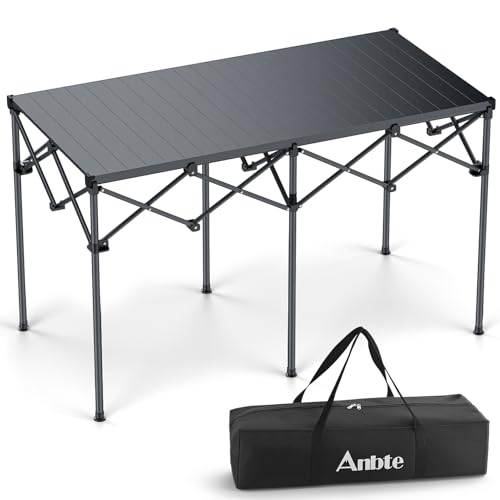
12 Best Heavy Duty Camping Table of 2026 That Will Not Wobble or Sag
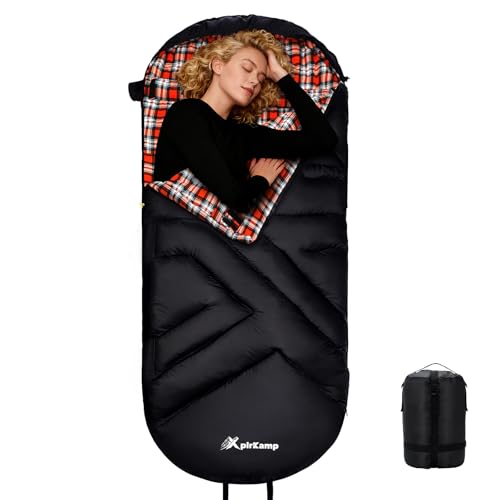
10 Best Sleeping Bags For Tall People of 2026 To Stretch Out Fully
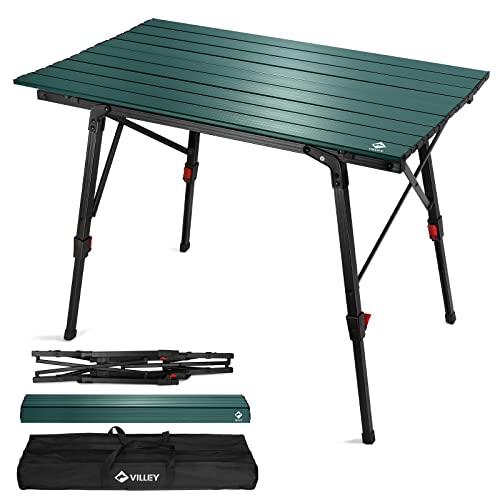
8 Best Camping Table Adjustable Legs of 2026 for Uneven Ground

10 Best Diaper Bag Backpacks For Dads of 2026 With Fast Gear Access

11 Best Framed Luggage of 2026 For Zipperless Security

11 Best Folding Two Wheeler For Luggage of 2026 To Prevent Tipping

11 Best Expandable Roller Luggage of 2026 That Fit Overhead Bins

10 Best Fishing Rod Luggage of 2026 To Protect Fragile Blanks