where to sell designer sunglasses safely

Where to sell designer sunglasses starts with one honest question: Do you want the fastest cash, the cleanest sale, or the strongest price? That little choice changes everything, because a barely worn pair of Cartier, Prada, Gucci, Dior, Tom Ford, Chanel, or Ray-Ban shades can land very differently depending on the buyer. Some places reward brand recognition, while others care more about condition, authenticity, original packaging, lens quality, and current style demand. So, yeah, tossing them onto the first marketplace you see can leave money on the table.
Resale platforms often make sense for sellers who want a wider pool of serious shoppers and a smoother listing setup. The tradeoff is simple: You may deal with platform fees, shipping rules, photo standards, and slower payout timing. Still, for sought-after frames with clean lenses, tight hinges, and a case or receipt, these sites can help the sunglasses look less like a random closet cleanout and more like a valuable fashion piece. That matters, because buyer trust is half the battle with designer accessories.
Local selling options can feel refreshingly direct, especially if you’d rather skip shipping and wrap up the deal face to face. Consignment shops, luxury resale boutiques, pawn shops, and local fashion buyers may offer quicker answers, though the price can be lower than a patient online sale. Fair enough, because they’re taking on risk, authentication concerns, and resale work after buying from you. For frames with scratches, missing cases, or older styling, a local route may still beat letting them sit in a drawer collecting dust.
Authentication deserves real attention because fake designer sunglasses have made buyers understandably jumpy. Clear photos of the logo, temple numbers, hinges, nose pads, lens etching, case, cleaning cloth, and receipt can calm nerves before the first message even lands. A strong listing doesn’t need to shout; it needs to show the condition plainly and answer the doubts people already have. Put bluntly, clean proof sells better than fancy wording.
Pricing strategy works best when it’s grounded, not greedy. Search similar sold listings, compare condition honestly, and leave a little room for negotiation without making the price look suspiciously high. Designer sunglasses move faster when the price reflects real wear, current demand, and whether the original box or case is included. A smart sale feels like a handshake, not a tug-of-war, and that’s where where to sell designer sunglasses becomes less confusing and much more profitable.
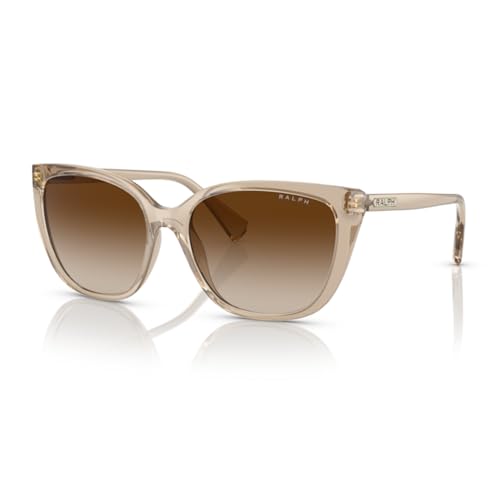
- TLR Rank9.4
TLR Rank is a ranking system developed by TravelLuggageReviews.com. TLR Rank has no relationship or impact from any manufacturers or sales agent websites. Learn more
- BrandRalph Lauren

- TLR Rank9.2
TLR Rank is a ranking system developed by TravelLuggageReviews.com. TLR Rank has no relationship or impact from any manufacturers or sales agent websites. Learn more
- BrandVcarsian
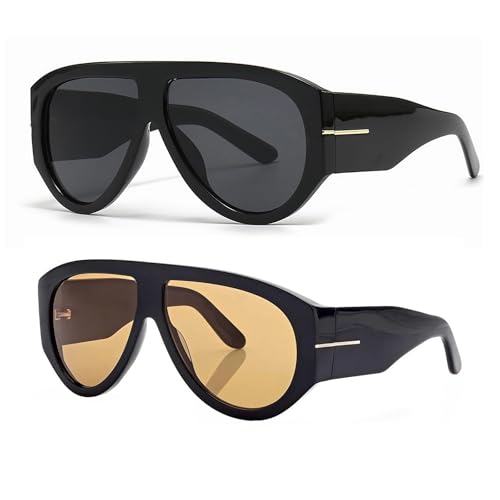
- TLR Rank9.2
TLR Rank is a ranking system developed by TravelLuggageReviews.com. TLR Rank has no relationship or impact from any manufacturers or sales agent websites. Learn more
- BrandOSAGAMA

- TLR Rank9.0
TLR Rank is a ranking system developed by TravelLuggageReviews.com. TLR Rank has no relationship or impact from any manufacturers or sales agent websites. Learn more
- Brandphikttu

- TLR Rank9.0
TLR Rank is a ranking system developed by TravelLuggageReviews.com. TLR Rank has no relationship or impact from any manufacturers or sales agent websites. Learn more
- BrandDANAMY

- TLR Rank8.8
TLR Rank is a ranking system developed by TravelLuggageReviews.com. TLR Rank has no relationship or impact from any manufacturers or sales agent websites. Learn more
- BrandAllarallvr

- TLR Rank8.8
TLR Rank is a ranking system developed by TravelLuggageReviews.com. TLR Rank has no relationship or impact from any manufacturers or sales agent websites. Learn more
- BrandRalph Lauren

- TLR Rank8.8
TLR Rank is a ranking system developed by TravelLuggageReviews.com. TLR Rank has no relationship or impact from any manufacturers or sales agent websites. Learn more
- BrandGUVIVI

- TLR Rank8.8
TLR Rank is a ranking system developed by TravelLuggageReviews.com. TLR Rank has no relationship or impact from any manufacturers or sales agent websites. Learn more
- BrandGeneric

- TLR Rank8.8
TLR Rank is a ranking system developed by TravelLuggageReviews.com. TLR Rank has no relationship or impact from any manufacturers or sales agent websites. Learn more
- BrandDollger

- TLR Rank8.6
TLR Rank is a ranking system developed by TravelLuggageReviews.com. TLR Rank has no relationship or impact from any manufacturers or sales agent websites. Learn more
- BrandYDAOWKN
Last update on 2026-08-09 / Affiliate links / Images, Product Titles, and Product Highlights from Amazon Product Advertising API
Where To Sell Designer Sunglasses
A drawer full of nice sunglasses can feel oddly annoying once the excitement wears off. Maybe the frames no longer fit your face, maybe the logo style feels too loud, or maybe the lenses picked up tiny scratches that make you second-guess the price. That is where where to sell designer sunglasses turns from a casual question into a real money decision. The right selling route protects resale value, reduces buyer doubts, and keeps the whole deal from turning into a messy back-and-forth.
Designer Sunglasses Resale
Designer sunglasses resale works best when the sale feels believable from the first photo. Buyers are not just paying for a frame shape or a shiny logo; they are paying for brand trust, condition, authenticity, and the feeling that they will not regret the purchase later. A pair of Gucci, Prada, Chanel, Dior, Tom Ford, or Cartier sunglasses can still attract strong interest, but only if the listing answers the questions people are already asking in their heads. Clean photos, honest notes, and proof of origin can do more than a dramatic sales pitch ever will.
Condition usually decides whether a pair feels like a hidden gem or a risky gamble. Small lens marks, stretched arms, missing screws, faded logos, and loose hinges can quietly drag the price down. That does not mean imperfect sunglasses are worthless, though. It simply means the price, platform, and buyer expectations need to match the real state of the item.
Online marketplaces can bring the biggest pool of buyers, but they also bring more questions, more negotiation, and more pressure to prove authenticity. A polished listing on a resale site may take longer to prepare, yet it can help designer frames look like a serious fashion buy instead of a random closet clear-out. Strong lighting, multiple angles, and close-ups of serial numbers or temple markings help calm nerves. Nobody wants to pay luxury resale money and wonder if they bought a fake.
Local selling feels easier for people who want a faster handoff and fewer shipping worries. Luxury consignment stores, eyewear boutiques, pawn shops, and local resale buyers may offer less than an online private sale, but they remove a lot of friction. You avoid packing, tracking, delivery disputes, and the awkward “item not as described” message. For frames that are older, lightly damaged, or missing the original case, that speed can be worth the tradeoff.
Pricing Without Chasing Every Dollar
Pricing designer sunglasses is not about guessing high and hoping someone bites. Smart pricing starts with similar sold listings, not active listings where people can ask anything they want. Sold prices show what buyers actually paid, which gives you a cleaner sense of market demand. A pair listed too high can sit for weeks, and stale listings often make buyers suspicious.
Brand strength matters, but the exact model matters even more. Oversized Gucci frames, classic Ray-Ban styles, sleek Tom Ford shapes, and bold shield sunglasses do not all move the same way. Some styles feel current for years, while others depend heavily on trends. To keep your pricing grounded, compare shape, color, lens condition, case inclusion, and model number instead of relying on the brand name alone.
Original accessories can help raise confidence, even if they do not always raise the final price dramatically. A branded case, cleaning cloth, receipt, authenticity card, or retail box makes the listing feel more complete. Buyers often pay faster when the sale looks organized and low-risk. To protect delicate frames during travel or shipping, sturdy luggage advice like best 24 inch suitcase can also help anyone moving accessories, cases, and valuables without crushing them in a soft bag.
Room for negotiation should be built into the price without making the listing feel inflated. A small cushion gives you space to accept a reasonable offer and still feel good about the deal. But a wildly high asking price can scare off serious buyers who know the resale market. Fair pricing feels calm, specific, and easy to defend.
Choosing The Right Selling Channel
Luxury resale platforms are usually the cleanest route for frames that are authentic, desirable, and in strong condition. These platforms may offer authentication support, wider visibility, and a more fashion-focused buyer base. The downside is obvious: fees can bite into your payout, and approvals or sales may take time. Still, for higher-value sunglasses, that structure can make the sale feel safer.
General marketplaces give you more control over pricing, photos, and negotiation. Sites that allow direct buyer messages can work well if you are patient and comfortable answering detailed questions. The catch is that you may deal with lowball offers, authenticity doubts, and buyers who vanish after asking for extra pictures. A clear listing saves energy because it filters out some of that noise early.
Consignment shops can be a practical middle ground for sellers who want help but still care about price. The shop handles presentation, customer trust, and sometimes authentication, while you accept a commission split. This works especially well for recognizable brands in wearable condition. The wait can be annoying, but the hands-off experience is a relief if selling online feels like a second job.
Pawn shops and instant buyers make sense only when speed matters more than maximum value. They need margin, so the offer will likely be lower than a private sale. That can feel frustrating, but it is not always unfair. Quick cash comes with a cost, and knowing that upfront keeps expectations realistic.
Authenticity Details Buyers Actually Notice
Authenticity proof is the backbone of a better sunglasses sale. Buyers look for logo placement, engraved details, hinge quality, lens markings, temple codes, and packaging consistency. A vague listing that says “real” without proof can feel shaky. A listing with clear close-ups lets the evidence do the talking.
Receipts help, but they are not the only useful proof. Original cases, branded cleaning cloths, model labels, warranty cards, and store packaging can all support the story. If the sunglasses were bought secondhand, say that plainly instead of pretending otherwise. Honest limits build more trust than polished exaggeration.
Photo quality can raise or lower perceived value before anyone reads the description. Natural light, a plain background, and sharp close-ups make the frames easier to judge. Show the front, sides, hinges, lenses, inside arms, nose pads, and any wear. Buyers appreciate transparency because it saves them from surprises.
Luxury eyewear details also matter for style-driven shoppers. Some buyers want oversized frames, some want quiet branding, and some want a statement pair that carries a recognizable fashion house. To create a smoother style comparison, a relevant example like gucci double g oversized sunglasses can help connect the idea of resale appeal with a specific designer look. Clear positioning makes your pair easier to imagine, not just easier to inspect.
Writing A Listing That Does Not Sound Sketchy
A strong listing sounds calm, direct, and specific. Say the brand, model if known, frame color, lens color, condition, included accessories, and any flaws. Skip the hype and avoid pretending the sunglasses are flawless if they are not. Buyers can handle small imperfections, but they hate feeling tricked.
Condition language should match what the photos show. Words like “light wear,” “minor lens marks,” “tight hinges,” or “missing case” give buyers a useful picture. Soft hiding words make people nervous because they feel like something is being dodged. Plain wording keeps the sale moving.
Shipping expectations should be clear before payment. Mention whether the sunglasses will ship in a hard case, padded mailer, or box. Sunglasses can bend, scratch, or crack if packed carelessly, and a damaged delivery can ruin a perfectly good sale. For people carrying or shipping multiple accessories during a move, practical packing guidance like best carry on suitcase canada supports the same idea: protect the item before it becomes someone else’s problem.
Buyer questions are easier to manage when the listing already handles the basics. Include measurements if possible, especially lens width, bridge width, and arm length. Mention whether the frames feel narrow, oversized, lightweight, or sturdy. Those small details help shoppers picture the fit without trying them on.
Best Places To Sell Designer Sunglasses Online Safely
Selling designer sunglasses gets a lot easier once the first half of the work is already done: photos, condition notes, proof details, and a price that does not scare off serious buyers. The next headache is choosing the right path without turning the sale into a week of awkward messages and lowball offers. A good selling setup protects authenticity, keeps the item safe, and gives the buyer enough confidence to act. That is why where to sell designer sunglasses is really about control, timing, and trust, not just picking the loudest marketplace.
Preparing Frames Before You List Them
Preparation can quietly raise the value of a pair before anyone even sees the listing. Clean the lenses with a proper microfiber cloth, wipe the nose pads, check the hinges, and remove dust from the case if one is included. Small details matter because designer eyewear buyers tend to zoom in on every mark. A clean pair feels cared for, while a dusty pair feels neglected even if it is barely worn.
Honest condition notes make the sale smoother because buyers hate guessing. Mention scratches, loose arms, missing packaging, fading logos, or tiny marks near the bridge. That kind of detail may feel risky, but it often lowers the chance of disputes after delivery. People can accept wear when they know about it upfront.
Safe packing matters more than many sellers think, especially with oversized frames or thinner arms. A hard case, bubble wrap, and a snug box can prevent pressure marks, bent temples, or cracked lenses during shipping. For people who often travel with accessories, a compact storage idea like collapsible suitcase also fits the same practical mindset: protect the shape instead of letting items get crushed. Sunglasses are small, but they are not forgiving once damaged.
Listing readiness also includes knowing what not to promise. Do not claim the frames are unworn unless they truly are. Do not call lenses perfect if tiny hairline marks show under light. A clear, slightly cautious description usually sounds more trustworthy than a loud sales pitch.
Using Style Demand To Pick A Better Price
Style demand can change the way a used pair performs on resale platforms. Oversized square frames, slim metal shapes, shield lenses, and logo-heavy temples all attract different buyers. A pair that felt too bold for daily wear may still appeal to someone building a statement look. That is where frame shape becomes just as important as the brand name.
Designer appeal works best when the sunglasses still match current outfits, face shapes, and fashion habits. A classic black frame can be easier to sell than a bright seasonal color, even from a famous label. But limited colors can still move if the photos make the styling obvious. Show the frames clearly from the front and side so buyers can picture the actual silhouette.
Trend-sensitive sunglasses need pricing that feels realistic. If the style is loud, narrow the gap between your asking price and the final price you would accept. If the style is classic, you can usually hold firmer because the buyer pool is broader. For a related style reference, a sentence around sojos retro sunglasses can help connect oversized square appeal with the kind of shape buyers often compare before spending more on designer resale.
Brand reputation still carries weight, but it will not fix poor presentation. A scratched Chanel frame, a missing Gucci case, or a Dior pair with stretched arms needs a price that respects those flaws. Buyers are not being difficult; they are weighing risk. Give them a fair reason to say yes.
Avoiding Scams, Returns, And Buyer Drama
Seller protection should be part of the plan before the first message arrives. Use platforms with clear payment rules, delivery tracking, and dispute processes whenever possible. Cash sales can work locally, but meet in a safe public place and avoid rushed handoffs. A clean sale should feel boring, not tense.
Payment safety matters because designer items attract both real buyers and opportunists. Avoid overpayment stories, strange shipping requests, and buyers asking to move the conversation to a risky payment app. If a message feels off, slow down. A good buyer will not need you to ignore common sense.
Return issues often come from unclear descriptions or weak photos. Show flaws before the buyer has to ask, and keep copies of your listing photos until the sale is complete. Photograph the packing process if the sunglasses are expensive. Those small steps can help if someone claims the item arrived in a different condition.
Local deals have their own rhythm. Let the buyer inspect the sunglasses, but keep the case, receipt, and accessories together so nothing gets misplaced. Count payment before handing everything over. Simple habits prevent messy little problems that can sour the whole experience.
Matching The Selling Route To Your Timeline
Fast selling usually means accepting a lower payout. A local resale shop, pawn buyer, or instant-offer service can be useful when you want the money quickly. The tradeoff is that these buyers need room to resell the frames later. That lower offer may sting, but at least it is clear.
Patient selling gives you more control over price, but it asks for better photos and more follow-up. Private online listings can sit for a while before the right buyer appears. That does not always mean the price is wrong; sometimes the right style match just has not shown up yet. Still, refresh the photos or adjust the wording if views are low.
Consignment selling suits sunglasses that still feel desirable but need a more polished sales environment. The store or platform handles presentation and may attract buyers who already trust luxury resale. You give up part of the payout for that convenience. For many sellers, that is a fair swap.
Personal timing should guide the final choice. If the frames are valuable and complete with case and receipt, waiting may make sense. If they are scratched, older, or missing accessories, a faster route might be less stressful. The best sale is not always the highest possible number; it is the one that fits the item and avoids regret.
Turning One Sale Into A Cleaner Resale Habit
Resale habits get easier after the first designer sunglasses sale because the process becomes less mysterious. Keep receipts, store cases, and avoid tossing branded cloths or boxes into random drawers. Those little extras may not double the value, but they make future listings feel more credible. A buyer who sees care in the details tends to ask fewer nervous questions.
Storage habits also protect future resale value. Do not leave sunglasses on a car dashboard, loose in a tote, or face-down on a counter. Heat, pressure, and scratches can quietly ruin frames that once looked sharp. A simple case does more work than most people give it credit for.
Better buying choices can also make selling easier later. Classic frame colors, recognizable shapes, and complete packaging usually age better in resale. Loud seasonal styles can still be fun, but they may need a more patient buyer. Knowing that helps you buy with both style and exit value in mind.
Designer sunglasses resale rewards sellers who stay practical. Price with evidence, describe with honesty, pack with care, and use the channel that matches your timeline. That mix keeps the sale from feeling like a gamble and turns unused frames into money without giving away more value than necessary.


11 Best Black Friday Sunglasses Deals of 2026 Built to Last

10 Best Cycling Sunglasses of 2026 For Wind Defense and Zero Slip

11 Best Mens Polarized Sunglasses of 2026 For Glare-Free Driving

10 Best Polarized Fishing Sunglasses of 2026 To Cut Water Glare

11 Best Smith Sunglasses of 2026 For Water and Trail

10 Best Carrera Sunglasses of 2026 for the Right Fit

11 Best Versace Sunglasses of 2026 For a Flattering Fit

11 Best Gucci Sunglasses of 2026 For Flattering Fit and Comfort