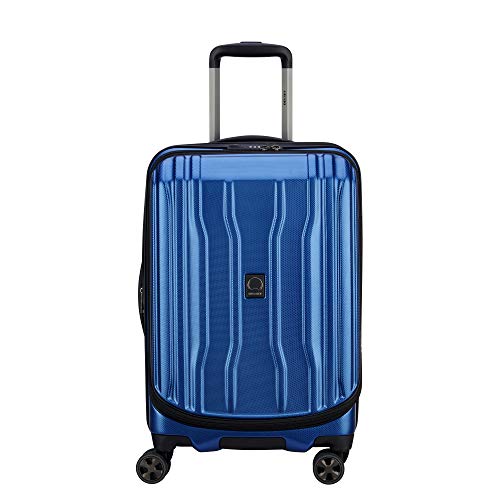
Where to Travel in Africa for Safari, Done Right

Where to travel in Africa for safari depends less on chasing the loudest name and more on matching the trip to the kind of wild moments that actually feel worth the miles. Some places serve wide-open plains, big cat drama, and that classic golden-grass scene people picture before the plane even lands. Others lean into quieter water channels, thick bush, desert-adapted wildlife, or small camps where the silence does half the talking. So, yes, the “right” safari spot isn’t one-size-fits-all, and honestly, that’s the fun of it.
East Africa often fits the dream of sweeping landscapes, heavy wildlife movement, and days that feel cinematic without trying too hard. Kenya and Tanzania bring strong big-game viewing, especially around famous ecosystems where lions, elephants, giraffes, zebras, and wildebeest shape the rhythm of the land. The tradeoff, though, is that popular routes can feel busy in peak travel periods, so a smart itinerary matters. A little breathing room, a well-placed lodge, and the right reserve can turn a packed circuit into something that still feels personal.
Southern Africa brings a different flavor, a bit more varied, sometimes easier to tailor, and often smoother for a first safari. South Africa works well when comfort, road access, food, wine, and wildlife need to sit nicely in the same trip. Botswana feels wilder, pricier, and more remote, with the Okavango Delta offering water-based safari moments that hit differently from a dusty game drive. Namibia, meanwhile, rewards patience with stark scenery, desert elephants, dramatic dunes, and a slower, moodier kind of beauty.
Safari planning gets better once the real frustrations are named. Long drives can drain the magic, bargain lodges may sit too far from strong wildlife zones, and a packed schedule can make every sunrise feel like a chore. On the flip side, paying more doesn’t automatically mean better sightings, because location, guide quality, season, and park rules carry serious weight. That’s where practical choices, not glossy promises, save the trip from feeling like a very expensive guessing game.
Where to travel in Africa for safari also shifts with comfort level, budget, and appetite for adventure. A first trip may feel easier in South Africa or Kenya, while a deeper wildlife-focused journey might point toward Tanzania, Botswana, Zambia, or Zimbabwe. For dramatic landscapes, Namibia punches above its weight, though wildlife can be more spread out. For raw walking safaris and a less polished edge, Zambia has grit, beauty, and that “well, this is real” feeling in the best way.
The smartest safari choice starts with the experience, not the brochure photo. Big cats, migration scenes, elephants, birdlife, luxury camps, private reserves, self-drive freedom, or remote silence all lead to different answers. Pick the wrong match and even a famous park can feel off. Pick the right one, and the trip stops being a checklist and starts feeling like a story you’ll keep replaying over coffee for years.

- TLR Rank10.0
TLR Rank is a ranking system developed by TravelLuggageReviews.com. TLR Rank has no relationship or impact from any manufacturers or sales agent websites. Learn more
- BrandFodor's Travel

- TLR Rank9.6
TLR Rank is a ranking system developed by TravelLuggageReviews.com. TLR Rank has no relationship or impact from any manufacturers or sales agent websites. Learn more
- BrandMajosta

- TLR Rank9.6
TLR Rank is a ranking system developed by TravelLuggageReviews.com. TLR Rank has no relationship or impact from any manufacturers or sales agent websites. Learn more
- BrandGlobe Pequot Press

- TLR Rank9.2
TLR Rank is a ranking system developed by TravelLuggageReviews.com. TLR Rank has no relationship or impact from any manufacturers or sales agent websites. Learn more
- BrandFodor's Travel

- TLR Rank9.2
TLR Rank is a ranking system developed by TravelLuggageReviews.com. TLR Rank has no relationship or impact from any manufacturers or sales agent websites. Learn more
- BrandFodor's Travel

- TLR Rank9.0
TLR Rank is a ranking system developed by TravelLuggageReviews.com. TLR Rank has no relationship or impact from any manufacturers or sales agent websites. Learn more
- BrandFodor's Travel

- TLR Rank8.8
TLR Rank is a ranking system developed by TravelLuggageReviews.com. TLR Rank has no relationship or impact from any manufacturers or sales agent websites. Learn more
- BrandN/A

- TLR Rank8.6
TLR Rank is a ranking system developed by TravelLuggageReviews.com. TLR Rank has no relationship or impact from any manufacturers or sales agent websites. Learn more
- BrandN/A

- TLR Rank6.6
TLR Rank is a ranking system developed by TravelLuggageReviews.com. TLR Rank has no relationship or impact from any manufacturers or sales agent websites. Learn more
- BrandSierra Club Books

- TLR Rank-
TLR Rank is a ranking system developed by TravelLuggageReviews.com. TLR Rank has no relationship or impact from any manufacturers or sales agent websites. Learn more
- BrandMajosta

- TLR Rank-
TLR Rank is a ranking system developed by TravelLuggageReviews.com. TLR Rank has no relationship or impact from any manufacturers or sales agent websites. Learn more
- BrandN/A

- TLR Rank-
TLR Rank is a ranking system developed by TravelLuggageReviews.com. TLR Rank has no relationship or impact from any manufacturers or sales agent websites. Learn more
- BrandN/A
Last update on 2026-09-08 / Affiliate links / Images, Product Titles, and Product Highlights from Amazon Product Advertising API
Where To Travel In Africa For Safari
A safari can sound simple from far away: pick a famous park, book a lodge, pack a camera, and wait for lions. Real trips get messier than that, especially once budget, season, comfort, wildlife goals, and travel fatigue start pulling in different directions. That is where where to travel in africa for safari becomes a practical decision instead of a dreamy map exercise. Pick well, and the trip feels roomy, alive, and worth every early wake-up.
Africa Safari Routes That Actually Fit
Where to travel in africa for safari depends on the kind of wildlife rhythm that feels exciting rather than exhausting. Some places deliver wide-open plains where sightings can feel almost cinematic, while others ask for slower attention in thicker bush or river country. The trick is matching animal density, travel pace, and lodge style before chasing a famous name. A big-name park can still feel wrong if the route is too rushed.
Kenya and Tanzania carry that classic safari image for a reason. The grasslands, predator movement, and herd activity can make a first safari feel satisfyingly big without needing much explanation. Still, popular circuits can get busy during peak months, and that can dull the magic if every sighting turns into a traffic jam. A smarter plan uses fewer stops, better reserves, and enough breathing room between drives.
South Africa often feels easier for a first safari because the logistics are less intimidating. Roads, lodges, food, and flight connections tend to be more straightforward, which matters after a long-haul trip. Private reserves near Kruger can add guided drives, comfortable camps, and strong wildlife viewing without asking travelers to rough it too hard. The tradeoff is that some areas feel more managed than remote.
Botswana, Zambia, Namibia, and Zimbabwe add texture for people who want a safari with more edge. Botswana leans expensive but gives back with remote camps, water channels, and quieter wildlife scenes. Zambia brings walking safaris and a rawer feel, while Namibia is better for desert landscapes and patient travelers who do not need animals around every bend. Zimbabwe can be rewarding too, especially around strong wildlife areas with fewer crowds than the busiest safari icons.
East Africa For Big Wildlife Drama
East Africa works beautifully when the dream is wide space, visible animals, and a landscape that feels bigger than daily life. Kenya’s Maasai Mara and Tanzania’s Serengeti sit at the center of that pull, especially for travelers hoping to see lions, cheetahs, elephants, and grazing herds in one trip. The scenery has a clean visual punch: golden grass, open sky, and animals moving across the frame. It feels familiar from documentaries, then much stranger and louder in person.
The Serengeti is not just one flat postcard, though many people picture it that way. Different regions shift with season, rainfall, and animal movement, so the right camp location matters a lot. A lodge that looks great online can sit far from the strongest activity at the wrong time of year. That is why seasonal planning can matter more than picking the fanciest tent.
Kenya’s private conservancies near the Maasai Mara can solve one of the most common safari frustrations: crowd pressure. These areas may allow more flexible guiding styles and fewer vehicles around sightings, depending on the conservancy rules. That can make a lion sighting feel less like a parking lot and more like a quiet privilege. For travelers packing light across bush flights and city stops, build a smarter luggage setup with a best 35 litre backpack so short transfers stay less annoying.
Tanzania pairs well with a bigger, slower itinerary. The Serengeti, Ngorongoro Crater, Tarangire, and sometimes Lake Manyara can create a trip with variety rather than one repeated game drive mood. Ngorongoro can feel busy, yes, but its enclosed wildlife bowl is still memorable when expectations are realistic. Tarangire often surprises people with elephants, baobabs, and a less frantic pace during the right season.
Southern Africa For Comfort And Variety
Southern Africa tends to suit travelers who want strong wildlife without feeling like every detail is hard work. South Africa, Botswana, Namibia, Zambia, and Zimbabwe each offer a different blend of access, scenery, guiding style, and cost. That variety helps when a safari needs to share space with wine regions, beaches, city time, or a family-friendly schedule. It also helps anyone nervous about long internal transfers and remote camp routines.
South Africa is often the easiest starting point because it can handle mixed expectations. One person may want serious wildlife, another may want good food, a soft bed, and fewer logistical headaches. Private reserves near Kruger can bring strong guiding and close-range sightings, while self-drive options inside national parks give more independence. The limitation is simple: popular areas can feel polished, and not every camp delivers the same sense of wilderness.
Botswana feels different right away. The Okavango Delta brings water, reeds, mokoro rides, and game drives that do not follow the same dusty rhythm as many classic savanna trips. Wildlife can be superb, but the value comes from remoteness, silence, and varied ways to move through the landscape. Prices often run higher because access, conservation models, and low-density tourism shape the experience.
Namibia is not the best pick for someone who wants nonstop animal action every morning. It shines for travelers who enjoy space, desert color, long roads, and odd little moments that do not feel packaged. Etosha can deliver strong dry-season wildlife around waterholes, while Sossusvlei brings those giant dune scenes that make the camera feel tiny. Packing gets tricky on trips with bush flights and dressier lodge dinners, so plan baggage carefully with a best size suitcase for 15kg before squeezing half the closet into one case.
Season And Wildlife Goals Matter More Than Hype
A safari destination can look wildly different from one month to the next. Dry season often makes animals easier to find because water sources shrink and vegetation thins out. Wet season can bring green landscapes, baby animals, birds, and fewer vehicles in some places, but roads may get trickier. So the better question is not just where to travel in africa for safari, but what the land is doing while you are there.
Big cat lovers usually think first about Kenya, Tanzania, South Africa, Botswana, or Zambia. That makes sense, but big cats are never vending-machine sightings. Strong guiding, the right habitat, and enough time in one place matter more than trying to cram five parks into a week. A slower route gives tracking, patience, and chance a fair shot.
Elephant-focused trips can point toward Botswana, Tanzania’s Tarangire, South Africa’s Kruger region, Zimbabwe’s Hwange, or parts of Zambia. Each place feels different, from riverbank herds to dry-season gatherings near water. Elephants are not just big animals to tick off a list, either. Their behavior around calves, mud, shade, and water gives a safari some of its most grounded, emotional moments.
The Great Migration pulls plenty of attention, but it is easy to misunderstand. It is a seasonal wildlife movement across a huge ecosystem, not one guaranteed scene waiting in one exact spot. River crossings, in particular, depend on animal behavior, weather, pressure, and luck. Travelers who treat migration travel as probability, not a promise, usually enjoy it more.
Budget Choices That Change The Whole Trip
Safari pricing can feel confusing because the cheapest and most expensive trips may both use the same famous park names. The real differences often hide in camp location, guide quality, vehicle comfort, transfer style, and how much time gets lost between places. A low price can be fair, but it can also mean sleeping far from the best wildlife zones. That extra drive time has a way of stealing the best light of the day.
Mid-range safaris can be excellent if the route is built with care. A modest lodge in a strong location often beats a flashier property sitting too far from the action. Travelers should look closely at whether drives happen inside a national park, private reserve, conservancy, or buffer area. Those details shape sighting quality, crowd levels, and how much freedom guides have.
Luxury safaris are not only about pretty rooms and better meals. In the best cases, the money buys space, stronger guiding, fewer vehicles, smoother transfers, and access to places with careful visitor limits. That can make a huge difference for nervous travelers, photographers, or anyone tired of rushed group tours. Still, a big price tag does not magically control wildlife, and realistic expectations keep disappointment from creeping in.
Clothing and packing costs deserve more attention than they usually get. Safari outfits do not need to look like a costume, but they do need to handle dust, cool mornings, warm afternoons, and small aircraft weight limits. Wrinkle-prone clothes can be annoying on longer routes with city dinners or lodge stops, so keep smarter pieces protected with a best garment bag checked luggage if the trip includes more than bush camps. Practical packing saves energy for the good stuff.
Where To Travel In Africa For Safari With Fewer Regrets
Safari planning gets easier once the first big choices are already handled, but the second half of the decision is where many trips either breathe or buckle. After sorting budget, season, and broad region, the next challenge is building a route that feels smooth on the ground. That means fewer wasted transfers, better camp locations, and a clear sense of what each stop is supposed to add. Where to travel in africa for safari should feel like a connected journey, not a scattered collection of famous names.
Private Reserves Can Change The Mood
Private reserves often solve the crowd problem that can sneak up on a first safari. A famous park may have strong wildlife, but too many vehicles around one leopard can flatten the thrill fast. Private or community-run areas may offer fewer vehicles, flexible guiding rules, and a calmer rhythm around sightings. The tradeoff is usually cost, so the value depends on how much space, quiet, and guide freedom matter to the trip.
South Africa’s private reserves near Kruger are a strong example of this difference. Game drives may feel more focused because guides can track animals with local knowledge and communicate with nearby vehicles. Some reserves allow off-road driving in controlled situations, which can help with careful viewing of big cats. Still, reserve quality varies, and a pretty lodge photo does not guarantee strong guiding or thoughtful wildlife practices.
Kenya’s conservancies near the Maasai Mara offer another smart route for travelers who want the classic East African feel with less crowd pressure. These areas can bring open plains, strong predator activity, and a more intimate camp atmosphere. They also support a style of travel where local land use and tourism need to work together, not fight each other. For long-haul routes with tight airline rules, protect the essentials with a best carry on luggage setup that keeps cameras, medication, and documents close.
Botswana takes the private-reserve idea into a more remote lane. Camps in concessions can feel wonderfully quiet, with drives, boat trips, or mokoro rides depending on the area and water levels. That kind of safari is less about racing from animal to animal and more about reading the whole landscape. Remote access costs more, but it can make each sighting feel less staged and more earned.
Match The Safari Style To Your Nerves
Safari style matters because not every traveler relaxes in the same kind of wild setting. Some people love the idea of a tiny bush camp with canvas walls and night sounds right outside. Others sleep better knowing there is a sturdier room, steady electricity, and a shorter drive back after sunset. Neither choice is wrong, but pretending comfort does not matter can turn a dream trip into a stiff-jawed endurance test.
Guided lodge safaris are usually the least stressful choice for a first serious trip. Meals, drives, transfers, and park rules are handled by people who know the area well. That removes a lot of guesswork, especially in places where road conditions, animal movement, and gate timing can complicate the day. The downside is less freedom, so independent travelers may feel boxed in by fixed schedules.
Self-drive safaris can be satisfying in places like South Africa or Namibia, where routes can be planned with more control. The appeal is obvious: stop where you want, linger at a waterhole, skip the lodge routine, and move at your own pace. But self-driving also means navigating, watching road rules, managing fuel, and accepting that guides often notice signs most visitors miss. Freedom feels great until a wrong turn eats the best hour of light.
Walking safaris bring a completely different nerve level. Zambia is especially known for this style, though walking experiences exist elsewhere too. The point is not chasing lions on foot like a movie scene; it is noticing tracks, wind direction, insects, plants, bones, and the small clues a vehicle can blur past. Walking safari trips suit people who want the bush to feel close, not just photogenic.
Build A Route That Does Not Wear You Out
Route design can make or break a safari faster than most people expect. A map may show two parks sitting fairly close, but rough roads, charter schedules, border crossings, or airport waits can stretch the move into a full-day grind. Too many stops create that airport-lounge feeling where the trip is technically impressive but emotionally thin. Fewer places, chosen well, usually beat a packed route built for bragging rights.
First-time safari travelers often underestimate how early the mornings start. Pre-dawn wake-ups can feel exciting for the first couple of days, then the fatigue sneaks in. Add heat, dust, bumpy drives, and late dinners, and even beautiful sightings can start to blur together. A good itinerary builds in rest, slower afternoons, and enough time for each camp to feel lived in.
Combining safari with city or beach time can help the whole trip feel balanced. South Africa pairs wildlife with Cape Town, wine country, or coastal stops more easily than many safari destinations. Tanzania can pair northern parks with Zanzibar, while Kenya can combine the Mara with the coast if travel time is handled carefully. The key is not adding a beach just because it sounds nice, but using it to recover after dusty mornings and long drives.
Security and luggage handling also deserve plain talk. Safari travel can involve small planes, camp transfers, hotel storage rooms, and several hands moving bags along the way. A simple lock will not solve every risk, but it can discourage casual tampering and keep zippers from sliding open in transit. For those practical travel days, use best tsa approved luggage locks to keep checked bags tidier without creating airport screening headaches.
Pick Camps For Location, Not Just Looks
Camp location matters more than the bathtub view, the welcome drink, or the dramatic deck photo. A beautiful camp sitting far from productive wildlife areas can waste the best morning and evening light. Strong locations reduce drive time and increase the chance of relaxed sightings. That does not guarantee animals on command, but it gives the trip better odds.
Look at what the camp actually offers in the field. Are drives shared with many other camps, or does the area limit vehicle numbers? Can guides operate after dark, or do park rules require everyone back by closing time? These details shape predator viewing, crowd levels, and how natural the day feels.
Food, comfort, and room style still matter, especially on longer trips. After several cold mornings and dusty drives, a hot shower and decent meal feel less like luxury and more like maintenance. But a camp should not be chosen only because it looks pretty on social media. Safari value lives in the guide, the land, the route, and the honest match between expectations and setting.
Ask what happens on a bad weather day or a quiet wildlife day. Good camps still make the bush feel interesting through tracking, birding, plants, local stories, and careful pacing. Weak camps rely too heavily on big sightings and run out of charm when animals stay hidden. A safari feels richer when small details count, not just lions and elephants.
Know The Tradeoffs Before You Book
Where to travel in africa for safari always involves tradeoffs, and the smartest trip accepts them early. Kenya and Tanzania offer huge drama, but popular areas can feel busy. South Africa is easier to plan, but some routes feel less remote. Botswana feels wild and quiet, but the price can bite hard.
Namibia rewards travelers who love scenery as much as animal density. The desert mood, long drives, and huge skies are part of the appeal, not an inconvenience to be ignored. Etosha can be strong in the dry season, yet Namibia as a whole is not built for constant close-up wildlife every hour. That makes it better for people who enjoy landscape, patience, and space.
Zambia and Zimbabwe can feel more grounded and less polished in the best way. Walking safaris, river settings, and serious guiding give these destinations a strong pull for repeat safari travelers. Roads and logistics may feel less seamless than South Africa or the most common East Africa routes. The reward is a safari with texture, quiet tension, and fewer canned moments.
The final decision should come down to the feeling you want at sunrise. Do you want open plains and big wildlife movement, or river country and quieter camps? Do you want comfort wrapped around the wild, or a trip that leaves a little dust in your shoes? Africa safari travel works best when the destination fits the nerves, budget, pace, and wildlife hopes behind the plan.


9 Best Travel Camping Table of 2026 For Uneven Ground
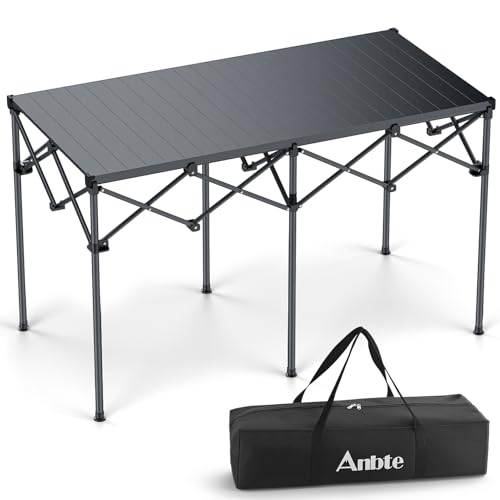
12 Best Heavy Duty Camping Table of 2026 That Will Not Wobble or Sag
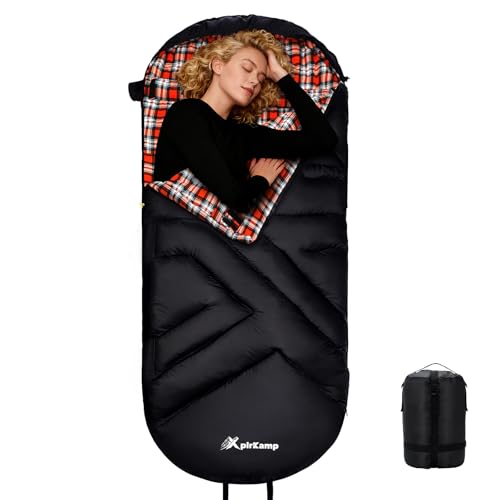
10 Best Sleeping Bags For Tall People of 2026 To Stretch Out Fully
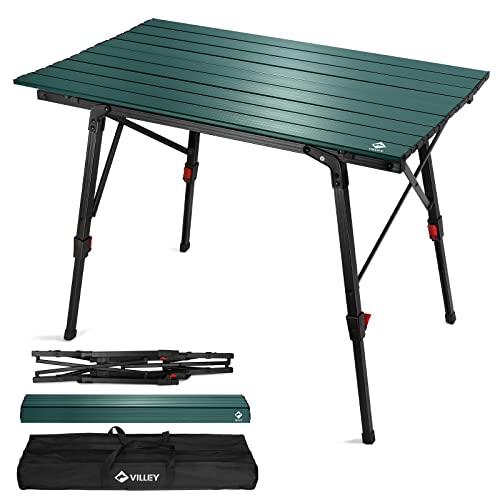
8 Best Camping Table Adjustable Legs of 2026 for Uneven Ground

10 Best Diaper Bag Backpacks For Dads of 2026 With Fast Gear Access

11 Best Framed Luggage of 2026 For Zipperless Security

11 Best Folding Two Wheeler For Luggage of 2026 To Prevent Tipping

11 Best Expandable Roller Luggage of 2026 That Fit Overhead Bins