where to travel in europe in december, cozy edition

December in Europe has a funny way of sorting trips into two camps: the ones that feel magical and the ones that feel like cold toes, long lines, and overpriced cocoa. The trick behind where to travel in europe in december isn’t chasing the loudest holiday market or the most photographed square. It’s matching the place to the mood, the weather, the budget, and the kind of winter day that won’t make plans fall apart by lunch.
Some cities shine because they lean into winter atmosphere without trying too hard. Vienna feels polished but not stiff, with concert halls, coffeehouses, and glowing streets that make early sunsets feel less annoying. Prague brings that storybook look, though the old town can get packed, so slower mornings and side-street cafés make the trip breathe. Budapest gives more room for the money, and the thermal baths hit differently after a windy walk along the Danube.
Snowy scenery needs a different mindset. Innsbruck, Salzburg, and parts of Switzerland can feel wildly pretty, but costs climb fast, and mountain weather doesn’t care about a tight checklist. That’s where realistic planning matters. Book fewer transfers, leave breathing room between train rides, and don’t build the whole trip around one perfect snow day. Europe in December rewards flexible travelers, not overstuffed spreadsheets.
Warmer corners deserve a seat at the table too. Lisbon, Seville, Malta, and the Canary Islands won’t give the classic snow-globe feeling, but they offer milder weather, brighter afternoons, and meals outside without pretending winter vanished completely. They’re smart picks for anyone tired of gray skies, especially when museums, markets, and neighborhood walks matter more than ski slopes. Still, evenings can feel chilly, so packing layers isn’t optional.
Christmas markets can be lovely, no doubt, but they’re better as a bonus than the whole reason for going. Strasbourg, Cologne, Munich, and Tallinn bring strong festive energy, yet crowds can turn charming lanes into a slow shuffle. A better plan is mixing holiday lights with everyday pleasures: bakeries, bookstores, river walks, local dinners, and one or two quieter neighborhoods. That balance keeps the trip from feeling like a souvenir hunt with frostbite.
The smartest answer to where to travel in europe in december depends on whether the trip needs romance, value, snow, food, sunshine, or pure Christmas-card drama. Pick Vienna or Prague for classic beauty, Budapest for value and baths, Strasbourg or Cologne for market buzz, Lapland for Arctic wonder, and Lisbon or Seville for softer weather. Each choice has tradeoffs, but that’s the whole point. A good December trip doesn’t need to be flawless; it just needs the right kind of winter.

- TLR Rank10.0
TLR Rank is a ranking system developed by TravelLuggageReviews.com. TLR Rank has no relationship or impact from any manufacturers or sales agent websites. Learn more
- BrandN/A

- TLR Rank10.0
TLR Rank is a ranking system developed by TravelLuggageReviews.com. TLR Rank has no relationship or impact from any manufacturers or sales agent websites. Learn more
- BrandN/A

- TLR Rank9.4
TLR Rank is a ranking system developed by TravelLuggageReviews.com. TLR Rank has no relationship or impact from any manufacturers or sales agent websites. Learn more
- BrandRick Steves

- TLR Rank9.4
TLR Rank is a ranking system developed by TravelLuggageReviews.com. TLR Rank has no relationship or impact from any manufacturers or sales agent websites. Learn more
- BrandRick Steves

- TLR Rank9.2
TLR Rank is a ranking system developed by TravelLuggageReviews.com. TLR Rank has no relationship or impact from any manufacturers or sales agent websites. Learn more
- BrandLonely Planet

- TLR Rank9.2
TLR Rank is a ranking system developed by TravelLuggageReviews.com. TLR Rank has no relationship or impact from any manufacturers or sales agent websites. Learn more
- BrandN/A

- TLR Rank9.2
TLR Rank is a ranking system developed by TravelLuggageReviews.com. TLR Rank has no relationship or impact from any manufacturers or sales agent websites. Learn more
- BrandFodor's Travel

- TLR Rank9.0
TLR Rank is a ranking system developed by TravelLuggageReviews.com. TLR Rank has no relationship or impact from any manufacturers or sales agent websites. Learn more
- BrandSkyhorse

- TLR Rank8.4
TLR Rank is a ranking system developed by TravelLuggageReviews.com. TLR Rank has no relationship or impact from any manufacturers or sales agent websites. Learn more
- BrandLonely Planet

- TLR Rank-
TLR Rank is a ranking system developed by TravelLuggageReviews.com. TLR Rank has no relationship or impact from any manufacturers or sales agent websites. Learn more
- BrandN/A

- TLR Rank-
TLR Rank is a ranking system developed by TravelLuggageReviews.com. TLR Rank has no relationship or impact from any manufacturers or sales agent websites. Learn more
- BrandN/A
Last update on 2026-09-07 / Affiliate links / Images, Product Titles, and Product Highlights from Amazon Product Advertising API
Where To Travel In Europe In December
Cold mornings, early sunsets, and suitcase space that suddenly feels too small can make a winter trip feel trickier than it looked on the calendar. Still, where to travel in europe in december becomes a much easier question once the trip is built around comfort, mood, and realistic movement instead of chasing every postcard scene. Europe can feel wildly different from one border to the next in December, so the smartest route isn’t always the flashiest one. The better move is picking places where winter weather, local atmosphere, and travel logistics work together instead of fighting the whole plan.
December Europe Travel
December travel in Europe asks for a little honesty right from the start. A city can look gorgeous in photos and still feel exhausting if every plan depends on standing outside for hours. The sweet spot is a destination with indoor comfort, walkable streets, and enough seasonal charm to make the cold feel like part of the deal. That’s why places with strong café culture, museums, baths, music, markets, or short scenic routes often feel better than destinations built around one weather-dependent attraction.
Travelers often imagine December as snow, lights, and hot drinks, but the reality comes with tradeoffs. Flights can jump around holiday dates, hotels near old towns fill quickly, and famous markets can turn narrow streets into a slow shuffle. A good December plan leaves room for slower mornings, warm breaks, and backup ideas when rain or wind crashes the party. That doesn’t make the trip less exciting; it makes the trip less fragile.
Classic winter cities still earn their place, though. Vienna, Prague, Budapest, Strasbourg, Cologne, Tallinn, Salzburg, and Copenhagen each bring a different flavor of December, from polished concert halls to candlelit old squares. The key is choosing based on daily rhythm, not just scenery. A trip packed with five cities in seven days might sound efficient, but in winter it can feel like dragging luggage through wet cobblestones for sport.
Packing becomes part of the strategy too. A bulky coat helps, sure, but layering matters more when trains, museums, restaurants, and markets all have different temperatures. Anyone planning tight cabin luggage should think hard about shoes, gloves, and a compact day bag before adding another sweater. For smoother airport days, protect your winter essentials with best suitcase for cabin crew so bulky layers don’t turn every transfer into a wrestling match.
Best Cities For Festive Streets
Vienna feels like December dressed properly. The city has markets, yes, but the stronger pull is the way music halls, coffeehouses, and grand streets soften the dark afternoons. A cold day can move from a palace visit to a thick slice of cake without feeling like a compromise. It’s polished, sometimes pricey, but rarely boring if the itinerary leaves space to wander.
Prague brings a more dramatic look, with towers, bridges, and old lanes that seem built for winter light. The catch is crowd pressure around the central squares, especially near Christmas. Walking early, eating away from the busiest corners, and treating the Charles Bridge as a sunrise stop can make a huge difference. The reward is storybook scenery without letting the whole trip become one long queue.
Strasbourg and Colmar lean hard into the festive mood, and that can be wonderful if expectations stay grounded. The timbered houses, lights, and market stalls create a strong seasonal feel, but weekends get dense fast. Staying nearby or visiting on weekdays helps keep the experience more relaxed. For anyone chasing Christmas market atmosphere, Alsace delivers, but it works best with patience and warm socks.
Cologne offers a different kind of December energy. Its markets sit around big landmarks, and the cathedral gives the whole city a bold winter backdrop. It’s less delicate than some smaller towns, yet that helps if the plan includes food, beer halls, river walks, and easy train connections. The city suits travelers who want festive buzz without needing every corner to look like a snow globe.
Snowy Escapes That Feel Worth It
Snow can make Europe feel cinematic, but it also makes travel less predictable. Innsbruck is a strong pick because the mountains feel close without forcing every day into ski logistics. The city center is compact, the views are sharp, and there are enough indoor stops for rough weather. That balance gives Alpine scenery without turning the whole trip into a gear-heavy expedition.
Salzburg brings a softer winter mood. The old town, music history, nearby lakes, and mountain access make it easy to build a trip around beauty rather than speed. Snow isn’t guaranteed in the center, so the better approach is planning for winter charm first and treating snowfall as a bonus. That mindset keeps disappointment from sneaking in if the streets look more damp than white.
Switzerland can be stunning in December, but the budget needs clear eyes. Zermatt, Lucerne, Interlaken, and mountain rail routes can create unforgettable days, yet meals, hotels, and transport add up quickly. It’s smart to choose fewer bases and avoid constant transfers. A focused Swiss route gives more value because scenic trains, lake towns, and mountain views need time, not a frantic checklist.
Lapland sits in its own category. Northern Finland can offer huskies, frozen forests, sauna culture, and a real Arctic feel, but daylight is limited and prices can bite during peak dates. The best trips here are built around weather flexibility, proper clothing, and realistic expectations about the northern lights. Nature doesn’t perform on command, and honestly, that’s part of the deal.
Warmer European December Ideas
Not every December trip needs snow to feel special. Lisbon gives travelers brighter days, tiled streets, river views, and food that doesn’t require thawing your hands between bites. Evenings can still feel cool, but the overall rhythm is easier than northern Europe. For a winter break with milder weather and plenty of personality, Lisbon makes a lot of sense.
Seville offers another smart escape for travelers who want culture without deep winter discomfort. Orange trees, tapas bars, flamenco venues, and palace courtyards give the city a warm glow even when temperatures dip at night. It won’t feel like a classic Christmas market trip, and that’s fine. The appeal sits in walkable neighborhoods, long lunches, and a pace that doesn’t punish slow travelers.
Malta works well for history-heavy winter travel. Valletta, Mdina, coastal views, and ferry rides can fill several days without the icy edge of northern capitals. Swimming may not be the main event, so the trip should lean into fortified cities, sea views, and relaxed meals. A light jacket still belongs in the bag because wind near the water can feel sharper than expected.
The Canary Islands are the strongest bet for sunshine seekers who still want Europe on the itinerary. Tenerife, Gran Canaria, Lanzarote, and Fuerteventura each suit different moods, from volcanic hikes to beach towns. The tradeoff is distance from mainland Europe and a less traditional festive feel. Still, for winter sun, outdoor dining, and easier packing, the islands make December feel less gray.
Smart Routes For Less Stress
A December Europe route should be shorter than a summer route. Cold weather adds friction, and so do holiday crowds, bulky bags, and earlier sunsets. Two or three bases often feel better than five quick stops. That structure protects energy, budget control, and the little moments that make winter travel worth remembering.
A strong first route pairs Vienna, Salzburg, and Munich. The trains are manageable, the winter mood stays consistent, and each stop has a different personality. Vienna brings elegance, Salzburg adds mountain flavor, and Munich gives beer halls, markets, museums, and easy day trips. This route works because transport time stays reasonable while the scenery keeps changing.
A second route could connect Prague, Dresden, and Berlin. Prague gives the romance, Dresden adds baroque beauty and seasonal markets, and Berlin brings museums, food, nightlife, and a more modern edge. The mood shifts nicely without forcing long travel days. A laptop or camera-heavy traveler can keep tech safer and easier to carry by packing city gear in a best running backpack for laptop before hopping between stations.
A warmer route might link Lisbon, Porto, and Seville, though the jump into Spain needs planning. This trip trades snow for food, tiled streets, river views, and softer daylight. It’s a good fit for travelers who want culture without constant cold. The pace feels more forgiving, especially for anyone who gets tired of heavy coats and crowded holiday streets.
Budget Choices That Still Feel Rich
Budapest is one of the best value picks for December because the city gives a lot without demanding a luxury budget. Thermal baths, grand cafés, river views, ruin bars, and holiday lights create full days with plenty of indoor warmth. The city can be cold, but the baths make that cold feel less annoying. For winter value, Budapest punches above its price.
Kraków also deserves attention. The old town, food scene, historic sites, and day trip options make it practical for travelers who want depth without the price tag of Western Europe. December can be cold, sometimes very cold, so the itinerary needs warm breaks and sturdy shoes. Still, the city rewards slow exploring with character, history, and hearty meals that feel made for winter.
Porto gives a different kind of value. It’s moody, hilly, beautiful, and often easier on the wallet than many famous capitals. Rain is possible, so the trip should include wine cellars, tiled churches, riverfront meals, and flexible walking plans. The payoff is atmosphere without the heavy holiday markup found in some major market cities.
Travel gear can quietly affect the budget too. A bag that’s awkward on stairs, trains, or cobblestones can turn cheap transport into a daily headache. For short winter hops, organize shoes, layers, and toiletries with best small gym duffel bag so quick hotel changes don’t become a messy unpacking ritual. Small choices like that keep the trip feeling lean instead of chaotic.
Weather, Crowds, And Better Timing
December rewards travelers who respect timing. Early December often feels calmer than the holiday rush, while the days around Christmas and New Year can bring higher prices and packed streets. Some markets close right after Christmas, so dates matter more than people expect. A good plan checks market schedules, museum hours, and transport changes before locking the route.
Weather also changes the shape of each day. Northern cities may be dark by late afternoon, which means the best outdoor walks belong earlier. Museums, cafés, baths, concerts, and restaurants should carry the evening plan. That rhythm turns short daylight into a feature instead of a frustration.
Crowds feel different in winter because everyone gathers in the same warm or festive places. Famous squares, market lanes, and narrow bridges can get clogged, especially on weekends. A smart traveler moves one block away from the crush, eats earlier or later, and saves headline sights for off-peak hours. That simple shift protects patience and keeps the trip from feeling like a slow-moving line.
December in Europe isn’t one single mood. It can be snowy, rainy, sunny, crowded, quiet, expensive, affordable, romantic, practical, or all of those in the same week. The best answer to where to travel in europe in december depends on which tradeoffs feel acceptable. Pick the destination that matches the trip’s real rhythm, then let the season do the rest.
Best Places To Visit In Europe In December For Winter Trips
After the route feels manageable, the next headache is usually the tiny stuff that can make a winter trip smooth or weirdly tiring. December travel asks for warmer layers, shorter outdoor blocks, and a plan that doesn’t fall apart when rain shows up sideways. The best places to visit in Europe in December are not always the loudest names on social media. They’re the places where food, transport, scenery, and indoor comfort all pull in the same direction.
Build Days Around Warm Breaks
A strong December itinerary doesn’t run from one outdoor landmark to the next like it’s July. Cold air drains energy faster, especially after a long flight or an early train. Smart days use warm cafés, museums, and covered markets as anchors between walks. That rhythm keeps the trip fun instead of turning it into a test of endurance.
Vienna handles this style beautifully because the city gives you reasons to step inside without feeling like you’re hiding from the weather. Coffeehouses, galleries, churches, and concert venues create natural pauses through the day. You can walk a grand boulevard, warm up with cake, then head back out once your hands stop complaining. That’s the quiet beauty of winter city travel.
Budapest takes a more relaxed approach, and honestly, that can feel like a relief. Thermal baths make cold weather less intimidating, while the riverfront and market halls fill the gaps between bigger plans. The city feels practical for December because it doesn’t rely on one single attraction to carry the whole trip. With thermal baths and affordable food, the day has built-in recovery points.
Prague needs more patience because the prettiest areas are also the busiest. Still, a slower route through side streets, smaller churches, and tucked-away cafés can make the city feel personal again. Early walks help, and so does avoiding the exact center during peak hours. The reward is old-world atmosphere without spending the whole day shoulder to shoulder.
Pack For Trains, Stairs, And Wet Streets
December packing in Europe is less about bringing more and more about bringing the right things. Cobblestones, train platforms, small hotel elevators, and wet sidewalks can make oversized luggage feel like a punishment. A compact setup matters, especially on trips with multiple cities. For short hops and tight hotel rooms, keep essentials tidy with a best mini suitcase so winter layers don’t swallow the whole room.
Shoes deserve more attention than almost anything else. Pretty boots can become a bad joke after two rainy days, and thin soles feel awful on frozen pavement. A pair with good grip, water resistance, and enough comfort for long walks is worth the suitcase space. Europe in December rewards practical footwear more than perfect outfits.
Layers also need a little strategy. A heavy coat helps outside, but trains, restaurants, and museums can feel much warmer than expected. Thin thermal layers, a scarf, gloves, and a packable sweater usually work better than stuffing the bag with bulky pieces. That gives the trip flexibility without forcing constant outfit changes.
Bags should be easy to lift because winter travel brings more stairs than people expect. Historic hotels may have tiny elevators, train stations may involve platform changes, and old-town streets rarely care about spinner wheels. For longer routes across borders, manage weight with large lightweight luggage so the bag stays useful without becoming a second workout. A lighter setup protects energy for the actual trip.
Match The City To The Mood
Not every December traveler wants the same kind of Europe. Some want markets, lights, and old squares, while others just want decent weather and good meals without freezing through dinner. That difference matters. The right destination should match travel style, weather tolerance, and the pace that feels enjoyable.
For classic Christmas scenery, Strasbourg, Cologne, Tallinn, and Salzburg make strong sense. They bring lights, stalls, music, and a festive mood that feels baked into the streets. The tradeoff is crowding, especially near weekends and major holiday dates. A better plan is to treat Christmas markets as one part of the day, not the whole reason for breathing cold air for hours.
For a gentler winter, Lisbon, Seville, Malta, and the Canary Islands shift the whole mood. You won’t get the same snowy postcard look, but you’ll gain brighter afternoons, easier walks, and more outdoor meals. That can be a smarter emotional fit for anyone tired of gray weather before the trip even starts. Milder destinations can still feel seasonal without making every outing a battle with wind.
For scenery, Innsbruck, Lucerne, Zermatt, and Lapland bring the drama. These places can feel unforgettable, but they also demand more budget awareness and weather flexibility. Snowy views are never guaranteed on a traveler’s schedule, and mountain transport can get expensive quickly. The best mindset is planned flexibility, not a rigid checklist.
Handle Holiday Crowds Without Losing Patience
December crowds can feel more intense because everyone wants the same cozy streets at the same time. Famous squares, market alleys, and riverside photo spots often jam up after sunset. Moving earlier, eating slightly off schedule, and staying a few blocks away from the main square can change the whole trip. Small timing shifts protect comfort and patience.
Hotels deserve careful placement too. A cheap room far outside the center may look smart until cold nights make every return trip feel longer. A central or well-connected base often saves energy, even if the nightly rate is a bit higher. In winter, location can matter more than an extra amenity you barely use.
Restaurants should not be left to chance during busy holiday weeks. Popular spots fill up, and wandering hungry in freezing weather gets old fast. Booking one or two key dinners gives the trip structure without making every meal feel scheduled. That balance keeps food plans relaxed but not risky.
Markets are more enjoyable with a loose route. Walk through, grab one thing that actually sounds good, then leave before the crowd turns the mood sour. The best memories often come from the smaller street nearby, not the busiest stall with the longest line. December travel feels better when seasonal charm doesn’t become a forced performance.
Use Weather As A Planning Tool
Weather should shape the day, not ruin it. A rainy morning can become a museum block, a clear afternoon can become the long walk, and a cold evening can be saved for music, baths, or a slow dinner. That sounds simple, but it keeps the trip from feeling constantly interrupted. Flexible planning is the real winter travel skill.
In northern cities, daylight disappears early, so outdoor sights need priority before mid-afternoon. Copenhagen, Tallinn, Stockholm, and Helsinki can feel moody and beautiful, but the short days are real. Planning one main outdoor goal per day helps avoid disappointment. Then the rest of the schedule can lean on indoor culture and food.
In central Europe, temperatures can swing between crisp, damp, and properly cold. Vienna, Prague, Munich, and Budapest all benefit from layered days with easy exits from bad weather. Keep the hardest walking for the clearest stretch of the forecast. That approach makes winter sightseeing feel thoughtful instead of stubborn.
Southern Europe has its own surprises. Lisbon and Seville may feel mild, but evenings still cool down, and rain can show up without much drama. A light jacket, comfortable shoes, and one indoor backup keep the day steady. Warm-ish December travel still needs practical packing, just with fewer heavy layers.
Plan A Route That Feels Like A Real Vacation
A good December Europe trip should leave breathing room. Tight routes look neat on paper, but winter adds delays, slow mornings, and extra clothing logistics. Fewer bases usually mean better meals, calmer walks, and less time staring at departure boards. The goal is depth, not bragging rights.
A cozy central route could link Vienna, Salzburg, and Budapest. That mix gives grand architecture, mountain flavor, and thermal-bath comfort without forcing huge travel jumps. Each city brings a different texture, which keeps the trip from blending together. It also supports easy train travel and practical winter pacing.
A festive route could focus on Strasbourg, Colmar, and Basel or Freiburg. The distances stay reasonable, and the holiday mood stays strong without needing a new country every day. This works best on weekdays if possible, since weekends bring heavier crowds. The route gives market charm with fewer frantic transfers.
A warmer route could pair Lisbon and Porto, or Seville and Granada. These trips trade snowy drama for food, architecture, and more forgiving weather. They’re especially good for slow walkers, café lovers, and anyone who wants culture without numb fingers. The smartest December trip is the one that fits real energy, real budget, and the kind of winter you actually want to remember.


9 Best Travel Camping Table of 2026 For Uneven Ground

12 Best Heavy Duty Camping Table of 2026 That Will Not Wobble or Sag

10 Best Sleeping Bags For Tall People of 2026 To Stretch Out Fully
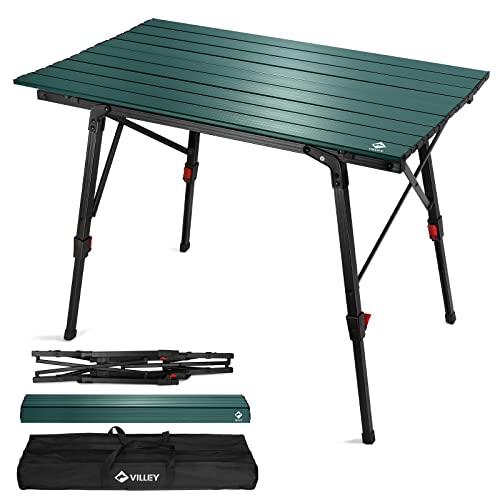
8 Best Camping Table Adjustable Legs of 2026 for Uneven Ground

10 Best Diaper Bag Backpacks For Dads of 2026 With Fast Gear Access

11 Best Framed Luggage of 2026 For Zipperless Security

11 Best Folding Two Wheeler For Luggage of 2026 To Prevent Tipping

11 Best Expandable Roller Luggage of 2026 That Fit Overhead Bins