Where To Travel In Europe In October Feels Right

Where to travel in europe in october gets tricky in the best possible way, because the continent doesn’t move in one mood. Some places still hold onto beach weather, while others lean hard into wool coats, candlelit dinners, and golden leaves stuck to old stone streets. That mix can feel like a blessing, or honestly, a bit of a headache, especially with flights, packing, and weather apps all pulling in different directions. The sweet spot is picking a place that matches the kind of trip you actually want, not the one that looks loudest on social media.
Southern Europe usually makes the decision easier for anyone craving milder days without the full summer circus. Lisbon, Seville, Sicily, Crete, Malta, and parts of the Algarve can still feel bright and generous, though evenings may ask for a light jacket. The tradeoff is simple: you’ll get fewer shoulder-to-shoulder crowds, but you shouldn’t expect every beach bar or ferry route to run like peak season. Still, for wandering old neighborhoods, eating outside, and squeezing in coastal views, october travel can feel like finding money in an old jacket.
Central Europe brings a different kind of payoff. Prague, Vienna, Budapest, Munich, and Salzburg shift into a moodier rhythm, with parks turning amber and café culture suddenly making a lot more sense. Crisp air makes long walks feel less punishing, and museums become a pleasure instead of an escape from heat. The catch, sure, is that rain may crash the party, so flexible planning matters more than a packed schedule.
For scenery, the Alps and nearby lake towns can be stunning, though they ask for realistic expectations. Switzerland, northern Italy, Slovenia, and Austria often show off sharp mountain views, quiet trails, and villages that feel freshly rinsed after rain. Some lifts, huts, or high routes may close between seasons, so the smartest plan leans into lakeside walks, train rides, spa towns, and lower-elevation hikes. That’s where where to travel in europe in october becomes less about chasing perfect weather and more about choosing the right pace.
Food-focused trips also shine in October. Tuscany, Burgundy, Porto, the Basque Country, and Croatia’s Istria region bring harvest energy without needing a scripted itinerary. Markets feel richer, menus get earthier, and a simple lunch can turn into the thing you remember most. Well, that’s the charm: autumn in Europe rewards slow mornings, local dishes, and plans loose enough to follow the smell of bread, coffee, or roasted chestnuts around the corner.

- TLR Rank10.0
TLR Rank is a ranking system developed by TravelLuggageReviews.com. TLR Rank has no relationship or impact from any manufacturers or sales agent websites. Learn more
- BrandN/A

- TLR Rank10.0
TLR Rank is a ranking system developed by TravelLuggageReviews.com. TLR Rank has no relationship or impact from any manufacturers or sales agent websites. Learn more
- BrandMajosta

- TLR Rank10.0
TLR Rank is a ranking system developed by TravelLuggageReviews.com. TLR Rank has no relationship or impact from any manufacturers or sales agent websites. Learn more
- BrandMoon Travel

- TLR Rank10.0
TLR Rank is a ranking system developed by TravelLuggageReviews.com. TLR Rank has no relationship or impact from any manufacturers or sales agent websites. Learn more
- BrandMajosta

- TLR Rank10.0
TLR Rank is a ranking system developed by TravelLuggageReviews.com. TLR Rank has no relationship or impact from any manufacturers or sales agent websites. Learn more
- BrandN/A

- TLR Rank9.4
TLR Rank is a ranking system developed by TravelLuggageReviews.com. TLR Rank has no relationship or impact from any manufacturers or sales agent websites. Learn more
- BrandRick Steves

- TLR Rank9.4
TLR Rank is a ranking system developed by TravelLuggageReviews.com. TLR Rank has no relationship or impact from any manufacturers or sales agent websites. Learn more
- BrandVintage

- TLR Rank9.2
TLR Rank is a ranking system developed by TravelLuggageReviews.com. TLR Rank has no relationship or impact from any manufacturers or sales agent websites. Learn more
- BrandAudible

- TLR Rank9.2
TLR Rank is a ranking system developed by TravelLuggageReviews.com. TLR Rank has no relationship or impact from any manufacturers or sales agent websites. Learn more
- BrandFodor's Travel

- TLR Rank6.0
TLR Rank is a ranking system developed by TravelLuggageReviews.com. TLR Rank has no relationship or impact from any manufacturers or sales agent websites. Learn more
- BrandN/A
Last update on 2026-09-06 / Affiliate links / Images, Product Titles, and Product Highlights from Amazon Product Advertising API
Where To Travel In Europe In October
Cooler mornings, cheaper-looking calendars, and fewer packed squares can make autumn travel feel like a clever move, but only if the destination matches the mood. The real trick with where to travel in europe in october is balancing weather swings, open attractions, and the kind of trip that won’t feel half-asleep after summer ends. Some cities glow in gray skies, while some islands still hold enough warmth for seaside lunches. Pick with a little care, and October stops feeling like a backup month.
October rewards plans with breathing room. A rigid day-by-day route can fall apart fast if rain rolls into the Alps or a coastal ferry runs on a thinner schedule. So the smarter play is building a trip around flexible cities, seasonal food, and neighborhoods that still feel alive without peak-season noise. That’s where Europe gets fun, because the best October places don’t need perfect sunshine to make a day feel full.
The big win is comfort. You can walk Rome without melting, sit longer in a Lisbon café without battling a summer crowd, and take a Vienna museum day without feeling like you wasted beach weather. Flights and hotels may still bounce around in price, sure, but shoulder season travel often gives more room to maneuver. Pack layers, leave space in the schedule, and the whole trip starts to feel less frantic.
Still, October isn’t one neat answer. Northern Europe can feel moody and cinematic, southern Europe can stay bright and mild, and central Europe can serve up the full sweater-and-café fantasy. The right choice depends on whether you want warm coastlines, fall foliage, food markets, museum days, or slower old-town wandering. That’s why the best route starts with the feeling first, then the map.
Choose Southern Europe For Softer Sun
Southern Europe is the easy bet for anyone who wants warmth without summer’s elbow-to-elbow energy. Lisbon, Seville, Sicily, Crete, Malta, and parts of southern France can still feel generous in October, especially during the day. You won’t always get beach-trip certainty, but you’ll often get pleasant walking weather, long lunches outside, and a pace that feels more local. That matters when the whole point is enjoying the place instead of surviving the heat.
Lisbon works beautifully because it doesn’t depend on one single attraction. Rain can show up, but the city still gives you tiled streets, viewpoints, bakeries, seafood, tram rides, and neighborhoods with enough texture to carry a gray afternoon. The hills are easier without July heat pressing down, and the evenings have that slightly scruffy, cozy edge. For a practical travel day, comfortable shoes and a small umbrella beat a packed checklist every time.
Seville and southern Spain bring a warmer, drier feel, though midday sun can still surprise you. The city’s courtyards, tapas bars, orange trees, and shaded lanes make October feel loose and lived-in. You can slow down without feeling lazy, which is a gift after months of travel advice shouting about “must-see” everything. The tradeoff is that popular landmarks still deserve advance booking, because softer crowds don’t mean empty streets.
Greek islands and coastal Italy need a sharper eye. Crete and Sicily can be wonderful in October, but smaller resorts may run quieter, and ferry schedules can thin out. That isn’t a problem if the plan leans into old towns, food, ruins, coastal drives, and simple sea views instead of nonstop beach clubs. To keep packing sane for longer routes, build your luggage plan around real movement with best suitcase for 3 week trip before dragging half your closet across cobblestones.
Pick Classic Cities For Rainy-Day Backup
October city breaks work because a little weather doesn’t wreck the whole trip. Paris, Vienna, Budapest, Prague, Amsterdam, and Rome all have enough indoor depth to save a rainy day without making the itinerary feel like damage control. Museums, cafés, markets, churches, bookshops, music halls, and neighborhood walks give you options. That kind of built-in flexibility is gold when forecasts change every time you refresh the app.
Vienna feels especially right in October. The city has parks for fall color, coffeehouses for long pauses, and museums that don’t feel like a backup plan. You can spend a morning outside, slide indoors after a shower, then come back out for a warm dinner and a slow walk under streetlights. It’s polished, yes, but not boring, because autumn atmosphere gives the whole place a softer edge.
Budapest offers a slightly grittier rhythm, and that can be more memorable than a perfectly manicured city break. Thermal baths make sense in cooler weather, ruin bars feel lively without summer chaos, and the Danube views hit differently with low light and jackets. The city also gives strong value compared with many Western European capitals. For October, that mix of comfort, culture, and cost control is hard to ignore.
Rome is a strong choice for travelers who want history without the full summer squeeze. The heat drops, the food gets richer, and long walks through layered neighborhoods feel less punishing. Crowds still exist, because Rome is Rome, but the city breathes better in October. Build in slow meals and unplanned corners, because the best Roman days often happen between the famous stops.
Use Harvest Season For Food-First Trips
October turns food into a reason to travel, not just a nice extra. Tuscany, Burgundy, Porto, Rioja, Istria, and the Basque Country all lean into harvest energy, deeper flavors, and markets that feel less staged. The mood shifts from cold drinks and quick sightseeing to long meals, earthy dishes, and local bottles that make sense with the season. For anyone tired of rushed itineraries, food-first travel gives the day a natural shape.
Tuscany is a good example because it doesn’t need constant sunshine to feel rewarding. Vineyards change color, hill towns feel calmer, and a simple plate of pasta can carry more emotional weight than another crowded viewpoint. You’ll still need reservations for certain restaurants, especially in well-known towns, but the pace is more forgiving. The best approach is choosing a base, then using short drives or train rides instead of hopping hotels every night.
Portugal’s Douro Valley and Porto also fit October nicely. The river views, cellars, tiled streets, and hearty food pair well with cooler evenings. Rain is possible, and that’s not a tiny footnote, so waterproof layers matter more than a fantasy packing list. Keep your gear dry on mixed-weather routes with best waterproof duffel bags for travel if your trip includes trains, boat rides, or rural stays.
Istria in Croatia and the Basque Country in Spain bring a different kind of pleasure. These places suit travelers who would rather chase truffles, seafood, pintxos, olive oil, and small-town wandering than stand in another mega-line. October can feel quieter, but not dead, especially in towns with real local life. The payoff is seasonal eating that feels tied to the place, not pasted onto it for visitors.
Lean Into Fall Color Without Overplanning
Fall foliage in Europe can be gorgeous, but it’s not a machine. Weather, elevation, rainfall, and timing all affect what you’ll see, so chasing one perfect week can make the trip feel weirdly stressful. A better plan is choosing places that still work even if the leaves are early, late, or a little muted. That makes fall color a bonus instead of the only reason the trip works.
Slovenia is a strong October pick because it mixes lakes, mountains, caves, small cities, and short travel distances. Lake Bled can look storybook-pretty, but the real value is having nearby alternatives if weather shifts. Ljubljana gives you cafés, markets, and riverside walks, while lower-elevation hikes can still be comfortable. The key is staying flexible and treating mountain weather with respect.
Austria also shines during autumn, especially around Salzburg, the Wachau Valley, and lake regions where villages sit between water and hills. Some alpine lifts or huts may close between seasons, so don’t build the whole trip around high-altitude access. Instead, mix train rides, old towns, easy walks, and indoor culture. That balance keeps the trip steady when October conditions decide to act up.
Scotland, the Lake District, and parts of Ireland can look dramatic in October, though they ask for a tougher attitude toward rain. These trips suit travelers who don’t mind muddy boots, pub evenings, and skies that change their mind every half hour. Waterproof outerwear earns its place here, and so does a slower schedule. For work-heavy gear or unusual travel equipment, compare packing durability with best suitcase welder before committing to a rougher route.
Balance Coastlines With Realistic Weather
Coastal Europe in October can be a dream, but it helps to be honest about what kind of beach trip you’re booking. Mallorca, Sardinia, the Algarve, Cyprus, Crete, and the French Riviera may still offer bright days, yet sea conditions and rain patterns can vary. A trip built only around swimming may feel risky. A trip built around coastal walks, seafood, old towns, viewpoints, and occasional beach time feels much sturdier.
The Algarve works well because it has cliffs, towns, beaches, and enough infrastructure to keep things comfortable outside peak season. You can walk the coast in cooler air, eat grilled fish without a long wait, and drive between towns without summer traffic making you grumpy. Some businesses may shorten hours, but the region doesn’t shut down completely. That mix gives october travel a relaxed rhythm without feeling empty.
Cyprus and Crete stretch the warm-weather window better than many other European spots. They’re useful for travelers who want sunshine odds without flying farther afield, though neither place is weather-proof. The smartest version of the trip includes ruins, villages, hikes, food stops, and beach time as a pleasant extra. That way, mild island weather becomes part of the pleasure instead of the whole gamble.
The French Riviera can also make sense after the summer rush. Nice, Menton, Antibes, and nearby hill towns feel more breathable, and the sea views still do their job even when the air cools. Prices may be kinder than August, but this is still a polished region, so don’t expect bargain-basement everything. Go for walkable towns, train-friendly day trips, and long lunches where the view does half the talking.
Best Places To Visit In Europe In October Without Stress
A good October route should feel easy to adjust, not fragile. Weather can flip from sunny terraces to wet sidewalks in the same week, so where to travel in europe in october works best with cities and regions that offer more than one kind of day. A beach-only plan can feel risky, but a destination with food, culture, scenery, and indoor backup keeps the trip steady. That little bit of wiggle room can save the mood fast.
Barcelona, Porto, Florence, Ljubljana, and Nice all give you that useful mix. You can walk outside when the sky behaves, then slide into markets, galleries, cafés, or long lunches when it doesn’t. The best October trips aren’t built around doing everything. They’re built around not wasting energy on weather panic.
Travel days matter more in October than people expect. Trains may be easy, but cobblestones, stairs, wet platforms, and hotel check-in gaps can wear you down. Keep luggage simple, especially if the route includes several cities. For lighter station-to-hotel movement, a compact scooter suitcase can make sense on smooth urban routes where walking distance becomes annoying.
Some destinations also feel better with fewer plans on the calendar. Florence rewards wandering into side streets, Porto rewards lingering near the river, and Ljubljana rewards slow mornings by the market. A tight itinerary can turn those places into errands. A looser plan gives autumn travel space to breathe.
How To Build An October Europe Route That Flows
Start with geography before excitement takes over. A route like Lisbon, Madrid, and Seville feels smoother than trying to squeeze Lisbon, Prague, and Santorini into one short trip. Europe looks small on a map, but transfers can eat the best hours of the day. A clean route protects time, money, and patience.
Train-friendly clusters are your friend. Vienna, Salzburg, and Prague can fit together well, while northern Italy pairs neatly with Slovenia or southern Austria. France can also work beautifully if you keep the plan regional, such as Paris with Burgundy or Nice with nearby Riviera towns. That kind of structure gives the trip natural momentum instead of constant airport hopping.
October also makes pacing more important. Shorter daylight can sneak up on you, especially in northern and central Europe. A morning train may feel painless, but arriving after dark in a small town can make everything feel colder and more complicated. Build travel days around daylight arrivals whenever possible.
Road trips can be lovely, but they’re not always the easy answer. Rural Tuscany, Istria, Slovenia, and the Scottish Highlands may benefit from a car, while big cities absolutely do not. Parking, narrow streets, and local traffic rules can turn “freedom” into a headache. Use a car only where it solves a real problem, not because it sounds romantic.
Smart October Packing For Europe Weather Swings
Packing for October in Europe is mostly about layers, not bulk. A light sweater, rain shell, comfortable shoes, and a few pieces that mix well will beat a suitcase full of “just in case” outfits. The goal is staying comfortable from a chilly morning to a warmer afternoon without hauling a closet. Layer-friendly packing keeps the trip flexible.
Shoes deserve more attention than jackets. Wet stone streets, museum floors, train platforms, and long neighborhood walks can punish cute-but-useless footwear. Bring something broken in, supportive, and not too precious. A pair that handles rainy sidewalks without looking like hiking gear is worth the space.
Checked luggage can be useful for longer routes, but only if it rolls well and handles rough transfers. A large soft-sided option may suit travelers carrying layers, boots, or bulkier autumn clothing. For multi-city trips with heavier packing needs, a wheeled duffel bag can be easier to manage than a stiff case in tight hotel rooms. The tradeoff is that soft bags need smarter organization inside.
Rain gear should stay practical. A tiny umbrella, packable jacket, and quick-dry layers cover most normal October problems without turning the suitcase into a camping store. Skip heavy coats unless the route leans north, alpine, or late-month cold. Smart packing means less weight and fewer “Why did I bring this?” moments.
Where October Feels Cheaper Without Feeling Empty
Lower crowds don’t always mean lower prices, but October can still soften the cost of a trip. Big capitals may stay expensive, especially during events or school breaks, while smaller cities and shoulder-season coastal towns often feel more reasonable. The trick is not chasing the cheapest place blindly. Aim for better value, not the bare minimum.
Porto, Budapest, Valencia, Bologna, Krakow, and Ljubljana can stretch a budget without making the trip feel stripped down. You still get strong food scenes, walkable neighborhoods, and enough culture to fill rainy days. These places also reward slower travel, which saves money naturally. Fewer transfers usually mean fewer surprise costs.
Accommodation location matters more than a tiny nightly discount. Staying far outside the center can drain time, energy, and transit money, especially with shorter daylight. A slightly pricier room near the neighborhoods you’ll actually explore may be the better deal. Convenience has real value when the weather gets fussy.
Food costs can also stay manageable if you lean local. Markets, bakeries, lunch menus, wine bars, and casual neighborhood restaurants often beat tourist-square dining by a mile. October’s heartier menus make simple meals feel satisfying, not like a compromise. That’s where seasonal travel quietly pays off.
October Europe Mistakes That Make Trips Feel Harder
The biggest mistake is treating October like summer with a sweater. Beach towns may be quieter, mountain services may shift schedules, and daylight can fade earlier than expected. A plan that ignores those details can feel clunky fast. Season-aware planning keeps expectations grounded.
Another common trap is overloading the itinerary. Four countries in ten days may sound exciting, but it often turns into train stations, repacking, and half-seen cities. October is better with fewer bases and richer days. Give each place enough time to show its real personality.
Weather apps can also mess with your head. A forecast showing rain every day doesn’t always mean nonstop rain from breakfast to bedtime. Many October days are mixed, with showers, dry breaks, and changing light. Build a daily plan with indoor and outdoor options instead of canceling the mood before you arrive.
Finally, don’t ignore local rhythm. Some coastal restaurants reduce hours, smaller museums may close certain days, and rural transport can be thinner outside peak season. Check the details that affect your actual day, not just the pretty photos. A smart October trip feels relaxed because the boring stuff was handled early.


9 Best Travel Camping Table of 2026 For Uneven Ground

12 Best Heavy Duty Camping Table of 2026 That Will Not Wobble or Sag

10 Best Sleeping Bags For Tall People of 2026 To Stretch Out Fully
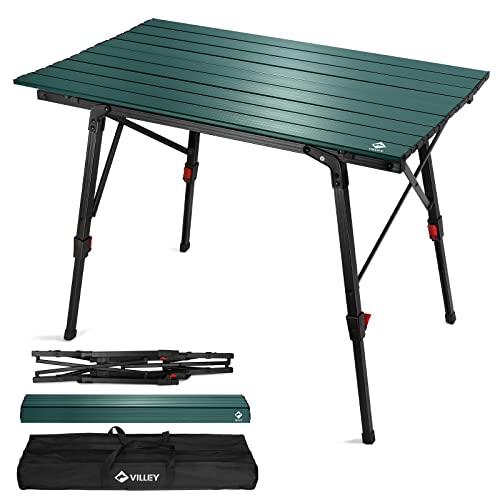
8 Best Camping Table Adjustable Legs of 2026 for Uneven Ground

10 Best Diaper Bag Backpacks For Dads of 2026 With Fast Gear Access

11 Best Framed Luggage of 2026 For Zipperless Security

11 Best Folding Two Wheeler For Luggage of 2026 To Prevent Tipping

11 Best Expandable Roller Luggage of 2026 That Fit Overhead Bins