
Where to Travel in South America, No Fluff

Where to Travel in South America gets exciting fast because the continent doesn’t play by one mood. One week can swing from misty Andean mornings to salt flats that look like another planet, then roll into beach towns where dinner starts late and plans stay loose. Still, the trick isn’t cramming every famous place into one route. Smart travel planning means matching the pace, weather, budget, and energy level before the trip turns into a suitcase marathon.
Peru often earns the first look, and fair enough, because Cusco, the Sacred Valley, and Machu Picchu carry that rare mix of history, altitude, and drama. But it’s not all postcard magic, since the elevation can knock the wind out of your sails if the schedule is too tight. A slower route gives markets, ruins, train rides, and mountain views room to breathe. That little buffer can make the difference between “Wow” and “Why did I book this so aggressively?”
Argentina brings a different kind of pull, especially for people who want food, big landscapes, and cities with a bit of swagger. Buenos Aires works beautifully as a first stop because cafés, tango halls, bookstores, and late dinners create an easy rhythm. Then Patagonia changes the volume completely with glaciers, wind, sharp peaks, and long hiking days. The tradeoff is simple: Patagonia rewards patience, but flights, distances, and weather can be a handful.
Brazil feels huge because, well, it is, and that scale matters. Rio de Janeiro brings beaches, steep green hills, music, and a street life that doesn’t sit still for long. The Amazon adds a deeper, quieter kind of wonder, where the river shapes the whole experience. Brazil works best when the route doesn’t bounce around too much, because long transfers can eat into the good stuff.
Chile is a strong pick for clean logistics and wild contrasts. Atacama Desert serves up dry valleys, stargazing, salt lagoons, and geysers without needing a complicated plan. Farther south, Torres del Paine asks for tougher packing and more flexibility, since weather can flip on a dime. That said, the payoff is huge for travelers who like trails, open space, and scenery that feels almost rude in how pretty it is.
Colombia deserves more love for colorful towns, mountain cities, coffee farms, and Caribbean coastlines. Medellín has become a favorite for its springlike weather, creative neighborhoods, and easy day trips. Cartagena brings heat, old walls, music, and sea air, though the busy center can feel pricey and crowded. A balanced route pairs city time with coffee country or a calmer coastal stop, so the trip doesn’t feel like a blur.
Ecuador is the sleeper hit for travelers who want variety without monster distances. Quito, the Andes, cloud forests, volcano views, and the Galápagos can sit in one tight but meaningful plan. The Galápagos costs more, no sugarcoating that, but the wildlife encounters feel different from regular beach travel. For a shorter trip, Ecuador often gives more range with fewer logistical headaches.
The best answer to Where to Travel in South America depends on the kind of trip that won’t wear you out. Pick Peru for ancient sites and mountain culture, Argentina or Chile for dramatic landscapes, Brazil for energy and scale, Colombia for color and rhythm, and Ecuador for compact variety. A good route leaves breathing room for late buses, weather shifts, altitude, and those random local meals that end up stealing the show. South America rewards curiosity, but it rewards patience even more.

- TLR Rank10.0
TLR Rank is a ranking system developed by TravelLuggageReviews.com. TLR Rank has no relationship or impact from any manufacturers or sales agent websites. Learn more
- BrandMajosta

- TLR Rank10.0
TLR Rank is a ranking system developed by TravelLuggageReviews.com. TLR Rank has no relationship or impact from any manufacturers or sales agent websites. Learn more
- BrandN/A

- TLR Rank10.0
TLR Rank is a ranking system developed by TravelLuggageReviews.com. TLR Rank has no relationship or impact from any manufacturers or sales agent websites. Learn more
- BrandGlobe Pequot Press

- TLR Rank10.0
TLR Rank is a ranking system developed by TravelLuggageReviews.com. TLR Rank has no relationship or impact from any manufacturers or sales agent websites. Learn more
- BrandMajosta

- TLR Rank9.6
TLR Rank is a ranking system developed by TravelLuggageReviews.com. TLR Rank has no relationship or impact from any manufacturers or sales agent websites. Learn more
- BrandMoon Travel

- TLR Rank9.2
TLR Rank is a ranking system developed by TravelLuggageReviews.com. TLR Rank has no relationship or impact from any manufacturers or sales agent websites. Learn more
- BrandN/A

- TLR Rank9.0
TLR Rank is a ranking system developed by TravelLuggageReviews.com. TLR Rank has no relationship or impact from any manufacturers or sales agent websites. Learn more
- BrandLonely Planet
- TLR Rank8.8
TLR Rank is a ranking system developed by TravelLuggageReviews.com. TLR Rank has no relationship or impact from any manufacturers or sales agent websites. Learn more
- BrandLonely Planet

- TLR Rank8.6
TLR Rank is a ranking system developed by TravelLuggageReviews.com. TLR Rank has no relationship or impact from any manufacturers or sales agent websites. Learn more
- BrandLonely Planet
- TLR Rank4.0
TLR Rank is a ranking system developed by TravelLuggageReviews.com. TLR Rank has no relationship or impact from any manufacturers or sales agent websites. Learn more
- BrandN/A

- TLR Rank2.0
TLR Rank is a ranking system developed by TravelLuggageReviews.com. TLR Rank has no relationship or impact from any manufacturers or sales agent websites. Learn more
- BrandN/A
Last update on 2026-09-07 / Affiliate links / Images, Product Titles, and Product Highlights from Amazon Product Advertising API
Where To Travel In South America For A Trip That Feels Worth It
A messy route can turn a dream trip into airport food, rushed photos, and that nagging feeling that the good stuff happened somewhere between transfers. The smartest approach to where to travel in south america starts with choosing places that match your pace, not just places that look loud on social media. Big distances, altitude, weather swings, and border-hopping costs can sneak up fast, so practical routing matters as much as scenery. South America rewards curiosity, sure, but it rewards travelers who leave breathing room even more.
The continent isn’t one single travel mood. A traveler can chase Andean ruins, glacier hikes, Amazon rivers, colonial streets, red-rock deserts, wine valleys, beach cities, and high-altitude salt flats, all without leaving the region. That variety is thrilling, but it also creates decision fatigue. The real trick is narrowing the map around time, stamina, season, and budget before the itinerary becomes a beautiful headache.
Plenty of routes look good on paper and fall apart in real life. A two-week plan with Lima, Cusco, Patagonia, Rio, Buenos Aires, and the Galápagos sounds bold until flights, recovery days, and weather delays start calling the shots. A better plan builds around one strong travel spine, then adds nearby experiences that make sense. That’s how a trip starts feeling layered instead of frantic.
South America also asks for honest expectations. Some places feel polished and easy, while others require patience, cash, Spanish basics, or a higher tolerance for rough edges. That doesn’t make them less rewarding. It simply means good destination choices come from matching the place to the kind of trip that won’t drain the fun out of the journey.
Peru Brings Big Rewards With A Slower Pace
Peru is often the first answer to where to travel in south america, and honestly, it earns the attention. Cusco, the Sacred Valley, and Machu Picchu create a rare blend of history, mountain air, stone streets, and scenery that feels bigger than the photos. The catch is altitude, which can hit harder than expected, especially after long flights. A slower arrival helps the body adjust while giving local markets, ruins, and cafés time to sink in.
Lima deserves more than a quick airport stop. The city has a strong food scene, coastal neighborhoods, museums, and a gritty charm that feels different from the Andes. Travelers who rush straight to Cusco often miss the contrast that makes Peru feel so layered. Starting in Lima also gives a softer landing before stepping into high-elevation travel.
Cusco works best when treated as a base, not a box to check. The Sacred Valley can be gentler for sleeping at altitude, and towns like Ollantaytambo make the route toward Machu Picchu feel less forced. A plan with extra time here allows for ruins, weaving villages, train rides, and unplanned meals without sprinting. That breathing room is a huge quality-of-trip factor.
Peru may not be the easiest pick for someone wanting pure relaxation. Long travel days, altitude, early starts, and popular sites can add friction. Still, the payoff is deep if the route respects the body and the calendar. For a first South America trip, Peru delivers cultural weight, dramatic scenery, and memorable logistics in one tight but demanding package.
Argentina Works For Food, Cities, And Big Landscapes
Argentina hits a different note, and that note is bold, late, and hungry. Buenos Aires gives where to travel in south america a city-first answer with cafés, old theaters, bookshops, steak dinners, leafy neighborhoods, and nights that don’t rush to end. It’s a great place to settle into the rhythm before heading toward wilder corners. The city feels polished in some areas and rough around the edges in others, which gives it texture instead of a theme-park shine.
Patagonia is the reason many travelers stretch Argentina into a longer trip. Glaciers, sharp peaks, windy trails, and huge skies make the south feel cinematic without needing much decoration. El Calafate and El Chaltén are popular for good reason, but weather can be stubborn. Flexibility is part of the bargain, and extra buffer days can save a hiking plan from turning sour.
Mendoza brings a softer version of Argentina. Wine country, mountain views, slow lunches, and warm evenings fit travelers who want scenery without grinding through trail days. It pairs well with Buenos Aires because the mood shift feels natural. For luggage planning on routes like this, keep fragile gear separated and stable, especially if photography is a priority, and plan smarter packing around best suitcase for camera equipment before bouncing between city streets and mountain roads.
Argentina is not compact, and that matters. Domestic flights can help, but distances still shape the trip more than many people expect. A rushed Argentina route can feel like hopping between weather systems instead of enjoying a country. The best version focuses on one city anchor and one landscape-heavy region, then leaves space for long dinners and slow mornings.
Chile Rewards Travelers Who Like Contrasts
Chile is long, narrow, and full of sharp changes. A trip can move from the Atacama Desert to lake country and then into Patagonia, though trying to do all of that quickly is asking for trouble. The country often feels easier to route than some neighbors, but the distances still bite. For anyone weighing where to travel in south america, Chile suits trips built around landscapes more than constant city-hopping.
The Atacama is one of the cleanest picks for travelers who want strange beauty without complicated movement. Salt lagoons, dry valleys, geysers, stargazing, and high-desert silence give the region a distinct personality. San Pedro de Atacama is touristy, no doubt, but it also works well as a base. The tradeoff is cost, because tours, food, and lodging can run higher than expected.
Santiago often gets treated as a pass-through city, but it has value as a practical hub. Mountain views, neighborhoods with good food, museums, and nearby wine areas make it useful before or after the extremes. It doesn’t always charm instantly, yet it helps the route breathe. That practical role can be a quiet travel advantage.
Southern Chile asks for patience and a sturdy attitude. Torres del Paine can be breathtaking, but wind, rain, and changing trail conditions are part of the deal. Travelers with a tight schedule may feel frustrated if every day has to go exactly right. Chile is best for people who can respect weather, distance, and outdoor logistics without expecting the landscape to behave on command.
Colombia Feels Colorful Without Needing A Huge Budget
Colombia has become one of the more satisfying answers to where to travel in south america because it offers variety without always requiring brutal distances. Medellín, Bogotá, Cartagena, coffee country, mountain towns, and Caribbean beaches can fit into a route that feels lively but not impossible. The country has warmth, music, color, and food that’s comforting rather than fussy. It’s also a place where neighborhood choice can shape the entire experience.
Medellín works well for travelers who like city energy with access to day trips. The weather is comfortable, the metro is useful, and surrounding hills give the city a strong sense of place. Guatapé adds color and lake views, while local neighborhoods bring cafés, parks, and street life. Still, nightlife zones can feel loud and polished for visitors, so staying slightly outside the busiest pockets can make the trip smoother.
Cartagena brings a different kind of beauty. The walled city has balconies, plazas, bright facades, sea air, and heat that slows everything down. It can also feel crowded, expensive, and pushy in the most tourist-heavy spots. A better plan pairs Cartagena with quieter coastal time so Caribbean charm doesn’t get buried under restaurant markups and street sales pressure.
Coffee country may be Colombia’s sweetest middle ground. Towns like Salento offer green hills, wax palms, farm visits, and a gentler rhythm after big cities. The pace feels human, especially after humid coastlines or busy nightlife zones. For longer routes with mixed climates and transfers, packing lighter can make buses, stairs, and small hotels easier, so consider best suitcase for long travel before building a multi-city Colombia plan.
Brazil Is Huge, Loud, Beautiful, And Not For Rushed Routes
Brazil can make every other plan look small. Rio de Janeiro alone gives where to travel in south america a big, memorable answer with beaches, forested mountains, music, viewpoints, and neighborhoods that keep shifting in personality. The city is gorgeous, but it demands awareness and smart planning. Picking the right area, moving carefully at night, and keeping valuables simple are basic comfort rules, not paranoia.
Rio works because nature and city life sit right on top of each other. One hour can involve a beach walk, and the next can bring a cable car, a lookout, or a meal tucked into a lively side street. That density makes short stays feel full. Still, trying to “do all of Brazil” from Rio is where plans start wobbling.
The Amazon is a completely different trip. River lodges, wildlife watching, slow boat movement, humidity, and deep green silence don’t match a rushed checklist. It’s less about ticking off sights and more about entering a landscape that runs on its own clock. That can be powerful, but comfort expectations need adjusting before booking.
Brazil’s beach regions add another layer, from Bahia’s music and Afro-Brazilian culture to quieter coastal towns with slower days. The issue is scale, because moving between regions often means flights or long overland travel. A good Brazil route stays selective. Choose Rio plus one major add-on, and the trip feels rich instead of scattered.
Ecuador Gives Big Variety In A Compact Route
Ecuador is easy to underestimate, which is exactly why it can be such a smart pick. For where to travel in south america, it offers Andes, cloud forests, volcanoes, colonial streets, markets, Amazon access, and the Galápagos without the same monster distances found elsewhere. That compactness helps travelers who want variety but don’t want to spend half the trip in transit. It also makes Ecuador a strong choice for tighter schedules.
Quito brings altitude, history, plazas, churches, and views that remind visitors the mountains are always close. The city can feel intense in spots, so planning neighborhoods and transport carefully matters. Day trips to markets, crater lakes, or the equator area add easy variety. That kind of route keeps travel friction lower while still feeling active.
The Galápagos is the big-ticket dream, and there’s no pretending it’s cheap. Flights, park fees, cruises, guided activities, and lodging can raise the cost quickly. But the wildlife experience feels different from a normal island vacation because animals, landscapes, and strict conservation rules shape the whole rhythm. For travelers who value nature over nightlife, the Galápagos experience can justify a more focused budget.
Mainland Ecuador also works without the islands. Baños, Cuenca, Otavalo, Mindo, and Cotopaxi can create a varied trip with mountains, waterfalls, crafts, birds, and slow town life. Smaller distances mean less packing stress, but rough sidewalks and mixed transport still reward smart luggage choices. For routes with multiple short hops, best ultra lightweight checked luggage can make movement feel less like a workout.
Bolivia Suits Travelers Who Want Raw Scenery
Bolivia is not the easiest answer to where to travel in south america, but it may be one of the most visually striking. The Uyuni Salt Flats, high-altitude deserts, colorful lagoons, and rugged mountain roads give the country a raw, unforgettable edge. The scenery can feel surreal, especially during sunrise, wet-season reflections, or long drives across open plains. The tradeoff is comfort, because basic infrastructure can be less predictable than in more polished destinations.
La Paz is a city that refuses to sit flat. Cable cars glide over steep neighborhoods, markets spill into busy streets, and altitude shapes every walk. It’s fascinating, but it can also feel chaotic after a long travel day. A slower first day helps, especially for anyone coming from sea level.
The Uyuni route is the headline for many visitors. Multi-day tours can include salt flats, desert landscapes, hot springs, flamingos, and simple lodgings. The experience is memorable, but travelers should expect cold nights, long drives, and fewer creature comforts. Packing layers and snacks is not overthinking, it’s common-sense preparation.
Bolivia works best for flexible travelers who don’t need everything polished. Plans can shift, roads can be rough, and comfort may take a back seat to scenery. That’s not a flaw if expectations are set correctly. The reward is a trip that feels less packaged and more connected to wide-open landscapes.
Where To Travel In South America For Better Routes And Fewer Regrets
Some trips fall apart because the destinations are bad. Most fall apart because the route asks too much from tired bodies, tight wallets, and packed bags. Where to travel in south america becomes easier once the plan starts with real-life friction, not just pretty photos. Long flights, altitude, rainy seasons, safety habits, luggage limits, and local transport all shape whether a trip feels smooth or painfully overstuffed.
A smart South America route needs a little humility. The continent is massive, and hopping from country to country can burn money faster than expected. Better travel planning means linking places that share logical flight paths, similar weather windows, or manageable overland routes. That approach keeps the trip exciting without turning every other day into a transfer day.
Travel style matters too. A hiker chasing Patagonia won’t need the same rhythm as someone craving Cartagena heat, Buenos Aires dinners, or Galápagos wildlife. Trip comfort comes from matching energy, season, and pace before locking in tickets. That sounds basic, but it’s exactly where many South America itineraries go sideways.
So, the better question isn’t only where to go. The better question is which places work together without draining the joy from the trip. Once that clicks, South America travel starts feeling less chaotic and a whole lot more rewarding.
Build A Route Around Distance, Not Just Dream Stops
South America looks deceptively simple on a map, then reality taps you on the shoulder. Flights between major cities can take hours, overland routes can stretch across mountains, and weather can slow even a solid plan. Distance planning should sit near the top of the list before booking anything. A route that respects geography will almost always feel richer than one that tries to collect countries like passport stickers.
Pairing nearby regions usually works better than chasing scattered highlights. Peru and Bolivia can connect well for travelers who want Andes, salt flats, and high-altitude culture. Argentina and Chile can pair naturally for Patagonia, wine regions, and mountain scenery. Regional logic helps the trip feel connected instead of stitched together with airport layovers.
Brazil deserves extra caution because its scale can surprise even experienced travelers. Rio, Salvador, the Amazon, and Iguazu Falls all sound tempting, but they don’t sit close together. A route with too many Brazilian stops can become expensive and tiring fast. Selective planning keeps Brazil powerful rather than exhausting.
Packing also becomes part of the route strategy. Short flights, stairs, uneven streets, small taxis, and quick hotel changes make bulky bags annoying in a hurry. For polished packing on fast-moving routes, use best suitcase ideas that favor organized compartments and easy handling. Luggage discipline can quietly save more energy than another travel app.
Match The Season Before Locking The Itinerary
Weather can make or break South America more than many first-time visitors expect. Patagonia has strong seasonal swings, the Andes can bring rain or altitude chill, and the Amazon has wet and drier periods that change the whole feel of the trip. Seasonal timing should guide destination order before flights get booked. A beautiful place visited at the wrong time can still feel like a grind.
Peru’s mountain routes often feel smoother during the drier months, especially around Cusco and the Sacred Valley. That doesn’t mean every other month is useless, but muddy trails and cloudy views can shift expectations. Travelers with limited vacation time may prefer a safer weather window. Flexible expectations matter if the trip includes famous outdoor sights.
Patagonia needs even more respect. Wind, rain, trail conditions, and transport schedules can affect the day-to-day experience. A short Patagonia trip can work, but it leaves less room for weather delays. Buffer days make the difference between a rewarding hiking route and a frustrating one.
Colombia, Ecuador, Brazil, and Argentina each bring their own timing quirks. Coastlines can feel humid, cities can be hot, and highland areas may require layers even during warm months. The smartest route doesn’t chase perfect weather everywhere. It simply stacks the odds in favor of comfortable movement and realistic daily plans.
Balance Famous Places With Lower-Stress Stops
Famous places earn their fame, but too many headline stops can make a trip feel oddly thin. Machu Picchu, Rio, Patagonia, the Galápagos, and Buenos Aires all deserve attention, yet each one asks for planning energy. Travel fatigue builds when every destination feels like a once-in-a-lifetime obligation. A few calmer stops can make the big moments hit harder.
Small towns and slower regions often carry the emotional weight of a trip. The Sacred Valley can feel more grounded than a packed day in Cusco. Coffee country in Colombia can soften the pace after city noise. Quiet travel days give the brain time to actually remember the journey.
Lower-stress stops also help with practical problems. Laundry, sleep, altitude recovery, gear repacking, and simple meals become easier when the schedule stops barking orders. Travelers often underestimate how much these ordinary needs shape mood. A smoother routine makes adventurous destinations feel more enjoyable.
There’s no shame in leaving something out. Skipping one famous destination can make room for better meals, longer walks, and fewer rushed transfers. South America is too large for one trip anyway. Sharper priorities create a better story than a checklist that barely holds together.
Plan For Safety Without Killing The Fun
Safety in South America is not about panic. It’s about habits. Street awareness, smarter transport, simple valuables, and realistic neighborhood research can reduce stress without making the trip feel stiff. Most problems start when tired travelers ignore the small stuff because the scenery feels exciting.
Big cities require a different mindset than mountain towns or remote nature areas. Rio, Bogotá, Lima, Buenos Aires, Quito, and Santiago all have neighborhoods that feel very different from one another. A hotel location can shape transport costs, night movement, and general comfort. Neighborhood research is practical, not boring.
Transport choices deserve attention too. Late-night arrivals, unofficial taxis, and confusing bus terminals can create avoidable tension. Paying a little more for a safer transfer after a long flight often feels worth it. Arrival planning is one of the easiest ways to start a destination on the right foot.
Gear should stay simple and low-drama. Flashy jewelry, loose phones, overloaded backpacks, and open pockets can draw the wrong kind of attention. That doesn’t mean dressing poorly or traveling scared. It means using common-sense habits so the trip stays focused on food, views, music, trails, and real moments.
Pack For Mixed Climates And Real Movement
South America can throw several climates into one itinerary. A traveler might need a fleece in Quito, breathable clothes in Cartagena, rain gear in the Amazon, and wind layers in Patagonia. Packing strategy matters because overpacking becomes painful on cobblestones, stairs, buses, boats, and domestic flights. The best bag is the one that doesn’t punish every move.
Layers beat bulky outfits almost every time. A light jacket, quick-dry shirts, comfortable pants, and shoes that handle uneven streets can cover more situations than a suitcase full of “just in case” clothing. Laundry stops are usually easier than dragging extra weight across borders. Practical clothing keeps the route flexible.
Longer multi-country trips need stronger organization. Cubes, separate shoe bags, a small daypack, and a clean place for documents can prevent daily rummaging. For travelers building a route across several countries, international travel luggage can help keep checked bags and carry-ons working as a system. Organized packing matters most when the trip includes different climates and repeated transfers.
Electronics need a little planning as well. Camera batteries, adapters, power banks, and offline maps can make remote or high-altitude days easier. Still, too much gear can become a burden if the trip includes long walks or buses. Useful gear should earn its space every few days, not sit buried in the bottom of the bag.
Keep The Budget Honest From The Start
South America can be affordable, but it is not automatically cheap. The Galápagos, Patagonia, Amazon lodges, domestic flights, guided treks, and certain city neighborhoods can raise costs quickly. Budget planning should separate daily spending from big-ticket experiences. That keeps the trip from feeling financially sloppy halfway through.
Peru, Bolivia, Colombia, and parts of Ecuador can offer strong value with careful routing. Argentina can shift depending on exchange conditions, while Chile and Uruguay often feel pricier. Brazil varies widely by region and season. Country-by-country expectations help avoid unpleasant surprises.
Guided experiences deserve their own budget line. Some places are better with a guide, especially wildlife regions, historical sites, remote treks, or complex landscapes. Cheap tours can be fine, but safety, group size, and reliability matter. Value is not always the lowest price.
Food and transport also shape the final bill. Local markets, casual restaurants, buses, and longer stays can stretch money without making the trip feel stripped down. Constant flights, hotel hopping, and last-minute tours do the opposite. A clear budget gives travel freedom because decisions feel intentional rather than reactive.
Choose Destinations By Trip Personality, Not Hype
A great South America trip should fit the way someone actually likes to travel. Some people want early hikes, quiet landscapes, and cold air. Others want music, beaches, late dinners, and colorful streets. Personal travel rhythm matters more than whatever destination is trending this month.
Peru and Bolivia suit travelers who enjoy culture, altitude, history, and rugged scenery. Argentina and Chile fit food lovers, hikers, wine fans, and people who don’t mind larger distances. Colombia brings warmth, movement, and strong variety without always needing a huge budget. Destination fit should drive the plan before hype takes over.
Brazil works for bold coastal energy, music, nature, and big-city drama, but it needs selective routing. Ecuador works beautifully for compact variety, especially if the Galápagos or Andean towns are high priorities. Uruguay can add a calmer, softer pause near Argentina for beach towns and easygoing days. Trip personality helps the map make sense.
The best route often comes from subtraction. Remove the stop that adds too much cost, too many transfers, or too little rest. Keep the places that solve the real craving behind the trip. Where to travel in south america becomes much clearer once the itinerary serves the experience instead of chasing every postcard.
Leave Room For The Moments You Cannot Schedule
South America has a way of making unscheduled moments feel bigger than planned ones. A slow lunch in Buenos Aires, a market conversation in the Andes, a quiet beach morning in Brazil, or a cloudy mountain view that suddenly opens can stick harder than the official highlight. Flexible time gives those moments room to happen. A trip packed too tightly leaves no space for luck.
Rest days are not wasted days. They help with altitude, heat, long transfers, and the mental load of constant movement. They also make room for neighborhood wandering, local food, and small surprises. Recovery time often turns a good route into a trip that feels deeply satisfying.
Local advice can shift plans in the best way. A hotel owner might suggest a better bus, a cook might point toward a quieter beach, or another traveler might warn that a route is rougher than expected. Staying open to those details can improve the trip without blowing up the structure. Loose planning works best when the main route is already solid.
South America does not need to be conquered. It needs to be paced. The strongest trips usually combine one or two major highlights with smaller places that let the journey breathe. Memorable travel comes from that balance between ambition and patience.


9 Best Travel Camping Table of 2026 For Uneven Ground
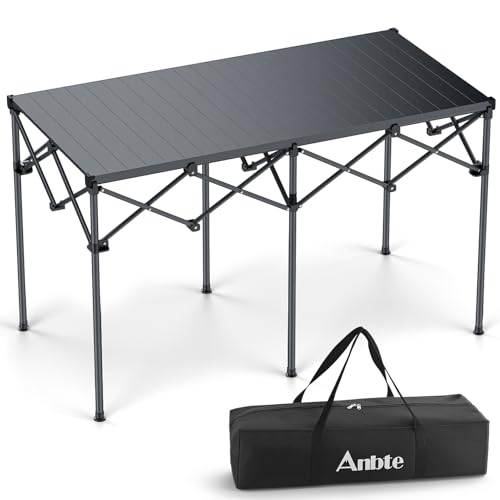
12 Best Heavy Duty Camping Table of 2026 That Will Not Wobble or Sag

10 Best Sleeping Bags For Tall People of 2026 To Stretch Out Fully
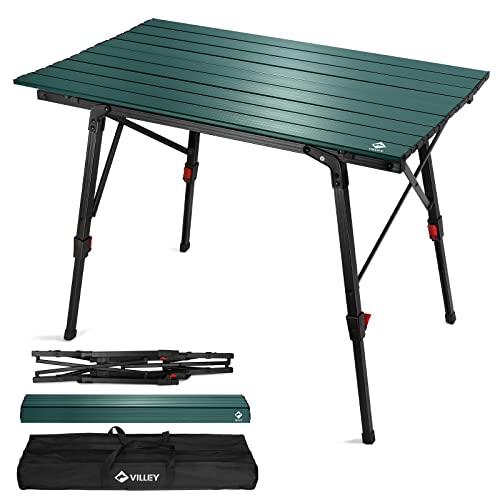
8 Best Camping Table Adjustable Legs of 2026 for Uneven Ground

10 Best Diaper Bag Backpacks For Dads of 2026 With Fast Gear Access

11 Best Framed Luggage of 2026 For Zipperless Security

11 Best Folding Two Wheeler For Luggage of 2026 To Prevent Tipping

11 Best Expandable Roller Luggage of 2026 That Fit Overhead Bins









