why do people wear sunglasses inside? Real Reasons

Why do people wear sunglasses inside is a question that sounds simple until you notice how many real-life reasons sit behind it. Some people wear them because bright indoor lighting feels sharp, especially under fluorescent bulbs, store lights, airport lights, or office glare. Others keep sunglasses on because their eyes are tired, irritated, swollen, or recovering from a medical procedure. And yeah, sometimes it’s about style, privacy, or wanting a little space without saying a word.
Light sensitivity is one of the most practical reasons, and it’s not rare at all. A person dealing with migraines, dry eyes, eye strain, allergies, or recent dilation may feel more comfortable with tinted lenses even indoors. Harsh lighting can feel like sandpaper on the eyes, and sunglasses help soften that bite. It isn’t always dramatic, but for someone trying to get through a grocery run or sit in a waiting room, that small barrier can make the day easier.
Medical recovery also explains plenty. After eye surgery, cosmetic treatments, dental work, or injury, sunglasses can hide redness, bruising, swelling, or watery eyes while adding a bit of protection. Nobody wants to answer the same awkward question ten times in a row, right? Wearing shades indoors can quietly say, “Please let me handle my business,” without turning a private situation into a public conversation.
Privacy and social comfort matter too. Sunglasses can create a small personal bubble in crowded places like malls, casinos, airports, hotels, clubs, and busy restaurants. They reduce eye contact, soften social pressure, and help someone feel less exposed. For public-facing people, performers, or anyone having an off day, that dark lens can feel like a tiny curtain between their mood and the room.
Style is the more obvious reason, but it still has layers. Some outfits are built around eyewear, and sunglasses can send a confident, polished, mysterious, or artsy signal without much effort. That said, indoor sunglasses can look forced if the setting doesn’t support it, so the trick is context. In a dim restaurant, heavy black lenses may feel odd, while lightly tinted frames can come across as intentional and relaxed.
Eye conditions, glare control, and comfort habits often overlap. Someone may not have one neat reason, and that’s the point. Maybe the lights hurt, maybe they slept badly, maybe they’re avoiding attention, or maybe the sunglasses simply feel like part of their routine. So, why do people wear sunglasses inside? Usually, it’s a mix of comfort, protection, confidence, and personal boundaries, with a little image control sprinkled in.
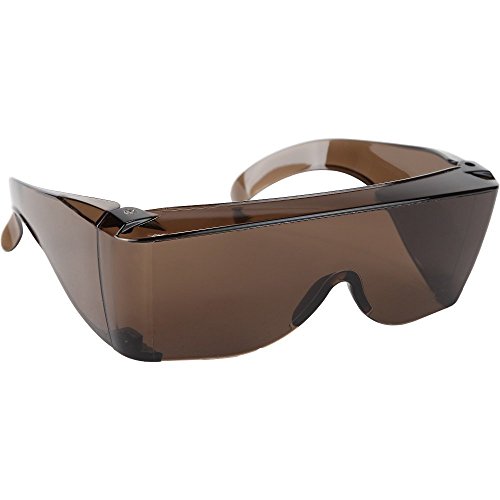
- TLR Rank9.0
TLR Rank is a ranking system developed by TravelLuggageReviews.com. TLR Rank has no relationship or impact from any manufacturers or sales agent websites. Learn more
- BrandHome-X

- TLR Rank8.8
TLR Rank is a ranking system developed by TravelLuggageReviews.com. TLR Rank has no relationship or impact from any manufacturers or sales agent websites. Learn more
- BrandOPTEGO

- TLR Rank8.4
TLR Rank is a ranking system developed by TravelLuggageReviews.com. TLR Rank has no relationship or impact from any manufacturers or sales agent websites. Learn more
- BrandANDWOOD

- TLR Rank8.2
TLR Rank is a ranking system developed by TravelLuggageReviews.com. TLR Rank has no relationship or impact from any manufacturers or sales agent websites. Learn more
- BrandROCKNIGHT

- TLR Rank8.0
TLR Rank is a ranking system developed by TravelLuggageReviews.com. TLR Rank has no relationship or impact from any manufacturers or sales agent websites. Learn more
- BrandZAMGIC

- TLR Rank7.8
TLR Rank is a ranking system developed by TravelLuggageReviews.com. TLR Rank has no relationship or impact from any manufacturers or sales agent websites. Learn more
- BrandANDWOOD

- TLR Rank7.6
TLR Rank is a ranking system developed by TravelLuggageReviews.com. TLR Rank has no relationship or impact from any manufacturers or sales agent websites. Learn more
- BrandGeneric
Last update on 2026-08-08 / Affiliate links / Images, Product Titles, and Product Highlights from Amazon Product Advertising API
Why Do People Wear Sunglasses Inside
Bright lobby lights, glossy store floors, buzzing office fixtures, and crowded airport terminals can feel rough on tired eyes. That’s why why do people wear sunglasses inside isn’t just a nosy question about style or attitude. For plenty of people, indoor shades help manage light sensitivity, reduce social pressure, hide irritation, or keep a messy day from becoming everyone else’s business. The reason may look casual from the outside, but the choice often solves a real comfort problem.
Indoor Sunglasses
Indoor sunglasses sit in that funny space between fashion, comfort, and personal boundaries. Some people assume they’re only about looking mysterious, but that’s a pretty thin read. A person may be dealing with eye strain, a migraine warning sign, dry eyes, allergies, or glare from overhead lighting. One small lens tint can make a harsh room feel less like a spotlight.
Light sensitivity can sneak up in places that don’t seem bright to everyone else. Fluorescent bulbs, LED panels, reflective tile, white walls, and big windows can create a sharp visual environment. Someone who has spent hours on screens may walk into a store and feel their eyes tighten almost immediately. Sunglasses help cut that edge, even if the room looks normal to everyone nearby.
There’s also the human side, and honestly, it matters. Privacy can be a relief in a packed coffee shop, hospital waiting room, train station, or casino floor. Sunglasses soften eye contact and reduce that awkward feeling of being watched. For someone already tired, anxious, swollen-eyed, or just not in the mood to perform friendliness, that barrier can feel like breathing room.
Style still plays a role, of course, but it’s not always vanity. Some outfits are built around glasses, and lightly tinted frames can look intentional indoors without screaming for attention. Dark lenses in a dim room can feel a bit much, though, so context makes all the difference. The best indoor sunglasses choice usually balances comfort, lens tint, frame shape, and the room’s lighting.
Light Sensitivity Can Make Indoor Spaces Feel Harsh
Light sensitivity, also called photophobia, doesn’t mean someone is being dramatic about a bright room. It means certain light levels or light types feel uncomfortable, painful, or mentally draining. Indoor spaces can be especially annoying because the light is often artificial and uneven. A person may be fine outdoors in steady daylight, then feel worse under flickering bulbs or bright store displays.
Migraines are one of the big reasons behind wearing sunglasses inside. A migraine doesn’t always start with full pain; sometimes it begins with eye pressure, nausea, aura, or a weird sensitivity to light. Sunglasses can help reduce visual intensity while someone tries to finish errands, sit through a meeting, or get home without making the symptoms worse. That choice can look stylish, but it may be pure damage control.
Dry eyes create another everyday reason. Air conditioning, heating, screens, contact lenses, dust, and allergies can leave eyes feeling gritty and exposed. Sunglasses add a slight shield from moving air and glare, which can make indoor walking or shopping less irritating. The benefit isn’t magic; it’s a small layer of comfort and glare control that helps someone function without constantly rubbing their eyes.
Eye dilation after an exam also explains many indoor sunglasses moments. After dilation, pupils stay enlarged for a while, so regular indoor light can feel oddly aggressive. Clinics often suggest dark glasses because expanded pupils let in more light than usual. So if someone leaves an eye doctor’s office wearing shades through a hallway or store, that’s not a fashion statement; it’s common sense.
Recovery, Redness, And The Need For Privacy
Medical recovery can make sunglasses feel less like an accessory and more like a polite shield. Eye surgery, cosmetic treatments, dental work, sinus issues, allergies, or even a rough night can leave redness, swelling, bruising, or watery eyes. Nobody wants a stranger staring at their face while they’re buying groceries. Sunglasses let someone move through the day without turning a private issue into public small talk.
Red eyes can come from simple stuff too. Poor sleep, crying, contact lens irritation, seasonal allergies, and long screen sessions all leave visible signs. Wearing sunglasses inside can help someone avoid the “Are you okay?” loop, which gets old fast. In that sense, indoor sunglasses protect more than eyes; they protect mood, dignity, and personal space.
Privacy also matters in social settings. A crowded airport, hotel lobby, mall, or restaurant can feel like too much after travel, illness, stress, or a long workday. Sunglasses reduce direct eye contact and help someone feel less exposed. That doesn’t mean they’re rude; sometimes personal boundaries are just easier to hold behind tinted lenses.
There’s a practical travel angle here too. People who keep sunglasses on indoors often move between bright streets, rideshares, terminals, and hotel lobbies without wanting to stash their eyewear every few minutes. Small habits matter during travel, especially when bags, boarding passes, and tired eyes are already competing for attention. To keep travel gear from turning into a scuffed mess, protect your essentials with clean hard shell luggage habits that make frequent movement less chaotic.
Style Signals Can Be Real Without Being Shallow
Style gets mocked too quickly in this conversation. Sunglasses can frame the face, sharpen an outfit, hide fatigue, or create a mood before someone says a word. That doesn’t make the choice fake. Clothes, shoes, hair, fragrance, bags, and eyewear all send signals, and sunglasses just happen to be one of the loudest signals in the room.
Some people wear indoor sunglasses because the look matches a creative setting. Think galleries, music venues, backstage areas, fashion events, nightlife spaces, or photo-heavy places. In those rooms, tinted lenses can feel less strange because the whole environment already leans expressive. The key is visual context; what feels bold in one setting may feel out of place in another.
Frame size changes the message too. Thin tinted lenses can feel relaxed and conversational, while oversized black frames create a more guarded effect. That’s not good or bad by itself, but it does shape how people read the wearer. For a bolder look that still has everyday use, shape the outfit around extra large oversized sunglasses instead of treating them like an afterthought.
Style has limits, though, and pretending otherwise sounds silly. Dark sunglasses in a poorly lit room can make conversation harder because people rely on eye contact more than they realize. They can also look defensive in a professional meeting or intimate dinner. A smarter approach is to match lens darkness, frame weight, and setting instead of forcing one look everywhere.
Workplaces, Screens, And Indoor Glare
Screen fatigue has made indoor eye comfort a bigger issue than it used to be. Many workdays involve laptops, phones, overhead lighting, white documents, video calls, and bright conference rooms. Eyes don’t always get a clean break between tasks. Sunglasses or lightly tinted lenses can help some people soften the visual load, especially during transitions away from screens.
Office lighting can be surprisingly unfriendly. Bright panels overhead may reflect off desks, polished floors, whiteboards, glass walls, and computer screens. That layered glare can leave people squinting without noticing it until their forehead feels tight. Sunglasses inside may look odd in an office, but glare reduction can be a real comfort tool in the right setting.
Some jobs also involve moving between indoor and outdoor spaces all day. Nurses, delivery workers, retail managers, event staff, drivers, and campus workers may keep sunglasses on because taking them off every few minutes becomes annoying. The habit becomes automatic, like keeping keys clipped to a belt loop or a badge near the door. For long shifts where practical storage matters, carry eyewear and daily gear with work tote bags for nurses built around quick access and busy routines.
That said, sunglasses are not always the neatest fix for work-related eye strain. A monitor setting, screen position, anti-glare filter, better task lighting, or regular breaks may solve more of the problem. Sunglasses can help with brightness and visual stress, but they shouldn’t become a bandage for a workspace that’s set up badly. The better move is to treat eyewear as one tool, not the whole toolbox.
Why Do People Wear Sunglasses Inside In Everyday Places
A person walking through a hotel lobby, airport gate, clinic hallway, or bright retail store with shades on may not be trying to make a scene. The better question is what problem those lenses are quietly solving. Why do people wear sunglasses inside often connects to eye comfort, quick transitions between spaces, social pressure, and the small annoyances that pile up during a long day. Once that clicks, the habit feels less strange and a lot more practical.
Travel Makes Indoor Sunglasses Feel Normal
Travel routines can make sunglasses stay on longer than expected. Someone may step from bright pavement into a terminal, then into a rideshare area, then back through glass doors, all within a few minutes. Taking glasses off and on every time gets annoying fast. That’s why indoor sunglasses often show up in airports, stations, hotels, and rental car counters.
Airports are especially rough on tired eyes. Bright panels, polished floors, giant windows, screen boards, and dry cabin air can leave eyes feeling scratchy before the trip even starts. Sunglasses help soften overhead glare while someone checks bags, waits in line, or walks through a crowded concourse. It’s not glamorous; it’s just a small fix for a draining environment.
Packing habits also matter more than people think. Sunglasses tossed into a crowded bag can get bent, scratched, or buried under chargers and toiletries. For frequent trips, protect eyewear and travel basics with polycarbonate carry on luggage that handles bumps without turning every airport transfer into a tiny disaster. A sturdy setup keeps frames, lenses, and daily essentials easier to manage.
Still, sunglasses indoors can create awkward moments during check-ins, security, or direct conversations. Staff may need to see someone’s face, and darker lenses can make interaction feel colder than intended. A quick lift of the glasses can keep things friendly without giving up comfort for the whole trip. Small manners go a long way.
Social Pressure Changes The Way Sunglasses Feel
Eye contact carries a lot of weight in public spaces. Some people enjoy it, some tolerate it, and some feel worn out by it after a stressful day. Sunglasses lower that pressure without requiring an explanation. In a packed room, that little shield can make the difference between feeling watched and feeling steady.
There’s also the simple fact that not every mood needs to be displayed. Puffy eyes, tired skin, watery eyes, or a tense expression can invite questions someone doesn’t want to answer. Sunglasses help protect privacy without turning the moment into a big performance. Honestly, that’s pretty human.
Public-facing workers, performers, and people who are recognized often use sunglasses as a boundary tool. The lenses reduce instant eye contact and make it easier to move through a crowd. That doesn’t mean they’re unfriendly; it means personal space sometimes needs a visual cue. A face can feel less exposed behind a frame.
Style can support that boundary, too. Wide frames cover more of the eye area, while lighter tints keep the look softer indoors. For a more intentional shape that still feels wearable, build the outfit around flat top oversized square sunglasses instead of grabbing the darkest pair in the drawer. The right frame can balance coverage, expression, and comfort without looking forced.
Indoor Sunglasses Can Help With Sensory Overload
Sensory overload is another reason sunglasses show up indoors. Busy stores, flashing screens, reflective shelves, loud music, and people moving in every direction can feel like too much at once. Sunglasses reduce one layer of stimulation by softening the visual field. That small change can help someone stay focused instead of feeling rattled.
This is especially true in places with harsh lighting. Big-box stores, hospitals, schools, casinos, and office buildings often use bright, flat lighting that leaves no soft corners for the eyes. Someone already dealing with fatigue or headaches may feel the room pressing in on them. Tinted lenses create visual relief without requiring the whole environment to change.
People also wear sunglasses inside after long screen sessions. Hours of laptop work can leave eyes dry, tense, and slow to adjust. Walking into a bright hallway or store right after that can feel sharper than expected. Sunglasses help manage the shift, especially when screen fatigue has already made the eyes cranky.
That said, sunglasses are not a cure-all. Wearing very dark lenses indoors for long stretches can make rooms harder to read and may increase clumsiness in dim areas. A lighter tint, better room lighting, screen breaks, or anti-glare adjustments may work better for daily use. The smarter move is matching the fix to the actual problem.
Health Reasons Are Often More Common Than Style Reasons
Eye health explains plenty of indoor sunglasses habits. People recovering from eye exams, surgery, irritation, allergies, or injury may need extra comfort around light. Even normal indoor brightness can feel too strong after dilation or inflammation. Sunglasses give the eyes a calmer buffer while the body settles down.
Migraines deserve special mention because light can be a major trigger. A person may wear sunglasses indoors before the pain gets obvious, trying to prevent symptoms from getting worse. That choice can look dramatic from the outside, but inside their head it may feel completely reasonable. Light control can be part of managing the day.
Allergies and dry eyes can cause similar behavior. Redness, watering, itching, and swelling make people self-conscious, especially in public. Sunglasses reduce both glare and unwanted attention, which is a pretty practical two-for-one. Nobody wants their irritated eyes to become the main topic at lunch.
There’s a limitation here, though. If someone suddenly needs sunglasses indoors all the time, or light starts causing pain, that’s worth taking seriously. Persistent light sensitivity, vision changes, severe headaches, or eye pain should not be brushed off as a style habit. Sunglasses can help comfort, but they shouldn’t hide a problem that needs professional care.
Reading The Room Makes Indoor Shades Less Awkward
Context decides whether indoor sunglasses feel natural or strange. In an airport, clinic, music venue, hotel, mall, or bright atrium, they usually make sense. In a dim meeting room or serious one-on-one conversation, they can create distance. The same pair can feel practical in one place and oddly guarded in another.
Lens darkness matters a lot. Lightly tinted lenses keep the eyes partly visible, which helps conversations feel more open. Very dark lenses block more glare but can also make social cues harder to read. That tradeoff sits at the heart of indoor eyewear etiquette.
Face-to-face moments deserve a little extra care. Removing sunglasses during introductions, security checks, appointments, or personal conversations can show respect without giving up the comfort benefit entirely. Then, after the moment passes, putting them back on feels less rude. Simple timing keeps comfort and courtesy from fighting each other.
Sunglasses inside are not always a mystery, a flex, or a sign of attitude. They can point to bright lighting, tired eyes, recovery, privacy, travel habits, sensory overload, or a style choice that happens to solve a real problem. The trick is reading the situation instead of jumping to the loudest assumption. Some days, a pair of shades is just the easiest way to get through the room.


11 Best Black Friday Sunglasses Deals of 2026 Built to Last

10 Best Cycling Sunglasses of 2026 For Wind Defense and Zero Slip

11 Best Mens Polarized Sunglasses of 2026 For Glare-Free Driving

10 Best Polarized Fishing Sunglasses of 2026 To Cut Water Glare

11 Best Smith Sunglasses of 2026 For Water and Trail

10 Best Carrera Sunglasses of 2026 for the Right Fit

11 Best Versace Sunglasses of 2026 For a Flattering Fit

11 Best Gucci Sunglasses of 2026 For Flattering Fit and Comfort