
5 Best Carryon Size Luggage For Camera Gear of 2026 To Avoid Gate-Checks

Most travelers assume heavy-duty protective cases are automatically built to slip into standard overhead airplane bins. In reality, thick corner guards, bulky latches, and protruding wheels frequently push exterior dimensions past airline sizing boxes, triggering a forced gate-check right at the jet bridge. Handing a fragile payload of prime lenses and camera bodies over to cargo handlers invites serious heartbreak. A single hard drop in the hold can crack front elements, misalign delicate sensors, or ruin an entire shoot before arrival. Standard soft bags cushion clothes well enough, but they offer zero structural defense against crushing terminal impacts.
Traveling with high-value optics should feel seamless, letting you roll your gear straight down the aisle and slide it securely into the bin above. Doing that reliably means choosing a crushproof shell tailored to the classic 22 x 14 x 9-inch domestic limit, paired with dense interior foam to immobilize sensitive gear. An automatic pressure equalization valve is just as essential, preventing altitude pressure shifts from vacuum-sealing the latches shut upon landing. Here is how the leading models compare to keep your kit protected, accessible, and right beside you in flight.
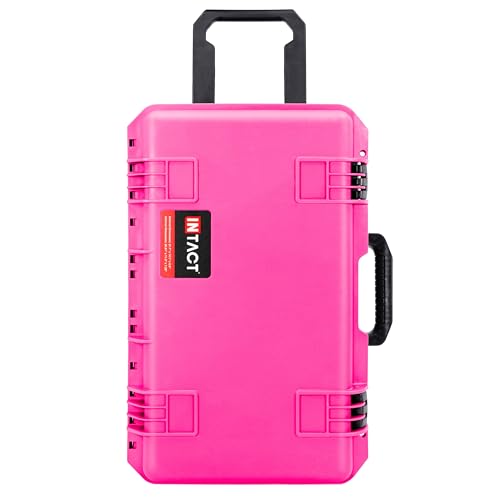
- TLR Rank9.2
TLR Rank is a ranking system developed by TravelLuggageReviews.com. TLR Rank has no relationship or impact from any manufacturers or sales agent websites. Learn more
- BrandEylar
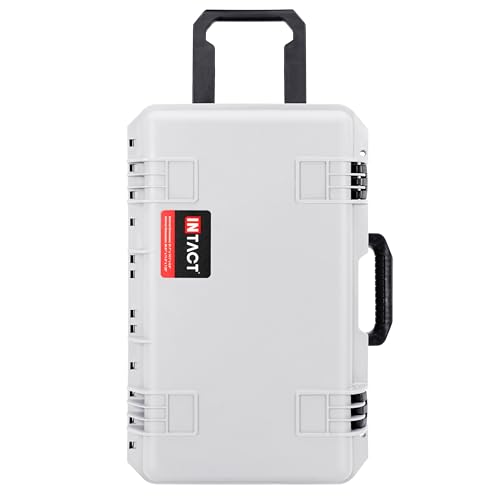
- TLR Rank9.0
TLR Rank is a ranking system developed by TravelLuggageReviews.com. TLR Rank has no relationship or impact from any manufacturers or sales agent websites. Learn more
- BrandEylar

- TLR Rank8.3
TLR Rank is a ranking system developed by TravelLuggageReviews.com. TLR Rank has no relationship or impact from any manufacturers or sales agent websites. Learn more
- BrandEylar

- TLR Rank8.0
TLR Rank is a ranking system developed by TravelLuggageReviews.com. TLR Rank has no relationship or impact from any manufacturers or sales agent websites. Learn more
- BrandEylar

- TLR Rank7.1
TLR Rank is a ranking system developed by TravelLuggageReviews.com. TLR Rank has no relationship or impact from any manufacturers or sales agent websites. Learn more
- BrandEylar
Last update on 2026-10-30 / Affiliate links / Images, Product Titles, and Product Highlights from Amazon Product Advertising API
Will a rolling hard case for camera gear fit standard overhead bins without gate-checking?
Yes, provided the exterior measurements conform to domestic airline carry-on sizers. Hard cases with compact dimensions such as 21.7 x 14.1 x 8.8 inches, or listed exterior profiles around 22.05 x 14.2 x 9.4 inches, are designed to slide into overhead compartments on mainline aircraft. Verifying the exact exterior boundaries with your airline before boarding helps you avoid forced gate-checks, especially when comparing them alongside options engineered to fit overhead bins on regional flights.
How does customizable pluck foam protect camera bodies and lenses during transit?
Customizable pluck foam isolates fragile equipment by allowing you to remove individual foam segments to create snug, tailored cavities for camera bodies, prime lenses, and drones. This close fit prevents metal-on-glass collisions and eliminates internal movement while rolling over airport concourses. Combined with a reinforced high-pressure polypropylene shell, the foam layers absorb mechanical shocks and sudden drops that could otherwise knock internal optical elements out of alignment.
Can airport security inspect a rolling camera case without damaging the latches?
Yes, choosing cases designated as TSA-approved travel luggage allows screeners to inspect the interior without damaging the exterior hardware. Dedicated padlock holes and compliant locking latches give security agents authorized access using universal screening keys. This protects your locking points from being clipped off during mandatory security checks when traveling with dense electronics and lithium camera batteries.
How much does an empty rolling hard case weigh against carry-on limits?
An empty protective hard case in this class typically weighs between 13 pounds and 14.55 pounds, with some models recorded at 14 pounds or 14.05 pounds. High-pressure polypropylene construction adds baseline heft to provide structural rigidity, which leaves less margin for heavy telephoto glass under strict weight thresholds. Weighing your loaded case before heading to the airport ensures your combined setup stays below restrictive carry-on weight limits imposed by international carriers.
Why is an IP67 waterproof rating important when flying with camera gear?
An IP67 rating ensures the case is completely dustproof and waterproof, relying on a continuous gasket seal to lock out driving rain, standing water, and fine sand. Camera sensors and electronic connectors can suffer irreversible damage from ambient moisture or dust intrusion during rainy tarmac transfers and outdoor connections. Selecting hard cases built for rough handling guarantees that sudden weather changes during boarding will never compromise sensitive optical equipment inside.
Why do heavy camera cases use two solid roller wheels instead of four spinner wheels?
Two solid roller wheels offer greater durability and structural support when hauling dense gear across varied travel surfaces. Recessed inline-style wheels absorb ground impact and stay shielded against knocks that frequently snap protruding four-wheel spinners off their housings. Paired with an extendable pull handle, solid roller wheels glide smoothly through terminals while keeping the case stable under significant payload weight.
See also: best camera carryon luggage and best new size carryon luggage.


Best Affordable Carry On Luggage 2026 - 11 Most Loving

The 12 Best Carry On Luggage For Bad Back 2026 - Top Choices

Best Lightest carry on luggage with wheels in 2026

Top Airport Traveling Suitcases: Our 11 Best Picks

The Best Delsey Paris Luggage Set 2026

Top 10 Delsey Softside Luggage Picks for Stress-Free Travel

11 Best Guest Room Luggage Rack of 2026 To Protect Clean Bedding

11 Best Grom Luggage Rack of 2026 For Direct Bolt-On Fit










