
How to Clean Hard Shell Suitcase: An Essential, Empowering Guide

As regular travelers, we understand the importance of a hard shell suitcase. It's not just a bag; it's a loyal travel companion. The essential thing about owning one is learning how to clean a hard shell suitcase. Preserving its elegance and durability is the secret key to prolong its life. If you've ever felt unsure about the proper care and maintenance techniques, we're here to guide you. Prepare to delve into an empowering journey filled with insights and tips that promise to enhance your luggage care routine. So, let's get started!

- TLR Rank9.4
TLR Rank is a ranking system developed by TravelLuggageReviews.com. TLR Rank has no relationship or impact from any manufacturers or sales agent websites. Learn more
- BrandAnyZip

- TLR Rank9.2
TLR Rank is a ranking system developed by TravelLuggageReviews.com. TLR Rank has no relationship or impact from any manufacturers or sales agent websites. Learn more
- BrandSamsonite
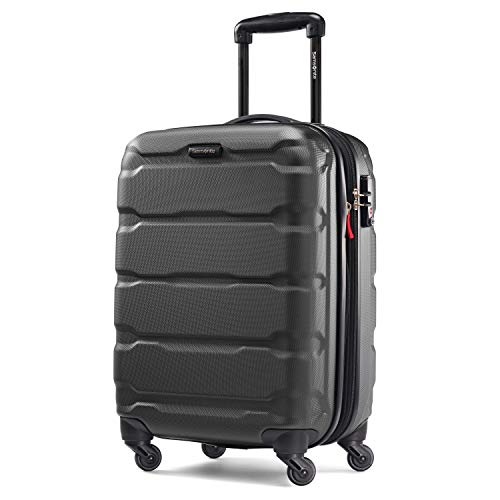
- TLR Rank9.2
TLR Rank is a ranking system developed by TravelLuggageReviews.com. TLR Rank has no relationship or impact from any manufacturers or sales agent websites. Learn more
- BrandSamsonite
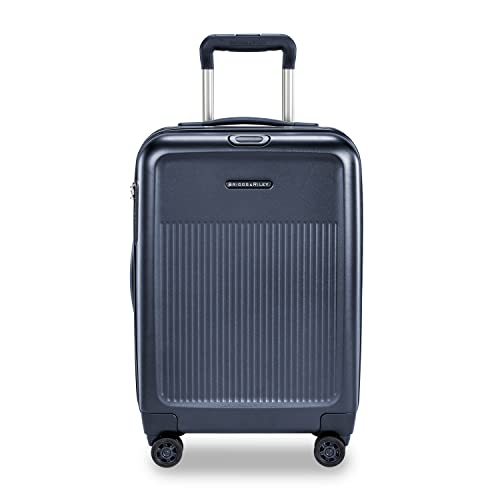
- TLR Rank9.0
TLR Rank is a ranking system developed by TravelLuggageReviews.com. TLR Rank has no relationship or impact from any manufacturers or sales agent websites. Learn more
- BrandBriggs & Riley

- TLR Rank9.0
TLR Rank is a ranking system developed by TravelLuggageReviews.com. TLR Rank has no relationship or impact from any manufacturers or sales agent websites. Learn more
- BrandLUGGEX

- TLR Rank9.0
TLR Rank is a ranking system developed by TravelLuggageReviews.com. TLR Rank has no relationship or impact from any manufacturers or sales agent websites. Learn more
- BrandHanke
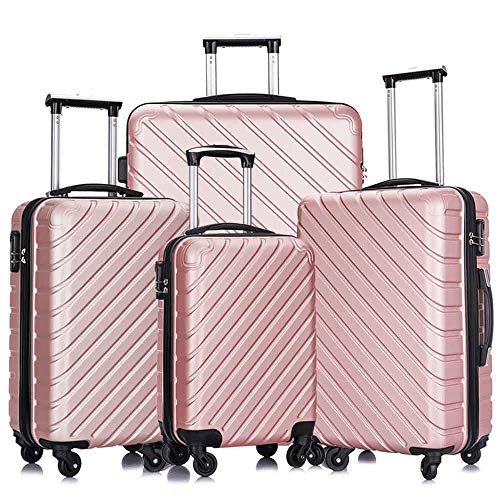
- TLR Rank8.8
TLR Rank is a ranking system developed by TravelLuggageReviews.com. TLR Rank has no relationship or impact from any manufacturers or sales agent websites. Learn more
- BrandApelila
- TLR Rank8.8
TLR Rank is a ranking system developed by TravelLuggageReviews.com. TLR Rank has no relationship or impact from any manufacturers or sales agent websites. Learn more
- BrandStardrops

- TLR Rank8.8
TLR Rank is a ranking system developed by TravelLuggageReviews.com. TLR Rank has no relationship or impact from any manufacturers or sales agent websites. Learn more
- BrandLUGGEX
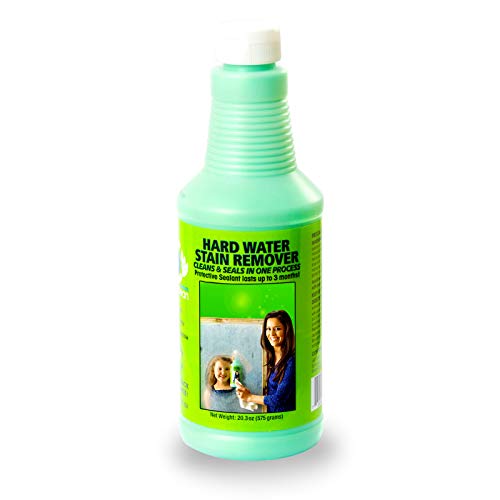
- TLR Rank8.4
TLR Rank is a ranking system developed by TravelLuggageReviews.com. TLR Rank has no relationship or impact from any manufacturers or sales agent websites. Learn more
- BrandBioClean
Last update on 2023-07-22 / Affiliate links / Images, Product Titles, and Product Highlights from Amazon Product Advertising API
Embarking on a Suitcase Cleaning Adventure
The condition of our luggage, specifically our hard shell suitcases, can often be an accurate reflection of the miles we've traveled and the experiences we've accumulated. Yet, over time, these rugged protective containers inevitably gather scuffs, grime, and other detritus, which can detract from their aesthetic appeal and even their functionality. Fortunately, with the right approach, tools, and techniques, you can restore your hard shell suitcase to its former glory. It's not just about eradicating visible dirt or getting rid of unpleasant odors. It's about extending the lifespan of your travel gear and ensuring that it remains a reliable companion on your journeys.
Suitcases, especially those with hard shells, can be formidable opponents when it comes to cleaning. Their tough exterior can harbor all sorts of dirt and stains, and these can be challenging to remove without the right strategy. However, by understanding the material of your hard shell suitcase and its specific cleaning requirements, you can put together a game plan that is both effective and safe for your luggage.
Often, the fear of damaging our hard shell suitcases can keep us from giving them the thorough clean they might need. This apprehension is not entirely unfounded. Certain materials can react poorly to harsh cleaning agents, resulting in discoloration or surface damage. To avoid such mishaps, it's essential to use cleaning solutions that are suitable for your suitcase's material.
In this article, we're going to delve into the specifics of how to clean your hard shell suitcase without causing any damage. We'll discuss different cleaning methods for various types of dirt and grime, offer tips on maintaining your suitcase in between cleanings, and even suggest ways to handle persistent stains or odors.
Defining the Battleground: Understanding Your Hard Shell Suitcase
The first step in any cleaning process is to know what you're dealing with. What is your hard shell suitcase made of? Is it polycarbonate, ABS, or polypropylene? While all these materials are sturdy and durable, they each have unique cleaning needs. Knowing the material of your suitcase can guide you to choose the most effective and safest cleaning solution.
Polycarbonate, for instance, is a light and resilient material often used in high-quality suitcases. It can withstand a lot but isn't immune to scratches or stubborn dirt. For this material, mild dish soap mixed with warm water is often enough to clean the surface without causing any harm.
ABS, another common suitcase material, is also durable but can be sensitive to certain cleaning agents. Therefore, a gentle approach is recommended when cleaning ABS suitcases. A cloth dampened with a mild soap solution can work wonders on this type of hard shell.
Polypropylene suitcases, on the other hand, are known for their flexibility and impact resistance. However, they can be susceptible to oily stains. In this case, a mild detergent mixed with warm water can help remove such stains without damaging the material.
Waging the War: Cleaning Techniques
Now that we've got a clear picture of our battlefield - the hard shell suitcase, let's talk about the weapons and strategies. Cleaning a hard shell suitcase doesn't have to be a daunting task if we equip ourselves with the right tools and techniques.
Begin the cleaning process by dusting off loose dirt or debris. You can do this using a soft brush or a dry cloth. Once you've dusted off the surface, you're ready to proceed to the actual cleaning. Prepare a cleaning solution based on the material of your suitcase. As we mentioned earlier, a mild dish soap mixed with warm water works well for most materials.
When applying the cleaning solution, remember to be gentle. A soft cloth or sponge is ideal for this purpose. Clean in small, circular motions to effectively remove dirt or stains without scratching the surface. After cleaning, remember to rinse off the soap solution using a damp cloth.
It's also essential to ensure that your suitcase dries properly after cleaning. Leaving it damp could lead to mold or mildew formation. You can leave the suitcase open and allow it to air dry. If necessary, use a dry towel to wipe off any excess water.
Dealing with Persistent Enemies: Stains and Odors
Sometimes, despite your best cleaning efforts, you might find that some stains or odors are particularly stubborn. These can be tricky to handle, but with a bit of patience and the right approach, they can be effectively eliminated.
When it comes to stains, the key is to act fast. The longer a stain sits, the harder it becomes to remove. If you notice a stain on your hard shell suitcase, try to clean it as soon as possible using your regular cleaning solution. If the stain persists, you can try a mixture of baking soda and water. Apply this paste on the stain, let it sit for a few minutes, then gently scrub it off with a soft brush or cloth.
Odors can be equally challenging to deal with. If your suitcase has a lingering unpleasant smell, you can try airing it out for a few days. If the odor persists, consider using an odor eliminator. There are many commercial products available for this purpose, but natural remedies like baking soda or activated charcoal can also be effective. Just place a small container of baking soda or activated charcoal inside your suitcase, close it, and let it sit for a few days. These substances are known to absorb odors, leaving your suitcase smelling fresh.
Maintaining Peace: Aftercare and Regular Maintenance
Cleaning a hard shell suitcase is not just about dealing with existing dirt, stains, or odors. It's also about preventing these issues from cropping up in the future. Regular maintenance can go a long way in keeping your suitcase clean and ready for your next adventure.
After every trip, take the time to clean your suitcase before storing it. This includes not only the exterior but also the interior. Crumbs, dust, or spilled liquids inside your suitcase can lead to odors or even pests. A quick vacuuming can help prevent these problems.
When storing your suitcase, choose a dry, cool place away from direct sunlight. Extreme temperatures or humidity can damage the material of your hard shell suitcase. Additionally, it's a good idea to store your suitcase in a protective cover to prevent dust accumulation.
Also, remember to periodically check your stored suitcase for any signs of mold, mildew, or pests. This is especially important if you live in a humid climate. If you notice any such issues, address them promptly to prevent further damage.
In conclusion, cleaning and maintaining a hard shell suitcase might require a bit of effort, but the benefits are well worth it. A clean, well-maintained suitcase not only looks good but also lasts longer, serving you well in your travel endeavors. So, don't shy away from giving your hard shell suitcase the care it deserves.
Explore further:


10 Best Luggage Tags For Suitcase of 2026 That Stay Attached

10 Best Travel Luggage Suitcase Samsonite Rimowa of 2026 For Smooth Terminal Gliding
10 Best Vintage Suitcase Record Player of 2026 For Skip-Free Playback
11 Best Weight Scale For Suitcase of 2026 To Avoid Airline Fees

11 Best Travel Laundry Bag For Suitcase of 2026 To Block Odors and Save Space

10 Best 100 Watt Portable Folding Suitcase Rv Solar Panel of 2026 For Easy Camper Battery Charging

10 Best Checked Suitcases Hard Shell of 2026 Built for Rough Handling

11 Best Suitcase Vacuum Bag of 2026 for Easy Luggage Packing









