
How to Clean Luggage Without Damaging It

Start by emptying the suitcase and checking its care label or manual. The right cleaning method depends on the material, and a harsh cleaner or too much water can leave scratches, damage the finish, or trap dampness inside. Use gentle, material-appropriate care instead of treating every bag the same.
A hard shell can usually be wiped differently from a fabric exterior, but the maker’s instructions should guide you. A surface mark, a stubborn stain, and a lingering smell may also need different care. Check whether the lining or any removable parts can be cleaned separately. Here’s how to clean each area and dry the luggage fully before putting it away.

- TLR Rank9.7
TLR Rank is a ranking system developed by TravelLuggageReviews.com. TLR Rank has no relationship or impact from any manufacturers or sales agent websites. Learn more
- BrandSweetcrispy

- TLR Rank8.9
TLR Rank is a ranking system developed by TravelLuggageReviews.com. TLR Rank has no relationship or impact from any manufacturers or sales agent websites. Learn more
- BrandWrangler
- TLR Rank8.7
TLR Rank is a ranking system developed by TravelLuggageReviews.com. TLR Rank has no relationship or impact from any manufacturers or sales agent websites. Learn more
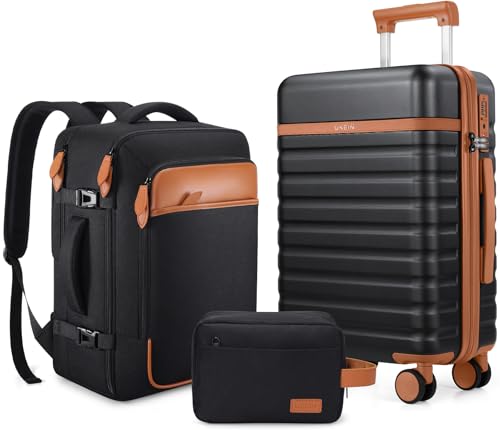
- BrandUKEIN

- TLR Rank7.8
TLR Rank is a ranking system developed by TravelLuggageReviews.com. TLR Rank has no relationship or impact from any manufacturers or sales agent websites. Learn more
- BrandSamsonite

- TLR Rank7.5
TLR Rank is a ranking system developed by TravelLuggageReviews.com. TLR Rank has no relationship or impact from any manufacturers or sales agent websites. Learn more
- BrandAmazon Essentials
Last update on 2026-11-14 / Affiliate links / Images, Product Titles, and Product Highlights from Amazon Product Advertising API
Empty the suitcase and read its care instructions first
Start with the care label or the luggage maker’s manual. A cleaner that works on one shell or fabric can dull, discolor, or weaken another. If you can’t find instructions on the bag, look up the specific model on the manufacturer’s website or contact the maker before using a new cleaner.
Open every pocket and take everything out, including removable dividers, laundry bags, and other parts. Shake loose crumbs into a bin, then use a vacuum with a soft brush attachment to remove dust from corners and seams. Keep the vacuum nozzle from catching zippers or loose threads.
Check the bag for peeling, cracks, loose stitching, or damaged lining before adding moisture. Cleaning won’t fix those problems, and water can make some damage worse. If a battery or electronic part is built into the luggage, follow its care instructions and keep that part dry.
Choose your cleaning method by material and mess. A hard shell can usually be wiped a small area at a time, while fabric can hold water and take longer to dry. For either kind, follow the maker’s instructions first and use only a cleaner the instructions allow.
Wipe a hard shell gently to avoid scratches
Hard shells may be made from different plastics, including ABS, a type of hard plastic used on some suitcases. Their finishes also vary. Do not assume that a cleaner safe for one suitcase is safe for another, even if both look alike.
- Remove loose dirt. Brush away grit with a clean, soft cloth. Grit can act like sandpaper if you rub it across the shell, so don’t scrub while dry.
- Prepare a mild cleaning solution only if allowed. If the care instructions permit it, mix a little mild soap with water. Dampen a soft cloth, then wring it out so it is not dripping.
- Wipe a small area. Use light pressure and move the cloth over the dirty spot. Rinse the cloth often in clean water so you don’t spread dirt around the case.
- Remove soap residue. Wipe the cleaned area with a separate cloth dampened with plain water. Use as little water as you can, especially around seams, locks, zippers, and openings.
- Dry the shell. Wipe it with a clean, dry cloth and leave the suitcase open in a well-aired place. Check the edges and seams for moisture before closing it.
For a scuff, begin with the same damp-cloth method instead of reaching for a rough pad. A mark that stays may be a scratch in the surface rather than dirt on top. Scrubbing harder can make the finish look dull, so stop if the mark does not lift with gentle wiping.
Don’t pour water over the suitcase or spray cleaner directly onto it. Liquid can run into seams and hardware even when the shell itself seems waterproof. If the instructions do not name a cleaner, ask the manufacturer what is suitable for that shell and finish.
Clean fabric and the lining without soaking them
Sturdy woven fabric can trap dust and spills between its threads. The lining is the fabric inside the suitcase, and it may be more delicate than the outside. Use the care instructions for each surface rather than treating the whole bag as one material.
- Vacuum first. Open the empty suitcase and use a soft brush attachment to lift crumbs and dust from the lining, seams, and pockets. Use a light touch around loose threads and zipper teeth.
- Check the cleaner before using it. If the instructions allow mild soap and water, dampen a clean cloth with the mixture and wring it out well. Don’t soak the fabric or pour liquid into a pocket.
- Spot clean the dirty area. Spot clean means gently cleaning only the marked area. Dab or wipe from the outside edge of a spill toward its center, using light pressure so the mark doesn’t spread.
- Lift away soap. Use another cloth dampened with plain water to wipe the area. Rinse and wring the cloth as needed, keeping it only slightly damp.
- Leave the bag open to dry. Unzip pockets and lift the lining away from the shell where it can rest without being pulled. Make sure no damp cloth, removable part, or item is left inside.
If the lining can be removed, check its label or the suitcase instructions before washing it separately. Removable does not always mean machine washable. If the instructions don’t say how to clean it, ask the maker rather than guessing.
For a spill inside, remove what you can with a dry cloth first. Press gently to absorb liquid instead of rubbing it deeper into the lining. Then use the approved damp-cloth method, and keep the suitcase open until the inside feels fully dry.
Handle stains, smells, wheels, and handles with care
- For a stain: Start with a dry cloth or the mildest cleaning method allowed by the care instructions. Work on the mark gently and stop if the fabric’s color transfers to the cloth or the surface changes.
- For a lingering smell: Empty the bag, open all pockets, and let it air in a dry, shaded place. Check for damp items, food crumbs, or a spill in a pocket. Don’t cover up the odor with perfume or scented spray, which may leave another residue.
- For wheels: Remove hair, thread, and lint caught around the wheels with your fingers or blunt tweezers. Wipe the exposed surfaces with a slightly damp cloth if the care instructions allow it, then dry them. Don’t pour water into the wheel area or add oil unless the maker says to.
- For handles: Wipe the grip and pull handle with a cloth dampened with an approved cleaner. Keep liquid out of the handle joints and let the parts dry before retracting or packing the suitcase.
- For a stain or smell that remains: If gentle cleaning does not help, or you see mold, extensive staining, or a broken lining, stop rather than applying stronger chemicals. Ask the luggage maker or a luggage repair shop about the safest next step.
Some marks may not come out without changing the surface. A faded patch, a dye stain, or a scratch can look like dirt but need a different repair. A cleaner that promises to remove every stain may still be wrong for your bag, so check compatibility with the manufacturer before using it.
Dry the luggage fully before storing it
- Leave the suitcase open in a dry room with good airflow. Open its pockets and loosen any removable lining so air can reach the areas that take longest to dry.
- Check the corners, seams, pockets, and the space between the lining and shell. Touch them with a clean hand. If any spot feels cool or damp, give it more time.
- Keep the bag out of strong direct sunlight and away from heaters or hair dryers. Heat can affect some materials and finishes, and quick drying does not make trapped moisture disappear.
- Put removable parts back only when they are dry. Store the suitcase open or slightly unzipped if you can, in a cool, dry place away from leaks and damp floors.
A suitcase that smells musty or feels damp should not be closed up with clothes inside. Trapped moisture can leave an odor and may encourage mold. If the smell continues after the bag is completely dry and clean, contact the maker or a repair shop before using it for clothing again.
Avoid harsh cleaners and rough scrubbing
- Skip bleach, strong household cleaners, solvents, and abrasive powders unless the luggage maker specifically approves them. These can discolor fabric or damage a shell’s finish.
- Don’t use scouring pads, rough brushes, or sharp tools on the shell or fabric. They can scratch plastic, pull threads, and make a small snag larger.
- Don’t soak the suitcase, put it in a washing machine, or spray it with a hose. Excess water can reach the lining, seams, zippers, and wheel parts.
- Don’t mix cleaning products. A mixture can produce harmful fumes or damage the bag. Use one approved cleaner at a time and follow its label.
- Don’t apply a new cleaner to the whole suitcase without checking the care instructions. If the maker allows a small-area check, follow its directions and stop if the color or finish changes.
If a cleaner causes a strong odor, skin irritation, or breathing discomfort, stop using it and move to fresh air. Follow the cleaner’s label for safe handling. For a damaged suitcase, a persistent smell, or a stain that needs stronger treatment, get advice from the manufacturer or a luggage repair shop rather than risking more damage.
FAQs
Can I use soap and water on every suitcase?
No. Suitcase materials and finishes differ, so check the care label or manual before using soap and water. If the instructions allow it, use a small amount of mild soap on a well-wrung cloth instead of soaking the bag.
How do I clean luggage after a spill?
Empty the suitcase and blot the spill with a dry cloth as soon as you can. Don’t rub, since that can push the spill farther into fabric or lining. Use only a cleaning method approved for the material, then leave the bag open until it is fully dry.
What should I do if the suitcase still smells after cleaning?
Check every pocket and seam for crumbs, damp items, or residue, then air the empty suitcase in a dry place with its pockets open. Avoid masking the odor with fragrance. If the smell remains after the bag is fully dry, ask the maker or a repair shop for advice.
Can I use a hair dryer to dry luggage faster?
A hair dryer can expose some materials and finishes to heat they may not handle well. Leave the suitcase open in a dry, well-aired place instead. Check that the lining, pockets, and seams are dry before storing it.
Browse more: carry-on luggage reviews.
Related guides: how to clean luggage and how to clean old luggage and how to clean hard shell luggage.


Best Affordable Carry On Luggage 2026 - 11 Most Loving

The 12 Best Carry On Luggage For Bad Back 2026 - Top Choices

Best Lightest carry on luggage with wheels in 2026

Top Airport Traveling Suitcases: Our 11 Best Picks

The Best Delsey Paris Luggage Set 2026

Top 10 Delsey Softside Luggage Picks for Stress-Free Travel

11 Best Guest Room Luggage Rack of 2026 To Protect Clean Bedding

11 Best Grom Luggage Rack of 2026 For Direct Bolt-On Fit










