
How to Fold a Dress for Travel Without Wrinkles

Rolling works best for casual, stretchy fabrics, while delicate or structured dresses need a wide, flat fold. The exact material in your hands decides which path to take. Stretchy cotton and jersey sundresses stay smooth when you roll them into soft cylinders that tuck neatly into corners. Stiff linen, slippery silk, and formal party dresses crease under pressure, so they need a gentle flat fold with a thin layer of plastic or tissue paper to prevent deep lines.
Dress length and suitcase space change the routine as well. A floor-length maxi dress needs accordion folds across the skirt to prevent uneven bulges in a small carry-on bag. Heavy embellishments, delicate lace, or structured bodices also need flat placement right near the top of your luggage so heavy items do not crush them. Here is how to fold every style so it arrives ready for dinner.
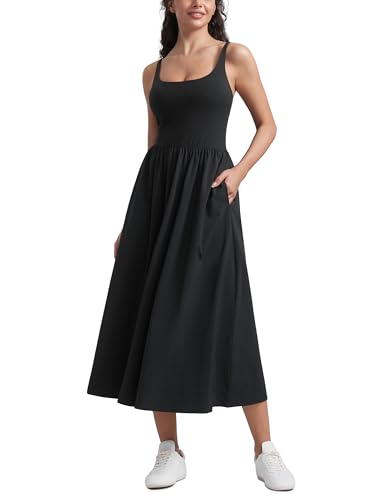
- TLR Rank9.2
TLR Rank is a ranking system developed by TravelLuggageReviews.com. TLR Rank has no relationship or impact from any manufacturers or sales agent websites. Learn more
- BrandCRZ YOGA

- TLR Rank9.2
TLR Rank is a ranking system developed by TravelLuggageReviews.com. TLR Rank has no relationship or impact from any manufacturers or sales agent websites. Learn more
- BrandBoxLegend

- TLR Rank9.2
TLR Rank is a ranking system developed by TravelLuggageReviews.com. TLR Rank has no relationship or impact from any manufacturers or sales agent websites. Learn more
- BrandBoxLegend

- TLR Rank9.2
TLR Rank is a ranking system developed by TravelLuggageReviews.com. TLR Rank has no relationship or impact from any manufacturers or sales agent websites. Learn more
- BrandUnivivi

- TLR Rank9.2
TLR Rank is a ranking system developed by TravelLuggageReviews.com. TLR Rank has no relationship or impact from any manufacturers or sales agent websites. Learn more
- BrandBoxLegend

- TLR Rank9.0
TLR Rank is a ranking system developed by TravelLuggageReviews.com. TLR Rank has no relationship or impact from any manufacturers or sales agent websites. Learn more
- BrandANRABESS

- TLR Rank8.8
TLR Rank is a ranking system developed by TravelLuggageReviews.com. TLR Rank has no relationship or impact from any manufacturers or sales agent websites. Learn more
- BrandGeniusidea

- TLR Rank8.8
TLR Rank is a ranking system developed by TravelLuggageReviews.com. TLR Rank has no relationship or impact from any manufacturers or sales agent websites. Learn more
- BrandVosaplk

- TLR Rank8.8
TLR Rank is a ranking system developed by TravelLuggageReviews.com. TLR Rank has no relationship or impact from any manufacturers or sales agent websites. Learn more
- BrandShonpy

- TLR Rank8.6
TLR Rank is a ranking system developed by TravelLuggageReviews.com. TLR Rank has no relationship or impact from any manufacturers or sales agent websites. Learn more
- BrandZTMZA

- TLR Rank8.2
TLR Rank is a ranking system developed by TravelLuggageReviews.com. TLR Rank has no relationship or impact from any manufacturers or sales agent websites. Learn more
- BrandHousehold Essentials
Last update on 2026-10-24 / Affiliate links / Images, Product Titles, and Product Highlights from Amazon Product Advertising API
The Short Version
- Roll casual, stretchy dresses: Knits, synthetic blends, and jersey (stretchy t-shirt fabric) pack down small and resist creasing when rolled into smooth, snug cylinders.
- Flat-fold delicate and structured fabrics: Linen, silk, satin, and tailored gowns need wide, gentle folds with plastic or tissue paper layered inside to prevent sharp creases.
- Control maxi dress bulk: Fold wide skirts inward into a straight column before making two or three loose horizontal folds so the fabric lays flat instead of piling into a lumpy wedge.
- Unpack on arrival: Hang dresses as soon as you reach your hotel room, and let the steam from a hot shower relax any minor settling lines without reaching for an iron.
Roll or Fold: How Fabric Dictates Your Packing Method
The right way to pack a dress depends entirely on the fabric and construction of the garment. Many travelers assume that one packing method works for everything in their closet. When you treat a stiff linen sundress the same way you treat a stretchy cotton knit, you end up with sharp, set-in lines across your chest and lap.
Fabrics behave differently under suitcase compression. Knits and synthetic blends have elastic fibers that stretch and recover naturally. Because these fabrics do not hold rigid press lines, rolling them preserves their smooth shape while saving valuable suitcase volume. If you are packing for a warm beach escape where to travel without a US passport, rolling lightweight sundresses lets you fit an entire warm-weather wardrobe into a single carry-on bag that fits in the overhead bin.
Woven fabrics like pure linen, cotton poplin, silk, and formal satin react poorly to being rolled. Rolling wovens creates uneven tension, leaving spiral wrinkles along the entire length of the skirt. These garments require flat folding. Flat folds distribute fabric across a wider surface, keeping lines shallow and easy to release.
Structured dresses also need flat folding. If a dress has an inner lining, boning, built-in bra cups, pleats, or thick collar details, rolling will crush that internal structure. Laying structured pieces flat inside your bag keeps the seams straight and protects the silhouette.
The Rolling Method for Casual Knits and Sundresses
Rolling is fast, space-efficient, and ideal for casual daywear. When done correctly, rolling keeps your everyday dresses neat, compact, and ready to wear straight out of your bag. Follow these steps to get a smooth, wrinkle-free roll every time:
- Clear a flat surface: Lay your dress face down on a clean bed, table, or flat floor. Use your flat palms to smooth out the front and back panels, pushing out any lumps or fabric bunches.
- Fold the sleeves and side edges inward: Bring both sleeves flat across the back of the dress. If the dress has wide straps or short sleeves, fold the side edges inward just enough to turn the torso into a clean, straight rectangle from top to bottom.
- Square off the skirt: A-line sundresses and swing dresses flare outward toward the hem. Fold the flared outer corners of the skirt inward until the sides of the dress run completely parallel from the armpits to the hemline.
- Roll smoothly from the collar down: Start at the neckline or shoulder straps. Roll the fabric downward toward the hem, smoothing the sides with your fingers as you go. Keep the roll firm and snug, but do not stretch or pull the fabric. Pulling stretches the fibers out of shape while they sit under suitcase pressure.
- Pack with the seam edge down: Place the finished roll into your suitcase or packing cube with the loose hem flap facing down. Nesting your rolled dresses side by side keeps them from unrolling while your luggage is in transit.
The Flat-Fold Method for Linen, Silk, and Structured Dresses
Linen shirts and silk slip dresses require a gentle approach. Flat folding creates wide, soft bends rather than tight curls, keeping sharp creases from setting into delicate woven threads. Here is how to flat-fold a structured or delicate dress for travel:
- Fasten all closures: Zip up the back zipper, fasten any hook-and-eye closures, and button every button along the bodice. Fastening closures keeps the dress from shifting sideways or pulling unevenly while you fold.
- Smooth the front and back: Lay the dress face down on a flat surface. Straighten the collar, cuffs, and hem. Run your hands over the fabric from the center outward toward the seams to ensure the under-layer is not caught or crumpled.
- Add a protective center layer: Lay a sheet of plain white tissue paper or a plastic dry-cleaning bag down the back of the dress. This barrier acts as a cushion that prevents the fabric from pressing directly against itself when folded.
- Fold the sides into thirds: Take one side of the dress and fold it lengthwise toward the center, bringing the sleeve down flat along the fold line. Repeat the process with the opposite side so the dress forms a long, neat column roughly the width of your suitcase compartment.
- Make gentle horizontal folds: Fold the bottom hem upward by one-third, and then fold the upper bodice down over the top. If the dress is made of delicate satin or linen, slip another small piece of tissue paper into the bend of each fold. This keeps the fold rounded rather than pinched flat.
Taming Length: How to Fold a Full Maxi Dress Without Bulk
Maxi dresses present a unique packing problem. With up to six feet of fabric and wide, flowing skirts, a maxi dress can easily turn into a thick, uneven lump that eats up half your carry-on bag. The secret is managing the skirt flare before making any horizontal folds.
- Align the side seams: Pick the dress up by the shoulder seams or straps and give it a gentle shake to let the skirt settle. Lay the dress flat on its back, matching the left and right side seams along the entire length of the skirt.
- Tuck in the bottom flare: Maxi skirts are much wider at the bottom than at the waist. Take the wide outer corners of the skirt and fold them inward into soft triangles. Your goal is to transform the wide triangular skirt into a straight, even rectangle that matches the width of the bodice.
- Fold the dress in half lengthwise: Take one side of the dress and fold it directly over the other, along the vertical center line. You now have a single, long, narrow column of fabric.
- Use wide accordion folds: Instead of rolling all that fabric into a massive cylinder, use wide horizontal folds. Fold the bottom third of the skirt upward. Then, fold the top bodice down over the folded skirt. This creates a flat, balanced package with the fabric weight distributed evenly across the entire surface.
- Position in your bag: Pack your folded maxi dress flat along the bottom of your suitcase or resting smoothly on top of your packing cubes. Avoid jamming it into corner pockets where the long edges can get crushed.
Friction Barriers: Using Tissue Paper, Plastic, and Packing Folders
Most travelers think suitcase wrinkles come purely from pressure. In reality, deep creases are usually friction wrinkles (creases caused when fabrics rub against each other under suitcase pressure). When your suitcase moves, shifts, or gets stacked under other bags, layers of fabric grip each other and twist into stubborn folds. Using a simple barrier eliminates that friction.
- Plastic dry-cleaning bags: Slipping a dress inside a thin plastic bag from the dry cleaner is one of the most effective ways to prevent travel creases. The slick plastic slides against itself whenever the suitcase shifts, meaning the fabric glides instead of catching and folding.
- Acid-free white tissue paper: Placing tissue paper inside the folds of silk, satin, or rayon cushions the bends. The paper creates a rounded curve instead of a hard crease. Always use plain white tissue, as colored paper can bleed dye onto your clothes if your luggage encounters moisture or humidity.
- A packing folder: A packing folder (a flat travel envelope that holds clothes neat and stiff) uses rigid backboards and folding wings to keep clothes compressed and completely immobile. If you are flying on a tight schedule or using non rev travel passes where overhead space is unpredictable, a packing folder keeps your best dresses from crumpling even if your bag gets tossed or shifted.
- Strategic suitcase placement: Always pack your delicate dresses near the top of your luggage, directly beneath the main zippered divider. Never place heavy items like running shoes, toiletry kits, or hair dryers on top of folded dresses, as concentrated weight forces creases deep into the fabric weave.
The Arrival Routine: Getting Rid of Minor Packing Wrinkles Fast
Even the most careful folding can leave soft settling lines. What you do during your first ten minutes in a hotel room makes the difference between an outfit that looks freshly pressed and one that looks like it lived in a bag. Follow this simple arrival routine:
- Unpack immediately upon arrival: Do not leave your dresses compressed in your suitcase until dinner time. Unzip your bag, take the dresses out of their packing cubes or folders, and let the fibers breathe. The sooner you release the compression, the easier it is for wrinkles to fall out naturally.
- Use the right hotel hanger: Hang your dresses on sturdy wooden or wide plastic hangers from the hotel closet. If the dress has inner hanging ribbons sewn into the armpits, loop them over the hanger hooks to support the weight of the skirt and protect delicate shoulder straps from stretching. Avoid thin wire hangers that leave dimples in soft fabrics.
- Harness bathroom steam: Hang your dress on the hook on the back of the bathroom door while you take a hot shower. Close the door to let the room fill with warm steam. The moisture softens the fabric fibers while gravity pulls the weight of the dress downward, releasing minor creases within fifteen minutes. Keep the dress far enough away from the shower stall to prevent direct water splashes.
- Smooth damp seams with your fingers: After steaming, run your clean, dry hands down the seams, lapels, and hem. Gently tug the bottom of the skirt downward to smooth the fabric while it is still warm and pliable, then let it air out in the main room before wearing.
Packing Tools That Keep Dresses Crisp in Luggage
While good technique solves most packing headaches, having the right luggage accessories makes the job much faster. If you travel frequently for weddings, business conferences, or resort vacations, investing in a few simple packing aids keeps your wardrobe organized and protected.
Travel garment folders are ideal for woven and structured dresses. These flat envelopes include an internal folding template that guides you to fold every piece to the exact same dimensions. The stiff backing board prevents the dress from bending in half inside your suitcase, while adjustable Velcro wings let you compress the contents down to save space.
Lightweight laundry folding boards are another useful tool for travelers who want consistent, retail-style folds at home before packing. They allow you to fold wide sundresses, t-shirt dresses, and skirts into uniform widths in seconds, ensuring that everything stacks neatly inside your luggage compartments without bunched edges.
For long formal dresses, consider a breathable, lightweight garment bag made from non-woven fabric. Look for a cover with a transparent viewing window and sturdy zippers. When traveling, you can fold the garment bag gently in half or thirds inside a rolling suitcase, keeping delicate lace, beading, and thin straps isolated from zippers, belt buckles, and rough denim.
FAQs
Should I roll or fold a satin dress for a wedding?
You should always flat-fold a satin dress rather than rolling it. Satin has a smooth, shiny surface that shows every tiny pull and wrinkle, and rolling creates long spiral creases down the bias of the skirt. Fold the dress flat with sheets of clean white tissue paper or a plastic dry-cleaning bag layered between each fold to keep the slick fabric from catching on itself.
Can I pack dresses in vacuum compression bags?
Vacuum compression bags work well for bulky knit sweaters or jackets, but you should avoid using them for delicate, linen, or formal dresses. Sucking all the air out of the bag exerts intense pressure on the fabric, which crushes the fibers and sets deep, stubborn wrinkles that are nearly impossible to remove without a heavy steam iron. Stick to packing folders or standard cubes for dress wear.
How do I fold a dress with a built-in shelf bra or padding?
Lay the dress face down and make sure the padded cups are smooth and resting in their natural rounded shape before you fold. Fold the sides inward along the outer edges of the cups, and never fold the dress horizontally across the padded chest area. Fold the skirt up toward the bottom of the bodice so the chest cups remain completely flat and uncrushed during travel.
What should I do if my hotel room does not have an iron?
Hang the dress in the bathroom while running a hot shower to let the steam relax the fibers naturally. If you have stubborn creases near the hem or collar, you can also use a hotel hair dryer on a medium heat setting. Hold the dryer nozzle at least six inches away from the fabric, moving it continuously while gently pulling the hem taut with your free hand.


Best Affordable Carry On Luggage 2026 - 11 Most Loving

The 12 Best Carry On Luggage For Bad Back 2026 - Top Choices

Best Tandem Double Buggy 2026 - 11 Best Rating

Top 12 Kids Rolling Suitcases for Fun and Easy Travel

The Ultimate Guide to Choosing the Best 8 Wheel Suitcase

Best Lightest carry on luggage with wheels in 2026

Top Airport Traveling Suitcases: Our 11 Best Picks

The Best Prams For Rough Terrain - (2026 Top Choice)










