
How to Fold a Shirt for Travel Without Wrinkles

Most travelers assume rolling every piece of clothing is the best way to prevent creases and save luggage space. That routine only works half the time. The reliable approach is to roll stretchy knit tees into compact bundles, but fold structured dress shirts flat across the back so collars and button lines stay crisp.
The right method always comes down to your fabric and your luggage. Crisp cotton and stiff linen crease badly under tight pressure, whereas stretchy synthetic fabrics bounce back from being rolled. Luggage shape plays a role too, since hard suitcases support flat stacks while soft duffels or backpacks favor neat rolled tubes. A few simple adjustments will keep every top smooth and ready to wear straight out of your bag.
- TLR Rank9.2
TLR Rank is a ranking system developed by TravelLuggageReviews.com. TLR Rank has no relationship or impact from any manufacturers or sales agent websites. Learn more
- BrandBoxLegend

- TLR Rank9.2
TLR Rank is a ranking system developed by TravelLuggageReviews.com. TLR Rank has no relationship or impact from any manufacturers or sales agent websites. Learn more
- BrandBoxLegend

- TLR Rank9.2
TLR Rank is a ranking system developed by TravelLuggageReviews.com. TLR Rank has no relationship or impact from any manufacturers or sales agent websites. Learn more
- BrandPonhog

- TLR Rank9.2
TLR Rank is a ranking system developed by TravelLuggageReviews.com. TLR Rank has no relationship or impact from any manufacturers or sales agent websites. Learn more
- BrandThule
- TLR Rank9.2
TLR Rank is a ranking system developed by TravelLuggageReviews.com. TLR Rank has no relationship or impact from any manufacturers or sales agent websites. Learn more
- BrandBoxLegend
- TLR Rank8.8
TLR Rank is a ranking system developed by TravelLuggageReviews.com. TLR Rank has no relationship or impact from any manufacturers or sales agent websites. Learn more
- BrandGeniusidea

- TLR Rank8.8
TLR Rank is a ranking system developed by TravelLuggageReviews.com. TLR Rank has no relationship or impact from any manufacturers or sales agent websites. Learn more
- BrandVosaplk

- TLR Rank8.8
TLR Rank is a ranking system developed by TravelLuggageReviews.com. TLR Rank has no relationship or impact from any manufacturers or sales agent websites. Learn more
- BrandGeniusidea

- TLR Rank8.2
TLR Rank is a ranking system developed by TravelLuggageReviews.com. TLR Rank has no relationship or impact from any manufacturers or sales agent websites. Learn more
- BrandHousehold Essentials
- TLR Rank7.2
TLR Rank is a ranking system developed by TravelLuggageReviews.com. TLR Rank has no relationship or impact from any manufacturers or sales agent websites. Learn more
- BrandEsmtoy-my
Last update on 2026-10-24 / Affiliate links / Images, Product Titles, and Product Highlights from Amazon Product Advertising API
Rolling fits stretchy knits while folding suits crisp fabrics
Choosing between rolling and folding comes down to fabric type. Shirts fall into two basic categories: stretchy knits and crisp woven fabrics. Knitted fabrics, like cotton T-shirts, polo shirts, and athletic tops, are made of interlocking loops of thread. When you bend or curl a knit shirt, those loops slide over one another without setting into sharp creases. Rolling knit shirts wraps the cloth smoothly around itself, preventing deep fold marks and saving space in your bag.
Woven fabrics work differently. Dress shirts, button-downs, and linen tops are woven on a loom with tight vertical and horizontal threads. These fabrics have very little natural stretch. When you roll a crisp cotton dress shirt or linen top tightly, the threads bunch up and twist across the grain. That creates accordion creases across the chest, back, and the front button strip (the placket). Woven shirts need flat folds that follow seam lines to stay smooth.
Your choice also depends on your luggage. Duffel bags and backpacks have flexible sides and curved corners, making it simple to tuck tight rolled tubes into open spaces. In contrast, a carry-on bag that fits in the overhead bin has a flat, rigid floor. Flat-folded shirts lay flat against that base, forming a neat stack that will not slide or bunch up.
Using both methods gives you the best results. Fold your formal button-downs flat so they stay neat for dinners and meetings. Then roll casual undershirts, gym tops, and sleepwear to fill the empty gaps around your bag.
Fold dress shirts flat across the back
A collared dress shirt requires a structured fold that protects the collar and keeps the front button strip straight. If the buttons shift during travel, the fabric twists and wrinkles across the chest. You can fold your shirt on a clean bed, desk, or table.
- Button the front: Fasten the top collar button, the second button, and every other button down the front button strip (the placket). This keeps the front panels aligned so the shirt does not twist.
- Lay the shirt face down: Place the shirt face down on a flat surface. Spread the arms out to the sides. Use your hands to smooth out all wrinkles across the back fabric, from the collar down to the hem.
- Fold the first side panel: Fold the left side inward toward the center back, about one-third of the total width. The fold line should run straight from the middle of the shoulder down to the bottom edge.
- Angle the sleeve down: Take the left sleeve and fold it straight down along the outer folded edge of the shirt. Keep the cuff flat against the fabric so it does not bunch up near the waist.
- Fold the second side panel: Fold the right side inward toward the center, mirroring the left side. Fold the right sleeve straight down along the edge, creating a narrow rectangle.
- Fold the bottom hem up: Bring the bottom edge up halfway. Then fold that lower section once more up to the collar. Turn the shirt over so it rests face up. The collar sits uncrushed at the top of a neat square.
For light cotton or linen, you can place a sheet of clean tissue paper across the back before folding the sleeves in. The tissue paper acts as a slick barrier between fabric layers, stopping the cloth from rubbing against itself during travel.
Leave your collar stays in place to protect the points. You can also roll a leather belt into a circle and set it inside the collar opening. The rolled belt acts as a firm wall that stops heavy items from crushing the collar downward.
Use the military roll to pack compact tees
For casual T-shirts, gym tops, and synthetic fabrics, the military roll is the most secure packing technique. Also known as the ranger roll (rolling a shirt tightly inside its own bottom hem), this method turns a loose shirt into a tight cylinder. A ranger roll cannot unroll in your bag, even when you pull other items out around it.
- Lay the shirt flat: Place the T-shirt face up on a clean, flat surface. Smooth out all fabric creases across the chest and hem with your hands.
- Create the bottom cuff: Reach down to the bottom hem. Turn the bottom three to four inches of the hem inside out, creating an open cuff around the entire bottom edge.
- Fold the sides inward: Fold the left side inward one-third toward the center, folding the sleeve back over itself. Fold the right side inward over the left to create a narrow vertical strip.
- Roll tightly from the top: Starting at the neck collar, roll the shirt downward toward the bottom hem as tightly and evenly as possible. Keep the roll firm like a small sleeping bag.
- Tuck into the cuff: Hold the rolled cylinder firm. Use your hands to pull the inside-out hem cuff up and over the roll, locking the cylinder inside its own fabric so it cannot unravel.
This technique is practical when space is tight. If you fly on standby through airline employee perks, carry-on room is critical because you cannot risk checking bags on flexible routes. Learning what non rev travel involves makes it clear why packing every shirt into a compact cylinder helps you move fast between gates.
Ranger rolls also fit neatly into an under-seat personal item or a small duffel. Stand them vertically like drink cans so you can see every shirt at a glance without digging through messy piles.
Place shirts on top of heavy luggage items
How you pack your suitcase matters just as much as how you fold your shirts. Even a carefully folded shirt will wrinkle if a heavy pair of boots sits on top of it. Suitcases shift and bounce during transit, driving heavy gear down into delicate fabric.
To keep your shirts smooth, pack your suitcase in three clear layers from bottom to top:
- Base layer near the wheels: Place your heaviest gear at the bottom of the bag. This includes running shoes, boots, heavy denim jeans, and thick jackets. Stuff clean socks inside your shoes to save room and protect their shape.
- Middle layer: Put your toiletry kit in the center. Pack rolled T-shirts, shorts, and underwear around it. These soft rolls act as shock absorbers that keep hard items from sliding around.
- Top layer: Lay your flat-folded dress shirts and collared tops across the top of your packed gear. Sitting on a soft base protects the collars and buttons from downward pressure.
When packing light for a quick trip and looking up where to travel without a US passport, skipping checked bags saves time at baggage claim. Because carry-on bags shift during flights, fasten your suitcase straps gently across the top layer. Keep straps snug so shirts do not slide, but avoid pulling them so tight that they crease the fabric.
Steam away light creases in the bathroom shower
Even careful packing can leave faint fold lines in cotton and linen shirts. You do not need an ironing board to fix these light creases. Hot water and steam from your hotel shower relax fabric fibers naturally while you unpack.
Put your shirt on a plastic or wooden hanger. Fasten the collar button and middle button so the front hangs straight. Hang it on the bathroom door hook or outer shower curtain rod, far enough from the water to prevent splashes.
Turn the shower to hot, close the door, and leave the exhaust fan off. Let steam fill the room for ten to fifteen minutes. The warm moisture loosens stiff threads. Step in, take the bottom hem with both hands, and gently pull downward. Run a flat palm across the chest and sleeves to help creases drop out.
Move the shirt to the main room where the air is dry. Let it cool for ten minutes before wearing it. Wearing a freshly steamed shirt while the fabric is still warm and damp will press new wrinkles back into the cloth.
For stubborn creases on collars or cuffs, press a warm, damp washcloth against the fold for twenty seconds. If the room has a hair dryer, hold the nozzle six inches away on medium heat. Wave warm air across the crease while smoothing the cloth with your free hand. Never touch a hot hair dryer nozzle directly to polyester or nylon, as synthetic fibers melt under direct heat.
Packing folders protect collars inside soft travel bags
If you travel often for work or carry multiple dress shirts in a duffel bag, a garment folder (a flat travel organizer sleeve) offers reliable protection. Soft bags bend and squeeze under pressure, which can crush collars and create harsh lines across folded clothes. A garment folder acts as a protective shield that keeps shirts crisp.
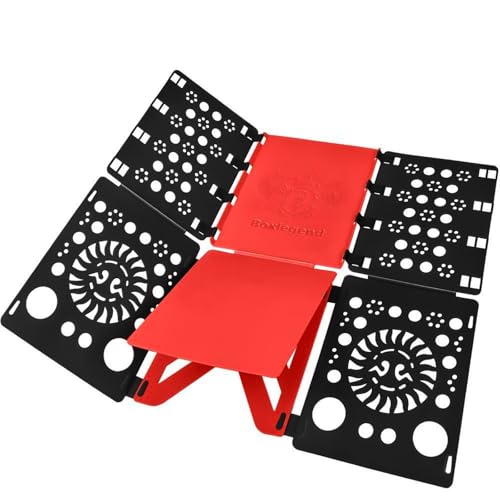
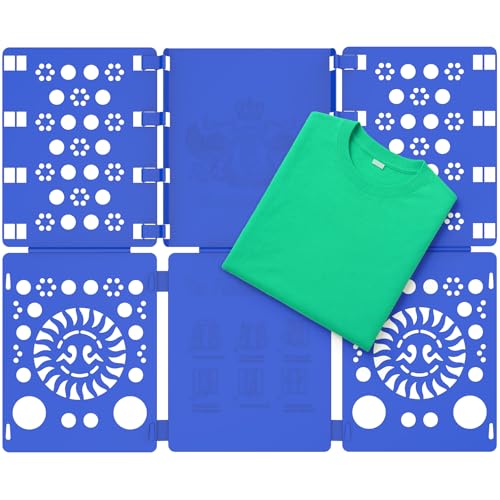
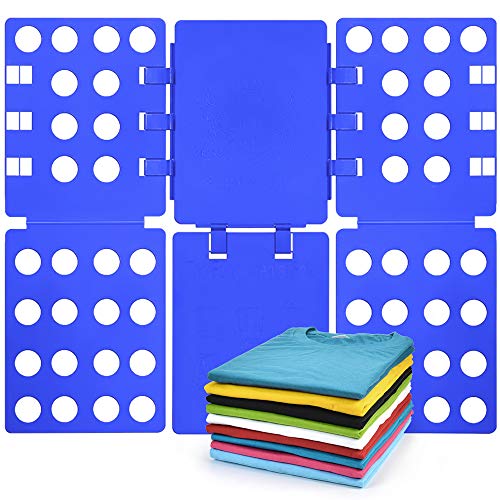
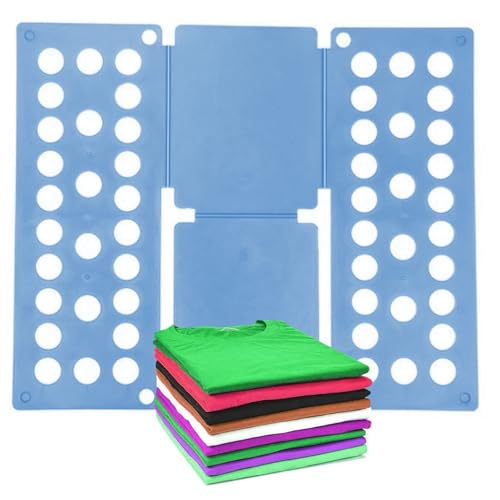
A garment folder uses a stiff folding board and an envelope sleeve with folding wings. You place each shirt over the board, fold the sleeves around the edges, and stack the shirts together. The outer wings wrap around the stack and fasten securely, keeping shirts from shifting or rubbing against other items in your bag.
Before buying a travel garment folder, check several practical details to ensure it fits your luggage:
- Dimensions and bag fit: Make sure the folder fits your standard carry-on bag that fits in the overhead bin. A folder measuring fifteen to seventeen inches long will fit easily across the base of most carry-on luggage without jamming the zippers.
- Board stiffness: Choose a folder that includes a sturdy plastic folding helper. The board needs enough stiffness to resist bending when other items press against it in your bag.
- Adjustable compression wings: Check that the folder has wide fabric wings with firm hook-and-loop fasteners. Adjustable wings let you compress four to eight shirts, flattening out excess bulk while holding the collars safe.
- Lightweight fabric: Pick an organizer made from lightweight, tear-resistant ripstop polyester or nylon. It should protect your shirts from dirt and friction without eating into your airline weight allowance.
See also: how to fold a long sleeve shirt for travel.


Best Affordable Carry On Luggage 2026 - 11 Most Loving

The 12 Best Carry On Luggage For Bad Back 2026 - Top Choices

Best Tandem Double Buggy 2026 - 11 Best Rating

Top 12 Kids Rolling Suitcases for Fun and Easy Travel

The Ultimate Guide to Choosing the Best 8 Wheel Suitcase

Best Lightest carry on luggage with wheels in 2026

Top Airport Traveling Suitcases: Our 11 Best Picks

The Best Prams For Rough Terrain - (2026 Top Choice)










