
How to Fold Slacks for Travel Without Wrinkles

Lay the pants flat on a clean bed and align the legs along their existing center creases before making a single fold. Doing this prevents awkward lines across the fabric and keeps the original press sharp throughout the journey. Smooth the cloth from the waistband down to the cuffs with your hands, then fold the legs gently into thirds or roll them loosely around a soft shirt.
The right approach changes slightly with the pants you pack. Lightweight wool naturally shakes out small wrinkles, while stiff cotton chinos and summer linen hold sharp bends if compressed too tightly. Flat-front trousers without a center line fold better along the side seams, and a packed carry-on bag demands softer folds than a hanging suit carrier. Here is how to master each method step by step so your pants arrive crisp and ready to wear.

- TLR Rank9.4
TLR Rank is a ranking system developed by TravelLuggageReviews.com. TLR Rank has no relationship or impact from any manufacturers or sales agent websites. Learn more
- BrandTrubetter

- TLR Rank9.4
TLR Rank is a ranking system developed by TravelLuggageReviews.com. TLR Rank has no relationship or impact from any manufacturers or sales agent websites. Learn more
- BrandTrubetter

- TLR Rank9.2
TLR Rank is a ranking system developed by TravelLuggageReviews.com. TLR Rank has no relationship or impact from any manufacturers or sales agent websites. Learn more
- BrandThule

- TLR Rank9.2
TLR Rank is a ranking system developed by TravelLuggageReviews.com. TLR Rank has no relationship or impact from any manufacturers or sales agent websites. Learn more
- BrandHOUSE DAY

- TLR Rank9.2
TLR Rank is a ranking system developed by TravelLuggageReviews.com. TLR Rank has no relationship or impact from any manufacturers or sales agent websites. Learn more
- BrandEagle Creek

- TLR Rank9.2
TLR Rank is a ranking system developed by TravelLuggageReviews.com. TLR Rank has no relationship or impact from any manufacturers or sales agent websites. Learn more
- BrandPonhog

- TLR Rank8.8
TLR Rank is a ranking system developed by TravelLuggageReviews.com. TLR Rank has no relationship or impact from any manufacturers or sales agent websites. Learn more
- BrandVosaplk

- TLR Rank8.8
TLR Rank is a ranking system developed by TravelLuggageReviews.com. TLR Rank has no relationship or impact from any manufacturers or sales agent websites. Learn more
- BrandShonpy
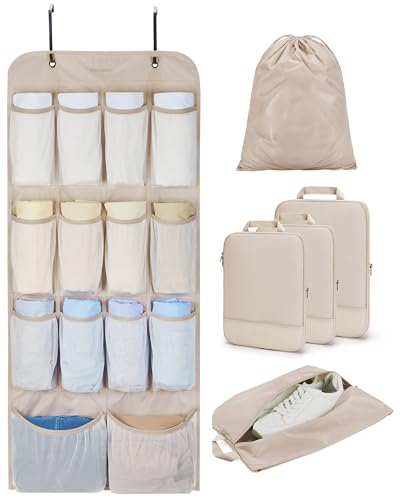
- TLR Rank8.6
TLR Rank is a ranking system developed by TravelLuggageReviews.com. TLR Rank has no relationship or impact from any manufacturers or sales agent websites. Learn more
- BrandBAGSMART

- TLR Rank8.2
TLR Rank is a ranking system developed by TravelLuggageReviews.com. TLR Rank has no relationship or impact from any manufacturers or sales agent websites. Learn more
- BrandHousehold Essentials
Last update on 2026-10-24 / Affiliate links / Images, Product Titles, and Product Highlights from Amazon Product Advertising API
How do you fold along the original creases?
The standard flat fold works best for dress slacks because it uses the permanent center press lines already pressed into the fabric. When you fold along those factory lines, you reinforce the shape of the pants rather than fighting it.
- Empty every pocket. Take out your keys, wallet, receipts, and loose coins. Even a tiny plastic card left in a back pocket will leave a permanent, shiny square impression on fine wool when your luggage gets pressed down in transit.
- Fasten the waistband and fly. Zip the zipper completely and button the waistband clasp. This locks the top of the trousers square and prevents the hips from twisting sideways while you handle the legs.
- Grasp the cuffs by the center press lines. Hold the pants upside down by the bottom leg openings. Pinch the sharp front crease and the sharp back crease together on each leg. This naturally pulls the inside leg seam (the seam running down your inner thigh) and the outside leg seam (the seam running down your outer hip) toward each other.
- Lay the trousers on a hard, clean surface. Place the pants flat on a firm bed, tabletop, or ironing board with the legs stacked directly on top of each other. Run your palms firmly from the crotch down to the cuffs to smooth out any trapped pockets of air and flatten loose pocket linings.
- Fold the legs into thirds instead of halves. Folding trousers directly in half creates a sharp horizontal crease right across the kneecap, which is the most visible spot when you walk into a room. Instead, bring the bottom cuffs up to the middle of the thigh. Then fold the waistband down over the cuffs. This puts your fold lines just below the knee and high on the thigh, where natural sitting wrinkles hide them.
Should you roll or fold dress slacks?
Folding works best for structured dress trousers, while rolling works best for casual slacks without center press lines. The right choice comes down to the fabric and whether your pants have a sharp vertical crease pressed down the front.
Tailored suit trousers and dress slacks made from lightweight wool rely on sharp vertical lines down the leg. If you roll them, you force that crisp center fold to spiral around the leg, which twists the crease and leaves the fabric wavy when you unpack. Wool fibers naturally spring back into shape, so a clean flat fold keeps the legs sharp without creating extra wrinkles.
Chinos, casual cotton trousers, and modern travel pants made from synthetic stretch blends do better with rolling. These fabrics do not have a pre-pressed center line, so they benefit from avoiding any flat fold bends at all. Rolling these styles saves room in a duffel bag or backpack and lets you tuck them into narrow packing spots.
If you fly standby or use airline employee travel benefits, also known as non rev travel, airlines often enforce strict business-casual dress codes at the gate. In those situations, pulled-together wool slacks are a safer bet than casual chinos, and a clean flat fold inside your bag ensures you look ready for boarding without needing an iron.
When you choose to roll, keep it loose. Rolling trousers too tightly stretches the outer face of the cloth and crushes the inner layers against themselves, which leaves stubborn cross-hatch ripples. Roll the pants gently around a soft core, like a clean cotton t-shirt, to keep the bend radius wide and smooth.
How does the bundle method stop deep creases?
The bundle method stops deep creases by wrapping your slacks around a soft, rounded core of other clothes instead of folding the fabric flat against itself. Wrinkles happen when fabric bends sharply under heavy weight. When you eliminate sharp bends, you eliminate deep creases.
To use this method, you build a layered wrap. Start by laying your slacks flat across your bed with the waistband on one side and the legs extending out in the opposite direction. Lay a second item, such as a long-sleeve dress shirt, perpendicular across the slacks so the two garments form a cross.
Place a soft, rectangular core right in the center where the clothes cross. This core can be a small packing cube filled with socks and underwear, or a couple of neatly folded knit sweaters. The core acts as a cushion that prevents any garment from bending at a sharp angle.
Wrap the arms and tails of the shirt smoothly around the core without pulling them tight. Then fold the waistband of the slacks over the bundle, followed by the legs. The trouser legs curve gently around the outer surface of the soft bundle, creating a wide, gentle loop rather than a pressed crease.
When you arrive at your destination, unwrap the bundle in reverse order. Because the slacks never experienced a hard 180-degree fold under luggage pressure, the fabric drops straight down without horizontal band lines across the legs.
Where should slacks sit inside your suitcase?
Where your slacks sit inside your luggage determines whether they stay smooth or get crushed under heavy gear. Follow this packing order to protect fine trousers from heavy pressure during your trip:
- Place heavy items at the wheel base: Put your dress shoes, toiletry kits, and shoe trees at the bottom of the suitcase near the wheels. When your suitcase stands upright in an airport line or rides in an overhead bin, heavy gear slides down and crushes whatever sits beneath it.
- Build a level intermediate layer: Fill the middle zone of your suitcase with sturdy, flat items like jeans, casual shorts, or packed cubes. This creates a smooth, flat foundation so your dress pants do not warp over lumpy objects.
- Lay folded slacks near the top: Place your folded dress slacks right on top of that flat base layer. Keeping slacks near the top shields them from the downward weight of the rest of your luggage.
- Fasten compression straps gently: Click your suitcase straps across your clothing stack to keep things from sliding around, but do not cinch the straps down with full force. Pulling straps too tight creates deep compression dents across the fabric.
Luggage often stays packed much longer than anticipated when bad weather delays your flight or when an airline issues a travel waiver that shifts your flight itinerary by a full day. Stacking your slacks near the top ensures that extra hours inside a packed suitcase will not leave them flattened and creased.
What should you do right after you arrive?
The first five minutes in your hotel room or cabin make the biggest difference in how your slacks look. Unpack your dress pants as soon as you enter the room rather than leaving them zipped inside your bag overnight.
Hang the slacks immediately. The best way to hang dress pants is by the bottom cuffs using a hanger with sturdy clips. Hanging by the cuffs lets the heavier waistband and pocket fabric hang downward, using the natural weight of the pants to pull out shallow packing ripples.
If your room lacks clip hangers, fold the trousers over the crossbar of a standard hanger. Place a rolled washcloth or a clean hand towel over the wooden or plastic bar first, then drape the pants over it. The rounded towel cushions the bar and prevents a harsh horizontal crease from forming across mid-thigh while the slacks hang in the closet.
For stubborn ripples, use gentle bathroom steam. Hang your slacks on the back of the bathroom door or on a wall hook well away from water spray. Turn on the shower at high heat, close the door, and let the room fill with warm mist for 10 to 15 minutes.
Turn off the water and let the slacks rest in the warm, humid air for another 10 minutes. The moisture relaxes the tension in natural wool and cotton fibers. Move the pants back into the main bedroom area so they can dry completely in the cooler, circulating air. Never put the slacks on while they are still damp from steam, or sitting down will press fresh wrinkles into the seat and knees.
What packing gear helps keep slacks smooth?
Specific packing accessories keep dress slacks flat and make them easy to hang up properly the moment you reach your destination. If you travel frequently for business meetings, weddings, or cruises, two types of travel gear solve the most common packing problems.
A garment folder is a stiff packing envelope with fold guides that holds business clothing flat inside your luggage. It comes with a rigid plastic folding board that guides where to make your folds, along with four adjustable fabric wings that wrap tightly around your clothes. This rigid envelope acts like a personal shield inside your suitcase, preventing shoes, chargers, and odd-shaped items from pressing dents into your pressed trousers. When shopping for a garment folder, check that the dimensions fit your carry-on bag that fits in the overhead bin (usually around 15 to 17 inches long), and look for lightweight ripstop fabrics with secure hook-and-loop wings.
Portable travel clip hangers solve the problem of missing or impractical hotel closet gear. Many hotel closets provide only anti-theft hangers with bare wooden bars that lack clips, leaving you no way to hang slacks by the cuffs. A set of folding travel hangers with detachable clips collapses down into a compact profile that slips into an exterior suitcase pocket. Look for foldable hangers with sturdy lower clips that snap firmly in place, and check that the edges are smooth so they do not snag delicate wool fabrics during your trip.
FAQs
Can you pack wool and cotton slacks the same way?
Wool slacks tolerate flat folds much better than cotton because wool fibers have natural crimp and elasticity that bounce back after light pressure. Cotton and linen fibers are rigid plant fibers that crease easily and hold sharp folds once compressed. When packing cotton or linen trousers, use the bundle method or roll them loosely around a soft core to avoid hard lines.
How do you fold slacks with a flat front?
Flat-front slacks without a center press line can be folded along their outside side seams instead of a front crease. Lay the pants flat with the fly facing upward, fold one leg sideways over the other along the natural side seams, smooth the fabric flat with your hands, and fold the legs upward in thirds. This keeps the front panels smooth and avoids introducing artificial vertical lines across the thighs.
Does dry cleaner plastic stop suitcase wrinkles?
A thin dry cleaner plastic bag placed between your slacks and the rest of your clothes reduces surface friction as your luggage shifts. When the bag moves, the slippery plastic slides against itself instead of dragging against the wool or cotton fibers. This sliding motion keeps the fabric from binding up into small, stubborn pinch wrinkles during a long flight.
Can you fold slacks around the hanger bar?
Draping slacks over a bare wire or thin wooden hanger bar often leaves a visible horizontal ridge across the middle of your thighs. If you must use a standard hanger bar, wrap a small rolled hand towel or cardboard tube around the crossbar first to soften the edge. This provides a wide, rounded support that lets the trousers hang smoothly without taking on a hard line.


Best Affordable Carry On Luggage 2026 - 11 Most Loving

The 12 Best Carry On Luggage For Bad Back 2026 - Top Choices

Best Tandem Double Buggy 2026 - 11 Best Rating

Top 12 Kids Rolling Suitcases for Fun and Easy Travel

The Ultimate Guide to Choosing the Best 8 Wheel Suitcase

Best Lightest carry on luggage with wheels in 2026

Top Airport Traveling Suitcases: Our 11 Best Picks

The Best Prams For Rough Terrain - (2026 Top Choice)










