
How to Keep Houseplants Watered While on Vacation?

Check the soil in each pot before you leave, then water plants that need it without soaking them. For a longer trip, use a watering method that suits each plant or ask someone to stop by, since too much water can harm a plant just as much as dry soil.
Your plan depends on how long you’ll be away, how fast each pot dries, and whether the room will be warm or sunny. A small pot near a bright window may need attention sooner than a larger pot in a cooler spot. Here’s how to prepare your plants and decide when they need a little help.
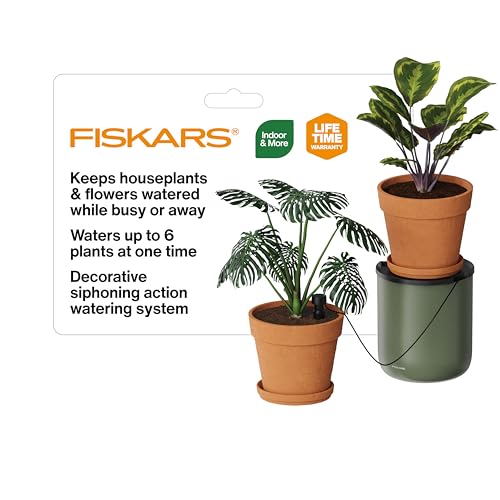
- TLR Rank8.2
TLR Rank is a ranking system developed by TravelLuggageReviews.com. TLR Rank has no relationship or impact from any manufacturers or sales agent websites. Learn more
- BrandFiskars

- TLR Rank9.3
TLR Rank is a ranking system developed by TravelLuggageReviews.com. TLR Rank has no relationship or impact from any manufacturers or sales agent websites. Learn more
- BrandCUZZME

- TLR Rank7.1
TLR Rank is a ranking system developed by TravelLuggageReviews.com. TLR Rank has no relationship or impact from any manufacturers or sales agent websites. Learn more
- BrandQISITAUP
Last update on 2026-11-14 / Affiliate links / Images, Product Titles, and Product Highlights from Amazon Product Advertising API
How long can your plants go without water?
There isn’t one watering schedule that works for every plant. A plant in a small pot near a sunny window may dry out sooner than a larger plant in a cooler room, while some plants naturally prefer their soil to dry between waterings. Your plan should fit the time you’ll be away, each plant’s usual needs, and how quickly its soil dries at home.
A quick weekend away may only call for watering plants that are ready for it before you leave. A longer trip may call for a self-watering setup or a reliable person to check the plants. If you’re unsure how quickly a particular pot dries, think about your normal routine: how many days usually pass before the soil feels dry or the plant begins to droop?
Don’t try to make every plant last longer by soaking its soil. Roots need air as well as water, and soil that stays soggy can harm them. A plant that prefers drier soil may do worse in a pool of water than it would with a brief, careful watering before your trip.
How should you prepare plants before leaving?
Get the plants ready close to your departure, but leave enough time to notice any water that drains onto the floor. Use these steps to make a plan for each pot rather than treating the whole room as one big garden.
- Check how long you’ll be away. Write down your departure and return days. If your plans might change, account for that when deciding whether a person should check in.
- Look at each plant’s soil. Touch the soil near the surface with a clean finger. If it feels dry and that plant is due for water, water it as you normally would. If it still feels damp, don’t add more just because you’re leaving.
- Water in the usual way. Pour slowly over the soil, not over the leaves, until the soil is evenly moist. If the pot has drainage holes, let extra water run out, then empty the saucer or outer pot so the roots aren’t left sitting in pooled water.
- Check pots and trays. Make sure a pot isn’t leaking and that a saucer is stable. Keep pots away from items that water could damage, such as books, electronics, or wooden furniture.
- Choose a suitable spot. Keep plants in a place with the light they normally need, but avoid moving them into harsh direct sun or beside a hot window to “help” them. A sudden change in heat and light can make soil dry faster.
- Decide whether each plant needs backup. Compare the time you’ll be gone with how long that plant’s soil usually stays moist. If the soil often dries before you return, arrange a person to water it or use a self-watering setup suited to that plant.
Plants grouped together may be easier to care for, but don’t crowd them into a dark corner or put a plant in a spot that doesn’t suit it. You can group pots that have similar watering needs, then leave other plants where their light and warmth are appropriate.
How can you tell if one watering is enough?
Use your normal watering pattern as a guide, not a guess based only on how the leaves look. A plant may wilt for reasons other than dry soil, and adding water to already damp soil can make matters worse. Check the soil before deciding what to do.
Pot size is one clue. Soil in a small pot can dry sooner than soil in a larger pot, especially in a warm, bright room. A pot made from a material that allows more moisture to escape may also dry faster than a pot that holds moisture. The best guide is still the change you see in that plant at home.
Room conditions matter, too. Warm air, strong sunlight, and dry indoor air can make water leave the soil faster. A cool room away from direct sun may slow drying, but it doesn’t mean every plant can safely go without care for the same length of time.
Before you leave, ask yourself: does this plant usually need water again before I’ll be home? If yes, plan for more than a single watering. If the answer is unclear, ask someone to check the soil while you’re away rather than giving the plant extra water in advance.
Can a self-watering setup help?
A self-watering setup can help when a plant needs water while you’re away, but it isn’t a guarantee that every plant will get the right amount. Some systems draw water from a container toward the soil. A wick is a string that draws water into the soil. Other setups use a cone or another part that releases water more gradually.
These methods are most useful when the setup matches the plant, pot, and length of the trip. A plant that likes consistently moist soil may suit a system that supplies water gradually. A plant that needs its soil to dry between waterings may not suit a setup that keeps feeding moisture into the pot.
Follow the setup’s own instructions, including where to place the water container and how to position its parts. Check the instructions for the kinds of plants and pots it can serve. Don’t assume that a setup suitable for one pot will work the same way for another.
Before relying on a new arrangement for a trip, put it in place while you’re still home. Watch whether water reaches the soil and whether any water leaks or pools around the pot. This gives you time to adjust the arrangement or make another plan. Don’t leave a water container where it could tip onto an outlet or electronic item.
If you have several plants, sort them by how often they need water. A single system may not suit a thirsty plant and a plant that prefers dry soil at the same time. Use separate arrangements where needed, or ask someone to water each plant according to its own instructions.
Where should you place plants while away?
Keep plants in spots that suit their normal light needs. Moving a plant away from a hot, sunny window can slow drying, but putting it in a dark room may cause a different problem. Choose a bright spot out of intense direct sun if the plant does well there, rather than making a last-minute change that the plant may not tolerate.
Keep pots away from heating or cooling vents, which can blow dry or very warm air onto leaves and soil. Leave space around the plants so air can move, and keep them out of reach of pets that might knock over pots or drink from a water container. If you move plants together, set them on a surface that can handle a little spilled water.
What should you avoid before a trip?
- Don’t leave pots sitting in standing water. Standing water is water left pooled around the pot. Empty saucers and outer pots after watering so the roots aren’t left soaking.
- Don’t water every plant on the same schedule. A plant that needs moist soil and one that prefers to dry out may need different care.
- Don’t soak dry soil as a substitute for planning. Extra water may drain away or leave the soil too wet without keeping the plant supplied for the whole trip.
- Don’t move plants into intense sun to make them grow faster. A hotter spot may dry the soil more quickly and stress a plant that is used to gentler light.
- Don’t rely on an unfamiliar setup without checking it first. Look for leaks, pooled water, or a container that could tip while you’re home.
When should someone check your plants?
Ask for help if you’ll be away longer than a plant usually goes between waterings, or if the room is likely to be warmer or sunnier than usual. A plant sitter is especially useful when you have plants with different needs, a pot that dries quickly, or a self-watering setup you don’t fully trust yet.
Choose someone who can follow simple instructions and let you know if something looks wrong. Leave clear directions for each plant, not one general note that says “water everything.” A short checklist beside the plants can prevent both missed watering and accidental overwatering.
- Name each plant or describe its pot so the person knows which one you mean.
- Say how to check the soil and whether the plant should be watered only when the soil feels dry.
- Show how much water to use and where to pour it, based on your normal routine.
- Ask them to empty pooled water from saucers and tell you if a pot leaks or a plant looks unusually wilted.
- Leave the self-watering setup’s instructions nearby if someone needs to refill or check it.
If you don’t have a reliable person available, use a self-watering setup only for plants it suits and only after checking that the arrangement works as intended. For plants that need careful attention, changing your trip plan or finding a dependable caregiver is safer than hoping extra water will carry them through.
What kind of self-watering help should you consider?
A self-watering system may be useful if several indoor plants need steady moisture while you’re away. Look for an arrangement that can serve the number and kinds of plants you have, and check the instructions for suitable pot and plant types before buying. Make sure you can place its water container securely and keep it away from anything that could be damaged by a spill.
Match the system to your plants’ usual watering needs and your time away. A setup that supplies moisture steadily may not fit a plant that needs its soil to dry between waterings. If your plants have very different needs, separate arrangements or a plant sitter may be the more practical choice.
FAQs
Should you water plants right before leaving?
Water a plant if its soil is dry and it is due for water. Don’t water a plant with damp soil just because you’re going away. Let extra water drain, then empty the saucer.
Can plants stay in a bathtub while you’re away?
A bathtub may provide a cooler, shaded place, but leaving pots in pooled water can harm roots. Keep plants in a spot that suits their light needs, and don’t leave the pots sitting in water.
How do you know a self-watering setup is working?
While you’re still home, check that the setup draws water as its instructions describe and that the soil isn’t staying too wet. Look around the pot for leaks or pooled water. If something seems wrong, use another plan before you leave.
What should you do if a plant looks wilted after vacation?
Check the soil before adding water. If it is dry, water the plant as you normally would and let extra water drain. If the soil is already wet, don’t keep adding water; check for pooled water and let the soil drain.
Related guides: how to receive bank otp sms while abroad and best checked luggage for 3 week vacation.


Best Affordable Carry On Luggage 2026 - 11 Most Loving

The 12 Best Carry On Luggage For Bad Back 2026 - Top Choices

Best Lightest carry on luggage with wheels in 2026

Top Airport Traveling Suitcases: Our 11 Best Picks

The Best Delsey Paris Luggage Set 2026

Top 10 Delsey Softside Luggage Picks for Stress-Free Travel

11 Best Guest Room Luggage Rack of 2026 To Protect Clean Bedding

11 Best Grom Luggage Rack of 2026 For Direct Bolt-On Fit










