
How to Travel on Safari Cheaply in 2026

The most reliable way to take a cheap safari is driving yourself through public national parks and sleeping in government rest camps (fenced grounds with simple cabins or tent sites). That budget changes the moment a trip relies on chartered bush planes or private game lodges. Many travelers believe wildlife vacations are strictly luxury tours. In reality, public parks share the exact same animal sightings from standard gravel roads.
How much you spend comes down to three choices: destination, lodging, and timing. Countries with paved road networks make independent road trips simple, while remote wilderness areas require guided tours. Booking park-run cabins or campsites instead of private resorts lowers costs immediately, especially during shoulder seasons (the quieter weeks right before or after the peak dry months). Here is how to set up an authentic safari on a regular vacation budget.

- TLR Rank10.0
TLR Rank is a ranking system developed by TravelLuggageReviews.com. TLR Rank has no relationship or impact from any manufacturers or sales agent websites. Learn more
- BrandRizzoli

- TLR Rank8.8
TLR Rank is a ranking system developed by TravelLuggageReviews.com. TLR Rank has no relationship or impact from any manufacturers or sales agent websites. Learn more
- BrandGlobal Travel Publishers

- TLR Rank8.6
TLR Rank is a ranking system developed by TravelLuggageReviews.com. TLR Rank has no relationship or impact from any manufacturers or sales agent websites. Learn more
- BrandN/A

- TLR Rank8.0
TLR Rank is a ranking system developed by TravelLuggageReviews.com. TLR Rank has no relationship or impact from any manufacturers or sales agent websites. Learn more
- BrandMajosta

- TLR Rank8.0
TLR Rank is a ranking system developed by TravelLuggageReviews.com. TLR Rank has no relationship or impact from any manufacturers or sales agent websites. Learn more
- BrandN/A
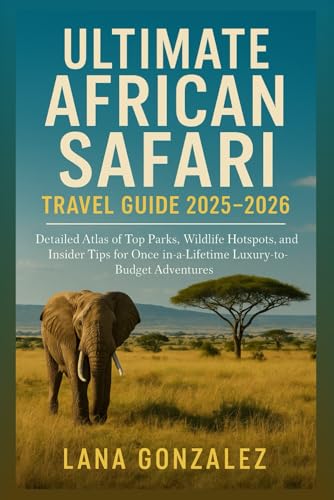
- TLR Rank-
TLR Rank is a ranking system developed by TravelLuggageReviews.com. TLR Rank has no relationship or impact from any manufacturers or sales agent websites. Learn more
- BrandMajosta

- TLR Rank-
TLR Rank is a ranking system developed by TravelLuggageReviews.com. TLR Rank has no relationship or impact from any manufacturers or sales agent websites. Learn more
- BrandN/A

- TLR Rank-
TLR Rank is a ranking system developed by TravelLuggageReviews.com. TLR Rank has no relationship or impact from any manufacturers or sales agent websites. Learn more
- BrandN/A

- TLR Rank-
TLR Rank is a ranking system developed by TravelLuggageReviews.com. TLR Rank has no relationship or impact from any manufacturers or sales agent websites. Learn more
- BrandN/A

- TLR Rank-
TLR Rank is a ranking system developed by TravelLuggageReviews.com. TLR Rank has no relationship or impact from any manufacturers or sales agent websites. Learn more
- BrandN/A

- TLR Rank-
TLR Rank is a ranking system developed by TravelLuggageReviews.com. TLR Rank has no relationship or impact from any manufacturers or sales agent websites. Learn more
- BrandN/A
Last update on 2026-10-22 / Affiliate links / Images, Product Titles, and Product Highlights from Amazon Product Advertising API
Pick the Right Country: Self-Drive Hubs Versus Fly-In Parks
Your choice of country determines your trip cost before you even step onto an airplane. Many travelers look at famous parks like the Serengeti in Tanzania or the Okavango Delta in Botswana and assume every African safari costs thousands of dollars a day. Those destinations rely heavily on small bush planes to reach remote camps, and they charge steep daily park fees. You can see the exact same wildlife for a fraction of that price by choosing countries built for independent travel.
South Africa and Namibia are the two best countries for an affordable safari. Both nations have paved highways, reliable rental car networks, and well-maintained public parks. In South Africa, Kruger National Park lets you drive ordinary roads and spot the Big Five, which refers to five famous animals: the lion, leopard, elephant, rhino, and buffalo. Namibia's Etosha National Park offers vast open salt pans where animals gather around clear waterholes right next to public parking areas.
Public national parks in Southern Africa keep daily conservation fees modest. In contrast, East African parks in Kenya and Tanzania often charge hefty conservation and vehicle fees every twenty-four hours. Botswana actively pursues a high-cost, low-impact tourism model that limits budget infrastructure in its prime wildlife areas. Sticking to South Africa or Namibia puts you in charge of your own budget while keeping your wildlife sightings just as thrilling.
Drive Yourself Instead of Booking Guided Tours
A self-drive safari means driving your own rental car through a park instead of hiring an open safari vehicle with a private guide. Professional game drives, which are wildlife viewing trips in a vehicle, routinely cost fifty to one hundred dollars per person for a single morning outing. When you rent a basic car, you pay for the vehicle once and can spend ten hours searching for animals at your own pace.
Spotting wildlife on your own is far easier than most first-timers expect. Animals do not hide in deep jungles; they gather near rivers, shaded tree lines, and open waterholes during the heat of the day. In popular parks like Kruger or Etosha, rest camp reception desks feature public sighting boards with color-coded magnets. Check these boards each morning to see where visitors spotted lions, leopards, or cheetahs over the previous twenty-four hours.
Driving yourself also lets you read animal traffic on the road. When you see two or three cars stopped ahead with their engines idling, slow down immediately. Someone has spotted a predator, an elephant herd, or a rare bird in the brush. Roll your windows down quietly, stop behind the last vehicle without blocking traffic, and scan the tree limbs and tall grass.
Staying safe in your car requires common sense and basic discipline. Wild animals view a closed vehicle as a single, harmless object, but that illusion breaks if you open your door or lean out a window. Keep your doors locked and stay inside your car at all times, except at designated, fenced picnic sites. Give large animals like elephants and rhinos plenty of space, and never stop directly in front of an animal that is crossing the road.
Smart Safari Lodging: Rest Camps, Tents, and Gateway Towns
Lodging eats up the largest chunk of any vacation budget, but safari accommodations run on a wide spectrum. Private luxury lodges charge premium rates because they bundle fine dining, private guides, and open-bar service into one bill. You can skip those luxury markups entirely by using government rest camps or staying in towns near the park gates.
A rest camp is a government-run fenced lodging or campsite inside a park. Agencies like South African National Parks run these facilities to give ordinary citizens access to nature. These camps offer basic brick bungalows, safari tents on wooden platforms, and shaded campsites. They sit behind sturdy electric fences, which means you can walk around safely under the stars, listen to hyenas call in the distance, and cook your own dinner without fear.
If you want to keep costs as low as possible, evaluate your lodging choices against this practical checklist before you book:
- Perimeter fencing: Confirm that the property has an intact electric fence so you can relax after sunset without worrying about predators roaming through the grounds.
- Kitchen amenities: Check whether your room includes a small refrigerator, a hot plate, or access to an outdoor barbecue grill so you can avoid buying restaurant meals.
- Gate operating hours: Park gates open at dawn and lock strictly at sunset. If you choose to sleep in a gateway town outside the park, make sure your drive to the gate allows you to arrive right as it opens.
- Advance booking windows: Public rest camps open their reservation calendars up to eleven months in advance. Booking direct through government park websites avoids third-party booking fees and guarantees standard government rates.
- Shared versus private bathrooms: Choosing a safari tent or cabin with a shared communal shower block often cuts your nightly lodging rate in half compared to an en-suite room.
Time Your Trip for the Shoulder Season
High season in Southern and East Africa coincides with the dry winter months from June through August. During this period, trees lose their leaves, grass withers away, and animals crowd around scarce rivers and waterholes. Because viewing conditions are ideal, lodge rates double and rental cars sell out months in advance.
A shoulder season covers the months right before or after peak tourist periods. For Southern Africa, the prime shoulder windows fall in April, May, September, and October. During May, the bush begins to dry out, temperatures remain pleasant, and crowds thin out dramatically. In September and October, the weather turns warmer, but water remains scarce, concentrating wildlife around easily accessible waterholes. Traveling during these shoulder months gives you excellent wildlife sightings while saving you thirty to fifty percent on accommodations and vehicle rentals.
Shoulder seasons also bring manageable weather without the heavy downpours of the tropical wet season. Packing becomes simpler because you do not need heavy winter coats or specialized rain gear. A simple carry-on bag that fits in the overhead bin can easily hold lightweight neutral clothing, a windbreaker, and your personal gear. Because travel dates in shoulder seasons sometimes face shifting weather patterns or flight adjustments, knowing what is a travel waiver can help you understand how airlines handle itinerary changes if seasonal disruptions occur.
Health planning also changes slightly depending on the season you pick. While the peak dry season carries lower insect activity, shoulder months can see standing water after early rains. Take time before your flight to look into where to get malaria pills for travel from a doctor or health clinic. Getting your preventive prescription filled at home costs significantly less than scrambling for clinic visits in an airport gateway town.
Six Steps to Cut Your Daily Safari Expenses
Saving money on safari does not require skipping meals or taking dangerous risks. It comes down to establishing efficient daily habits from the moment you leave the airport. Follow these six steps to minimize your day-to-day spending on the ground.
- Rent an economy car instead of a heavy four-wheel-drive vehicle. Main roads in major public reserves like Kruger are paved, and secondary dirt roads are graded for standard traffic. You do not need an expensive off-road vehicle to view wildlife, and a compact car burns far less fuel.
- Buy all your groceries at a supermarket in a gateway city before entering the park. Small rest camp stores inside the park gates charge inflated prices for basic foods and carry limited produce. Stock up on bread, fruit, sandwich meats, and water at an urban supermarket to keep your food spending low.
- Buy an annual or multi-park conservation pass if you plan to stay more than four days. Most national park services charge a daily conservation fee per person. Passes like South Africa's Wild Card cover entry fees across multiple parks for a full year and pay for themselves after five to seven days in the bush.
- Bring a durable pair of binoculars from home. Many animals rest in shaded thickets or sit hundreds of yards away across riverbanks. Buying or renting optics inside a park is expensive, but an inexpensive pair brought from home helps you spot camouflaged cats that your naked eyes would miss.
- Cook your own meals over an outdoor barbecue grill. Most public rest camps and safari chalets feature a personal cooking area or communal barbecue stand. Preparing your own grilled meats, potatoes, and vegetables saves twenty to forty dollars per person compared to eating at camp restaurants.
- Travel with a partner or small group to split fixed transport costs. Fuel, rental fees, road tolls, and park vehicle entry charges cost the exact same amount whether a car carries one person or three. Splitting transport costs across multiple travelers slashes individual daily spending instantly.
FAQs
Which African country is the most affordable for a safari?
South Africa is the most affordable country for a budget safari. Its extensive paved roads let you rent a cheap economy car, and Kruger National Park offers inexpensive government rest camps with public self-catering kitchens. Park entrance fees remain significantly lower than those in East African destinations like Kenya or Tanzania.
Can you safely drive yourself through a safari park?
Yes, self-driving through major national parks is safe as long as you follow the park rules. You must stay inside your car at all times, keep your windows rolled up when near predators, and obey the posted speed limits. Wild animals treat cars as harmless objects unless a passenger steps outside or makes sudden aggressive movements.
How do national park entrance fees work?
Most African national parks charge a conservation fee per person for every twenty-four-hour period spent inside the gates. Some parks also assess a minor fee for your vehicle. You pay these daily fees at the entry gate by credit card, or you can purchase an annual multi-park conservation pass if your visit lasts longer than a few days.
Do I need a four-wheel-drive vehicle for a budget safari?
No, you do not need a four-wheel-drive vehicle in top self-drive destinations like Kruger in South Africa or Etosha in Namibia. The primary roads connecting the main rest camps and popular waterholes are either paved or well-maintained gravel. A standard two-wheel-drive hatchback handles these roads easily during the dry and shoulder seasons.


Best Affordable Carry On Luggage 2026 - 11 Most Loving

The 12 Best Carry On Luggage For Bad Back 2026 - Top Choices

Best Tandem Double Buggy 2026 - 11 Best Rating

Top 12 Kids Rolling Suitcases for Fun and Easy Travel

The Ultimate Guide to Choosing the Best 8 Wheel Suitcase

Best Lightest carry on luggage with wheels in 2026

Top Airport Traveling Suitcases: Our 11 Best Picks

The Best Prams For Rough Terrain - (2026 Top Choice)










