
How to Travel to Machu Picchu Step by Step in 2026

Lock down an official citadel entrance ticket before booking any flights or train rides. Strict daily visitor caps mean passes sell out months ahead, and securing your entry slot first protects the rest of your trip. The standard route follows a simple series of connections: fly into Lima, take a quick domestic flight to Cusco, travel by car to Ollantaytambo, and ride the train to Aguas Calientes before catching the short shuttle up to the gate.
A few key choices will shift your exact schedule. Hikers can trade the train for a multi-day foot trek, while travelers who need time to adjust to the thin mountain air should stay in the lower valley before climbing higher. Timing also matters, as dry winter months bring clear views and larger crowds than the wet summer season. Here is the step-by-step route to align every transfer, train, and permit smoothly.

- TLR Rank10.0
TLR Rank is a ranking system developed by TravelLuggageReviews.com. TLR Rank has no relationship or impact from any manufacturers or sales agent websites. Learn more
- BrandN/A
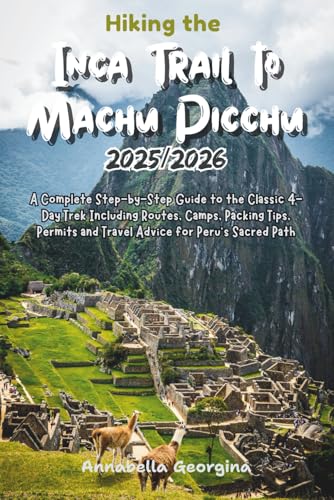
- TLR Rank10.0
TLR Rank is a ranking system developed by TravelLuggageReviews.com. TLR Rank has no relationship or impact from any manufacturers or sales agent websites. Learn more
- BrandMajosta

- TLR Rank9.4
TLR Rank is a ranking system developed by TravelLuggageReviews.com. TLR Rank has no relationship or impact from any manufacturers or sales agent websites. Learn more
- BrandMoon Travel

- TLR Rank9.4
TLR Rank is a ranking system developed by TravelLuggageReviews.com. TLR Rank has no relationship or impact from any manufacturers or sales agent websites. Learn more
- BrandFodor's Travel

- TLR Rank9.2
TLR Rank is a ranking system developed by TravelLuggageReviews.com. TLR Rank has no relationship or impact from any manufacturers or sales agent websites. Learn more
- BrandMajosta

- TLR Rank9.0
TLR Rank is a ranking system developed by TravelLuggageReviews.com. TLR Rank has no relationship or impact from any manufacturers or sales agent websites. Learn more
- BrandGlobe Pequot Press

- TLR Rank9.0
TLR Rank is a ranking system developed by TravelLuggageReviews.com. TLR Rank has no relationship or impact from any manufacturers or sales agent websites. Learn more
- BrandFROMMER'S

- TLR Rank9.0
TLR Rank is a ranking system developed by TravelLuggageReviews.com. TLR Rank has no relationship or impact from any manufacturers or sales agent websites. Learn more
- BrandMajosta

- TLR Rank8.8
TLR Rank is a ranking system developed by TravelLuggageReviews.com. TLR Rank has no relationship or impact from any manufacturers or sales agent websites. Learn more
- BrandDutton

- TLR Rank-
TLR Rank is a ranking system developed by TravelLuggageReviews.com. TLR Rank has no relationship or impact from any manufacturers or sales agent websites. Learn more
- BrandN/A

- TLR Rank-
TLR Rank is a ranking system developed by TravelLuggageReviews.com. TLR Rank has no relationship or impact from any manufacturers or sales agent websites. Learn more
- BrandN/A
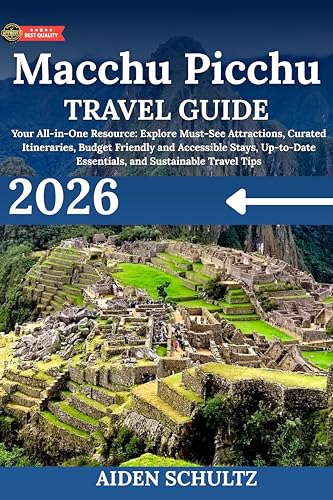
- TLR Rank-
TLR Rank is a ranking system developed by TravelLuggageReviews.com. TLR Rank has no relationship or impact from any manufacturers or sales agent websites. Learn more
- BrandN/A
Last update on 2026-10-22 / Affiliate links / Images, Product Titles, and Product Highlights from Amazon Product Advertising API
Follow the Step-by-Step Route from Lima to the Sacred Valley
Reaching the ruins requires connecting several legs of transit across plane, car, and train. Because there are no direct flights to the mountains, every international traveler begins their journey in Peru's coastal capital before heading inland toward the Andes.
- Fly into Jorge Chavez International Airport in Lima. Clear national customs and immigration. Make sure you hold a passport valid for six months beyond your travel dates, as border agents check this requirement upon entry. If your domestic connection is on a separate ticket, pick up your checked bags on the lower level and re-check them at the domestic departures counters upstairs.
- Take a domestic flight to Cusco. Board a regional flight to Alejandro Velasco Astete International Airport in Cusco. The flight takes roughly an hour and twenty minutes. Morning departures are best because afternoon mountain winds frequently cause airport delays or cancellations.
- Travel straight from Cusco to the Sacred Valley. Instead of remaining in Cusco right away, walk out to the airport transport curb and hire a licensed airport taxi or arranged van to take you directly down into the Sacred Valley. Towns like Urubamba or Ollantaytambo sit thousands of feet lower than Cusco, making the transition much gentler on your body. The scenic mountain drive takes about ninety minutes to two hours.
- Board the train at Ollantaytambo station. Head to the historic village of Ollantaytambo, where the road ends and the rail line begins. Two train operators, PeruRail and Inca Rail, run services along the tracks following the roaring Urubamba River. The train ride takes approximately an hour and a half to reach Aguas Calientes, the small base town at the foot of the ruins.
Choose Between the Scenic Rail Route and a Multi-Day Trek
You can reach the ancient citadel either by riding the train through the river canyon or by walking over the mountains on foot. Each path offers a completely different experience in terms of physical effort, packing, and scheduling.
The train journey is the fastest and most dependable choice for most travelers. You sit in an enclosed coach with panoramic ceiling windows, watching the high Andean peaks shift into lush cloud forest. Trains run multiple times daily from Ollantaytambo to Aguas Calientes. Luggage limits on these trains are strict. Operators restrict travelers to one small backpack or carry-on bag that fits in the overhead bin or under your seat, typically weighing eleven pounds or less. You can leave your large rolling suitcases behind with the front desk of your hotel in Cusco or the Sacred Valley, as almost all hotels offer secure luggage storage for free while you visit the ruins.
Hiking provides an immersive, physical route into the mountains. The classic Inca Trail requires four days of walking along ancient stone paths, traversing high passes, and camping in designated mountain areas. Because the Peruvian government strictly caps trail foot traffic to protect the stonework, permits sell out many months ahead. You cannot hike the Inca Trail independently; regulations require booking through a licensed local trekking agency that provides certified guides, porters, and camp cooks. If permits for the classic trail are gone, alternative walking routes like the five-day Salkantay Trek cross higher alpine passes before descending toward the rail line.
Lock In Your Entrance Circuits and Train Tickets in the Right Order
Booking the pieces of your trip out of order is the most common planning mistake travelers make. Machu Picchu enforces strict daily visitor quotas, and entry passes sell out weeks or months before train seats do. Secure your bookings in this exact sequence to avoid getting stranded in the valley without access to the site.
- First, purchase your official Machu Picchu entrance ticket. Never book train tickets or non-refundable hotels before you have confirmed site entry passes in your hands. The park uses timed entry slots tied to a specific circuit. A circuit is a set, one-way walking path through the ruins designed to protect the ancient terraces. Choose an upper terrace circuit if you want classic postcard viewpoint photos, or pick a lower circuit if you prefer walking directly among the temple stonework without steep climbing.
- Second, reserve your matching train tickets. Once you know your site entry date and morning or afternoon time window, buy your train tickets on PeruRail or Inca Rail. Plan to arrive in Aguas Calientes the afternoon before your ticket date, or take an early morning train that arrives at least two to three hours before your gate time.
- Third, purchase your shuttle bus transfers. Shuttles run constantly between the base town and the ruins. You can buy these bus vouchers online ahead of time or in person at the Aguas Calientes ticket booth using cash or a credit card.
- Fourth, review your transit protection. Mountain weather can lead to delayed flights or rail track maintenance. Reading up on what is a travel waiver can help you understand how airlines manage schedule changes and flight rebooking during severe weather.
- Fifth, finalize your medical preparations. Schedule a visit with your primary doctor to talk through altitude medications. Also, if you plan to venture into the Peruvian rainforest basin after leaving the Andes, check where to get malaria pills for travel smartly before your departure date.
Drop Your Sleeping Elevation Quickly to Beat Altitude Sickness
Altitude sickness happens when your body struggles to absorb enough oxygen from the thinner mountain air. Cusco sits at an elevation of roughly 11,150 feet above sea level. When travelers land at Cusco airport and immediately check into a hotel there, many develop dull headaches, nausea, dizziness, and intense fatigue within hours.
The smartest way to avoid feeling sick is to leave Cusco immediately upon landing and sleep in the Sacred Valley instead. Towns like Ollantaytambo and Urubamba sit between 9,000 and 9,400 feet, while Machu Picchu itself rests even lower at roughly 7,970 feet. Dropping straight down into the valley gives your lungs a much gentler introduction to the mountains.
Practice proper acclimatization during your first two days. Acclimatization means resting so your body adjusts to thin mountain air over time. Plan a restful schedule with no steep hikes on your arrival day. Drink plenty of bottled water, steer clear of heavy alcoholic drinks, and eat light soups or rice dishes rather than rich meals, because digestion slows down at high altitudes. Local cafes and hotels always keep hot water and coca leaves available for brewing coca tea, an herbal drink locals have relied on for generations to relieve mild elevation headaches. If you have concerns about mountain sickness, ask your personal physician about a preventive prescription like acetazolamide before leaving home.
Board the Aguas Calientes Shuttle and Clear the Main Gate
The final morning of your journey involves moving from the valley floor up to the mountaintop citadel. Moving through this final stage smoothly requires keeping your transit documents organized and paying close attention to gate rules.
- Walk to the shuttle bus departure area in Aguas Calientes. The base town has no cars or taxis, so walk from your hotel to the bus boarding line along the riverfront street. Arrive at the queue roughly forty-five minutes before your printed site entry time. Buses depart continuously every few minutes starting at 5:30 in the morning.
- Ride the shuttle up the mountain switchbacks. Show your bus voucher and board the bus for the twenty-five-minute drive up the Hiram Bingham highway. The vehicle climbs steep dirt switchbacks through dense subtropical cloud forest before pulling into the drop-off area right outside the sanctuary gates.
- Present your entrance ticket and original passport. Line up at the entry turnstiles matching your designated time slot. You must hand the park ranger your printed physical paper ticket and your original physical passport. Digital ticket barcodes on your phone or paper photocopies of your passport are not accepted at the checkpoint.
- Hire an authorized tour guide at the entrance. While guides are no longer strictly mandatory for every visitor, having one brings the stone temples and Inca architecture to life. Registered guides gather near the entrance turnstiles wearing official government identification badges around their necks. Negotiate the price and confirm which circuit path they will walk with you before stepping through the gates.
- Follow the designated one-way path through the citadel. Walk through the turnstile and stay strictly on your assigned circuit path. Use the public restrooms outside the gate before entering, because there are no bathrooms anywhere inside the archeological site. Park rules strictly prohibit stepping backward on the trails, sitting on stone structures, or straying off the marked gravel pathways.
Pack a Reliable Paper Travel Guide for Areas with Weak Cell Signals
While smartphone apps are convenient in large cities, cellular data service drops out quickly among the deep granite canyons and steep valleys surrounding the ruins. Having a physical, printed travel guidebook inside your daypack ensures you always have access to offline maps, historical diagrams, and local transit schedules when your phone cannot find a signal.
When selecting a guidebook for your trip, pay close attention to the physical size and format. Choose a compact guide measuring roughly 7 to 9 inches tall and under an inch thick so it slips easily into an under-seat personal item or lightweight hiking bag. Weight matters when climbing high-altitude stone stairs, so look for a volume that weighs under two pounds. Verify that the book features detailed, full-color diagrams of the current walking circuits and clear street maps for Ollantaytambo and Aguas Calientes. Having reliable maps right in your hands helps you navigate train connections, find bus stops, and locate hidden stone carvings across the ruins without draining your phone battery.
FAQs
How far in advance should I reserve my Machu Picchu entry pass?
You should book your entry pass three to four months in advance if you plan to visit between May and September during the peak dry season. If you want a specialty ticket that includes climbing Huayna Picchu mountain, reserve your spot four to six months early because those morning slots are very limited. During the wetter months from November to March, reserving one month ahead is usually sufficient.
Can I visit Machu Picchu on a day trip from Cusco?
Yes, you can complete the journey in a single day by boarding an early train from Cusco or Ollantaytambo, seeing the ruins at midday, and returning by rail that night. However, doing so requires over eight hours of sitting in transit and leaves you feeling rushed at the ruins. Spending a night in the Sacred Valley or Aguas Calientes creates a far more relaxing experience.
What items are banned inside the archeological site?
Park rangers will confiscate or deny entry for large backpacks over 15 inches tall, camera tripods, selfie sticks, drones, and umbrellas. Disposable single-use plastic water bottles are also banned to reduce litter across the mountain. Carry your water in a reusable canteen, bring a lightweight rain poncho, and ensure any walking poles you carry have soft rubber tips to protect the stone walkways.
What is the best month of the year to visit Machu Picchu?
The dry winter season from May through September offers the clearest skies and lowest chance of rain, making it the most popular time to explore the mountains. Shoulder months like April and October are also wonderful choices, offering green mountain slopes and smaller crowds at the checkpoints. February is the wettest month, and the classic Inca Trail closes entirely for trail repairs during that time.


Best Affordable Carry On Luggage 2026 - 11 Most Loving

The 12 Best Carry On Luggage For Bad Back 2026 - Top Choices

Best Tandem Double Buggy 2026 - 11 Best Rating

Top 12 Kids Rolling Suitcases for Fun and Easy Travel

The Ultimate Guide to Choosing the Best 8 Wheel Suitcase

Best Lightest carry on luggage with wheels in 2026

Top Airport Traveling Suitcases: Our 11 Best Picks

The Best Prams For Rough Terrain - (2026 Top Choice)










