
How to Travel Safely With a Big Dog

Driving is the safest choice. Because dogs over fifty pounds cannot ride in passenger cabins, taking your own vehicle gives you complete control over comfort, stops, and safety. Securing your dog with a crash-rated harness or a tied-down travel crate in the back seat protects a heavy pet during sudden stops while keeping them relaxed on the open road.
The best plan depends on how you travel, where you sleep, and your dog's habits. Flying requires booking space in the cargo hold (the luggage storage area under the passenger cabin), which carries strict heat and breed limits. Many hotels also enforce strict weight caps at twenty-five or fifty pounds. Simple preparation helps you bypass surprise rules and plan a smooth journey together.

- TLR Rank10.0
TLR Rank is a ranking system developed by TravelLuggageReviews.com. TLR Rank has no relationship or impact from any manufacturers or sales agent websites. Learn more
- BrandN/A

- TLR Rank10.0
TLR Rank is a ranking system developed by TravelLuggageReviews.com. TLR Rank has no relationship or impact from any manufacturers or sales agent websites. Learn more
- BrandN/A

- TLR Rank10.0
TLR Rank is a ranking system developed by TravelLuggageReviews.com. TLR Rank has no relationship or impact from any manufacturers or sales agent websites. Learn more
- BrandMajosta

- TLR Rank10.0
TLR Rank is a ranking system developed by TravelLuggageReviews.com. TLR Rank has no relationship or impact from any manufacturers or sales agent websites. Learn more
- BrandMajosta

- TLR Rank9.4
TLR Rank is a ranking system developed by TravelLuggageReviews.com. TLR Rank has no relationship or impact from any manufacturers or sales agent websites. Learn more
- BrandStorey Publishing

- TLR Rank9.0
TLR Rank is a ranking system developed by TravelLuggageReviews.com. TLR Rank has no relationship or impact from any manufacturers or sales agent websites. Learn more
- BrandRick Steves

- TLR Rank8.8
TLR Rank is a ranking system developed by TravelLuggageReviews.com. TLR Rank has no relationship or impact from any manufacturers or sales agent websites. Learn more
- BrandAbrams Image

- TLR Rank8.2
TLR Rank is a ranking system developed by TravelLuggageReviews.com. TLR Rank has no relationship or impact from any manufacturers or sales agent websites. Learn more
- BrandNational Geographic
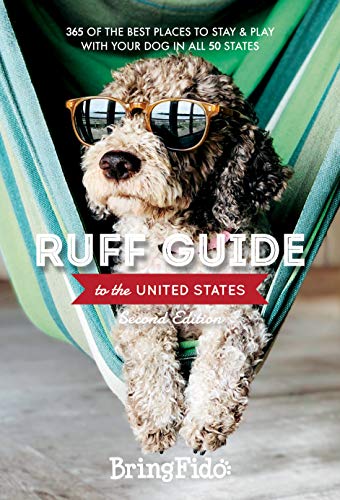
- TLR Rank8.0
TLR Rank is a ranking system developed by TravelLuggageReviews.com. TLR Rank has no relationship or impact from any manufacturers or sales agent websites. Learn more
- BrandN/A
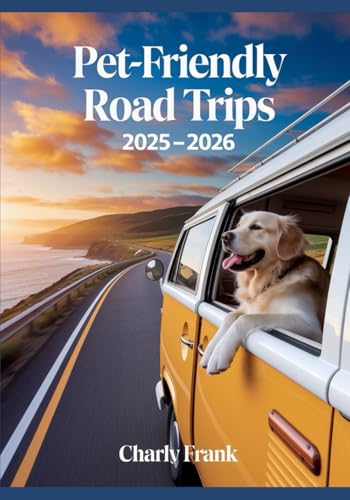
- TLR Rank7.0
TLR Rank is a ranking system developed by TravelLuggageReviews.com. TLR Rank has no relationship or impact from any manufacturers or sales agent websites. Learn more
- BrandMajosta

- TLR Rank6.4
TLR Rank is a ranking system developed by TravelLuggageReviews.com. TLR Rank has no relationship or impact from any manufacturers or sales agent websites. Learn more
- BrandMajosta
Last update on 2026-10-22 / Affiliate links / Images, Product Titles, and Product Highlights from Amazon Product Advertising API
Choosing Between Road Trips and Flying With a Large Dog
Driving your own vehicle is almost always the safest and least stressful way to travel with a dog that weighs over 50 pounds. When you drive, you control the cabin temperature, the frequency of bathroom breaks, and how quickly you can reach an emergency veterinary clinic if something goes wrong. You also keep your dog directly by your side, which keeps anxiety levels much lower for both of you.
Flying with a large dog presents serious physical and logistical barriers. Commercial airlines only permit small pets that fit inside a soft carrier under the seat in front of you. That rule leaves out dogs over 20 to 25 pounds, unless the dog is a recognized service animal trained to perform specific tasks for a person with a disability. Emotional support animals and regular family pets of large size cannot fly in the passenger cabin.
To fly, a large pet must travel in the cargo hold, which is the luggage storage area under the airplane passenger cabin. While modern commercial cargo holds are pressurized and temperature-regulated, the environment can still be intensely stressful. Pets encounter loud engine noises, shifting baggage, strange smells, and darkness. Handlers must move the transport crate across outdoor tarmac areas, exposing your dog to engine exhaust and unpredictable weather.
Airlines also enforce strict seasonal weather rules. Most major carriers will not accept animals into cargo when ground temperatures along any part of the route fall below 45 degrees or rise above 85 degrees Fahrenheit. A sudden heat wave at a layover airport can lead to a canceled pet reservation on the spot. If your dog belongs to a short-nosed breed such as a Boxer, Mastiff, or Bulldog, most airlines ban them from cargo entirely due to the high risk of breathing distress. Unless you are relocating overseas where driving is impossible, stick to the highway.
Five Steps to Secure a Big Dog in Your Vehicle
A heavy dog moving loose inside a vehicle creates a danger for everyone on board. In a collision at 35 miles per hour, an unrestrained 70-pound dog hits forward obstacles with thousands of pounds of impact force. That force can severely injure the dog and cause fatal injuries to human passengers in the front seats. Follow these sequential checks to keep your dog safely anchored on the road.
- Choose a certified crash-rated harness or a heavy-duty crate. Reason: Regular walking harnesses snap under crash pressure, while certified safety gear is built with thick seatbelt-style webbing and steel buckles designed to absorb severe road impacts.
- Position your dog in the second row or cargo space, never in the front seat. Reason: Front passenger airbags deploy with explosive speed and force that can break bones or cause fatal internal injuries to a large dog sitting nearby.
- Anchor the gear directly to your vehicle's metal frame or seatbelt latch. Reason: If you use a travel crate, it must be strapped to factory metal cargo rings with heavy tie-down straps, because an unanchored crate will slide across the trunk during hard braking.
- Adjust strap lengths so your dog can lie down flat but cannot pace. Reason: Restricting free movement prevents your dog from distracting the driver, climbing between front bucket seats, or flying forward during an unexpected emergency stop.
- Clear all loose luggage, tire irons, and hard gear away from your dog. Reason: Heavy suitcases or loose metal tools stored next to your dog become flying projectiles that can crush an animal if your car swerves suddenly.
Inspect the buckles and tether straps every morning before you start the car. Check that the harness chest pad sits centered over the dog's breastbone rather than cutting into the soft throat. If you use a crate in an SUV or wagon, confirm that the cargo latch pins are locked completely in place so the door cannot swing open while you navigate sharp turns.
How to Find Lodging That Truly Welcomes Dogs Over 50 Pounds
Finding a room for a big dog requires extra legwork because many hotels use the label "pet-friendly" loosely. A listing might welcome dogs on the main search screen, but the fine print often limits pets to under 25 or 40 pounds. Arriving at a front desk late at night only to be turned away because your Golden Retriever or German Shepherd exceeds the weight limit is an exhausting mistake to fix. Use this practical verification checklist before booking any room:
- Call the hotel property directly: Speak with a front-desk agent at the actual location rather than using a national reservation hotline. Ask explicitly: "Do you have a maximum weight limit per dog?"
- Ask about breed restrictions: Some corporate hotel policies allow dogs of any size, yet individual franchise locations ban specific large breeds such as Rottweilers, Pit Bulls, or Dobermans.
- Clarify the fee structure: Confirm whether the pet charge is a one-time cleaning fee, a nightly charge per pet, or a refundable deposit. A fifty-dollar room rate can double quickly if there is an unexpected seventy-five-dollar nightly pet surcharge.
- Request a ground-floor room near an exterior door: Walking a heavy, excited dog down three flights of stairs or through long interior hallways multiple times a day is tiring. A ground-floor side door makes late-night bathroom trips fast and easy.
- Ask about unaccompanied pet rules: Most hotels forbid leaving pets unattended in rooms. If the hotel allows it, ask if the dog must remain inside a secure crate while you step out to pick up dinner.
Vacation rental homes can offer a simpler alternative to traditional hotels, especially properties with private fenced yards where a large dog can stretch out. If you prefer to skip hotel weight limits entirely, camping or learning what is a travel trailer can help you decide if bringing your own mobile sleeping space makes longer road trips more comfortable.
Pre-Trip Packing Checklist for a Heavy Dog
Big dogs require a surprising amount of gear, and you cannot count on finding their specific food or medical supplies at small convenience stores along the interstate. Pack these essential supplies into a dedicated tote bag so you can grab items quickly without unpacking the entire trunk:
- Health records and paperwork: Carry physical copies of your dog's rabies certificate and vaccination history. Research where to get a health certificate for pet travel (an official vet note showing your dog is healthy and up to date on vaccines), which is required by law if you cross state lines, visit commercial boarding facilities, or check into certain private parks.
- Familiar food and home water: Pack enough regular kibble to cover your entire trip plus three extra days in case of travel delays. Fill two large gallon jugs with tap water from home; sudden changes in water minerals between different towns frequently cause acute stomach upset and diarrhea in dogs.
- Bedding with home scents: Bring your dog's standard bed, crate mat, or an unwashed blanket from your couch. Familiar household scents ease dog anxiety in unfamiliar hotel rooms and help them settle down to sleep faster.
- Heavy-duty walking gear: Pack a standard four-foot to six-foot flat leash, a backup leash, and a sturdy collar fitted with an identification tag showing your current cell phone number. Make sure your dog's microchip contact details are up to date with the registry before departing.
- Cleanup supplies: Keep a roll of thick waste bags, paper towels, pet-safe stain cleaning spray, and two old bath towels near the car door to wipe down wet, muddy paws before your dog jumps back into the vehicle.
- Basic pet first-aid kit: Pack self-adhesive bandage wrap, sterile gauze pads, antiseptic wash, tweezers for tick removal, styptic powder for torn nails, and any prescribed medications your dog takes daily.
Daily Travel Routine for Feeding, Breaks, and Weather
A predictable daily routine keeps a large dog relaxed during multi-day drives. Dogs thrive on consistency, and sudden changes in meal timing or bathroom availability can cause restlessness, pacing, and car sickness. Set up your day around these five operational steps:
- Feed a light meal three to four hours before driving. Give your dog roughly half of their normal breakfast early in the morning. Allowing food to digest before the car starts moving dramatically reduces stomach churning and motion sickness on winding roads.
- Pull over every two to three hours for a walking break. Large dogs develop muscle stiffness when forced to lie in one position for long stretches. Plan stops at highway rest stops or open grassy areas where your dog can walk briskly for 10 to 15 minutes, empty their bladder, and burn off nervous energy.
- Offer small amounts of water at every stop. Avoid letting a thirsty dog gulp down a full bowl of water at once, which can trigger vomiting once the vehicle resumes highway speeds. Offer one to two cups of fresh water, let them drink slowly, and pack the bowl away.
- Keep the air conditioning running directly on the dog. Large dogs produce significant body heat, and the rear cargo space or back seat often stays much warmer than the front dashboard area where the driver sits. Adjust your vehicle vents so cool air reaches the back, and check their panting levels regularly.
- Never leave your dog unattended in a closed car. Even on mild days with outside temperatures around 70 degrees, vehicle interiors can reach dangerous, life-threatening heat levels within 15 minutes. If you must use a public restroom at a rest stop, take turns with a travel companion or use drive-through windows for meals.
When you arrive at your lodging for the evening, do not rush straight inside to unpack. Walk your dog around the exterior grounds on a loose leash for 20 minutes. This gives your pet time to inspect the new area, stretch tight joints, and eliminate outside before entering a quiet hotel lobby or private rental home.
FAQs
Can my big dog ride loose in the bed of an open pickup truck?
No, you should never allow a dog to ride loose in an open truck bed. Sudden swerves, hard braking, or unexpected road bumps can easily throw a large dog into highway traffic, resulting in severe injury or death. Flying road debris, gravel, and insects can also cause severe eye damage and corneal ulcers even at moderate speeds. Always secure your dog inside the enclosed cab of the truck using a crash-rated harness or a weather-proof, secured travel crate.
What should I do if my large dog gets motion sickness on long drives?
Keep your dog facing forward by securing them in the middle of the back seat, and crack a window slightly to equalize vehicle air pressure. Withhold heavy meals for four hours prior to departure, and keep the interior temperature noticeably cool. If drooling, whining, or vomiting persists on every trip, speak with your veterinarian before you leave home. A veterinarian can prescribe safe, targeted motion-sickness medications that stop nausea without causing heavy sedation.
Are big dogs allowed on Amtrak trains or interstate buses?
Amtrak and major intercity bus lines such as Greyhound only allow small dogs and cats that weigh 20 pounds or less, including the weight of their pet carrier. The carrier must fit entirely underneath the passenger seat in front of you. The only exception to this weight rule is for documented service animals trained to assist an individual with a disability. For family pets weighing over 20 pounds, personal vehicle travel or specialized ground transport remains your only practical option.
How do I safely lift an older large dog in and out of a tall SUV?
Do not allow an older or arthritic large dog to jump down onto hard pavement, as the sudden impact puts intense stress on their front joints and spine. Use a sturdy, folding pet ramp with a high-traction surface, or set up a set of wide, folding pet stairs. If your vehicle lacks space for a ramp, use a supportive walking harness equipped with a sturdy top handle so you can support their rear weight and guide their movement safely to the ground.
More guides: how to travel with a bearded dragon.


Best Affordable Carry On Luggage 2026 - 11 Most Loving

The 12 Best Carry On Luggage For Bad Back 2026 - Top Choices

Best Tandem Double Buggy 2026 - 11 Best Rating

Top 12 Kids Rolling Suitcases for Fun and Easy Travel

The Ultimate Guide to Choosing the Best 8 Wheel Suitcase

Best Lightest carry on luggage with wheels in 2026

Top Airport Traveling Suitcases: Our 11 Best Picks

The Best Prams For Rough Terrain - (2026 Top Choice)










