
How to Travel With Canvas Paintings Without Damage

Pack flat or roll paint-side out. Shielding the painted surface with a tough mailing tube or thick cardboard panels keeps the fabric safe and prevents dried brushstrokes from cracking. Canvas punctures easily, and rough handling during travel can stretch the material or leave sharp creases that ruin the picture.
Three main details shape the right method: the frame, the paint condition, and how you travel. Loose fabric rolls neatly into a tube, but a painting mounted to wooden bars requires stiff outer boards so nothing pokes through the front. Fresh oil or acrylic paint needs a slotted box to keep the wet surface completely untouched, whereas dry work travels fine under smooth barrier paper. Flying also brings tight cabin size limits that driving does not. Here is how to pack each style so your artwork arrives in one piece.

- TLR Rank10.0
TLR Rank is a ranking system developed by TravelLuggageReviews.com. TLR Rank has no relationship or impact from any manufacturers or sales agent websites. Learn more
- BrandJack Richeson

- TLR Rank10.0
TLR Rank is a ranking system developed by TravelLuggageReviews.com. TLR Rank has no relationship or impact from any manufacturers or sales agent websites. Learn more
- BrandPLEINLY

- TLR Rank9.8
TLR Rank is a ranking system developed by TravelLuggageReviews.com. TLR Rank has no relationship or impact from any manufacturers or sales agent websites. Learn more
- BrandN/A

- TLR Rank9.2
TLR Rank is a ranking system developed by TravelLuggageReviews.com. TLR Rank has no relationship or impact from any manufacturers or sales agent websites. Learn more
- BrandGONGKANGYUAN

- TLR Rank9.2
TLR Rank is a ranking system developed by TravelLuggageReviews.com. TLR Rank has no relationship or impact from any manufacturers or sales agent websites. Learn more
- BrandYOPCDJ

- TLR Rank9.0
TLR Rank is a ranking system developed by TravelLuggageReviews.com. TLR Rank has no relationship or impact from any manufacturers or sales agent websites. Learn more
- BrandTRANSON

- TLR Rank8.8
TLR Rank is a ranking system developed by TravelLuggageReviews.com. TLR Rank has no relationship or impact from any manufacturers or sales agent websites. Learn more
- BrandEOOUT
- TLR Rank7.8
TLR Rank is a ranking system developed by TravelLuggageReviews.com. TLR Rank has no relationship or impact from any manufacturers or sales agent websites. Learn more
- BrandNew Wave

- TLR Rank7.4
TLR Rank is a ranking system developed by TravelLuggageReviews.com. TLR Rank has no relationship or impact from any manufacturers or sales agent websites. Learn more
- BrandCreative Mark

- TLR Rank7.4
TLR Rank is a ranking system developed by TravelLuggageReviews.com. TLR Rank has no relationship or impact from any manufacturers or sales agent websites. Learn more
- BrandJullian Paris
Last update on 2026-10-22 / Affiliate links / Images, Product Titles, and Product Highlights from Amazon Product Advertising API
Unstretched canvases roll easily while stretched frames need flat padding
Transporting art starts with looking at how the canvas is built. Stretched canvas is pulled tight over stretcher bars (the wooden frame behind the canvas) and secured with staples or tacks. Loose, unstretched canvas is simply painted fabric without any wood backing. Both styles travel well, but each demands a different packing strategy.
Stretched paintings give you a finished piece ready for the wall, but they take up significant room. The fabric across the front is under tension like a drum. If another bag bumps against that drum during travel, the canvas can stretch permanently, tear, or puncture. Stretched art also has fixed outer dimensions, meaning a larger painting will not fit into a standard carry-on suitcase. You must transport it as a flat package with rigid outer protection and careful handling through airports or in vehicles.
Unstretched canvas gives you far more flexibility on the road. Without the wooden frame, the fabric rolls smoothly into a cylinder and slips into a compact mailing tube. This makes it easy to carry onto planes, slide under an airplane seat, or pack into a car trunk.
Deciding whether to unstretch a canvas depends on three factors:
Canvas size comes first. If a painting is larger than 16 by 20 inches, removing the fabric from the wood is usually the safest way to carry it onto a flight.
Paint thickness is equally critical. If the artwork has thick oil paint with raised ridges, rolling the canvas can snap those brittle peaks. Keep heavily textured pieces on their wooden frames.
The age of the paint also counts. Vintage paintings often have brittle paint layers that crack if curved. Only roll paintings with flexible, stable paint films. If you unstretch the canvas, use a staple puller to gently lift fasteners along the back edges without tearing fabric.
Roll loose canvases paint side out inside a hard tube
Rolling a canvas seems simple, but rolling it the wrong way causes cracked paint. When you curve a canvas, one side stretches while the other compresses. The direction you roll determines whether the paint stays intact or flakes off.
Always roll the canvas with the painted face facing outward. When paint faces outward, it stretches smoothly along the outer curve. If you roll paint facing inward, the paint layer is compressed against itself. This compression forces dry paint to buckle, lift from the primer, and crack across the surface.
- Clear a flat work surface. Wipe down a large dining table or floor so no grit can press into the fabric while you work.
- Lay the canvas flat. Place the painting face up and smooth out folds gently with your hands, avoiding fingernail marks.
- Cover the painted face with glassine. Glassine (smooth non-stick barrier paper) prevents friction, resists moisture, and will not stick to paint. Cut the sheet slightly larger than the canvas. Never substitute plastic wrap or wax paper. Kitchen plastic wrap traps moisture and bonds chemically with paint in warm temperatures, while wax paper leaves an oily film that ruins artwork.
- Roll the canvas around a sturdy core. Rolling loosely around a cardboard tube with a diameter of at least three inches prevents sharp bends. If you lack an inner tube, roll the canvas loosely by hand, keeping the cylinder wide. Never fold or crease the canvas.
- Wrap the cylinder in heavy craft paper. Wrap clean paper around the roll and tape the paper to itself. Never apply tape directly to the canvas or glassine.
- Slide the roll into a rigid mailing tube. Use a plastic or heavy fiberboard mailing tube. Place crumpled paper in both ends to stop sliding, then cap and tape both ends securely.
Sandwich stretched canvases between rigid sheets of corrugated cardboard
When a painting must stay on its wooden frame, your main goal is preventing punctures and corner damage. Stretched canvas is vulnerable in the center where there is no wood backing. A hard suitcase corner or a water bottle can punch right through the center. A rigid outer shell stops this from happening.
- Shield the frame corners. The four corners take the brunt of impacts when bags shift. Fold stiff cardboard into corner cups and slide them over each corner. Secure the cups by taping them to the wooden bars on the back of the frame, never to the canvas.
- Cover the painted front with glassine. Cut a sheet of glassine to match the outer frame dimensions. Lay it flat across the paint and tape the edges to the back of the wooden stretcher bars using low-tack painter tape.
- Cut two rigid protective boards. Use heavy double-wall corrugated cardboard, foam core board, or thin hardboard. Cut each board an inch larger than the outer frame on all four sides. This extra lip absorbs side impacts before anything touches the wooden frame.
- Build the protective sandwich. Place one rigid board directly against the glassine-covered front, and place the second board against the back of the frame. The front board bridges across the wooden edges so nothing can press against the flexible center.
- Tape the boards together. Wrap strong packing tape completely around the perimeter of the two boards. Pull the tape snug so the boards sandwich the wooden frame securely without sliding around.
- Wrap the exterior in bubble wrap. Wrap the entire package in two layers of bubble wrap for shock absorption. Keep the air bubbles facing outward away from the cardboard so the plastic bubbles do not leave dimple marks. Seal all edges with packing tape.
Use slotted carrier boxes to keep wet oil paint untouched
Traveling with wet artwork is a major challenge for artists attending workshops or plein air (painting outdoors on location) events. Oil paint dries through chemical oxidation, taking weeks or months depending on paint thickness. Acrylic paint dries faster, but thick layers or humid air can leave the surface tacky for days. Wrapping wet paint in paper or plastic ruins the piece instantly.
To move fresh paint, use a wet panel carrier (a rigid slotted box that holds fresh paintings apart). These boxes use built-in grooves or clips to grip only the outer rim of the canvas board or frame, leaving the wet face suspended in open air.
- Match slot dimensions to canvas thickness: Stretched canvas is thicker than flat painting panels. Verify that your carrier box has wide enough channels to hold your canvas depth without rubbing.
- Clean carrier slots before loading: Dust, dirt, and dried paint flakes inside carrier channels can shake loose and settle on wet oil paint. Wipe the tracks clean with a dry cloth.
- Slide panels in without tilting: Push each board into its designated groove while keeping it straight. Tilting the board can drag the wet paint against the edge of the slot.
- Check clearance between facing panels: If your box holds paintings face-to-face, verify there is at least a half-inch air gap between them. Thick paint textures need extra clearance so peaks do not touch opposing boards.
- Latch the lid and secure straps: Make sure all mechanical latches click shut. If the carrier includes an external strap, fasten it tight so the box cannot pop open if bumped.
- Carry the box upright at all times: Keep the carrier vertical during your entire trip. Laying a carrier flat can allow flexible canvases to sag into neighboring panels under vibration.
- Avoid high vehicle temperatures: Never leave a wet panel carrier inside a hot car trunk or parked vehicle under direct sun. Extreme heat softens wet oil paint and causes delicate mediums to drip or wrinkle.
Carry paintings onto planes instead of checking them as baggage
Airports and airplanes present the greatest danger to transported artwork. Baggage handling systems are built for heavy suitcases, not delicate linen and oil paint. Putting a canvas painting into checked baggage almost guarantees damage from crushing, cold cargo holds, or rough conveyor belts. Always bring your artwork into the cabin with you.
Airlines treat artwork like regular carry-on baggage, meaning it must comply with size limits. A standard carry-on bag generally must fit within 22 by 14 by 9 inches, while a personal item must fit under the seat in front of you. Rigid mailing tubes are usually accepted as personal items or carry-ons because their narrow profile fits into the back of an overhead bin. Flat framed canvases wrapped in cardboard must fit standard carry-on size limits to travel in the cabin.
Security checkpoints require care. Both rigid tubes and flat art packages must go through the X-ray machine at TSA checkpoints. Keep mailing tube end caps secured with tape that is easy to remove so agents can inspect the contents without forcing them. If an officer inspects a flat framed painting, politely explain that the item inside is original art, and ask them to hold the outer cardboard edges rather than pressing down on the middle.
Boarding early makes a huge difference. Overhead bins fill quickly on busy flights. If you board during later groups, flight attendants might run out of space and force you to gate-check your carry-on bag. If your flight is delayed by weather, knowing what a travel waiver covers helps you switch flights without penalties to avoid overcrowded cabins. Travelers using airline staff passes face a similar challenge; understanding what non rev travel involves explains why standby passengers board last, making slim, under-seat art tubes much safer than bulky flat packages.
On the plane, place your tube or flat parcel in the overhead compartment on top of rolling suitcases, never underneath them. Slide it toward the back wall of the bin where other passengers will not shove heavy bags into it. You can also ask a flight attendant politely if there is room in the coat closet for a fragile flat painting. Flight crews often accommodate delicate art if space allows.
Choose rigid carriers and protective cases built for artwork dimensions
Specialized art travel gear makes transporting paintings significantly safer and less stressful than using improvised boxes. The right gear depends entirely on whether you are transporting loose fabric, stretched frames, or wet paint panels.
For rolled canvases, telescoping plastic tubes offer the best defense against physical crushing and moisture. Look for tubes with screw-on end caps and adjustable length locks that keep the tube rigid at your exact canvas width. Sturdy nylon shoulder straps are helpful because they keep your hands free for rolling luggage while walking through busy transit stations.
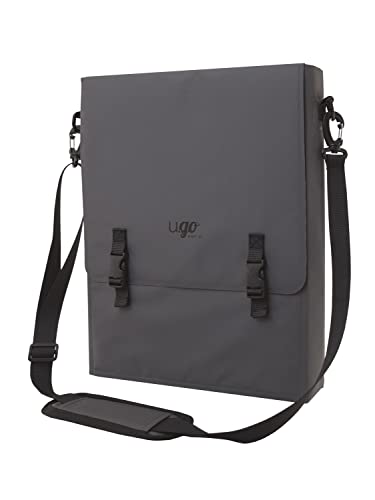
For dry stretched paintings, padded art portfolio bags provide durable outer storage that holds flat cardboard sandwiches securely. Look for bags made from water-resistant fabric with reinforced edge seams, strong zipper closures, and wide carry handles that distribute weight evenly.
For wet paintings, dedicated slotted panel carriers are necessary. Check that the interior track system matches the exact thickness of your stretched canvas or canvas board. Look for carriers built with rigid outer walls, secure locking latches, and enough internal clearance to prevent textured paint from touching adjacent panels during travel.


Best Affordable Carry On Luggage 2026 - 11 Most Loving

The 12 Best Carry On Luggage For Bad Back 2026 - Top Choices

Best Tandem Double Buggy 2026 - 11 Best Rating

Top 12 Kids Rolling Suitcases for Fun and Easy Travel

The Ultimate Guide to Choosing the Best 8 Wheel Suitcase

Best Lightest carry on luggage with wheels in 2026

Top Airport Traveling Suitcases: Our 11 Best Picks

The Best Prams For Rough Terrain - (2026 Top Choice)










