
Is It Okay to Travel on Chuseok in 2026?

A calendar check for an upcoming South Korea flight suddenly highlights a major national holiday right across the itinerary. Visiting during Chuseok works surprisingly well, but only if you stay put in one major city. Millions of local families head across the country to visit relatives, which locks up intercity expressways and sells out train tickets months in advance. Meanwhile, big cities like Seoul empty out into a calm, walkable space with running subways and open historic sights.
The outcome really comes down to your transit and dining plans. Attempting a cross-country dash between Seoul and Busan will leave you stuck in massive traffic jams or stranded at sold-out stations. Small neighborhood mom-and-pop diners also pull down their metal shutters for a couple of days. However, basing yourself in Seoul lets you enjoy quiet palaces, lively department stores, and open parks without the typical rush. Here is what to expect so your trip runs smoothly.

- TLR Rank9.0
TLR Rank is a ranking system developed by TravelLuggageReviews.com. TLR Rank has no relationship or impact from any manufacturers or sales agent websites. Learn more
- BrandFmeida

- TLR Rank7.8
TLR Rank is a ranking system developed by TravelLuggageReviews.com. TLR Rank has no relationship or impact from any manufacturers or sales agent websites. Learn more
- BrandSYCNB

- TLR Rank7.1
TLR Rank is a ranking system developed by TravelLuggageReviews.com. TLR Rank has no relationship or impact from any manufacturers or sales agent websites. Learn more
- BrandUrtala

- TLR Rank7.2
TLR Rank is a ranking system developed by TravelLuggageReviews.com. TLR Rank has no relationship or impact from any manufacturers or sales agent websites. Learn more
- BrandTaygeer

- TLR Rank8.0
TLR Rank is a ranking system developed by TravelLuggageReviews.com. TLR Rank has no relationship or impact from any manufacturers or sales agent websites. Learn more
- BrandTOPBAG

- TLR Rank8.6
TLR Rank is a ranking system developed by TravelLuggageReviews.com. TLR Rank has no relationship or impact from any manufacturers or sales agent websites. Learn more
- BrandLUOCIP

- TLR Rank8.5
TLR Rank is a ranking system developed by TravelLuggageReviews.com. TLR Rank has no relationship or impact from any manufacturers or sales agent websites. Learn more
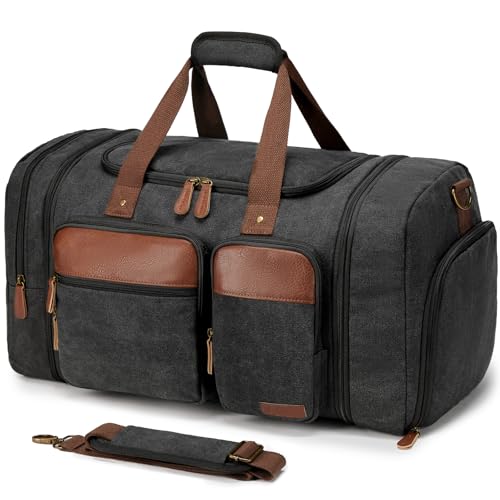
- Brandadidas
- TLR Rank8.9
TLR Rank is a ranking system developed by TravelLuggageReviews.com. TLR Rank has no relationship or impact from any manufacturers or sales agent websites. Learn more
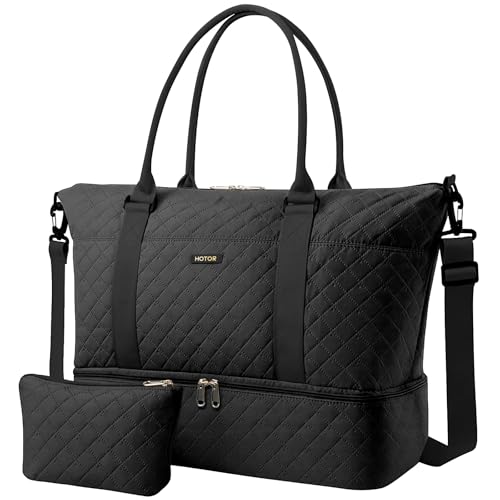
- BrandHOTOR
- TLR Rank8.5
TLR Rank is a ranking system developed by TravelLuggageReviews.com. TLR Rank has no relationship or impact from any manufacturers or sales agent websites. Learn more
- BrandCelvetch

- TLR Rank9.1
TLR Rank is a ranking system developed by TravelLuggageReviews.com. TLR Rank has no relationship or impact from any manufacturers or sales agent websites. Learn more
- BrandCapolo
Last update on 2026-10-26 / Affiliate links / Images, Product Titles, and Product Highlights from Amazon Product Advertising API
When Traveling During Chuseok Works (and When It Fails)
Traveling during Chuseok (the major Korean autumn harvest holiday) can be one of the calmest times to explore South Korea, or it can turn into the most stressful trip of your life. The entire outcome depends on where you stay and how much you plan to move around. The holiday is often called the Korean Thanksgiving, and it centers on family gatherings, ancestral remembrance, and feasts. Because of that, tens of millions of people move across the country at the exact same moment.
If your plan is to base yourself in Seoul and enjoy the capital city, traveling during the holiday works remarkably well. Millions of Seoul residents leave the city to visit parents and grandparents in rural provinces. The usual bumper-to-bumper car traffic on major city avenues clears out. You can walk through quiet neighborhoods, board subway cars without fighting crowds, and visit famous landmarks that host special cultural programs.
The trip fails when you treat the holiday like any ordinary week and try to bounce across the country. If you want to spend two days in Seoul, take a quick trip down to Busan, and then hop over to an island, you will run straight into a logistical wall. Trains sell out months in advance, highways turn into multi-hour parking lots, and regional buses crawl at a snail's pace. The experience also disappoints travelers who rely on tiny, family-run food stalls and back-alley eateries, because those independent owners take time off to be with their families.
Before you decide to cancel or reschedule your flights for 2026, look at your itinerary. If you are happy staying in one large city, walking through world-class palaces, and eating at established restaurants or modern food halls, your trip will be smooth. If your schedule requires regional road trips or tight connections between multiple cities, you should change your dates or simplify your route immediately.
What Stays Open and What Closes Across the Country
The biggest worry travelers have about Chuseok is the fear that South Korea will turn into a ghost town where no food or entertainment is available. That fear is mostly unfounded in major metropolitan areas. While small business owners take a well-deserved break, public infrastructure, tourism sights, and corporate services run smoothly throughout the holiday period.
Chuseok is officially a three-day national holiday. It covers the day before Chuseok, the actual day of the harvest moon, and the day after. When the holiday falls on a weekend, the government often adds an extra substitute day to the calendar. The exact day of Chuseok is when you will notice the quietest streets and the highest number of closures. The days leading up to it and following it are much more active.
Here is a quick checklist of what to expect during the three-day holiday window:
- Royal palaces and national museums: Open. The major palaces in Seoul (such as Gyeongbokgung and Changdeokgung) stay open and often offer free admission for the holiday.
- Subways and city buses: Open. Urban transit systems operate on holiday schedules and often run later into the night to accommodate late travelers.
- Convenience stores: Open. The thousands of convenience stores across every city neighborhood remain open 24 hours a day with hot meals, snacks, and drinks.
- Franchise restaurants and chain cafes: Open. Major coffee shops, fast-food chains, and corporate-owned dining spots keep regular business hours.
- Large department stores and underground malls: Partially closed. Most major department stores close on the exact day of Chuseok and sometimes the following day, but remain open the rest of the week.
- Traditional street markets: Mostly closed. Stalls at popular historic markets close down on the main holiday day so vendors can spend time with relatives.
- Mom-and-pop restaurants: Closed. Independent neighborhood restaurants, small soup shops, and family-owned bakeries usually shut down for the entire three-day holiday.
You will never starve during Chuseok in a Korean city. You might not be able to visit that specific family-owned noodle shop you saved on your map, but high-end hotel dining rooms, shopping district restaurants, and convenience stores will keep you fed. Plan your must-visit meals at small restaurants for the days before or after the official holiday window.
The Intercity Transit Trap to Avoid at All Costs
The single biggest mistake you can make during Chuseok is trying to travel between provinces. In Korea, this mass movement is known as the great national homecoming migration. Half the population of Seoul packs up and drives south toward hometowns in Gyeongsang, Jeolla, and Gangwon provinces, only to reverse course a couple of days later.
KTX (Korea's high-speed rail line) is the fastest way to travel between major cities during regular weeks, but it is practically off-limits for spontaneous holiday travelers. Rail tickets for the Chuseok travel period go on sale months ahead during a dedicated holiday booking window. Millions of Korean citizens log on at dawn, and seats across the entire high-speed rail network vanish within minutes. Trying to buy a walk-up KTX ticket at Seoul Station on the morning of Chuseok is impossible.
Taking to the road is just as challenging. Highways connecting Seoul to southern hubs like Busan or Daegu experience historic gridlock. A standard drive from Seoul to Busan takes about four to five hours on a normal afternoon. During the peak Chuseok rush, that exact same drive can easily drag out to nine, ten, or even twelve hours. Highway rest stops along the route become packed with travelers waiting in long lines for restrooms and snacks.
Domestic flights between Seoul's Gimpo Airport and regional airports like Busan or Jeju Island sell out months in advance as well. If you happen to be an airline employee or family member relying on standby passes, understanding how non rev travel works under heavy passenger loads will make the problem obvious. Peak holiday flights are overbooked, leaving standby travelers stranded at the gate for days. Furthermore, if you hold confirmed airline tickets and autumn typhoons disrupt domestic schedules, knowing what a travel waiver covers can help you change flights without paying heavy penalties. The best strategy is simple: stay in your home city and let the intercity crowds fight the traffic without you.
Making the Most of Seoul and Planning Daily Logistics
If you choose to stay in Seoul during Chuseok, you are in for a pleasant surprise. The city takes on a slower, peaceful atmosphere that you cannot experience at any other time of the year. The frantic pace slows down, crosswalks are easy to navigate, and the air feels clear. It is one of the best times to see the historic side of Korean culture.
The royal palaces take center stage during the holiday. Gyeongbokgung, Deoksugung, and Changgyeonggung host traditional folk performances, music demonstrations, and cultural activities. You will see families dressed in hanbok (traditional Korean dress) walking across the palace courtyards. Renting a hanbok from a nearby shop not only makes for wonderful photos, but it also gives you free admission into the royal palaces. Public parks like Namsan Park, the Cheonggyecheon stream, and the Han River parks are filled with relaxed local walkers soaking up the autumn sunshine.
To keep your holiday days smooth and stress-free, follow these four practical rules:
- Anchor yourself in a central neighborhood: Book your lodging in an active, walkable district such as Myeongdong, Hongdae, or Insadong. These neighborhoods cater to international visitors, which means more restaurants, cafes, and money-exchange booths stay open right outside your hotel door.
- Scout your food options the day before: On the day before the main holiday, take a short walk around your hotel. Look for signs on restaurant doors listing their holiday operating hours. If a spot you want to visit says it will close, pick out a few backup franchise options or international eateries nearby.
- Reserve the main holiday for outdoor and cultural sights: Dedicate the exact day of Chuseok to open-air attractions. Palaces, mountain hiking trails, royal tombs, and riverside parks never turn visitors away for the holiday. Save commercial shopping trips for the days after the festival ends.
- Rely strictly on the city subway: Do not call taxis for long trips across the city on the holiday eve or the day after, as regional highway traffic can bleed onto urban ring roads. The subway runs on schedule, keeps you out of traffic jams, and provides the most reliable way to get anywhere in town.
By treating Chuseok as an opportunity for cultural immersion rather than a standard shopping vacation, you avoid every common pitfall. You get to witness meaningful seasonal traditions, enjoy historic landmarks without typical workday crowds, and experience a relaxed side of Korean life that few tourists ever see.
FAQs
Are royal palaces and museums open on the exact day of Chuseok?
Yes, major royal palaces in Seoul, such as Gyeongbokgung and Changdeokgung, remain open on the holiday. National museums also welcome visitors throughout the period. In fact, many of these cultural institutions offer free admission and host traditional folk games for the public.
How early do train tickets sell out for the Chuseok holiday rush?
KTX high-speed train tickets sell out within minutes of being released, usually one to two months before the holiday. Seats are allocated through a specialized online booking lottery for Korean residents. International tourists should not count on finding open seats between major cities during the peak holiday travel window.
Do food delivery apps and taxis still work during the holiday?
Taxis still operate throughout the cities, though wait times can be longer during late hours due to fewer drivers on the road. Food delivery apps continue to function, but choices are limited to chain restaurants and convenience stores because local independent eateries close down.


Best Affordable Carry On Luggage 2026 - 11 Most Loving

The 12 Best Carry On Luggage For Bad Back 2026 - Top Choices

Best Tandem Double Buggy 2026 - 11 Best Rating

Top 12 Kids Rolling Suitcases for Fun and Easy Travel

The Ultimate Guide to Choosing the Best 8 Wheel Suitcase

Best Lightest carry on luggage with wheels in 2026

Top Airport Traveling Suitcases: Our 11 Best Picks

The Best Prams For Rough Terrain - (2026 Top Choice)










