
Is It Safe to Travel to Afghanistan in 2026?

This is a situation where serious worry is completely justified. The straightforward reality is that traveling to Afghanistan is not safe, no matter how peaceful certain online videos might look. Major governments warn against all visits because of extreme dangers from terrorism, kidnapping, and wrongful detention. Most foreign embassies have closed, meaning there is no emergency help from your government if you run into trouble.
Personal circumstances shape the exact hazards on the ground. Western passports carry an elevated risk of arbitrary detention (getting jailed without formal charges or legal rights). Women face severe legal bans that restrict daily movement and public presence. Medical emergencies also turn critical fast without private air transport out of the country, as regular travel insurance rarely applies. Here is what the reality on the ground looks like before taking an irreversible risk.

- TLR Rank10.0
TLR Rank is a ranking system developed by TravelLuggageReviews.com. TLR Rank has no relationship or impact from any manufacturers or sales agent websites. Learn more
- BrandN/A

- TLR Rank9.2
TLR Rank is a ranking system developed by TravelLuggageReviews.com. TLR Rank has no relationship or impact from any manufacturers or sales agent websites. Learn more
- BrandGlobe Pequot Press

- TLR Rank8.8
TLR Rank is a ranking system developed by TravelLuggageReviews.com. TLR Rank has no relationship or impact from any manufacturers or sales agent websites. Learn more
- BrandBrand: Airphoto International Ltd.

- TLR Rank8.4
TLR Rank is a ranking system developed by TravelLuggageReviews.com. TLR Rank has no relationship or impact from any manufacturers or sales agent websites. Learn more
- BrandN/A

- TLR Rank8.0
TLR Rank is a ranking system developed by TravelLuggageReviews.com. TLR Rank has no relationship or impact from any manufacturers or sales agent websites. Learn more
- BrandN/A

- TLR Rank7.0
TLR Rank is a ranking system developed by TravelLuggageReviews.com. TLR Rank has no relationship or impact from any manufacturers or sales agent websites. Learn more
- BrandN/A
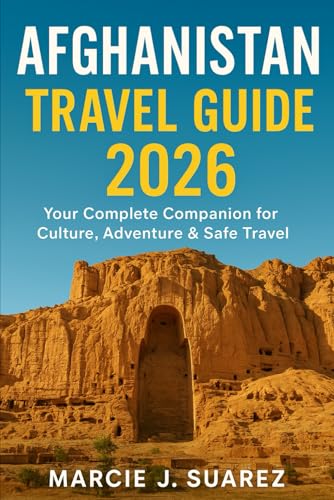
- TLR Rank6.0
TLR Rank is a ranking system developed by TravelLuggageReviews.com. TLR Rank has no relationship or impact from any manufacturers or sales agent websites. Learn more
- BrandMajosta

- TLR Rank6.0
TLR Rank is a ranking system developed by TravelLuggageReviews.com. TLR Rank has no relationship or impact from any manufacturers or sales agent websites. Learn more
- BrandN/A

- TLR Rank2.0
TLR Rank is a ranking system developed by TravelLuggageReviews.com. TLR Rank has no relationship or impact from any manufacturers or sales agent websites. Learn more
- BrandN/A

- TLR Rank-
TLR Rank is a ranking system developed by TravelLuggageReviews.com. TLR Rank has no relationship or impact from any manufacturers or sales agent websites. Learn more
- BrandN/A

- TLR Rank-
TLR Rank is a ranking system developed by TravelLuggageReviews.com. TLR Rank has no relationship or impact from any manufacturers or sales agent websites. Learn more
- BrandMajosta
Last update on 2026-11-18 / Affiliate links / Images, Product Titles, and Product Highlights from Amazon Product Advertising API
Government Safety Warnings and the Lack of Embassy Help
Every major Western government issues an unambiguous safety warning for Afghanistan: do not travel under any circumstances. Official foreign offices classify the entire country at the highest possible alert level. This is not a standard caution about staying out of rough neighborhoods or watching out for pickpocketing or bag snatching. It is an explicit statement that entering the territory puts your life and personal freedom in direct jeopardy.
The biggest problem travelers overlook is the total absence of diplomatic support. Foreign embassies in Kabul closed their doors in August 2021, and their staff left the country. This means emergency help from your home country embassy does not exist once you cross the border. If an armed patrol stops your vehicle, or if local authorities take your passport, no government representative will arrive to assist you.
Getting in touch with foreign officials from inside the country is exceptionally difficult. Even if family members back home contact their ministry of foreign affairs on your behalf, diplomats cannot dispatch rescue teams or intervene in local legal systems. Consular officers cannot visit you in prison, provide medical referrals, or issue emergency travel documents. You are completely on your own, subject to the whims of local commanders and evolving decrees.
Commercial flights in and out of the country remain limited, unpredictable, and vulnerable to sudden shutdowns. Airspace management lacks modern international radar oversight, and standard carriers do not operate normal schedules. A sudden change in airport security or a border skirmish can strand travelers indefinitely without warning. Before booking any trip to high-risk zones, knowing what is a travel waiver can help you see how airlines manage sudden cancellations during security crises.
Major Security Risks Across the Country
Many travelers assume that the end of large-scale battle lines means Afghanistan is calm. That assumption is dangerously false. The security landscape shifted from open military warfare to unpredictable insurgent violence, widespread extortion, and aggressive scrutiny of foreign nationals. A routine walk down a bazaar street can turn into an interrogation within seconds if a security patrol takes an interest in you.
The threat of getting jailed without formal charges or legal rights is currently one of the greatest dangers for foreign visitors. Authorities regularly suspect Westerners of espionage, unauthorized journalism, or violating local religious codes. Travelers have been pulled from hotel rooms, stopped at highway checkpoints, and held in isolation for months without access to phone calls, lawyers, or clear allegations. Release is never guaranteed, and diplomatic negotiations for prisoner releases can take years.
Violent attacks remain a constant reality across urban centers. Splinter militant groups actively target hotels, foreign guesthouses, public administrative offices, and religious spaces with explosive devices and armed raids. You cannot predict where an attack will happen, and local security forces have limited capacity to stop coordinated strikes. Consider these primary threats you face on the ground:
- Getting jailed without formal charges or legal rights: Security officers frequently detain foreigners carrying cameras, electronics, or foreign money, holding them indefinitely in local detention centers.
- Bombings and violent attacks: Improvised explosive devices and suicide bombings occur without warning in public markets, outside mosques, and along transit corridors.
- Targeted kidnapping for ransom: Criminal syndicates and rogue militia groups track foreign movements to snatch visitors for financial extortion or political leverage.
- Checkpoint extortion and confiscation: Armed fighters at informal roadblocks regularly seize electronics, hard currency, cameras, and private vehicles.
- Severe medical gaps: Local hospitals lack basic trauma supplies, sterile surgical gear, reliable power, and clean blood reserves.
Landmines and unexploded ordnance also cover vast stretches of the Afghan countryside. Decades of fighting left millions of explosive remnants buried beside major highways, near historical ruins, and across rural pastures. Stepping off a paved path to take a photo or finding a spot to rest can easily trigger a buried explosive. Emergency trauma care outside Kabul is practically nonexistent, turning a single injury into a fatal event.
Why Social Media Videos Make Afghanistan Look Safe
Social media feeds frequently showcase travel vloggers sipping tea in bustling markets, admiring rugged mountain passes, and praising Afghan hospitality. These clips generate millions of views and create a powerful illusion that the country is open and welcoming to adventurous backpackers. In reality, these videos represent extreme survivorship bias. A creator who completed a two-week trip without incident got lucky, but their good fortune does not change the objective danger of the environment.
Travelers who end up detained, injured, or robbed do not get to edit video footage or post cheerful updates online. Their devices are confiscated, and their stories only reach the public months later through diplomatic warnings or family pleas. Relying on an influencer video to assess country safety is like assuming a frozen lake is thick enough to hold you just because one person walked across without falling through the ice.
Vloggers also omit the heavy security scaffolding operating behind the camera. Most successful trips involve paying thousands of dollars to private fixers, hiring armed guards, and securing special permission slips from security ministries. Content creators rarely show the tense hours spent waiting at checkpoints or the envelopes of cash paid to smooth over hostile encounters. They capture the smiles over green tea because that content performs well, leaving out the pervasive fear just out of frame.
The genuine hospitality of Afghan citizens is real, but ordinary people cannot shield you from armed authorities or militant cells. A welcoming shopkeeper in Herat or Kabul has no power to stop an intelligence officer from taking your passport. Confusing personal warmth from civilians with political and physical safety is a mistake that has landed multiple tourists in foreign prisons.
Strict Travel Rules and Heavy Restrictions for Women
The legal and social environment for women in Afghanistan is among the most restrictive in the world. Authorities enforce strict gender segregation backed by public beatings and imprisonment for non-compliance. Local women face bans from secondary education, public parks, sports facilities, beauty salons, and most forms of employment. These rules affect every public space and directly shape how foreign visitors must conduct themselves.
Female travelers face immense personal barriers and physical risks from the moment they enter the country. While border agents sometimes grant minor leeway to foreign passports, women are still subject to extreme scrutiny regarding their attire, travel companions, and daily movement. A woman traveling alone is viewed with immediate suspicion and faces intense questioning at every transit hub and road checkpoint. Authorities may refuse hotel check-ins, transit tickets, or street movement to any unaccompanied woman.
The Mahram rule, which requires women to travel with a recognized adult male relative, is enforced inconsistently across provinces. In some areas, an unrelated male tour guide is not accepted as a valid guardian, resulting in sudden detentions or forced deportation back to the capital. Even when accompanied, female visitors must keep their bodies and hair fully covered, often with loose abayas and head coverings that reveal only the eyes. Slipping on a headscarf in public can provoke verbal abuse or physical detention by morality police.
Foreign women also face near-total isolation from public life during their stay. They cannot enter gyms, public baths, amusement parks, or popular riverside picnic spots. Speaking directly to local Afghan men in shops or restaurants can lead to immediate confrontations. At the same time, visiting local women in private settings can place those Afghan households in severe danger if authorities suspect foreign influence.
Essential Steps If You Must Travel for Critical Reasons
Some individuals must travel to Afghanistan despite the warnings. This includes humanitarian workers, accredited international journalists, and diaspora members visiting critically ill relatives. If your trip is non-negotiable, you must treat your security as a matter of professional survival rather than an adventurous holiday. Follow these structured steps to minimize your exposure to physical harm and legal disaster.
- Retain a verified, highly connected local fixer: You cannot navigate checkpoints alone. Hire a trusted Afghan fixer with proven community relationships and deep knowledge of shifting local leadership across every district you plan to enter.
- Secure official travel permits before leaving Kabul: Never travel between provinces without stamped paperwork from the Ministry of Information and Culture. Stop at regional administrative offices upon arrival in every new city to register your presence and avoid immediate arrest.
- Contract private crisis and medical extraction services: Because national embassies cannot help you, purchase private air transport out of the country for hospital care (medical evacuation) through a firm that operates in war zones. Verify that your policy includes hostage negotiation, crisis extraction, and emergency air ambulance access.
- Establish redundant communication lines: Local cellular networks are routinely shut down during security operations. Carry an active satellite messaging device, keep it hidden from checkpoint searches, and set strict check-in windows with an emergency contact outside the country.
- Prepare medical supplies and practical health safeguards: Pack your own trauma kit, sterile needles, and water purification supplies. If your route takes you through rural river basins, review where to get malaria pills for travel before departure, as reliable medication is difficult to source locally.
Always maintain a low profile in public. Wear local clothing, avoid pulling out expensive phones on busy streets, and never use camera equipment near government offices, military outposts, or police stations. If you are stopped and questioned, remain calm, polite, and completely compliant. Arguing with armed personnel or asserting legal rights will only escalate the encounter and increase your chances of being jailed.
FAQs
Can standard travel insurance cover a trip to Afghanistan?
No, standard commercial travel insurance policies automatically exclude coverage in countries with active government Do Not Travel advisories. To obtain medical or evacuation coverage, you must purchase expensive high-risk insurance through specialist underwriters that handle war zones. These custom policies require explicit approvals and cost significantly more than normal leisure plans.
Can Western tourists use credit cards and ATMs in Afghanistan?
No, international banking systems remain disconnected from Afghan financial institutions. Foreign credit cards, debit cards, and ATM networks will not work anywhere in the country. Travelers must carry all their funds in crisp, undamaged physical currency, usually US dollars or euros, to convert through local money bazaars.
Can you safely take photos and fly drones while traveling in Afghanistan?
Flying consumer drones is strictly prohibited and will result in immediate arrest and the confiscation of your gear. Taking casual photos of bridges, public buildings, military vehicles, or security personnel is treated as suspected espionage. Even photographing street scenes can draw the attention of armed patrols who may search and seize your phone or camera.


Best Affordable Carry On Luggage 2026 - 11 Most Loving

The 12 Best Carry On Luggage For Bad Back 2026 - Top Choices

Best Tandem Double Buggy 2026 - 11 Best Rating

Top 12 Kids Rolling Suitcases for Fun and Easy Travel

The Ultimate Guide to Choosing the Best 8 Wheel Suitcase

Best Lightest carry on luggage with wheels in 2026

Top Airport Traveling Suitcases: Our 11 Best Picks

The Best Prams For Rough Terrain - (2026 Top Choice)










