
Is It Safe to Travel to Bolivia in 2026?

Bolivia is generally safe for travelers. Violent crime targeting visitors is quite rare, and most people finish their trips without any serious trouble. The scary headlines you might hear usually come from street demonstrations rather than dangers aimed at tourists. Daily life in towns and national parks moves at an easy pace, as long as you keep your wits about you in crowded places.
Safety here mainly depends on how well you adapt to a few local conditions. Sudden road blockades can freeze highway routes overnight, which means you need a flexible itinerary. The thin air in high-altitude cities can quickly trigger severe altitude sickness if you do not take time to adjust. Petty theft is also a factor, so sticking to vetted radio taxis and watching your bags in busy markets keeps you protected. Here is what you should know to navigate the country securely.

- TLR Rank10.0
TLR Rank is a ranking system developed by TravelLuggageReviews.com. TLR Rank has no relationship or impact from any manufacturers or sales agent websites. Learn more
- BrandITMB Publishing Ltd

- TLR Rank10.0
TLR Rank is a ranking system developed by TravelLuggageReviews.com. TLR Rank has no relationship or impact from any manufacturers or sales agent websites. Learn more
- BrandMajosta

- TLR Rank10.0
TLR Rank is a ranking system developed by TravelLuggageReviews.com. TLR Rank has no relationship or impact from any manufacturers or sales agent websites. Learn more
- BrandN/A

- TLR Rank10.0
TLR Rank is a ranking system developed by TravelLuggageReviews.com. TLR Rank has no relationship or impact from any manufacturers or sales agent websites. Learn more
- BrandN/A

- TLR Rank9.2
TLR Rank is a ranking system developed by TravelLuggageReviews.com. TLR Rank has no relationship or impact from any manufacturers or sales agent websites. Learn more
- BrandNational Geographic

- TLR Rank9.0
TLR Rank is a ranking system developed by TravelLuggageReviews.com. TLR Rank has no relationship or impact from any manufacturers or sales agent websites. Learn more
- BrandLonely Planet
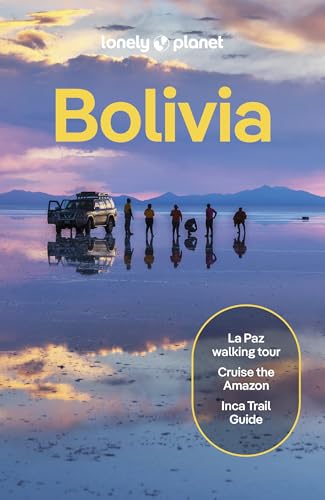
- TLR Rank8.2
TLR Rank is a ranking system developed by TravelLuggageReviews.com. TLR Rank has no relationship or impact from any manufacturers or sales agent websites. Learn more
- BrandLonely Planet

- TLR Rank8.0
TLR Rank is a ranking system developed by TravelLuggageReviews.com. TLR Rank has no relationship or impact from any manufacturers or sales agent websites. Learn more
- BrandN/A
- TLR Rank-
TLR Rank is a ranking system developed by TravelLuggageReviews.com. TLR Rank has no relationship or impact from any manufacturers or sales agent websites. Learn more
- BrandN/A

- TLR Rank-
TLR Rank is a ranking system developed by TravelLuggageReviews.com. TLR Rank has no relationship or impact from any manufacturers or sales agent websites. Learn more
- BrandN/A

- TLR Rank-
TLR Rank is a ranking system developed by TravelLuggageReviews.com. TLR Rank has no relationship or impact from any manufacturers or sales agent websites. Learn more
- BrandN/A

- TLR Rank-
TLR Rank is a ranking system developed by TravelLuggageReviews.com. TLR Rank has no relationship or impact from any manufacturers or sales agent websites. Learn more
- BrandN/A
Last update on 2026-11-16 / Affiliate links / Images, Product Titles, and Product Highlights from Amazon Product Advertising API
Violent Crime Against Tourists in Bolivia Remains Very Rare
Every year, international travelers arrive in Bolivia expecting dangerous streets and chaotic unrest, only to find welcoming locals and peaceful town squares. Foreign government advisories generally place Bolivia under a standard travel advisory or safety warning, urging visitors to exercise increased caution rather than telling them to stay away. The fear of widespread violent crime does not match what travelers experience on the ground.
Violent attacks targeting foreign visitors are very rare. The primary security risk is opportunistic theft, specifically pickpocketing or bag snatching in crowded markets, bus terminals, and public squares. Thieves look for open daypacks, phones left on restaurant tables, or travelers walking alone down unlit alleys late at night.
Safety also depends on your location. Colonial cities like Sucre and small lakeside towns like Copacabana feel remarkably calm, with families gathering in central plazas late into the evening. Violent crime in these tourist destinations is practically nonexistent, allowing you to walk freely during daylight hours.
Larger cities like Santa Cruz, Cochabamba, and La Paz require more vigilance. In La Paz, tourist neighborhoods or main hotel strips like Sopocachi and the historic center around Sagarnaga Street are heavily patrolled by day. The high-altitude sprawl of El Alto and outer residential areas carry higher robbery risks after dark. Taking registered transit at night and staying alert in markets avoids most problems.
Road Blockades Cause Travel Delays Rather Than Physical Harm
If something disrupts your Bolivian trip, it will almost certainly be an organized protest rather than crime. Civic strikes and highway blockades, known locally as a bloqueo (an organized road blockade used by community groups or labor unions), are a common way to demand government action. Protesters often park heavy trucks, pile stones, or drop tree branches across key highways.
These blockades can halt overland transport between major cities for several days. Key roads between La Paz, Lake Titicaca, Sucre, and Cochabamba see these closures regularly. While news of highway closures sounds alarming, they are rarely dangerous to travelers who remain patient.
Protesters do not target tourists. If your bus encounters a roadblock, drivers usually wait, turn around, or let passengers walk through the gap with their bags to catch a local minivan on the other side. Never argue with demonstrators, move rocks, or attempt to force a vehicle through.
Always build buffer days into your schedule. Never book a long bus ride on the day before an international flight out of Santa Cruz or La Paz. Leave two or three open days at the end of your trip to handle travel delays.
When highways freeze, domestic flights let you bypass ground blockades entirely. If an unexpected political strike cancels your travel connection, understanding what is a travel waiver can help you reschedule flights without heavy change fees. Ask your hotel front desk about highway conditions before booking long-distance bus tickets.
Smart Transit Habits Protect You From Common City Scams
Staying safe in Bolivian cities comes down to everyday transit habits. Most street crimes happen when tired travelers leave a station, hail an unmarked car, or carry valuables openly through crowded markets.
The most serious vehicle threat is an express kidnapping (a short abduction forcing ATM withdrawals). This occurs when rogue drivers in unmarked cars pick up passengers and collect armed accomplices nearby. You avoid this risk completely by refusing to hail random street cars.
Always ask your lodging or restaurant to call a radio taxi (a registered cab called by phone or app). In Santa Cruz and La Paz, using a licensed airport taxi or rideshare app allows you to track the car, verify the driver, and monitor your route. Legitimate cabs carry illuminated roof signs, company phone numbers painted on the doors, and official registration stickers on the glass.
Bus terminals in La Paz, Cochabamba, and Oruro also attract thieves. Teams operate around luggage bays and ticket lines using distraction scams. For example, someone might drop mustard or spill liquid on your jacket while an accomplice steps up to wipe the mess and unzip your bag.
Follow these steps to navigate transit safely:
- Hail only registered transit. Never step into an unmarked car, especially after dark or around transit hubs. Use a radio taxi or rideshare app.
- Hold your daypack on your lap. When riding shared minivans or overnight buses, never place bags in overhead racks or on the floor. Keep them in your arms.
- Secure your gear in busy markets. In crowded spots like the Witches' Market in La Paz, wear your daypack on your chest and keep money in hidden pockets.
- Walk away from sudden distractions. If a stranger spills liquid on you, drops items, or creates a scene, step back, clutch your belongings, and walk off.
- Stick to main streets after dark. Stay within active tourist neighborhoods or main hotel strips at night, and take registered cabs between evening venues.
Altitude Sickness and Tap Water Require Early Preparation
For most visitors, the main challenge in Bolivia is thin air and delicate stomach health. Western Bolivia rests on the Altiplano, a vast high plateau where thin mountain air catches travelers off guard.
Arriving in El Alto or La Paz places you above 12,000 feet, which often triggers soroche (altitude sickness). Symptoms include throbbing headaches, nausea, exhaustion, and shortness of breath. Altitude affects everyone regardless of physical fitness, depending entirely on how fast you ascend.
To ease the adjustment, plan a gradual route. Consider flying to Sucre first, which sits around 9,000 feet, giving your body time to adapt before you visit Potosí or Uyuni. If you land in La Paz directly, rest for your first forty-eight hours. Drink water, sip coca tea, avoid heavy alcohol, and eat light meals. Over-the-counter altitude remedies are available in local pharmacies, but consult a doctor before leaving home.
Water safety is equally vital. Tap water safety in Bolivia is not guaranteed, and aging pipes carry bacteria that upset foreign stomachs. Never drink untreated tap water, and avoid using it for tooth brushing in basic hotels. Drink bottled water with factory seals or use a proven water filter bottle.
Bolivian food is hearty, but stick to busy stalls where locals gather and dishes cook fresh over high heat. Avoid raw vegetables, unpeeled fruit, and lukewarm buffet trays. Focus on well-cooked food served steaming hot from the kitchen.
If you travel down into the Amazon basin near Rurrenabaque or Madidi National Park, the danger shifts to tropical bugs. Mosquitoes here carry dengue fever and yellow fever. Reviewing where to get malaria pills for travel before departure helps you obtain the right antimalarial tablets and vaccines for low-elevation jungles.
Follow this health checklist during your stay:
- Drink bottled, boiled, or purified water, and skip ice in cold drinks.
- Rest for two full days before taking on hikes, bike rides, or salt flat tours.
- Carry rehydration salts and basic anti-diarrhea tablets in your daypack.
- Protect your skin from extreme mountain sun with sunscreen and a hat.
- Use bug spray with DEET when visiting humid valleys and tropical rivers.
Local Police and Embassies Offer Support When Problems Arise
Even with sensible precautions, unexpected problems can occur. Knowing how local authorities operate ensures you get quick help if something goes wrong.
Bolivia maintains the Policía Turística (a specialized tourist police branch trained to assist international travelers). These officers patrol main plazas, historic centers, and bus terminals in La Paz, Sucre, and Copacabana. They take theft reports, help with language barriers, and assist if a merchant or driver tries an aggressive overcharge.
Knowing real police procedures also shields you from the bogus police scam. In this scam, an individual wearing plain clothes or a vague uniform flashes a fake badge, claiming to check foreign cash or passports for contraband. An accomplice often appears, urging you to cooperate and enter an unmarked car.
Legitimate Bolivian police never inspect wallets on the sidewalk or order tourists into unmarked vehicles. If someone demands to search your bag, stay calm and refuse. Insist on walking to the nearest official police station (comisaría) or tourist police desk. Scammers will leave rather than approach a real station.
Save your home embassy contact details in La Paz before you depart. Embassies help replace lost passports and coordinate with family during medical emergencies. Keep digital backups of your passport page, entry slip, and insurance policy on your phone. With practical precautions and flexible timing, Bolivia remains a rewarding and secure destination to explore.


Best Affordable Carry On Luggage 2026 - 11 Most Loving

The 12 Best Carry On Luggage For Bad Back 2026 - Top Choices

Best Tandem Double Buggy 2026 - 11 Best Rating

Top 12 Kids Rolling Suitcases for Fun and Easy Travel

The Ultimate Guide to Choosing the Best 8 Wheel Suitcase

Best Lightest carry on luggage with wheels in 2026

Top Airport Traveling Suitcases: Our 11 Best Picks

The Best Prams For Rough Terrain - (2026 Top Choice)










