
Is It Safe to Travel to Vietnam in 2026?

Stepping off the curb in Hanoi or Ho Chi Minh City, a traveler is instantly met with a roaring sea of motorbikes and unfamiliar street noise. Despite the sensory overload, Vietnam is remarkably safe for visitors, and violent crime against foreign travelers is extremely rare. Friendly locals and peaceful streets make the country welcoming for solo travelers, couples, and families alike.
Staying trouble-free mostly comes down to everyday street smarts. The main hazards are hectic road traffic, unmetered taxi drivers looking to overcharge, and opportunistic phone snatchers on busy corners. Drinking sealed bottled water and eating hot, freshly cooked food will also keep typical stomach bugs away. Here is a practical look at what to expect and how to travel smoothly from day one.
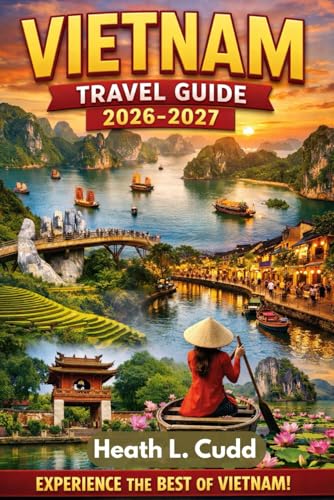
- TLR Rank10.0
TLR Rank is a ranking system developed by TravelLuggageReviews.com. TLR Rank has no relationship or impact from any manufacturers or sales agent websites. Learn more
- BrandN/A

- TLR Rank9.4
TLR Rank is a ranking system developed by TravelLuggageReviews.com. TLR Rank has no relationship or impact from any manufacturers or sales agent websites. Learn more
- BrandN/A

- TLR Rank9.2
TLR Rank is a ranking system developed by TravelLuggageReviews.com. TLR Rank has no relationship or impact from any manufacturers or sales agent websites. Learn more
- BrandFodor's Travel

- TLR Rank9.2
TLR Rank is a ranking system developed by TravelLuggageReviews.com. TLR Rank has no relationship or impact from any manufacturers or sales agent websites. Learn more
- BrandN/A

- TLR Rank9.0
TLR Rank is a ranking system developed by TravelLuggageReviews.com. TLR Rank has no relationship or impact from any manufacturers or sales agent websites. Learn more
- BrandLonely Planet

- TLR Rank8.6
TLR Rank is a ranking system developed by TravelLuggageReviews.com. TLR Rank has no relationship or impact from any manufacturers or sales agent websites. Learn more
- BrandFodor's Travel

- TLR Rank8.6
TLR Rank is a ranking system developed by TravelLuggageReviews.com. TLR Rank has no relationship or impact from any manufacturers or sales agent websites. Learn more
- BrandN/A

- TLR Rank7.6
TLR Rank is a ranking system developed by TravelLuggageReviews.com. TLR Rank has no relationship or impact from any manufacturers or sales agent websites. Learn more
- BrandLonely Planet

- TLR Rank7.6
TLR Rank is a ranking system developed by TravelLuggageReviews.com. TLR Rank has no relationship or impact from any manufacturers or sales agent websites. Learn more
- BrandLonely Planet

- TLR Rank-
TLR Rank is a ranking system developed by TravelLuggageReviews.com. TLR Rank has no relationship or impact from any manufacturers or sales agent websites. Learn more
- BrandN/A

- TLR Rank-
TLR Rank is a ranking system developed by TravelLuggageReviews.com. TLR Rank has no relationship or impact from any manufacturers or sales agent websites. Learn more
- BrandN/A
Last update on 2026-11-07 / Affiliate links / Images, Product Titles, and Product Highlights from Amazon Product Advertising API
Look past the fear of violent crime and expect a welcoming country
Violent crime against foreign visitors in Vietnam is rare. Travelers from across the world visit the country every month without ever encountering physical hostility, muggings, or armed threats. Strict national laws ban private gun ownership, and local penalties for violent offenses are severe. As a result, walking down public streets in major hubs like Hanoi, Da Nang, and Ho Chi Minh City feels far calmer and safer than walking through many large Western cities.
Any standard government travel advisory or safety warning places Vietnam among the lower-risk travel destinations worldwide. While headlines from past conflicts decades ago still linger in some travelers' minds, modern Vietnam is a young, energetic, and exceptionally peaceful society. Locals are eager to share their food, culture, and daily life with visitors. Foreign guests, including American tourists, regularly remark on how warmly shop owners, homestay families, and restaurant staff welcome them.
You do not need to walk around on high alert expecting danger around every corner. The security environment is stable, political protests are rare, and communities look out for one another. You can wander through ancient village lanes, explore limestone valleys, and sit on small sidewalk plastic stools without dreading confrontation. Your real daily concerns in Vietnam are far more mundane: dodging motorbikes, watching your pockets in busy night markets, and drinking clean water.
Cross city streets with steady steps and think twice before renting a scooter
The biggest physical danger you will face in Vietnam is the road traffic. City streets in Hanoi and Ho Chi Minh City fill with endless rivers of motorbikes, delivery vans, city buses, and cars. Traffic signals exist, but drivers treat road space fluidly. Turning vehicles rarely yield to pedestrians, and motorbikes routinely mount the sidewalk to slip past traffic jams. Stepping into this swirling swarm of scooters can feel terrifying the first time you try it.
Learning how to cross the street safely is a necessary skill for every traveler. Follow this simple checklist whenever you need to get to the other side:
- Wait for a small opening: Look both ways to gauge the speed of the traffic flow. Do not wait for a completely empty street, because in central neighborhoods, an empty street never happens.
- Step out with slow, steady paces: Walk forward at an even, predictable speed. Vietnamese motorbike riders are skilled at predicting your path and will steer behind you or curve around your body.
- Never make sudden stops or leaps: Do not run, do not sprint to beat a scooter, and never jump backward. Unpredictable movements confuse approaching riders and cause collisions.
- Keep clear eye contact: Look in the direction of oncoming motorbikes. Making brief eye contact lets drivers know you see them, which allows them to adjust their steering line smoothly.
- Shadow local pedestrians: If you feel frozen on the curb, wait until a local resident or a hotel worker starts crossing. Walk right beside them on the side away from oncoming traffic, matching their exact pace until you reach the sidewalk.
While crossing the street takes practice, renting a scooter is a far bigger risk that you should carefully reconsider. Road accidents are the leading cause of severe injury for foreign tourists in Vietnam. Local traffic rules function on informal customs that visitors rarely understand. Potholes, sudden tropical downpours, slippery road paint, and large freight trucks passing on narrow blind corners create hazardous driving conditions.
Renting a scooter also brings legal and financial traps. Local police conduct roadside checkpoints, and driving without a certified local license or an International Driving Permit will result in vehicle impoundment and fines. Even worse, if you get hurt in a scooter crash without holding the exact motorcycle endorsement required by law, your travel medical insurance will deny your claims. Sticking to walking, using licensed airport taxi options, and booking rides on smartphone apps keeps you out of local hospital emergency rooms.
Protect your phone from drive-by snatching and stick to booked rides
The most common crime tourists run into is opportunistic theft. Vietnam does not have a problem with armed robberies, but pickpocketing or bag snatching happens regularly in crowded public spaces. The most frequent issue is drive-by snatching, which is a quick theft where a motorbike rider grabs a phone or purse while passing close to the curb. Understanding the difference between careless habits and smart street habits will protect your belongings.
Here is how common travel mistakes compare to smart street safety habits:
- Checking your phone near traffic: Standing on the edge of the curb with your smartphone held loosely in one hand while checking a map invites a passing scooter rider to swipe it in a flash. Instead, step inside a storefront, press your back against a building wall, or hold your device securely with two hands away from the road.
- Carrying bags loosely: Letting a shoulder purse or camera hang loosely off your street-side shoulder makes it an easy target for riders. Instead, wear a cross-body bag positioned across your chest with the pouch turned inward, or tuck valuables inside a flat waist belt hidden beneath your shirt.
- Hailing unvetted street cabs: Hopping into an unmarked taxi parked outside train stations or bus terminals often leads to meter tampering, which is a taxi driver adjusting the fare counter to overcharge you. Instead, book your ride through verified rideshare apps like Grab or Xanh SM, or ask your hotel reception to call a reputable fleet like Mai Linh or Vinasun.
- Setting valuables on street dining tables: Placing your smartphone, wallet, or sunglasses on the outer edge of low plastic street tables while eating noodle soup allows quick-fingered passersby to lift them. Instead, keep your items zipped securely inside your pockets or resting on your lap.
- Handling local currency in the open: Pulling out thick stacks of Vietnamese Dong banknotes in the middle of a crowded night market attracts unwanted attention. Instead, separate your daily spending cash from your emergency stash before leaving your room, and keep large notes hidden out of sight.
If you encounter an overcharging taxi driver or a minor scam, stay calm and do not escalate the argument into a shouting match. Firmly refuse the inflated charge, hand over the fair estimated rate, or walk directly into a nearby hotel lobby to ask the front desk staff for help resolving the dispute. Public confrontations carry cultural loss of face, so keeping your voice level and polite gets far better results.
Stick to sealed bottled water and hot, freshly cooked meals
Stomach bugs and dehydration ruin far more holidays in Vietnam than street crime ever will. Tap water safety across the country is not up to international drinking standards. Municipal pipes often run through aging infrastructure where contaminants can enter the supply. Drinking untreated tap water directly from your bathroom sink will almost certainly upset your stomach.
Protecting your digestion requires a few basic daily rules:
- Drink only sealed beverages: Stick to sealed bottled water, canned sodas, fresh young coconuts opened in front of you, or hot boiled tea. When you buy bottled water at street convenience shops, verify that the plastic neck seal is intact and clicks open properly.
- Brush your teeth with caution: Most travelers brush their teeth with tap water in modern hotels without any trouble, but if you have a sensitive stomach or are staying in budget rural homestays, use bottled water to rinse your mouth and toothbrush.
- Check the shape of your ice: Clean, commercial ice is manufactured in dedicated ice plants and delivered to restaurants daily. Look at the ice in your glass: cylindrical ice cubes with a hollow tube down the middle are factory-made and generally safe. Avoid chipped ice or irregular crushed chunks shaved off large dirt-streaked blocks moved on the backs of open motorbikes.
- Choose busy food stalls: Street food in Vietnam is fresh, delicious, and a central highlight of any trip. The safest stalls are the ones packed with local families and office workers. High customer turnover means the ingredients sit on ice for only a short time before being cooked.
- Eat bubbling hot dishes: Order noodle soups like pho or bun cha where the broth boils vigorously right before reaching your bowl. Avoid pre-cooked meats, lukewarm buffet trays that have sat under the afternoon sun, or raw shellfish from quiet roadside carts.
Carry a small medical kit in your daypack containing oral rehydration salts, antacids, and basic anti-diarrheal tablets. If you plan to hike through dense forests along border regions, research where to get malaria pills for travel so you can discuss preventive prescriptions with a travel clinic before departure. Serious food poisoning is rare, but if a high fever or severe dehydration lasts longer than twenty-four hours, visit an international clinic in Hanoi, Da Nang, or Ho Chi Minh City where doctors speak English and provide direct outpatient care.
Travel delays and unexpected hospital visits can disrupt pre-paid excursions, train connections, and resort bookings. Reviewing your airline insurance rules and understanding what is a travel waiver can help you recover booking expenses if an unexpected illness forces you to change your travel dates.
Travel solo with normal city awareness and trust your instincts at night
Vietnam ranks as one of the most comfortable destinations in Southeast Asia for solo travelers, including solo women. Aggressive street harassment, catcalling, and physical intimidation are very uncommon in Vietnamese culture. People might occasionally show friendly curiosity about your marital status, age, or home country, but this curiosity comes from polite conversational habits rather than invasive prying.
Walking around tourist neighborhoods or main hotel strips at night is normal and generally very safe. Streets stay lively late into the evening, with street food vendors, families walking around public lakes, and night markets operating until midnight. You can comfortably walk back to your guesthouse after dinner without feeling unsafe, provided you stick to well-lit paths and avoid pitch-black alleys.
In high-energy nightlife hubs, like Bui Vien Street in Ho Chi Minh City or the beer corners around Ta Hien in Hanoi, exercise common sense. Crowded bars with loud music attract pickpockets and bar touts offering overpriced drink specials. Never leave your drink unattended, do not accept unsealed beverages from strangers, and avoid purchasing nitrous oxide party balloons or illegal substances, which carry brutal prison sentences under Vietnamese law.
When booking rooms as a solo traveler, look for accommodations that offer twenty-four-hour staffed reception desks. Having someone at the door late at night ensures that unauthorized visitors cannot enter the hallways. Use rideshare apps to track your route back to your hotel after dark, and share your live ride status with a friend or family member if you ever feel uneasy.
Pack a physical travel guide or pocket map to navigate when phone service drops
While modern smartphones make trip planning fast, carrying a physical travel guide or a compact paper map provides critical safety support on Vietnamese streets. Pulling an expensive phone out at busy city intersections exposes you directly to drive-by snatching from passing scooters. Staring down at a glowing screen on a sidewalk also distracts you from approaching motorbikes, uneven pavement steps, and low-hanging shop awnings.
A printed guide or folded map never runs out of battery in high tropical heat and humidity. Cellular networks can drop unexpectedly when traveling through rural areas like Ha Giang, Ba Be National Park, or the high mountain passes around Sapa. Having printed navigation allows you to find your hotel, locate regional medical clinics, and navigate transit hubs without relying on spotty local signals.
Before selecting a physical travel resource for your daypack, check several practical details:
- Compact physical dimensions: Pick a guide book or map that easily slips into an under-seat personal item or a small daypack without adding unnecessary bulk during long walking tours.
- Detailed neighborhood maps: Confirm that the book includes clear, street-level walking maps of historic districts, such as Hanoi's Old Quarter or central District 1 in Ho Chi Minh City, where street layouts are complex and confusing.
- Recent release dates: Look for guides published within the last few years so transit route advice, train ticketing steps, and entry requirements reflect current conditions.
- Language and safety phrases: Choose a resource with a short section of basic Vietnamese phrases and emergency contact numbers, which lets you show addresses to drivers or request immediate assistance from locals without internet access.
FAQs
Is Vietnam safe to walk around at night?
Yes, walking around at night is generally very safe in populated tourist neighborhoods and city centers. Streets stay full of life with open food stalls, families, and sidewalk cafes well past dark. Stick to well-lit main roads, avoid empty side alleys late at night, and keep your phone tucked away securely in your pocket while walking.
Can you drink the tap water in Vietnam hotels?
No, you should never drink untreated tap water from hotel bathroom sinks in Vietnam. Municipal plumbing systems and storage tanks carry bacteria that will upset your digestive system. Always drink sealed bottled water, use the complimentary filtered water bottles provided in your hotel room, or boil tap water thoroughly before making tea.
What should I do if a taxi driver tries to overcharge me?
Stay polite and calm, because losing your temper or shouting will only escalate the tension. Point directly at the fare meter, state the agreed-upon price, or offer a reasonable estimated cash amount before stepping out of the car. If the driver demands more money aggressively, walk into the nearest hotel lobby or busy convenience store to seek help from local staff.
Is street food safe to eat in Vietnam?
Yes, street food is one of the safest and best culinary experiences in Vietnam if you pick the right stalls. Look for busy vendors with a steady crowd of local customers and rapid ingredient turnover. Order dishes that are boiled, fried, or grilled hot right before you eat, and steer clear of lukewarm buffet meats that have sat exposed to flies.
Are female solo travelers safe in Vietnam?
Vietnam is considered one of the safest destinations in Asia for solo women. Street catcalling, stalking, and aggressive harassment are very rare in daily life. By exercising normal travel caution, such as watching your drinks in bars, taking licensed taxis at night, and staying in well-reviewed hotels, you will enjoy a trouble-free journey.


Best Affordable Carry On Luggage 2026 - 11 Most Loving

The 12 Best Carry On Luggage For Bad Back 2026 - Top Choices

Best Tandem Double Buggy 2026 - 11 Best Rating

Top 12 Kids Rolling Suitcases for Fun and Easy Travel

The Ultimate Guide to Choosing the Best 8 Wheel Suitcase

Best Lightest carry on luggage with wheels in 2026

Top Airport Traveling Suitcases: Our 11 Best Picks

The Best Prams For Rough Terrain - (2026 Top Choice)










