
When Should You Travel to the Galapagos Islands?

Check how easily your stomach handles rocking boat rides before picking your travel dates. Ocean swells shift dramatically throughout the year, making December through May the best window for calm seas and warm water. Travelers hoping for crisper breezes, peak marine activity, and whale sharks will prefer June through November, when cold ocean currents pull in massive schools of fish.
The right choice comes down to personal comfort in the water and your specific wildlife priorities. Early months deliver clear sunshine and easy swimming without a thick wetsuit. Later months bring choppy waves and misty skies, but they reward snorkelers with active sea lion pups and nesting seabirds. Here is how ocean swells, temperatures, and animal cycles line up so your trip stays comfortable from start to finish.

- TLR Rank10.0
TLR Rank is a ranking system developed by TravelLuggageReviews.com. TLR Rank has no relationship or impact from any manufacturers or sales agent websites. Learn more
- BrandN/A

- TLR Rank9.6
TLR Rank is a ranking system developed by TravelLuggageReviews.com. TLR Rank has no relationship or impact from any manufacturers or sales agent websites. Learn more
- BrandMoon Travel

- TLR Rank9.6
TLR Rank is a ranking system developed by TravelLuggageReviews.com. TLR Rank has no relationship or impact from any manufacturers or sales agent websites. Learn more
- BrandRough Guides

- TLR Rank9.4
TLR Rank is a ranking system developed by TravelLuggageReviews.com. TLR Rank has no relationship or impact from any manufacturers or sales agent websites. Learn more
- BrandMajosta
- TLR Rank9.2
TLR Rank is a ranking system developed by TravelLuggageReviews.com. TLR Rank has no relationship or impact from any manufacturers or sales agent websites. Learn more
- BrandGlobe Pequot Press
- TLR Rank8.8
TLR Rank is a ranking system developed by TravelLuggageReviews.com. TLR Rank has no relationship or impact from any manufacturers or sales agent websites. Learn more
- BrandBradt Travel Guides

- TLR Rank8.6
TLR Rank is a ranking system developed by TravelLuggageReviews.com. TLR Rank has no relationship or impact from any manufacturers or sales agent websites. Learn more
- BrandLonely Planet

- TLR Rank8.6
TLR Rank is a ranking system developed by TravelLuggageReviews.com. TLR Rank has no relationship or impact from any manufacturers or sales agent websites. Learn more
- BrandN/A

- TLR Rank-
TLR Rank is a ranking system developed by TravelLuggageReviews.com. TLR Rank has no relationship or impact from any manufacturers or sales agent websites. Learn more
- BrandMoon Travel

- TLR Rank-
TLR Rank is a ranking system developed by TravelLuggageReviews.com. TLR Rank has no relationship or impact from any manufacturers or sales agent websites. Learn more
- BrandMajosta
- TLR Rank-
TLR Rank is a ranking system developed by TravelLuggageReviews.com. TLR Rank has no relationship or impact from any manufacturers or sales agent websites. Learn more
- BrandN/A

- TLR Rank-
TLR Rank is a ranking system developed by TravelLuggageReviews.com. TLR Rank has no relationship or impact from any manufacturers or sales agent websites. Learn more
- BrandN/A
Last update on 2026-10-25 / Affiliate links / Images, Product Titles, and Product Highlights from Amazon Product Advertising API
Choose Between Calm Warm Waters and Thriving Marine Life
The Galapagos Islands sit directly on the equator, about six hundred miles off Ecuador. Because of this location, the archipelago does not have traditional four-season weather. You will not find cold winter snow or sweltering summer heat waves here. Instead, two distinct weather patterns divide the year: the warm and wet season, and the cool and dry season.
The warm season runs from December through May. Equatorial trade winds weaken and warm ocean currents flow down from the north. The air stays hot and sunny, with daily highs in the middle to upper eighties. Rain falls as brief tropical showers in the late afternoon, but skies clear quickly. The ocean remains calm, clear, and warm, making this period ideal for swimming and casual snorkeling.
The cool season runs from June through November. The Humboldt Current (a cold ocean stream that brings rich marine life and cooler water) pushes north from Antarctica. This cold current drops daytime air temperatures into the low to mid-seventies. It creates the garua (a cool, misty weather pattern with overcast skies) that blankets the highlands. While heavy downpours are rare, winds pick up, the ocean grows choppy, and water temperatures drop.
Neither season is better than the other, but they deliver very different trips. Your decision depends on whether you prefer sunny skies and warm swimming, or cooler hiking weather and the dense sea life attracted by cold ocean currents.
Match Your Travel Dates to Your Seasickness Tolerance
Ocean conditions between the islands can dictate your comfort if you get motion sick. From July through October, trade winds generate waves of four to eight feet in open water channels. Inter-island boat rides and long navigations roll and pitch significantly during these months. If you get seasick easily, traveling during the windy season can leave you confined to your cabin.
If smooth seas are your priority, plan your visit between February and April. Surface winds drop, and the ocean often looks like flat glass. Ferries and tour yachts glide across channels without the heavy slamming caused by mid-year chop. You can sit comfortably on deck, and overnight boat routes let you sleep through the night undisturbed.
Water temperature also shapes your daily comfort. From December through May, surface waters warm up to the mid-seventies or low eighties. You can jump in wearing just a swimsuit or a thin sun shirt, floating for an hour watching sea turtles without getting chilled.
Between June and November, water temperatures drop into the mid-sixties. That feels chilly after ten minutes in the ocean. For these cooler months, you will want a wetsuit (a snug rubber suit that traps a thin layer of water against your skin to keep you warm). Most quality cruise operators and land tour shops provide wetsuits, but cold-sensitive swimmers should wear a three-millimeter or five-millimeter suit to stay comfortable.
Water clarity shifts as well. Warm water is clearer, often giving fifty to eighty feet of visibility. Cold water brings plankton blooms. This plankton makes the water slightly murkier, but it acts like a dinner bell that draws marine wildlife to the surface.
Target Specific Wildlife Milestones Before You Book
Galapagos animals do not migrate away in large numbers, so you can see sea lions, marine iguanas, and giant tortoises year-round. However, specific breeding displays, nesting periods, and migratory arrivals follow precise natural cycles. Reviewing these milestones helps you target your favorite wildlife encounters.
Check these dates to line up your trip with specific wildlife events:
- Waved albatross breeding (April to December): These giant seabirds nest only on Espanola Island. They arrive in April, perform their bill-clacking courtship dance through May, and raise chicks before leaving by late December. They are absent from January through March.
- Blue-footed booby courtship (May to July): While boobies live here all year, peak mating dances happen in the cooler months. Males show off their bright blue feet with exaggerated steps to impress females.
- Giant tortoise nesting and hatching (June to April): Wild tortoises migrate to the lowlands to lay eggs between June and December. Hatchlings dig their way out of the soil from December through April.
- Green sea turtle nesting (December to March): Female turtles crawl onto sandy beaches at night to bury eggs. Snorkelers often spot adult turtles mating in shallow coves during this period.
- Sea lion pupping season (August to October): Beaches fill with newborn pups during these months. By November and December, curious young sea lions swim right up to snorkelers in shallow bays.
- Whale shark sightings (June to November): The cold Humboldt Current brings whale sharks to the northern waters of Darwin and Wolf islands. Scuba divers targeting these animals should book during this window.
Pick Between a Cruise and an Island Hotel Base
How you travel between islands changes how the weather affects your daily comfort. Travelers generally choose between a liveaboard (a cruise boat where travelers sleep and navigate overnight) and an island-hopping route based at hotels on Santa Cruz, San Cristobal, or Isabela.
If you choose a liveaboard, your travel dates dictate nighttime comfort. Cruises usually motor between distant islands while passengers sleep. From July through October, open ocean swells make lower-deck cabins noisy and bumpy. If you book a cruise during these months, look for a catamaran or a larger ship with stabilizers. During the calm months from January to May, even smaller motor yachts ride smoothly.
Because cruises require large deposits made many months ahead, review all booking terms carefully before paying. Learning what is a travel waiver can help you understand how cancellation rules and trip flexibility work if unexpected events disrupt your schedule.
If you choose an island hotel base, you sleep on solid ground every night. You take daytime passenger ferries or small chartered flights between inhabited islands, then take day tours to nearby visitor sites. While this setup eliminates nighttime motion sickness, daytime passenger speedboats can provide a rough ride from July to November. When swells run high, the two-hour crossing between Santa Cruz and Isabela can feel very bumpy. If you visit in the choppy season, carry motion sickness tablets and sit near the back of the boat where the motion is gentler.
Keep health logistics in mind as you plan your transit route. International flights connect through Quito or Guayaquil on mainland Ecuador. The Galapagos Islands have zero risk of malaria. But if you plan to extend your journey into mainland Ecuador's lowland rainforests, check where to get malaria pills for travel before leaving home so you have the right medication ready.
Use a Month-by-Month Schedule to Lock In Your Trip
Every month in the archipelago brings distinct trade-offs between air comfort, water clarity, and animal behavior. Use this quick reference to identify which month matches your personal preferences:
- January: Warm rains green the lowlands. Land birds start nesting, and green sea turtles lay eggs on beaches. Water temperatures rise, making snorkeling comfortable.
- February: Warm and sunny. Ocean conditions are calm and clear, with water temperatures reaching eighty degrees. Marine iguanas show vibrant mating colors.
- March: Peak tropical warmth. Heavy afternoon showers occur, but ocean waters remain flat and warm. Frigatebirds on North Seymour display inflated red throat pouches.
- April: A top shoulder-season month. Rains taper off while ocean waters stay warm and calm. Waved albatrosses return to Espanola Island to begin courtship rituals.
- May: Ideal transition weather. Winds remain gentle, air temperatures hover in the low eighties, and water is comfortable without a wetsuit. Blue-footed boobies start their mating displays.
- June: The cool Humboldt Current arrives, bringing overcast skies and morning mist. Seas become choppier, and water cools down. Giant tortoises migrate down to lowland nesting zones.
- July: Breezy weather and cooler air in the mid-seventies. Seabirds are active, and whale shark season begins in the far north. A light wetsuit is recommended for longer snorkels.
- August: The coolest and windiest month. Water temperatures can dip into the mid-sixties. Sea lion colonies welcome thousands of newborn pups. Ocean currents bring rich feeding conditions.
- September: Overcast garua weather dominates. Swells can be high, but marine activity peaks. Galapagos penguins are active in the western waters of Isabela and Fernandina.
- October: Cool weather continues with active sea life. Blue-footed booby chicks grow rapidly, and fur seals enter their mating season. Snorkelers need a wetsuit.
- November: The transition back to warmth begins. Winds ease, and sea lion pups play in shallow waters with swimmers. Sea temperatures begin a slow climb.
- December: The warm season returns. The sea flattens out, sunshine increases, and giant tortoise eggs begin hatching. Tourism surges around the holiday weeks, making early bookings essential.
Carry a Compact Wildlife Guide to Track Island Species
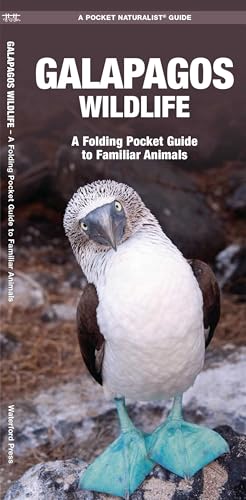
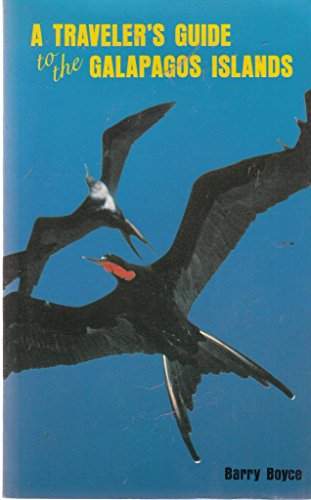
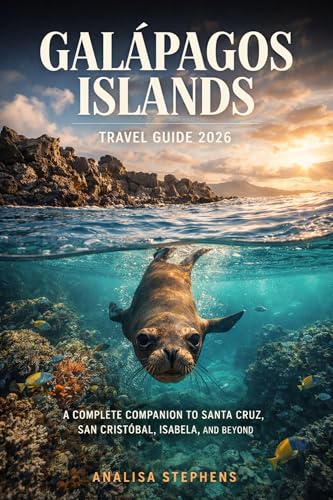
A printed wildlife book or pocket nature guide is one of the most useful tools you can pack for this trip. The Galapagos National Park requires visitors to explore with a licensed naturalist guide, but your guide will often lead groups of eight to sixteen people along busy trails. Having your own printed reference helps you identify Darwin finches, shorebirds, and marine life at your own pace without waiting for someone else to point them out.
Before you choose a travel guide, verify its physical design. Cell towers only exist inside the main port towns, so digital apps and downloaded web pages are useless when you are miles offshore or walking across volcanic lava fields. Look for a book that measures around six by nine inches or smaller so it slides easily into your daily daypack or under-seat personal item. A water-resistant laminated fold-out guide is especially helpful on dinghy rides, where ocean spray and wet hands can ruin normal paper pages. Make sure the guide contains clear color illustrations, simple identification markers, and check-off spaces so you can record what you spot every day.
FAQs
Do I need a wetsuit to snorkel in the Galapagos?
You do not need a wetsuit from January through May, when water temperatures reach the upper seventies and low eighties. From June through November, ocean temperatures fall into the mid-sixties. A three-millimeter or five-millimeter wetsuit prevents shivering and lets you stay in the water long enough to enjoy the wildlife.
What is the single calmest month for ocean travel?
March generally offers the calmest seas and lowest winds of the year. The ocean surface often stays flat, which makes inter-island boat trips and cruise travel comfortable for people prone to motion sickness. February and April also feature very gentle sea conditions.
Can I visit the Galapagos without taking a cruise boat?
Yes, you can plan an island-hopping vacation staying at hotels on Santa Cruz, San Cristobal, or Isabela. You can take day boat tours to nearby uninhabited islands and return to land each evening. This approach works well for travelers who prefer sleeping on solid ground rather than a moving ship.
When is the best time to see baby sea lions?
Sea lion pups are born in large numbers between August and October. If you want to swim near playful young sea lions in shallow water, November and December are prime months. By that time, the pups are confident swimmers and love splashing around snorkelers.


Best Affordable Carry On Luggage 2026 - 11 Most Loving

The 12 Best Carry On Luggage For Bad Back 2026 - Top Choices

Best Tandem Double Buggy 2026 - 11 Best Rating

Top 12 Kids Rolling Suitcases for Fun and Easy Travel

The Ultimate Guide to Choosing the Best 8 Wheel Suitcase

Best Lightest carry on luggage with wheels in 2026

Top Airport Traveling Suitcases: Our 11 Best Picks

The Best Prams For Rough Terrain - (2026 Top Choice)










