
How to Fold a Button-Up Shirt for Travel Without Wrinkles

A traveler unzips a suitcase under buzzing hotel lights and sees a deep crease stamped right across the chest of a dress shirt. Buttoning every other button and folding the shirt face down into a flat rectangle stops that fabric from shifting in transit. Laying it flat near the top of the luggage keeps the collar crisp and spares you a frantic search for a hotel iron.
The best method shifts slightly depending on your shirt fabric and your luggage. Crisp cotton dress shirts need clean, flat folds, while stretchy synthetic blends can tolerate a gentle roll without clinging to wrinkles. Stiff formal collars need careful support in a structured carry-on, while casual button-downs forgive a tighter squeeze in a duffel bag. Here is how to prep, fold, and pack your shirts so they stay sharp from door to destination.

- TLR Rank10.0
TLR Rank is a ranking system developed by TravelLuggageReviews.com. TLR Rank has no relationship or impact from any manufacturers or sales agent websites. Learn more
- BrandGeniusidea
- TLR Rank10.0
TLR Rank is a ranking system developed by TravelLuggageReviews.com. TLR Rank has no relationship or impact from any manufacturers or sales agent websites. Learn more
- BrandGarneck

- TLR Rank9.2
TLR Rank is a ranking system developed by TravelLuggageReviews.com. TLR Rank has no relationship or impact from any manufacturers or sales agent websites. Learn more
- BrandPonhog

- TLR Rank9.2
TLR Rank is a ranking system developed by TravelLuggageReviews.com. TLR Rank has no relationship or impact from any manufacturers or sales agent websites. Learn more
- BrandThule
- TLR Rank9.2
TLR Rank is a ranking system developed by TravelLuggageReviews.com. TLR Rank has no relationship or impact from any manufacturers or sales agent websites. Learn more
- BrandBoxLegend

- TLR Rank9.2
TLR Rank is a ranking system developed by TravelLuggageReviews.com. TLR Rank has no relationship or impact from any manufacturers or sales agent websites. Learn more
- BrandBoxLegend
- TLR Rank9.2
TLR Rank is a ranking system developed by TravelLuggageReviews.com. TLR Rank has no relationship or impact from any manufacturers or sales agent websites. Learn more
- BrandBoxLegend

- TLR Rank9.0
TLR Rank is a ranking system developed by TravelLuggageReviews.com. TLR Rank has no relationship or impact from any manufacturers or sales agent websites. Learn more
- BrandGeniusidea

- TLR Rank9.0
TLR Rank is a ranking system developed by TravelLuggageReviews.com. TLR Rank has no relationship or impact from any manufacturers or sales agent websites. Learn more
- BrandBoxLegend

- TLR Rank8.8
TLR Rank is a ranking system developed by TravelLuggageReviews.com. TLR Rank has no relationship or impact from any manufacturers or sales agent websites. Learn more
- BrandVosaplk

- TLR Rank8.4
TLR Rank is a ranking system developed by TravelLuggageReviews.com. TLR Rank has no relationship or impact from any manufacturers or sales agent websites. Learn more
- BrandHomoyoyo

- TLR Rank8.2
TLR Rank is a ranking system developed by TravelLuggageReviews.com. TLR Rank has no relationship or impact from any manufacturers or sales agent websites. Learn more
- BrandHousehold Essentials
Last update on 2026-10-24 / Affiliate links / Images, Product Titles, and Product Highlights from Amazon Product Advertising API
How should you prepare a shirt before folding?
A good fold cannot erase wrinkles that are already baked into the cloth. If you fold a shirt straight out of the laundry basket, suitcase pressure will press those existing creases deep into the fabric. Always start with a shirt that is freshly ironed, steamed, or pulled clean and flat from the hanger.
Choose a firm, clean surface for your prep work. A kitchen counter, dining table, or clean desk works best. Avoid folding clothes on a soft bed mattress. Soft mattresses sag under your hands, which causes crooked seams, uneven edges, and accidental bunched fabric.
Run through this quick prep checklist before starting your folds:
- Fasten alternating buttons: You do not need to button every single loop. Fasten the collar button, every other button down the placket (the button strip down the front), and both wrist cuffs. This keeps the shirt straight and balanced while saving you time during packing and unpacking.
- Secure the collar stays: Keep your collar stays (the small plastic stiffeners inside collar points) in their slots. They provide rigid support so the tips of your collar do not curl or crush under weight. If your shirt uses removable stays, leave them inside.
- Smooth out air pockets: Lay the shirt face down with the sleeves extended out to the sides. Place your hands flat in the center of the back and smooth outward toward the seams. This removes trapped air and flattens small ripples before you make a fold.
What are the steps to fold it flat?
The classic flat fold mirrors the neat rectangle you see in clothing stores. It protects the collar, keeps the chest front smooth, and packs flat without creating awkward diagonal creases. Follow these steps in order:
- Lay the shirt face down: Place your buttoned shirt face down on your flat surface. Smooth the back panel flat with your hands and check that the collar lies naturally straight against the table.
- Fold the first side inward: Grip the shoulder halfway between the collar seam and the sleeve seam. Fold that side inward toward the center line of the back. Create a straight, clean fold that runs all the way from the shoulder down to the bottom hem.
- Align the first sleeve: Lay the sleeve straight down along the new outer fold you just created. The sleeve should run parallel to the folded side edge, pointing straight down toward the hem. Keep the sleeve flat to prevent bunched fabric around the armpit.
- Fold the second side inward: Bring the opposite side inward toward the center by the same distance. The two folded sides should meet or overlap slightly along the spine of the shirt. Check that the folded width matches the space inside your luggage.
- Align the second sleeve: Lay the second sleeve straight down alongside the first one. Both sleeves should now sit flat, side by side, pointing toward the bottom hem of the shirt.
- Fold the bottom hem upward: Take the bottom hem of the shirt and fold it up by about four to six inches. Then fold that lower section upward once more toward the shoulders. For longer dress shirts, this two-step fold brings the bottom hem just below the back of the collar.
- Flip and check the front: Slide both hands underneath the folded shirt and gently flip it over. The collar will stand up cleanly, and the chest area will be flat and ready to pack.
Should you fold or roll a button-up shirt?
The choice between folding and rolling depends on the fabric of your shirt and the structure of its collar. Many travelers recommend rolling clothes to save luggage space, but rolling is not suitable for every shirt style.
Formal dress shirts made of crisp cotton, poplin, linen, or twill need to be folded flat. These stiff, woven fabrics have zero stretch. When you roll a stiff dress shirt, the outer fabric stretches while the inner fabric bunches up. That uneven tension causes wide, wavy creases across the chest placket. Rolling also crushes the stiff collar band and bends the collar tips, which ruins the sharp look you need for weddings or business meetings.
Rolling works well for casual button-down shirts made from synthetic blends, flannel, or soft knit jersey. These softer fabrics flex easily and naturally shed wrinkles. If you roll casual shirts, roll them loosely. A tight roll pinches the seams and pulls on the buttons. Lay the shirt face down, fold the sleeves behind the back, and roll gently from the bottom hem up to the collar.
Where should you pack dress shirts in luggage?
How you arrange items inside your suitcase determines whether your shirts arrive crisp or crumpled. Weight distribution inside the bag creates pressure points that can push stubborn creases through clean cotton.
Pack your suitcase using balanced layers:
- Base layer for heavy items: Put heavy shoes, toiletry kits, and chargers at the bottom of the suitcase near the wheels. This keeps heavy objects from sliding down and crushing delicate clothing when the bag stands upright.
- Middle layer for casual clothes: Place denim jeans, casual pants, sweaters, and underwear in the middle. This creates a flat, cushioned surface across the luggage interior.
- Top layer for folded shirts: Lay your button-up shirts on top of the stack. This shields the collars from heavy weight and stops rough corners from digging into the chest panels.
Stack multiple dress shirts collar to hem. Place the first shirt with the collar pointing toward the handle end of the suitcase. Place the next shirt with its collar pointing toward the bottom end. Alternating collar directions keeps the stack level. If all collars sit on the same side, the stack tilts and creates uneven weight that crushes the bottom collars.
The type of bag you carry also matters. A hard-shell carry-on bag that fits in the overhead bin protects shirts from outside impacts. A soft duffel bag bends as you walk, which can bunch up your clothes. If you take quick weekend trips or look into where to travel without a US passport for island getaways, you might rely on a soft travel bag. In a soft bag, place folded shirts between flat layers of clothing to prevent straps from squeezing them.
How do you fix faint travel wrinkles without an iron?
Even a careful fold can leave faint packing creases after hours inside a suitcase. You do not need to scramble for a hotel iron or risk burning delicate fabric to get your shirt ready for dinner.
Bathroom shower steam is a simple, dependable fix for minor creases:
- Hang on a solid hanger: Put the shirt on a thick plastic or wooden hanger. Avoid thin wire hangers that bend and stretch the shoulders. Button the top collar button so the shirt hangs straight.
- Position away from water: Hang the shirt on the back of the bathroom door or on a wall hook. Keep it several feet away from the shower curtain so water does not splash onto the fabric. Direct water droplets can leave water rings on light cotton.
- Run the hot water: Turn the shower on high heat and close the bathroom door completely. Let the room fill with steam for ten to fifteen minutes. The warm humidity relaxes the cotton fibers without direct heat.
- Smooth the fabric gently: Step into the room, hold the bottom hem, and give the shirt a gentle downward tug. Lightly brush your flat, dry hands over the placket to smooth out remaining ripples.
- Air dry in the room: Move the hanger out to the main room closet and let the shirt dry completely before putting it on. Wearing a damp shirt will cause fresh wrinkles as soon as you sit down.
Frequent flyers who take standby flights and know what is non rev travel often use this steam method to refresh their clothes quickly in hotel rooms without unpacking heavy gear.
What packing gear helps keep shirts crisp during transit?
Packing gear can protect your shirts when you travel frequently. Even when folded neatly, shirts can shift and slide as luggage is moved, tossed into car trunks, or lifted into airplane overhead bins. Friction from that constant sliding creates fine wrinkles across the fabric.
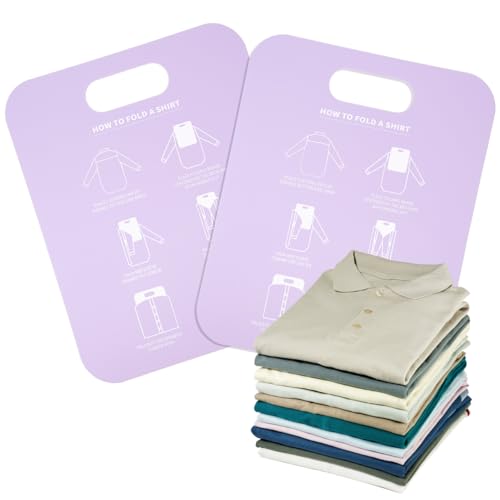
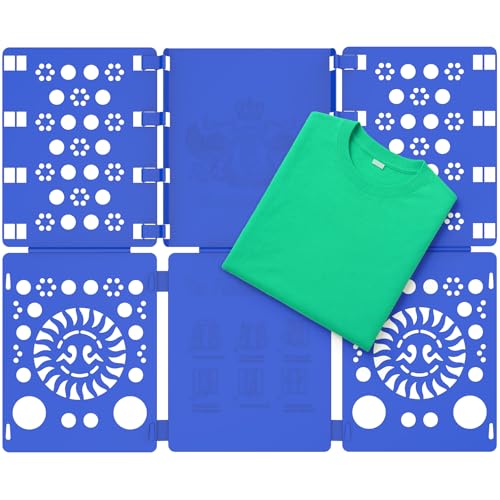
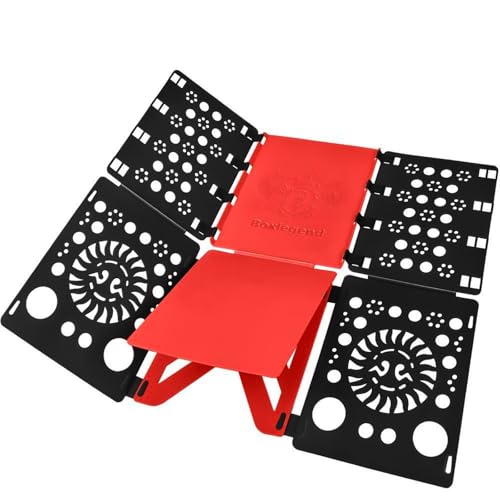
A garment folder (a flat packing sleeve with a folding board) solves this shifting problem. These travel sleeves hold shirts in a secure, compact bundle. You place a rigid folding board against the back of the shirt, fold the sides and hem around the board, and slide it out. The board ensures that every shirt folds down to the exact same flat rectangle.
Once your shirts are stacked inside the sleeve, compression wings fold over the stack and fasten securely. This gentle pressure removes trapped air and holds the fabric firmly in place so shirts cannot rub against each other during transit.
Before choosing a garment sleeve or folding board, check these practical features:
- Luggage dimensions: Check that the outer size of the sleeve fits flat inside your standard carry-on bag that fits in the overhead bin. If the sleeve is too wide, the edges will bend against the suitcase frame.
- Capacity: Check how many garments the sleeve holds. Most standard travel sleeves fit between four and eight shirts, which easily covers a multi-day trip.
- Board rigidity: Make sure the folding board is sturdy enough to maintain clean fold lines without flexing under the weight of the fabric.
FAQs
Can you keep dress shirts wrinkle-free in a backpack?
Yes, you can pack dress shirts in a backpack if you protect them from folding in half. Use a flat garment folder or place the folded shirt inside a stiff plastic document sleeve before packing. Slip the sleeve flat against the back panel of the backpack, where it stays straight and avoids pressure from bulky items.
Should you pack dress shirts in dry cleaning bags?
Thin plastic dry cleaning bags work very well to prevent travel wrinkles. Slipping each folded shirt inside its own thin plastic bag reduces friction between layers of fabric. When shirts cannot rub against each other, travel creases have a hard time forming.
What should you do with collar stays when packing?
Leave your collar stays inside the collar points while traveling. The stiff plastic or metal stays keep collar tips straight and prevent them from curling under suitcase weight. If your shirt did not come with stays, you can cut small strips from an old plastic card to slide into the collar slots.
How many button-up shirts can you safely stack together?
You can safely stack three to four button-up shirts together in a single carry-on compartment. Always alternate the collars so half face one end and half face the other. Stacking more than four shirts increases weight on the bottom layer and can flatten the lowest collars.


Best Affordable Carry On Luggage 2026 - 11 Most Loving

The 12 Best Carry On Luggage For Bad Back 2026 - Top Choices

Best Tandem Double Buggy 2026 - 11 Best Rating

Top 12 Kids Rolling Suitcases for Fun and Easy Travel

The Ultimate Guide to Choosing the Best 8 Wheel Suitcase

Best Lightest carry on luggage with wheels in 2026

Top Airport Traveling Suitcases: Our 11 Best Picks

The Best Prams For Rough Terrain - (2026 Top Choice)










